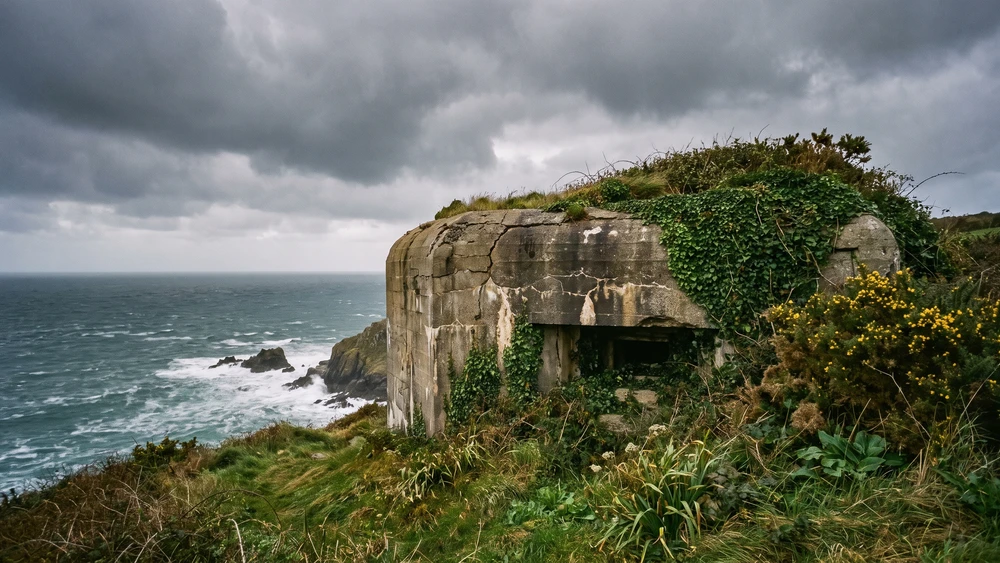
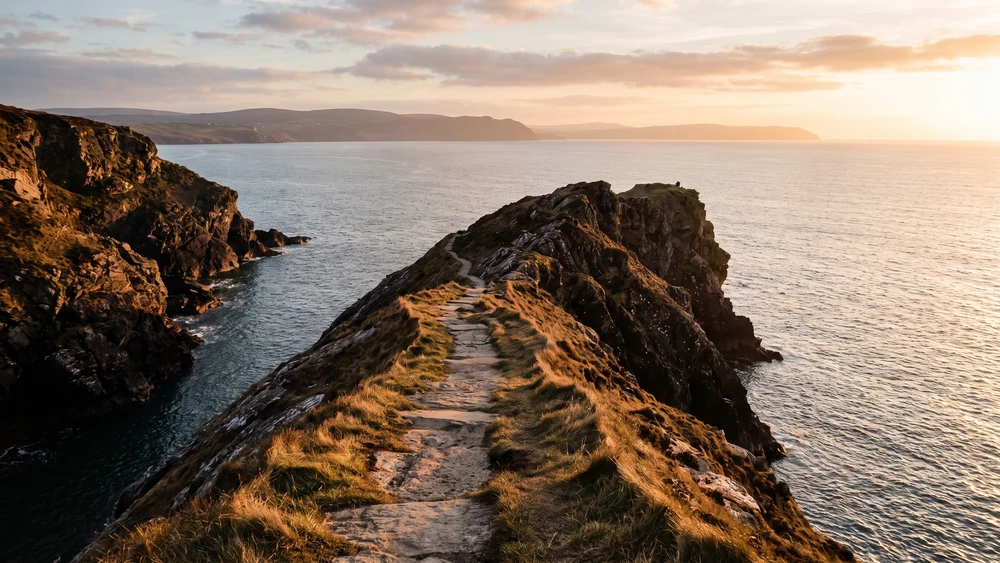
Booking a trip to Sark without realizing you have to cross a narrow, 80-metre-high exposed ridge to reach Little Sark leaves many visitors frozen in their tracks. The relentless coastal winds and sheer vertical drops demand absolute respect, making this crossing a serious physical and mental hurdle rather than a simple island stroll.
- Height: 80 metres (262 ft) above sea level
- Length: 100 metres
- Width: Approximately 3 metres
- Cost: Free
- Access rules: Pedestrians and horse-drawn carriages only, cyclists must strictly dismount
What Makes La Coupée So Unique?
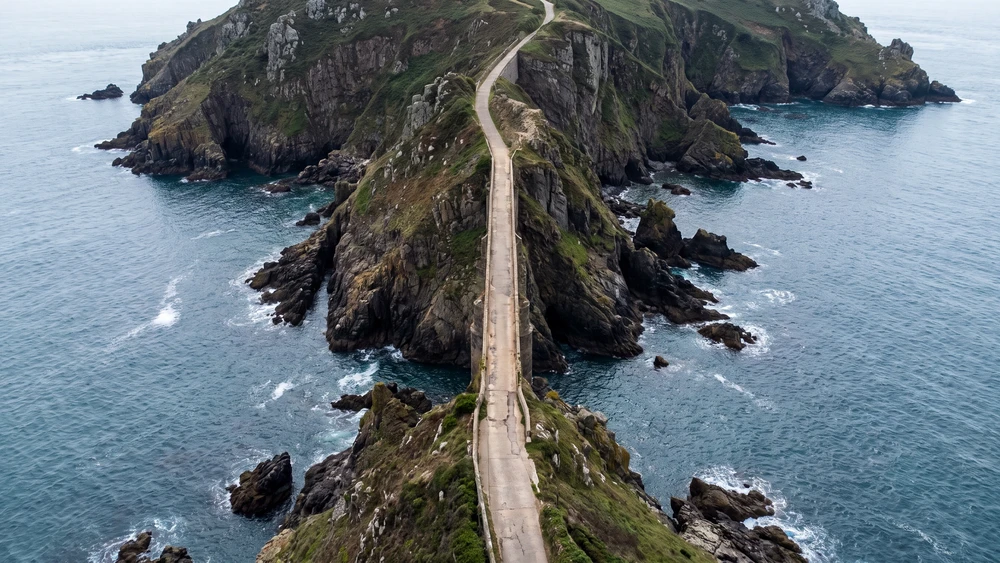
The geography here is unforgiving and entirely raw. A slender isthmus connects Greater Sark to Little Sark, slowly carved out by brutal wave erosion over millennia. Stand at the center, and the land falls away instantly on both sides. The eastern edge drops steeply to Concree Bay, while the west overlooks La Grande Grève, a stunning shoreline accessible only by a steep cliff path.
The elements constantly batter this narrow rock formation. There are no trees, no windbreaks, and absolutely nowhere to hide from the weather. It feels less like a traditional road and more like a concrete tightrope suspended directly above the English Channel.
Is La Coupée Safe to Cross? (2026 Update)
Safety conditions change fast on this exposed ridge, so the causeway gets constant geological monitoring. In mid-January 2025, a critical section of the rock face and supporting walls partially collapsed, forcing an immediate, hard closure of the road. Engineering teams worked around the clock under emergency floodlights to stabilize the structure, layering sprayed concrete and reinforcement mesh secured by long steel soil-nails drilled deep into the rock. The job finished just days before Storm Éowyn battered the island.
The rockfall exposed how volatile the cliffside really is, so Sark's government followed up with a longer stabilisation program. In April 2026, contractors ran a three-week reinforcement project, during which La Coupée closed to general foot traffic daily from 6:30am to 6:30pm, with crossing only possible in short scheduled windows. That work is now complete and the causeway is open to pedestrians and horse-drawn carriages as normal. Even so, always check the current Chief Pleas of Sark notices before you travel, especially after heavy rainfall, severe gale warnings, or if you're visiting outside peak summer season, since short-notice closures for maintenance or weather can still happen.
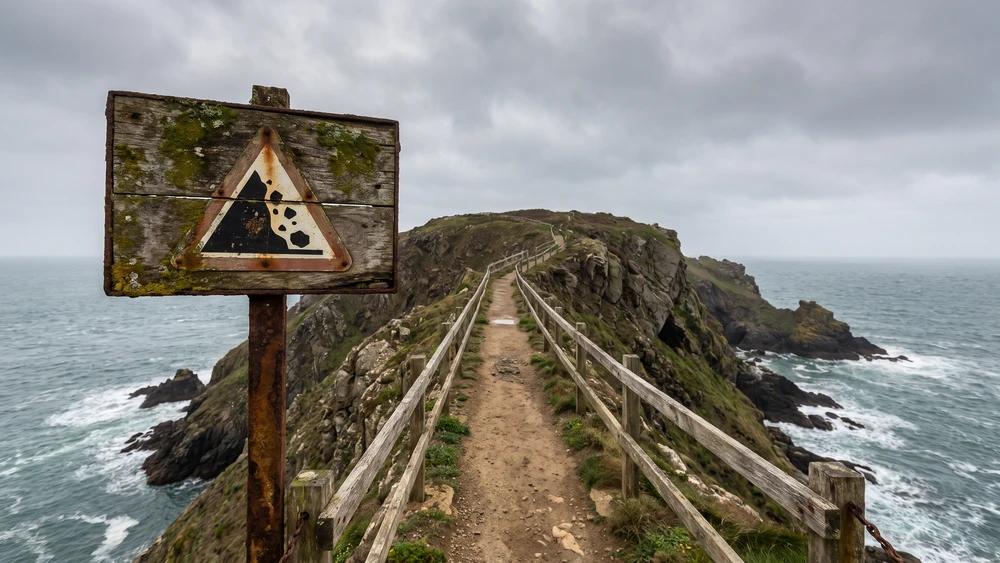
Rules for Walking and Cycling the Causeway
Cyclists and Horse-Drawn Buggies
Strict local laws govern traffic on this narrow strip to prevent fatal accidents. You must completely dismount your bicycle before the approach and push it the entire 100-metre length. Riding across is illegal and dangerous because of unpredictable crosswinds.
Horse-drawn buggies frequently trot across the ridge, and they hold absolute priority. Step aside and press close to the railings when a carriage approaches, since the three-metre width leaves zero margin for error.
Coping with Vertigo and High Winds
Crossing La Coupée requires preparation if you struggle with heights. Up until the 20th century, residents literally crawled across on their hands and knees during severe gales to avoid blowing off the unprotected edge. Today, sturdy metal railings line the entire path, offering crucial physical and psychological support.
Keep your eyes locked on the solid landmass ahead rather than looking down at the crushing waves below, and maintain a low center of gravity if the wind picks up. In extreme winds, simply postpone your visit to Little Sark, no view is worth the risk of losing your footing.
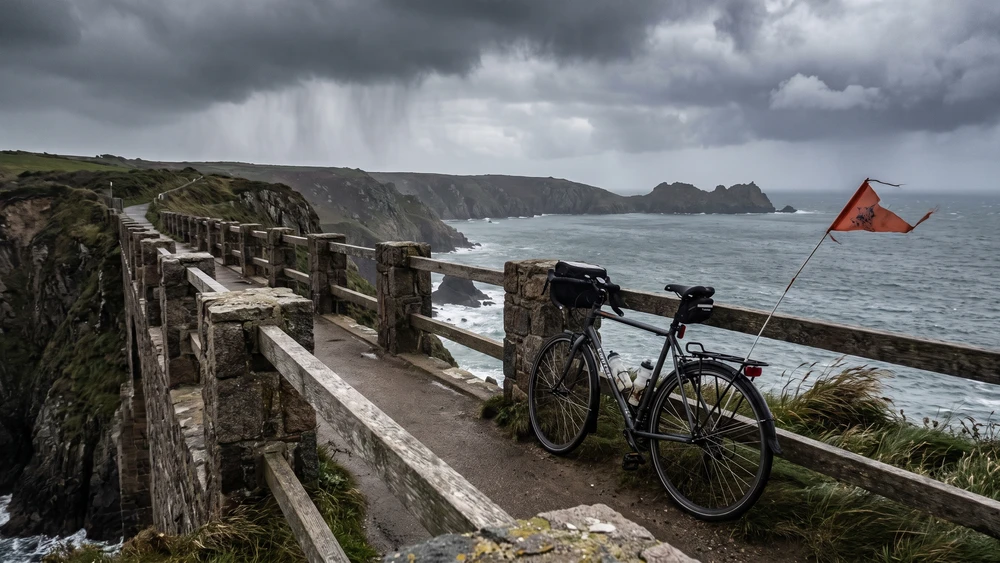
The Dark History: Ghost Myths and German POWs
This causeway carries a heavy historical footprint. Island locals once completely refused to cross at night, terrified by strange moaning sounds echoing up from the dark cliffs. Geologists later mapped these noises to powerful wave actions compressing air inside La Caverne des Lamentes, dispelling the deeply rooted ghost myths.
The modern concrete surface you walk on stems from a much darker chapter of European history. In 1945, under the direction of British Royal Engineers, German prisoners of war paved the full length of the isthmus. That robust concrete cap finally stabilized the terrifying dirt track that had haunted islanders for centuries.
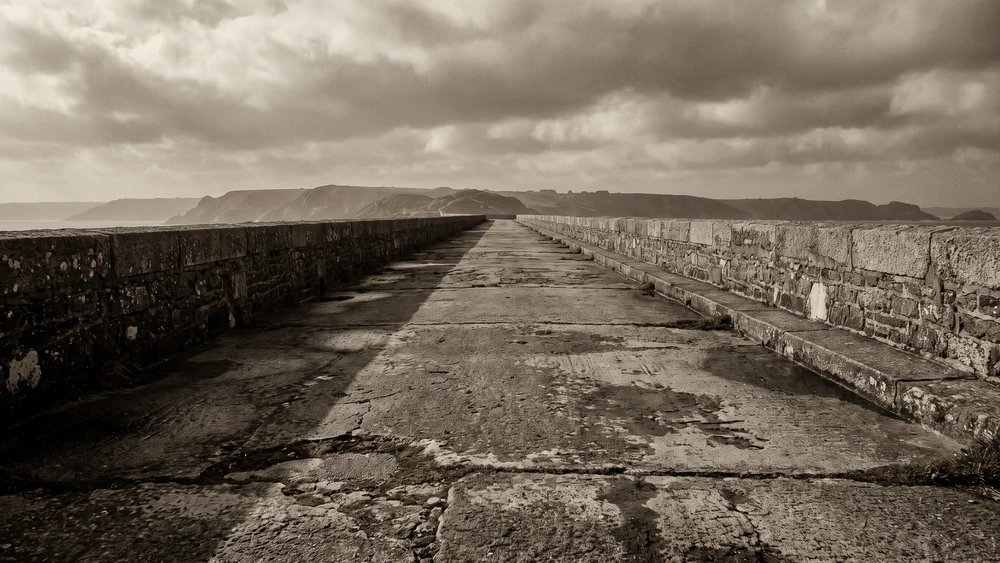
Things to Do in Little Sark
Committing to the crossing unlocks the isolated, rugged beauty of Little Sark. The absolute standout reward on this side is the Venus Pool, a deep, natural tidal pool that offers crystal-clear, safe swimming, but you need to time your arrival meticulously for low tide. Arrive just a couple of hours too late, and the ocean completely engulfs the rocks, hiding the pool entirely.
Beyond the water, the southern tip holds the crumbling remnants of old silver mines. The coastal paths here are far removed from the main tourist footfall on Greater Sark, offering silence, sharp granite drops, and uninterrupted views toward Jersey.
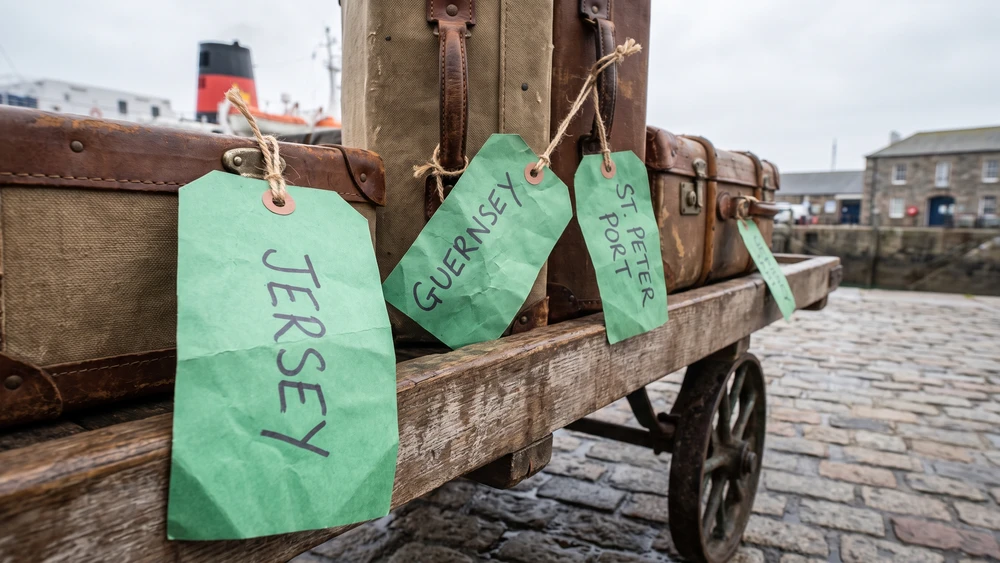
Once you're back on Greater Sark, getting around the island mostly means walking or cycling, since cars are banned. If you're still planning the trip, check the ferry routes to Sark from Guernsey and Jersey before you book accommodation.