Sark is famous for being Europe's last feudal state and a completely car-free island. While the absence of motor vehicles creates an idyllic, peaceful atmosphere, it also introduces unique logistical challenges for travelers. Spanning just over two square miles, navigating Sark requires moving on foot, by bicycle, or via tractor-drawn transport. To ensure your trip is seamless rather than stressful, here is your practical guide to master the island's unique mobility network.
Seamless Luggage Logistics: The Green Label System
Dragging even a single suitcase up Sark's steep terrain is a mistake you only make once. Thankfully, the island has a highly efficient carting system that handles your bags from the moment you leave Guernsey.
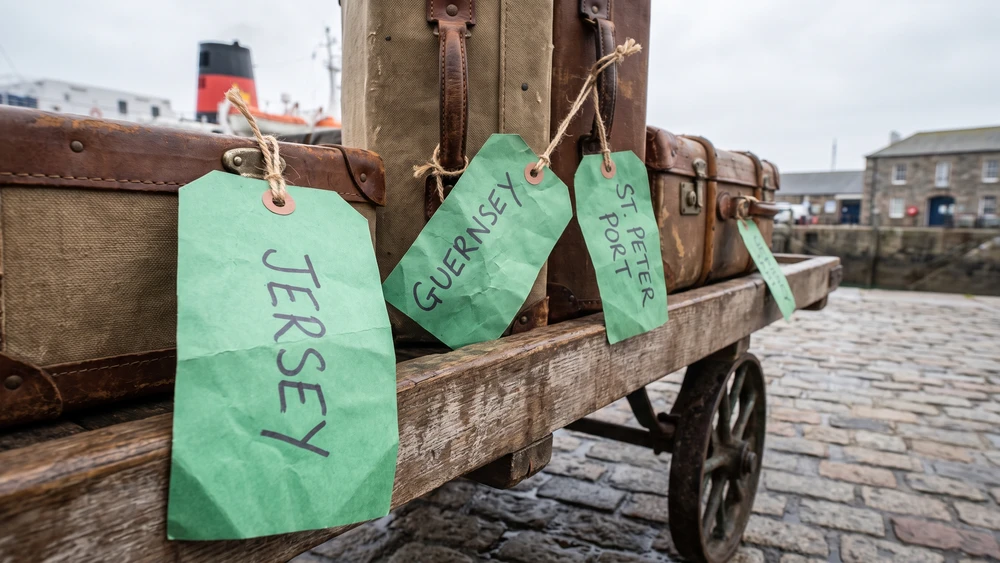
On arrival: Before boarding the ferry at St Peter Port in Guernsey, you must collect green luggage labels from the Sark Shipping office. Write your name, your mobile number, and the exact name of your accommodation on these tags. Once you carry your bags onto the boat, you can forget about them. Island carters will automatically unload them at Sark's Maseline Harbour and transport them directly to your hotel, campsite, or cottage within a few hours.
On departure: You must arrange your luggage collection with the island carters or your accommodation hosts the day before you leave. You will be instructed to leave your bags at a designated spot, often just at the end of a country lane, a few hours before your ferry departs. The carters will collect them, transport them to the harbor, and load them onto the vessel for you.
Conquering Harbour Hill: The Tractor Bus
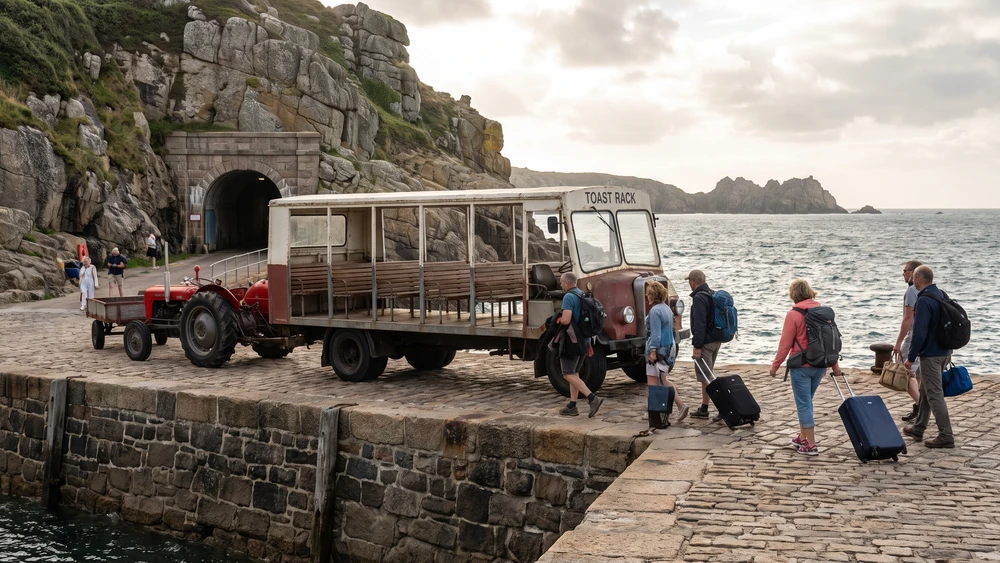
When your ferry arrives at Maseline Harbour, you will immediately face a steep incline known as Harbour Hill. If you have limited mobility, or simply want to save your energy, look for the tractor-drawn passenger trailers known locally as the Toast Rack, named for their open-sided, tram-like design.
Where to find it: The Toast Rack waits right through the tunnel immediately outside the quay.
Pricing and payment: The fare is a small flat charge per adult, with a lower rate for children, and it is payable by both cash and card directly at the vehicle.
The route: The tractor takes you directly up Harbour Hill, dropping you off outside the Bel Air Inn at the edge of the main Village area.
Departure timing: For your return journey, the Tractor Bus departs from outside the Bel Air Inn exactly 30 minutes before every scheduled ferry departure, so factor that into your schedule whether you're doing a quick day trip or staying overnight.
A note on low tide: Sark experiences dramatic tidal changes. At low tide, you will have to climb steep metal steps to get from the ferry to the quay, and vice versa on departure. If you require mobility assistance, this must be pre-arranged with the shipping company well in advance.
Exploring on Two Wheels: Bike Rental Points and Rules
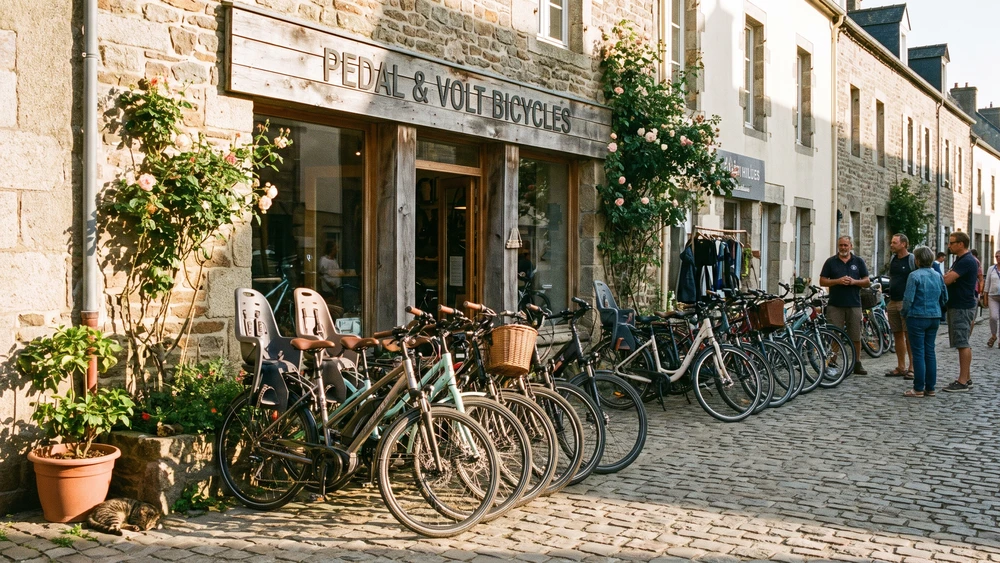
Bicycles are the primary mode of fast transport on Sark. The island features several cycle hire shops, all centrally located within the main Village area.
Where to rent: Avenue Cycles is one of the first shops you will spot on the high street. Another highly recommended spot is A to B Cycles, located near the Mermaid Tavern.
Options and pricing: You can rent standard pushbikes, hybrids with off-road tires and baskets, and increasingly popular electric bikes to help tackle the island's ridges. Multi-day packages are available at each shop, and rates are best confirmed directly with the operator or through their online booking system before you arrive, since they can shift between seasons. If you happen to get a puncture, the rental shops are notoriously accommodating and will swap out your bike with minimal hassle.
The rules of the road: You must always keep to the left when cycling along the main roads. For safety reasons, bicycles are strictly prohibited on all footpaths and cliff paths.
Navigating by Foot: Terrain Reality and Dark Skies
If you choose to walk, Sark's network of lanes and cliff trails offers stunning coastal views, but the physical environment requires proper preparation.
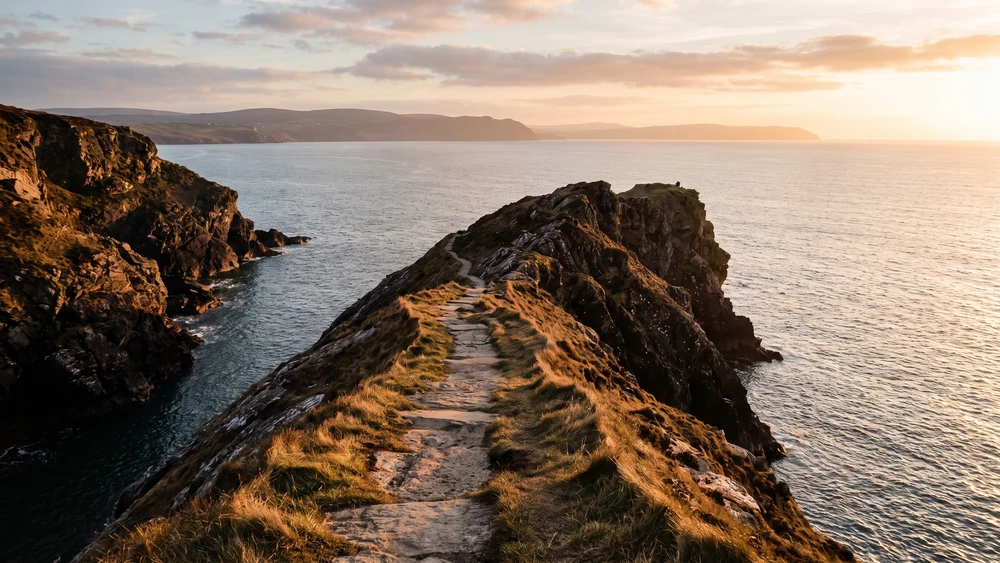
The terrain avoids paved asphalt entirely. The country lanes are unmade dirt tracks that kick up heavy dust during dry spells and rapidly turn into thick mud when it rains. Sturdy hiking boots or resilient trail shoes are highly recommended over cheap sneakers. While walking along the central plateau is relatively flat, any path leading down to the sea or beaches involves steep, strenuous hikes, so scope out routes in advance with this guide to Sark's hidden coastal spots.
Google Maps covers the main avenues but lacks Street View. Because of this, locals usually give directions using landmarks rather than street names. Be prepared for instructions like "turn right at the owl ornament in the cottage window."
Sark is the world's first designated Dark Sky Island. There is absolutely no street lighting anywhere on the island. Walking or cycling back to your accommodation at night without a high-quality head-torch is genuinely dangerous once the sun sets and the darkness becomes absolute.
Horse Carriages and Emergency Mobility
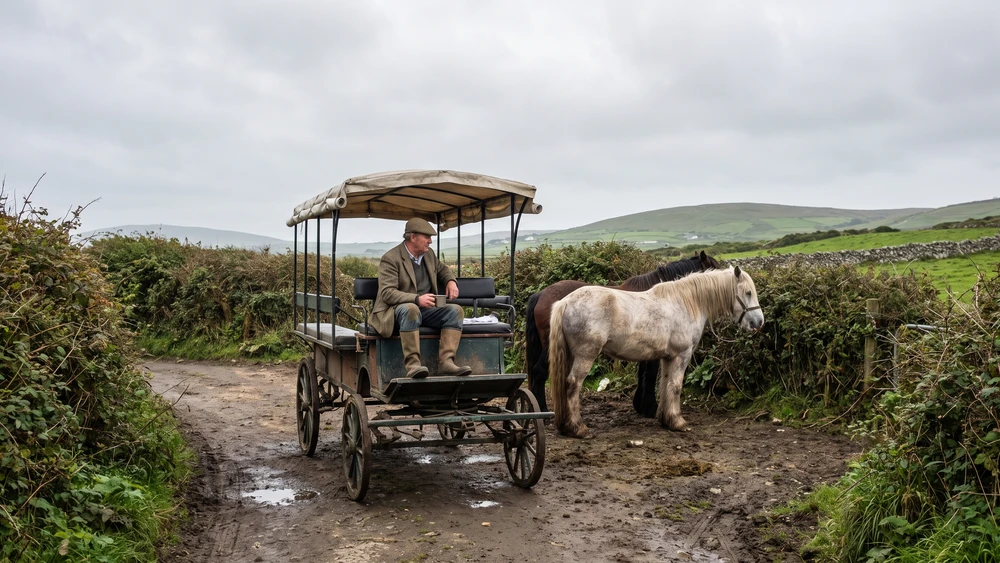
While you may see horse-drawn carriages trotting through the lanes, it is important to know that they do not operate as a standard taxi service.
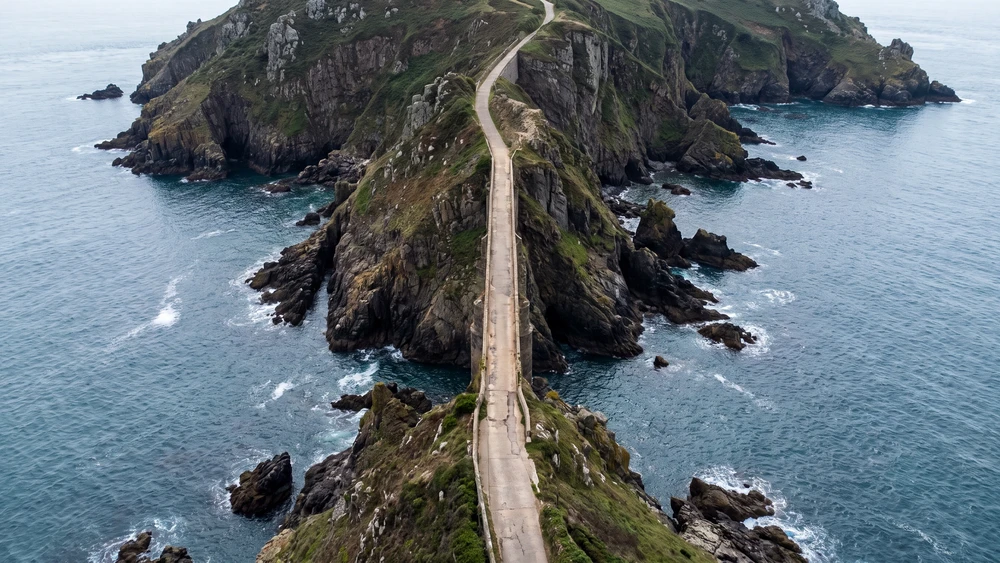
Carriage tours: These operate strictly as pre-booked sightseeing tours rather than point-to-point transit. They generally start and finish at the La Collinette carriage park at the top of Harbour Hill. A shared one-hour tour covering the north of the island costs around £20 per adult, while a private carriage for up to eight passengers runs from roughly £120, with the driver doubling as a certified island history guide. Longer tours that continue on to the dramatic La Coupée isthmus in the south can also be arranged directly with an operator.
Emergency transport: Because there are no cars, standard emergency vehicles do not exist. In the event of a medical emergency, Sark utilizes specially designed tractor ambulances to safely transport patients to the medical center or the helicopter landing pad.
By understanding these distinct logistical layers before you step off the ferry, you can adapt quickly to Sark's slower, rewarding pace of life, and spend your first hour exploring instead of figuring out how to move your bags. From there, it's easy to dive straight into the island's best sights with this guide to things to do in Sark.