Catching the morning mist at the Vermont Nature Trail before 6:00 AM determines whether you witness the canopy come alive or stare at empty branches. The St. Vincent Parrot is elusive by nature - many visitors hear the raucous calls echoing above without ever locking eyes on the bird. Sharp ears, an early start, and a clear understanding of the forest layout give you the best shot at one of the Caribbean's most spectacular endemic species.
- Location: Grand Bonhomme Mountain slopes, 9 miles north of Kingstown
- Peak Viewing Hours: 5:30 AM - 7:30 AM / 4:00 PM - 5:30 PM
- Entry Fee: US$5 (non-nationals) / EC$5 (nationals) per person (2026)
- Trail Length: 2-mile loop, moderate difficulty
- Primary Targets: St. Vincent Parrot, Whistling Warbler
The Vermont Nature Trail: Ground Zero for the SVG Parrot
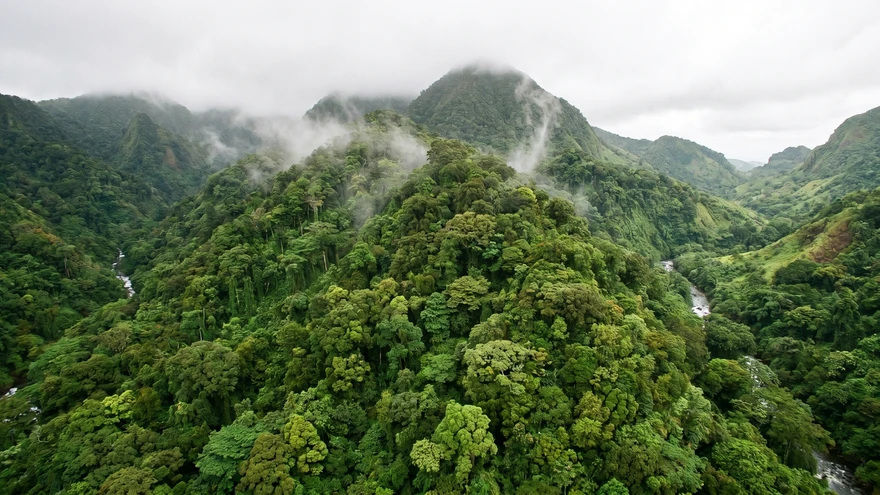
The trail loops through lush primary rainforest, climbing steadily into the core habitat of the remaining wild population. Current estimates place around 750 wild individuals in the mountain interior - a recovery from a low of 370-470 birds in the 1980s following years of habitat loss and hunting pressure.
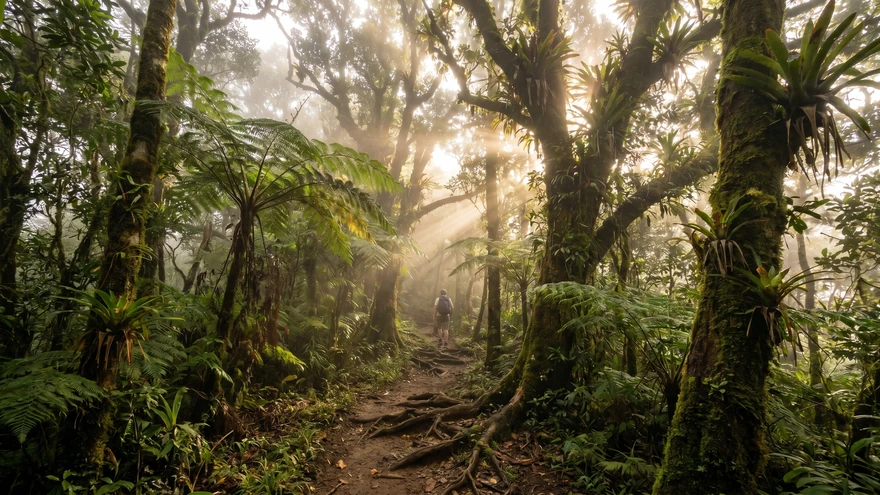
The site is managed by the Buccament Development Organisation and sits within the designated St. Vincent Parrot Reserve. A visitor center at the trailhead provides orientation before you head in - stop there first, especially if you're hiking without a guide, as trail signage can be limited in places. About 100 metres in, the path forks; take the right-hand branch up the steps and slope, which is the intended direction around the loop.
The full loop takes roughly 1.5 to 2.5 hours and climbs and descends almost constantly, so a moderate level of fitness helps even though locals tend to call it an easy walk. Facilities include restrooms, a gift shop, and benches positioned throughout the loop. Sections of the loop have at times been roped off for storm repairs since Hurricane Beryl, so confirm the current status at the visitor center; the lookout platform end generally stays reachable even when the far side is closed.
Best Time to Visit for Maximum Sightings
Dawn and dusk remain the absolute gold standard for serious birders. The parrots leave their high canopy roosting sites at sunrise to forage, filling the air with highly distinct vocalizations. Arrive at the designated lookout platform on the far side of the trail by 6:15 AM for the highest success rate.
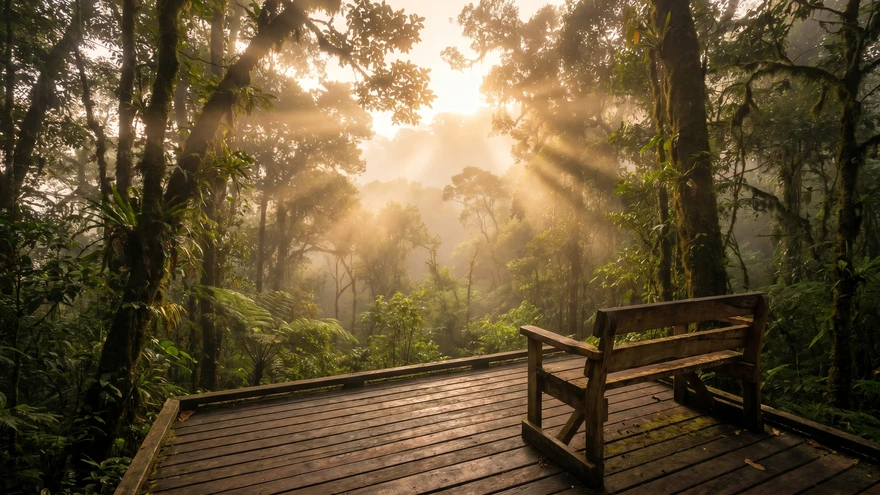
The afternoon window between 4:00 PM and 5:30 PM catches the return flight to roosting trees. Both windows are significantly more productive than midday visits, when the parrots retreat into deep canopy and go quiet. At higher elevations you will often hear constant squawking long before you spot a single bird in the canopy, and arriving early tilts that ratio toward clear sightings.
The trail is open daily from 9:00 AM to 5:00 PM, which means the official opening doesn't align with prime dawn viewing. Arrange access through a licensed guide or organized tour if you want the 5:30 AM start. For near-empty trails, avoid days when cruise ships are docked in Kingstown, when guided groups crowd the morning slots.
Trail Difficulty and What to Pack
The path features steep, muddy inclines and slippery stone steps near the meandering forest streams, and the first bridge crossing rewards you with a small waterfall that makes a natural rest stop. The volcanic soil stays damp even after dry spells. High-traction hiking boots prevent dangerous slips - trainers or sandals are a genuine hazard on the steeper sections.
The trail provides walking sticks at the entrance, though gaps between some stone steps can catch you off guard. Pack a potent mosquito repellent and a lightweight rain jacket regardless of the morning forecast. Binoculars with at least 8x magnification are essential; the parrots spend most of their time 20-40 meters up in the canopy.
Carry more water than you think you need. The humidity inside the rainforest is consistently high, and the exertion of the climb compounds it quickly.
Identifying the St. Vincent Amazon (Amazona guildingii)
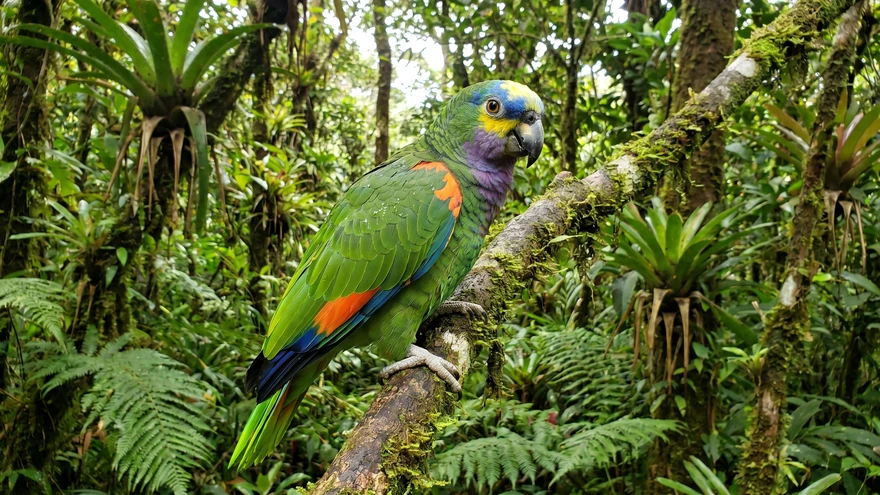
Seeing this large, majestic bird in flight reveals why it represents the island's proudest national symbol. At around 40 centimeters in length, it's one of the larger Caribbean amazons. The complex plumage blends surprisingly well with the dense foliage when the bird sits still - which is why the calls often reach you before the visual does.
Key Morph Differences: Yellow-Brown vs. Green
This unique species displays two distinct color variations. The yellow-brown morph stands out as the most common, showcasing bronze-green upper parts and a pale, yellowish-white head. The rarer green morph exhibits a deep emerald tone across its body, accented by striking violet-blue wings.
Both morphs share the characteristic violet-blue wing patches that flash brilliantly in flight - that burst of blue against green canopy is often your first confirmed sighting signal before the bird lands.
Listening for the Calls
Spotting the parrot depends heavily on your ears rather than your eyes. They emit loud, raucous shrieks, squawks, and sharp trumpet-like sounds when moving in small groups. Remain perfectly still once you hear these distinct vocalizations approaching the canopy above the lookout platform.
The parrots typically move in pairs or small groups of three to five birds. If one calls, others in the group usually respond - giving you a directional fix before you ever raise your binoculars.
Finding the Elusive Whistling Warbler (Catharopeza bishopi)
The mountainous interior hides another globally threatened gem that tests even the most experienced birdwatchers. The Whistling Warbler lives low, preferring the dense, shadowy undergrowth over the sunny treetops.
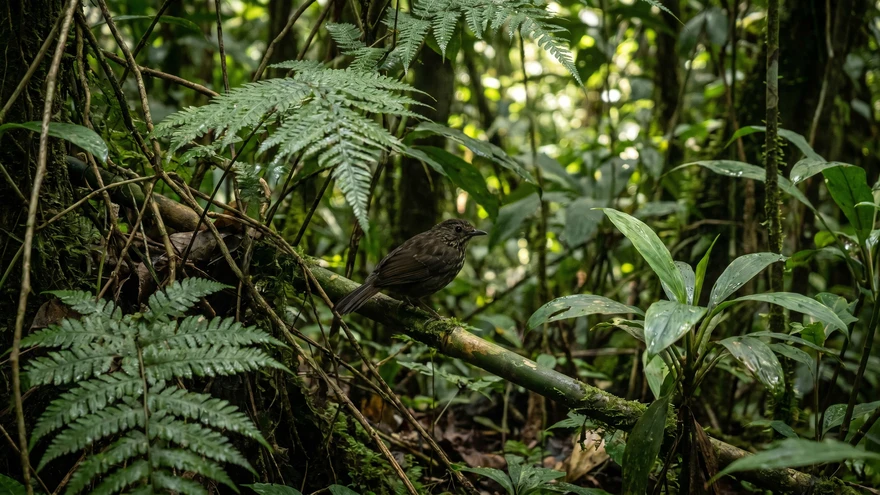
Scan the lower bamboo groves and native ferns along the dampest sections of the forest loop. This small, dark bird flitters rapidly between low branches, making it notoriously difficult to photograph. Listen for a loud, accelerating musical whistle that stops abruptly right before the bird darts away.
Unlike the parrots - which are impossible to miss acoustically - the warbler requires patience and a willingness to stand very still near dense vegetation for extended periods.
Other Regional Endemics to Add to Your Checklist
The dense mountain forests support a rich ecosystem teeming with unique avian life. Keep your binoculars ready for these secondary targets while waiting at the primary lookout platforms.
- St. Vincent Wren (Troglodytes aedon): A small, highly active insectivore found deep within the secondary forest layers.
- Grenada Flycatcher (Myiarchus nugator): This slender bird prefers the mid-canopy and calls frequently along the riverbanks.
- Lesser Antillean Tanager: Displays vibrant, shifting colors and actively feeds on small forest fruits.
- Antillean Crested Hummingbird: Easily spotted hovering near exotic blossoms along the sunnier trail borders.
- Purple-throated Carib: A large hummingbird recognizable by its iridescent purple throat and curved bill.
- Rufous-throated Solitaire: Its haunting, flute-like song echoes through the misty valleys long before you see it.
- Brown Trembler: An endemic species found rustling through leaf litter in the undergrowth.
Over 170 resident and migratory bird species have been recorded across the island, making the Vermont Nature Trail one of the most productive single-site birding locations in the Eastern Caribbean.
Should You Hire a Local Guide?
The trail loops are well-marked and can be hiked independently. That said, hiring a certified local guide drastically increases your chances of spotting hidden species like the Whistling Warbler. Local experts know the exact territories, nesting trees, and specific vocalizations to listen for in the dense rainforest canopy.
Guided tours with operators such as Fraser's Taxi and Tours run approximately $60 USD and include hotel pickup, making the logistics of an early-morning start far simpler. The Vermont Nature Trail and Bird Watching Tour on Book a guided birding tour is a reliable option with small group sizes and a knowledgeable local guide. Hiring local guides also directly funds the conservation programs protecting these species.
Logistics: How to Get to Vermont Nature Trail
The trailhead sits 9 miles north of Kingstown in the Buccament Valley, approximately a 30-minute drive on winding mountain roads. Renting a four-wheel-drive vehicle gives you flexibility to arrive before dawn without depending on tour pickup times - Compare car rental options for rates in St. Vincent. Alternatively, hiring an experienced local taxi driver saves navigation stress and guarantees a smooth arrival before dawn.
The road to the trailhead is paved but narrow, with sharp bends that catch rental drivers off guard in the dark. If you're driving independently, a satellite navigation app with offline maps for St. Vincent is worth downloading before you leave Kingstown.
If you're island-hopping through the region, it's worth coordinating this with ferry schedules - the Grenadines island-hopping route by ferry is a popular way to structure a multi-day itinerary, and Tobago Cays makes a natural complement to a St. Vincent birding day if you're exploring Tobago Cays and turtle snorkeling on the same trip.
Conservation Efforts: Protecting the Amazona Guildingii
Safeguarding these vulnerable island populations requires continuous, active monitoring. The St. Vincent Parrot population has recovered significantly since the 1980s - from near-critical lows to around 750 individuals today - thanks to strict hunting bans, habitat protection, and sustained community education programs.
Recent collaborative initiatives focus heavily on habitat restoration and combatting invasive species threats. Hiring certified local eco-guides directly funds these crucial rainforest protection programs. The species was designated a BirdLife International Important Bird Area precisely because of the Vermont Nature Trail's role in supporting the remaining population.