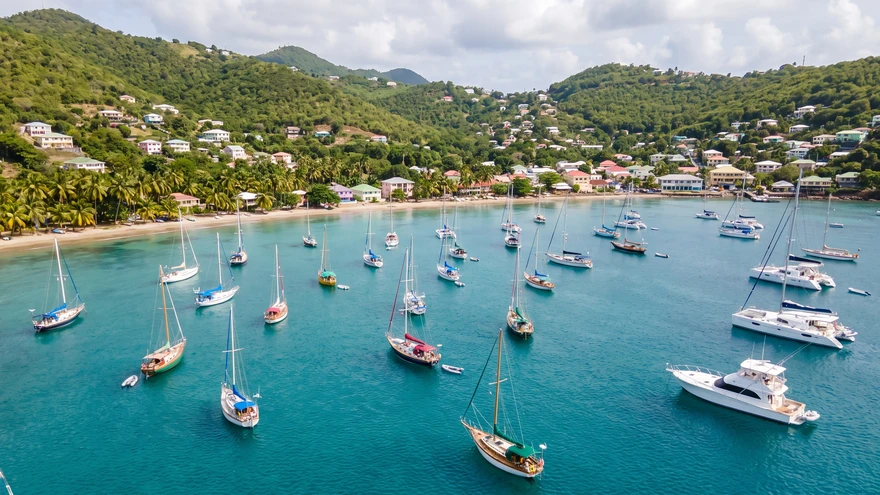
Many divers arrive in the Caribbean expecting endless coral walls and large sharks, completely missing that St. Vincent hides an entirely different, microscopic world of bizarre creatures. Understanding the stark contrast between the main island's volcanic muck diving and the Grenadines' crystal-clear reefs prevents you from booking the wrong itinerary.
| Feature | Details |
|---|---|
| Water Temperature | 77°F to 88°F (25°C to 31°C) |
| Visibility | 60 to 100 feet (18 to 30 meters) |
| Best Season | December to May (Dry Season) |
| Signature Marine Life | Frogfish, seahorses (St. Vincent) / Green turtles, rays (Grenadines) |
| Primary Dive Types | Muck, Macro, Reef, Wall, Swim-throughs |
Why St. Vincent Is the Critter Capital
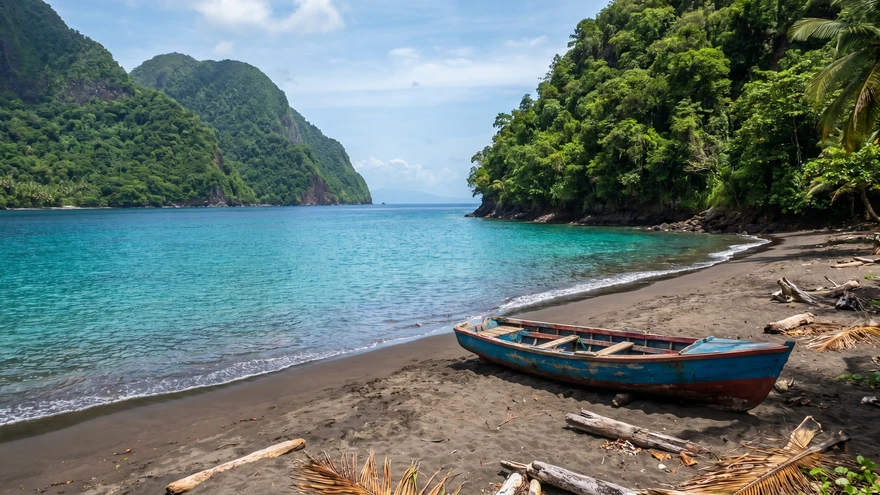
The secret behind the explosive biodiversity here lies in the nutrient-rich currents flowing from the Atlantic through the channel near Bequia. These currents constantly feed the volcanic slopes of the main island. The seabed is often a sprawling canvas of dark sand and mudflats, seemingly barren at first glance.
This dark background makes the vivid colors of macro life pop dramatically. You spot rare magnificent urchins, golden coral shrimp, and multiple species of frogfish camouflaged against sponges. The pace of diving here is incredibly slow. You spend an entire hour hovering over a single patch of sand at 30 feet, hunting for subjects smaller than your fingernail.
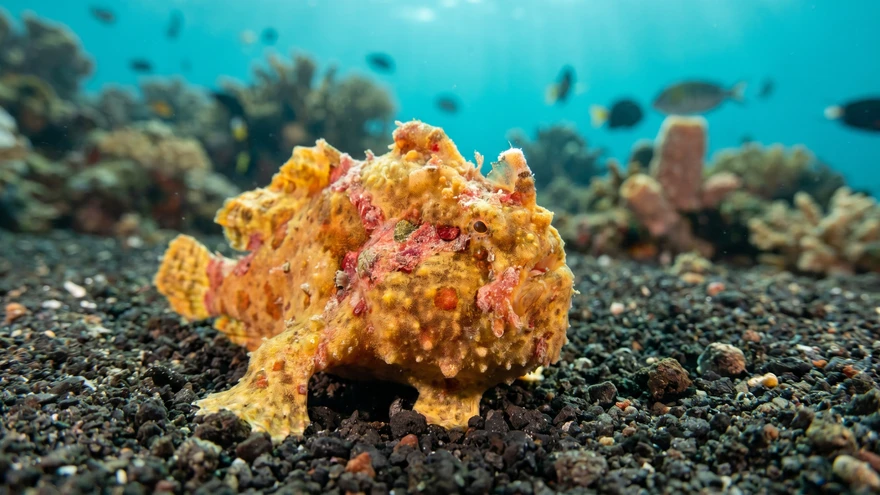
Top Dive Sites in St. Vincent
The western (leeward) side of St. Vincent holds the highest concentration of dive sites. Short boat rides, usually under 15 minutes, get you to these protected moorings.
Anchor Reef
This site ranks among the top dive spots globally for its dramatic topography and pristine condition. The wall is steep, plunging deep into the blue. Black coral formations are massive, creating intricate forests along the vertical drop. Gorgonians, giant barrel sponges, and vase sponges dominate the seascape. Schools of creole wrasse and chromis constantly swirl above the reef edge.
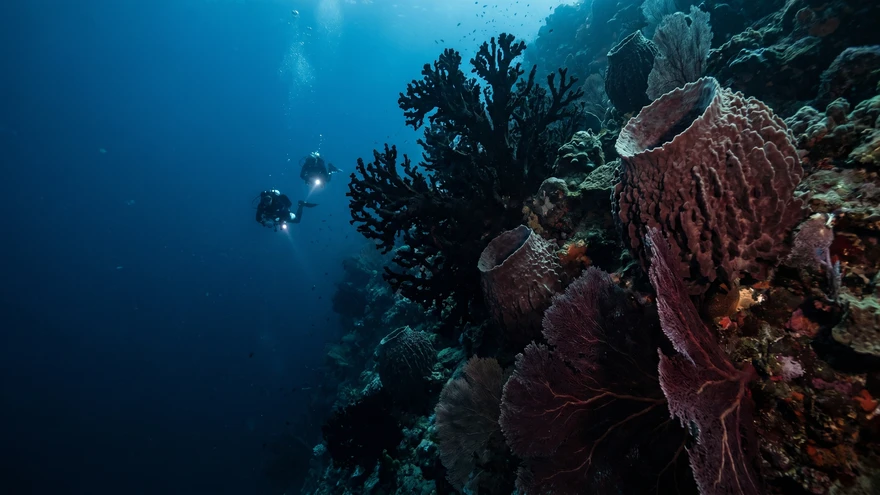
The Bat Cave
The Bat Cave offers an intense, adrenaline-pumping swim-through experience. The entrance is a narrow fissure in the volcanic rock, barely wide enough for two divers. Inside, the cavern is dark, with shafts of sunlight piercing through small cracks in the ceiling. The acoustics are fascinating, as you hear the distinct clicking and chattering of roosting bats above the surface while suspended underwater.
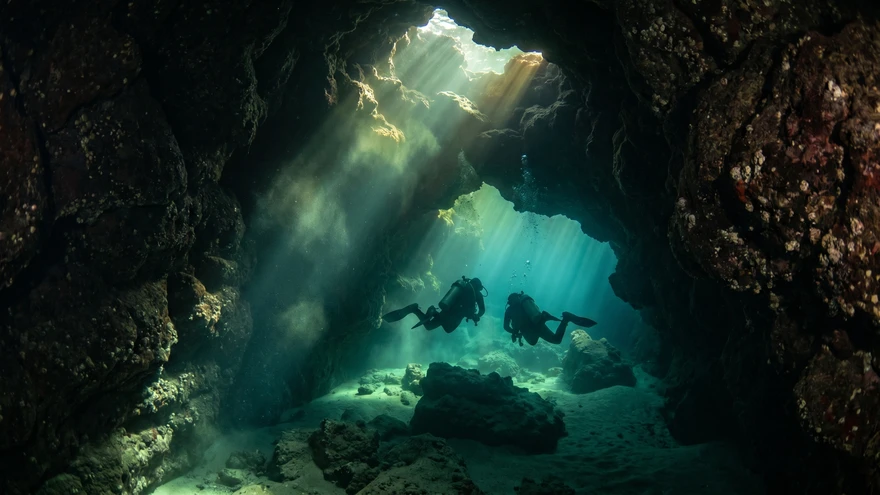
Critter Corner and Orca Point
These two sites are the absolute pinnacle of Caribbean muck diving. Orca Point, famous for being the "Treasure Cave" setting in the Pirates of the Caribbean film, features a shallow slope descending from 20 to 100 feet. The marine life here is exceptionally dense.
- Critter Corner: In just 25 feet of water, the bottom is alive with torpedo rays, flying gurnards, and jawfish.
- The Mooring Lines: Even the buoy ropes are miniature ecosystems, heavily encrusted with sponges and tiny crustaceans.
- Macro Subjects: Bumblebee shrimp and microscopic crabs hide out among the spines of sea urchins.
Diving the Grenadines: Clear Water and Pelagics
Heading south from St. Vincent, the environment shifts dramatically. The volcanic black sand gives way to brilliant white sand, altering the underwater ecosystem entirely. The Grenadines offer classic, high-visibility Caribbean diving.
Tobago Cays Marine Park
The Tobago Cays form a protected marine reserve famous for its vibrant, shallow coral gardens. The water is incredibly clear, often exceeding 100 feet of visibility. This area is a sanctuary for green sea turtles, which you regularly encounter grazing peacefully on the seagrass beds just a few meters below the surface. Eagle rays and nurse sharks frequent the sandy channels between the small islands. For those who prefer snorkeling alongside scuba, the Tobago Cays turtle experience warrants its own dedicated half-day.
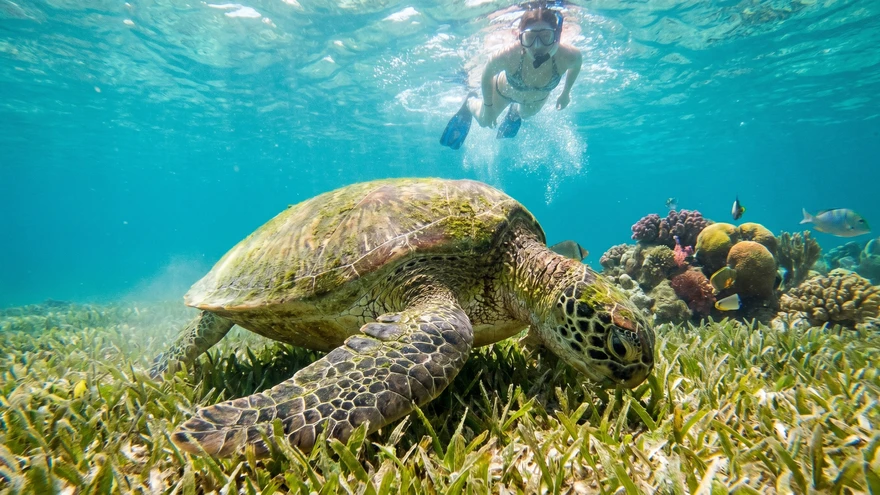
When to Dive: Seasonal Conditions
The dry season runs from December through May, providing the most stable surface conditions and the highest visibility. The seas are calm, making the boat rides between islands smooth.
Water temperatures remain highly comfortable year-round, hovering between 77°F and 88°F. However, a 3mm wetsuit is highly recommended, especially for St. Vincent. Muck diving requires long periods of near-total stillness near the bottom, which easily leads to feeling chilled after 60 minutes, even in tropical waters.
Choosing a Dive Operator
Navigating the dive scene in St. Vincent and the Grenadines requires specific expertise depending on your goals. The macro life in St. Vincent is notoriously difficult to spot.
- Local Knowledge: Ensure your St. Vincent operator specializes in macro photography and muck diving. Finding a thumbnail-sized frogfish without a highly trained local eye is nearly impossible.
- Liveaboards vs. Land-based: If your goal is to see both the critters of the north and the turtles of the Tobago Cays in one trip, a liveaboard is the most efficient logistical choice.
- Pace of the Boat: Confirm the operator's diving style. Macro photographers need slow, patient dives with long bottom times, not high-speed reef tours.