The Tobago Cays attract visitors who picture a deserted Caribbean escape, but the logistics of actually getting there trip up even seasoned travelers. Reaching this protected archipelago is entirely manageable using local water taxis - no yacht charter required - provided you know where to depart, what fees to bring in cash, and which patch of water puts you face-to-face with green sea turtles.
How to Get to Tobago Cays Without a Yacht
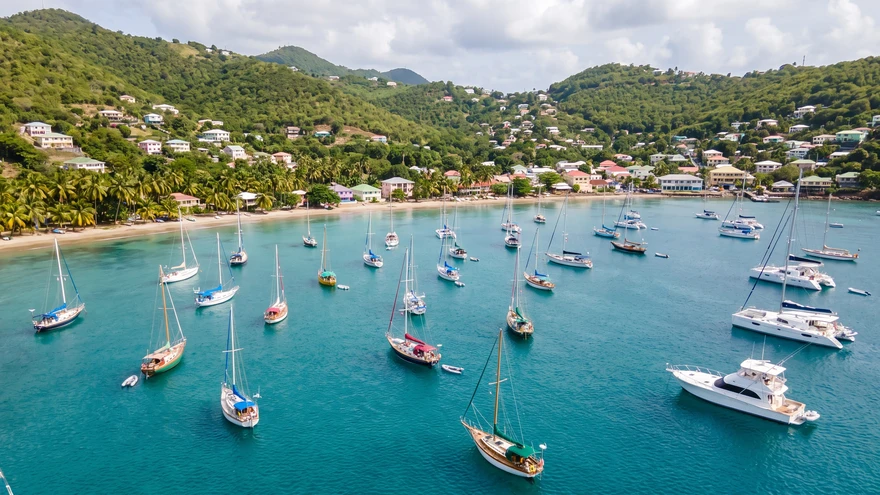
The most practical route to the marine park starts at Union Island or Mayreau. Local boat captains run water taxis from both hubs directly into the marine park. The crossing from Union Island takes roughly 30 minutes, though the open water becomes noticeably choppy during windy afternoons.
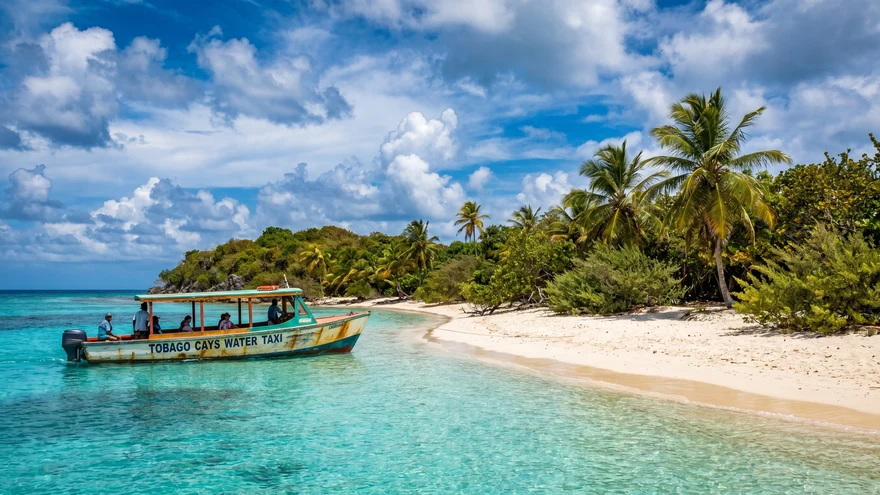
For travelers based further north, day tours departing from Bequia or Canouan offer a structured alternative. These catamaran excursions typically bundle transit with snorkeling gear rental and an on-board lunch. The trade-off is timing: large group tours arrive simultaneously, and the beaches on Petit Rameau can feel crowded during peak winter months.
Choosing a smaller water taxi gives you complete control over your own schedule and how long you stay at each spot.
Snorkeling with Sea Turtles at Baradal Island
The Baradal Turtle Sanctuary
Green sea turtles gather in large numbers off the western coast of Baradal Island, grazing on the dense seagrass meadows that carpet the shallow lagoon floor. The best entry point is the sandy beach on the southern tip of the island, where the water slopes gently into a buoy-marked swimming zone that bans all motorized boats.
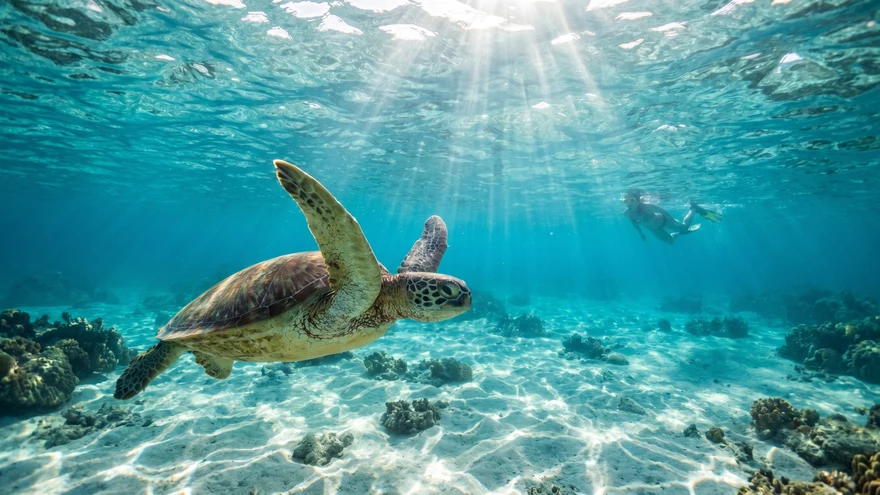
Depth in this zone ranges from six to twelve feet, and morning light provides the clearest underwater visibility. Turtles here are accustomed to snorkelers and will often rest on the sandy bottom or rise slowly to the surface to breathe just a few feet away.
Maintaining a distance of at least six to ten feet is mandatory. Human hands carry bacteria that can cause infections on a turtle's skin and shell. Chasing or splashing near a surfacing turtle disrupts its breathing cycle and forces it away from the feeding ground.
Exploring Horseshoe Reef
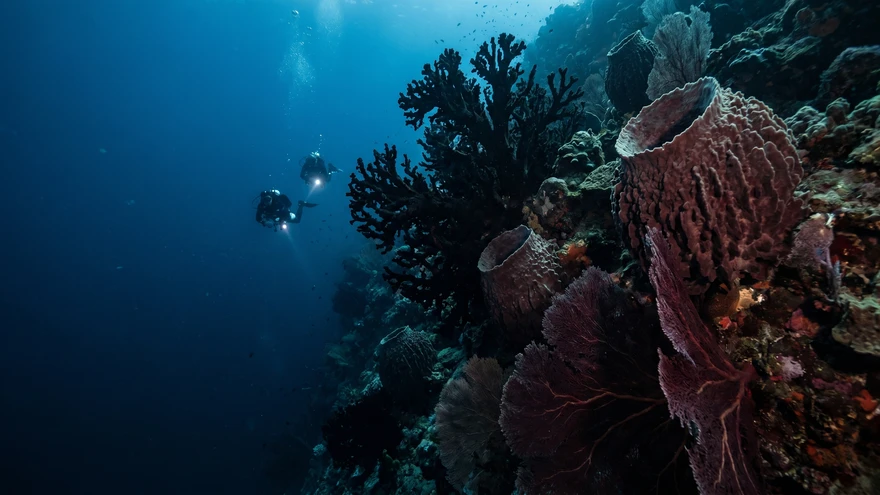
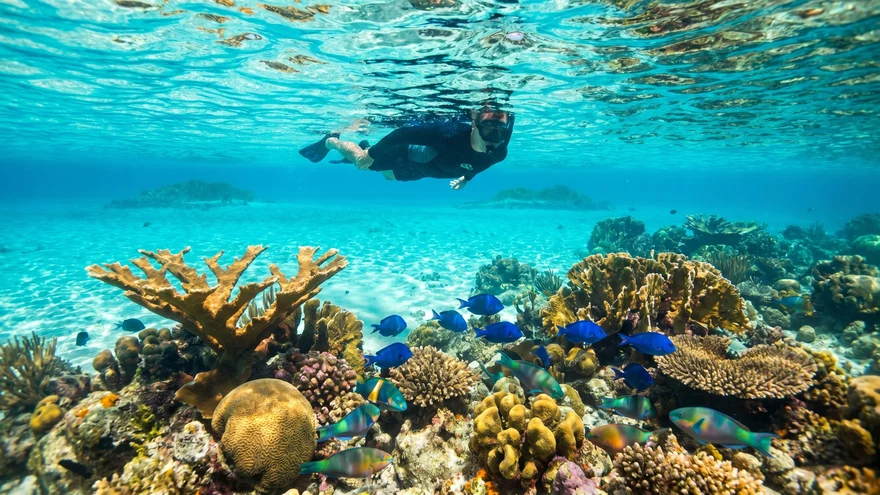
The large barrier reef known as Horseshoe Reef curves around four of the five cays, shielding the inner lagoon from Atlantic swells. Access requires jumping from a boat; swimming out from Baradal's shore is unsafe because of powerful open-ocean currents along the outer edge.
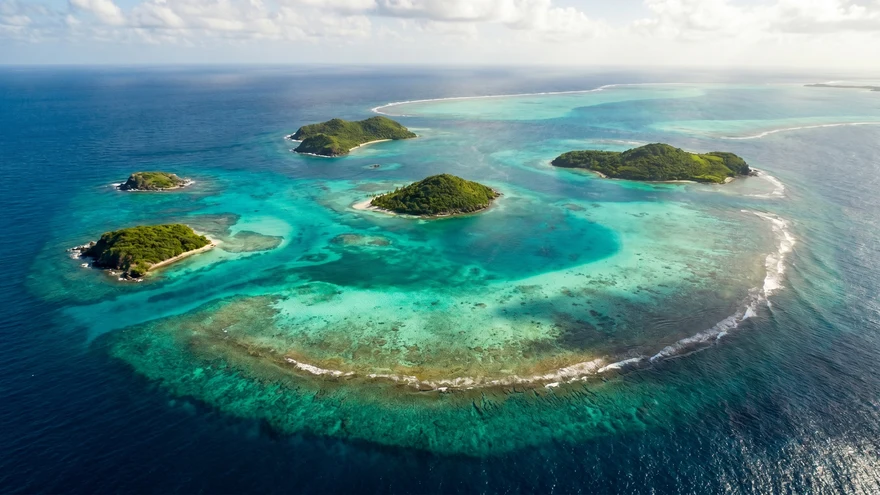
The reef's interior side features calm, shallow water over colonies of elkhorn coral and sea fans. Expect schools of blue tangs, parrotfish, and the occasional southern stingray resting in sandy pockets between coral heads.
Marine Park Fees and Conservation Rules
All visitors entering the Tobago Cays Marine Park pay a mandatory entrance fee of EC$10 per person (2026) directly to patrolling park rangers in cash. Sailors anchoring their own vessels face a separate fee of EC$60 per night on top of the visitor entry charge.
Securing a mooring buoy is strongly preferred over dropping an anchor. Anchor chains dragged across seagrass beds destroy the primary food source that draws turtles to this area in the first place.
Chemical sunscreens are prohibited inside the park. Standard sunscreen compounds bleach coral and pollute the enclosed lagoon. Pack only certified reef-safe, biodegradable sunscreen before you leave your accommodation.
Uninhabited Islands and the Beach BBQ
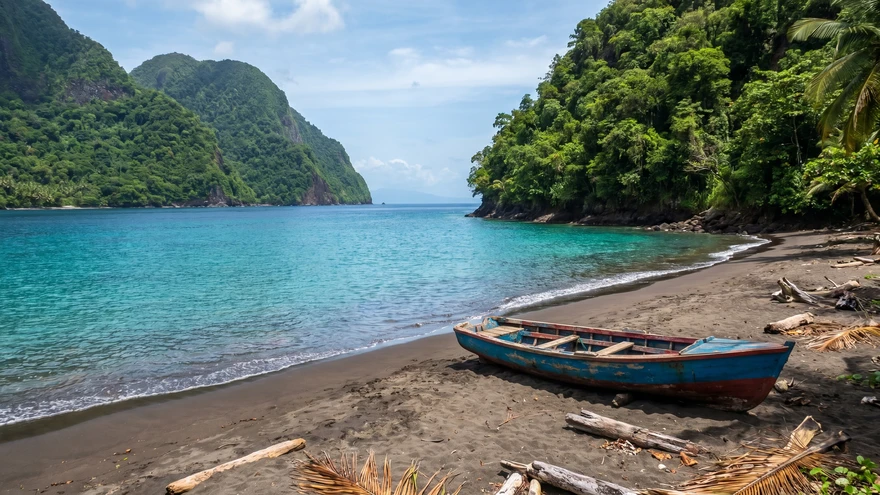
The five islands in the archipelago are Petit Bateau, Petit Rameau, Baradal, Jamesby, and Petit Tabac. Not one of them has permanent residents, hotels, shops, or running water.
Petit Tabac is recognizable as a filming location for major pirate films and offers a classic deserted-island landscape. Low coastal vegetation and resident iguana populations are about as far as the infrastructure goes.
Local boat captains organize beach barbecues nightly on the shores of Petit Rameau and Petit Bateau. Grilled lobster, rice, local vegetables, and banana bread are typical, and the food is genuinely good. A few practical notes before you sit down:
- Portions are typically a half-lobster per person, not a whole one.
- Prices reflect the remote offshore location.
- Cash only - Eastern Caribbean dollars or US dollars. No card terminals exist anywhere in the park.
For a similar snorkeling experience in a neighboring island destination, the Sandy Island, Carriacou day trip offers comparable clear-water conditions just to the south in Grenada. Travelers interested in other turtle encounters in the region may also want to read about leatherback turtle watching at Levera Beach on Grenada's northeast coast.
Best Time to Visit Tobago Cays
The dry season from December to May delivers the best combination of calm seas, stable winds, and peak underwater visibility. Turtles are active year-round in the sanctuary, though sources suggest sightings are most reliable between March and June when feeding activity peaks.
The summer and autumn months bring tropical rainfall, rough swells, and suspended sediment that clouds the water over Horseshoe Reef. Snorkeling conditions become unpredictable, and some water taxi operators scale back or suspend service during the most active weather periods.
For context on broader Eastern Caribbean island conditions and travel planning, the article on Grenada vs St. Lucia covers regional weather patterns and helps compare nearby destinations if you are building a multi-island itinerary.