Most travelers assume every shore in this country is a pristine white-sand paradise, only to book a mainland hotel and realize St. Vincent is actually a rugged volcanic island with jet-black shores. Understanding the dramatic geological split between the mainland and the lower islands is the only way to ensure you get the exact beach experience you are paying for.
| Region | Sand Type | Vibe & Water | Access & Facilities |
|---|---|---|---|
| St. Vincent (Mainland) | Black Volcanic / Dark Golden | Dramatic, local, deep water | Car, public transport. Showers: ~EC$5 |
| Bequia | Golden / White | Yacht-friendly, lively, calm | 1-hour ferry from Kingstown |
| Mayreau | Brilliant White | Remote, shallow coral reefs | Island-hopper boat |
| Mustique | Brilliant White | Exclusive, untamed Atlantic surf | Private charter or ferry |
St. Vincent's Black Volcanic Sand Beaches
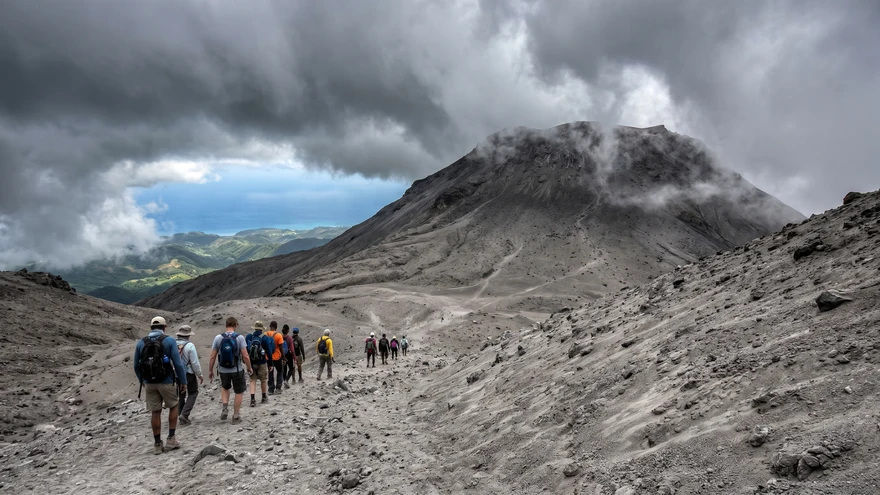
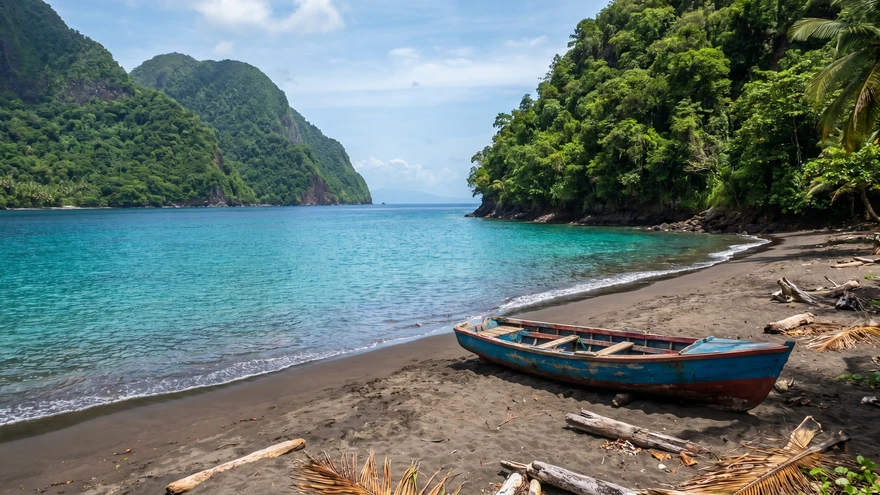
The mainland is dominated by the looming presence of La Soufrière volcano. This means the majority of the coastline consists of striking, iron-rich black sand that gets intensely hot under the midday sun. It is a dramatic landscape, very different from the standard Caribbean marketing brochure.
Buccament Bay
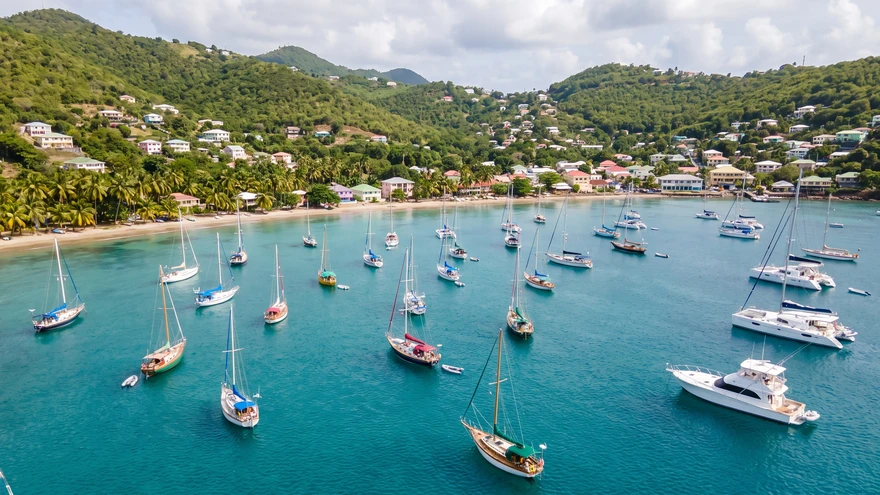
Located on the leeward (western) coast, the water here is exceptionally calm. The bay is framed by steep, lush green hills plunging directly into the ocean. There is a noticeable mix of sand colors here, as nearby resorts have occasionally imported white sand that naturally blends with the native dark shores over time. This makes it a highly swimmable spot with immediate access to resort amenities if you need a comfortable day out.
Villa Beach and Indian Bay
If you are staying near the capital, Kingstown, these two adjacent strips are the most accessible options. Indian Bay sits a 3.4-mile drive from the city center and keeps a rare patch of paler, golden sand on the mainland, though the seabed turns rocky in spots. Non-nationals pay EC$2 for restroom access and EC$5 for showers, and the beach has changing rooms, snack shacks, and free WiFi.
Indian Bay is noticeably larger than Villa Beach and has ample parking, so it is the easier call if you are driving. The snorkeling is the real draw here: clear, shallow water holds plenty of fish, and confident swimmers can cross to the small rock islet topped with a cross just offshore. Sea urchins blanket the rocky patches, so water shoes are essential rather than optional. The tide pushes in noticeably after about 2pm, so keep your belongings well up the sand.
Arriving from a cruise ship, a shared local taxi runs about US$2 for three people, and the beach is within walking distance of the port, so refuse the US$10 to US$20 fares some drivers quote.
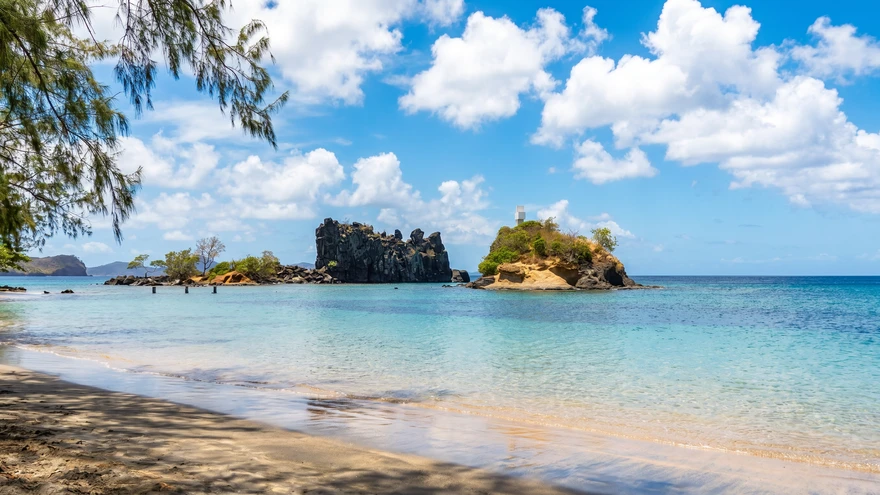
Villa Beach itself is a narrow strip of black sand directly across from Young Island, livelier than Indian Bay and better for swimming than snorkeling. A boardwalk now links the sand to a run of waterfront hotels and bars, pleasant for an evening stroll and sundowners, though the stretch east toward Mariners has missing planks and rotting boards in places. Parking is scarce, and several hotels front the beach, so you can use loungers free at spots like Paradise Beach Hotel if you order food or drinks.
Vendor loungers and umbrellas run steep at around US$25 to US$30 for a set, and claims that the price includes WiFi are often untrue, so confirm before paying. Broken glass turns up in the sand here, another reason to wear water shoes, and be wary of anyone demanding inflated repair fees for a collapsed rented sunbed. Public vans stop running in the early evening, so arrange a taxi ahead if you want to stay for the sunset.
The Grenadines: Pristine White Sand and Coral Reefs
Once you take a ferry or a small plane south of the mainland, the geology completely shifts. The Grenadine islands sit on coral limestone, providing the blindingly white, powdery sand and turquoise water clarity that most visitors originally envision.
Princess Margaret Beach, Bequia
A short, scenic walk along the Princess Margaret Trail from Port Elizabeth, or a quick water taxi ride, brings you to this sweeping curve of golden-white sand. The path hugs the shoreline barely above sea level and is only about a metre wide with a few steep up-and-down sections, but it is safe and the bay views make the effort worthwhile. Palm and shade trees line the back of the beach, and the water is deep enough for a proper swim just a few steps in. The lack of massive resort development keeps the shoreline pristine, though it fills up when cruise ships are in and yachts crowd Admiralty Bay offshore.
On a cruise day you can also reach the beach by taxi for around US$12 each way, which spares you the steep, narrow road if you would rather not walk.
Snorkeling straight off the sand is only average, but the rocky headlands at each end of the bay are where it comes alive, and the reef on the point separating Princess Margaret from neighbouring Lower Bay is genuinely spectacular. Expect plenty of fish and pockets of coral tucked into the rocks, and keep water shoes on for the sea urchins. The water deepens quickly here, so it suits confident swimmers more than small children, and an occasional swell can pick up. Keep an eye out for sea glass washed up along the sand.
The beach bars are half the appeal: Jack's Bar at one end is the spot for a sunset rum punch and a long lunch, while the Lions Den at the far end, the Bamboo Bar midway, and a string of local huts keep things laid-back and cheaper. Faye is a local institution for rum punch and also rents beach chairs, though loungers and umbrellas here are widely considered overpriced, so agree the cost before you sit down. Public facilities are limited and mostly tied to Jack's end of the beach, so plan accordingly.
Salt Whistle Bay, Mayreau
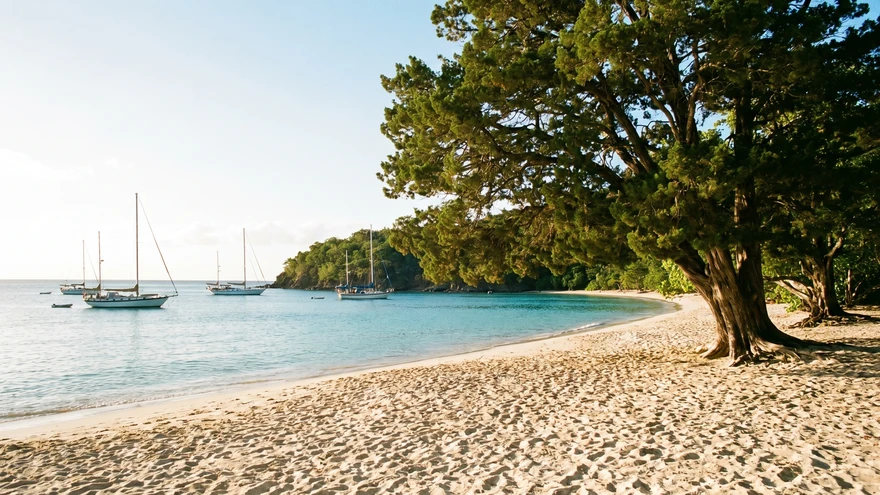
This is the geographical definition of a tropical bottleneck. A narrow strip of dazzling white sand separates the calm Caribbean Sea from the rougher Atlantic. The Caribbean side features incredibly shallow, glassy water, allowing you to walk out quite far before it reaches your waist. The wind dynamics here create a natural split; swimmers stay on the calm side, while kite surfers launch from the breezy Atlantic edge.
Macaroni Beach, Mustique
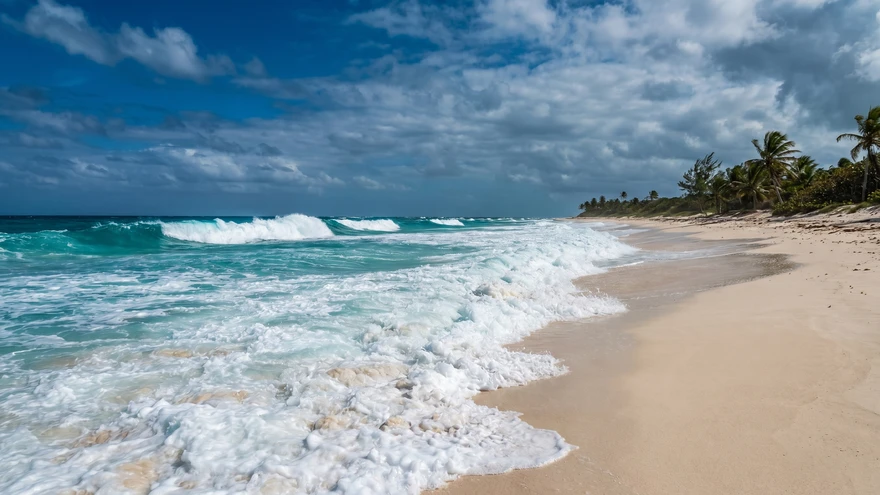
Mustique is a private island famous for extreme wealth, but Macaroni Beach retains a wild, untamed character. Unlike the sheltered leeward beaches, this shore faces the Atlantic Ocean. The sand is flawless, but the water features consistent, rolling waves. It is highly photogenic, yet the surf and undertow demand respect if you plan to actually swim.
Island-Hopping Logistics
Reaching the absolute best shores requires leaving the mainland. The public ferry from Kingstown to Bequia takes about an hour, and the channel crossing is notoriously choppy. Taking motion sickness medication 30 minutes before boarding is a practical necessity if you are sensitive to rough seas. Once on the smaller islands like Bequia or Mayreau, water taxis are the most efficient way to beach-hop between islands. Always agree on the return pickup time and the exact fare in East Caribbean Dollars (XCD) or US Dollars before stepping into the boat, as signal reception on remote beaches is often nonexistent.