Navigating a 32-island archipelago in the Caribbean requires a precise logistical strategy rather than just a plane ticket. Relying on patchy ferry schedules or expensive inter-island flights without prior planning quickly drains any travel budget. Mastering the transit routes early turns a frustrating logistical puzzle into a seamless island-hopping experience.
- Main Airport: Argyle International Airport (SVD) on St. Vincent.
- Currency: Eastern Caribbean Dollar (XCD). USD is widely accepted, but change is given in XCD.
- Visas: Visa-free for up to 6 months for UK, USA, Schengen, and CARICOM citizens.
- Daily Budget: $150-$200 USD for mid-range; luxury easily exceeds $500+
- Transport: Ferries connect the main populated islands; small charter planes handle the exclusive cays.
How to Get to St. Vincent
Flights to Argyle International Airport (SVD)
Getting to the mainland is the crucial first step for any itinerary. Argyle International Airport (SVD) handles all major international incoming traffic. Direct flights operate from Miami, New York, Toronto, and London, usually scaling up frequency during the winter high season. For the full rundown of direct routes and regional connections, see how to get to St. Vincent and the Grenadines.
If arriving from Europe or other continents, expect a layover in Barbados (BGI) or Trinidad. This is followed by a short regional hop via carriers like Caribbean Airlines or InterCaribbean. Always book the regional leg well in advance, as small propeller planes fill up weeks ahead of departure.
Entry Requirements and Visas
Entering the country involves straightforward border control for most nationalities. Travelers from the US, UK, Schengen area, and CARICOM nations enjoy visa-free entry for up to 6 months. Citizens from other eligible nations receive a 3-month stamp upon arrival. For the complete visa and passport rulebook, see Saint Vincent and the Grenadines entry requirements.
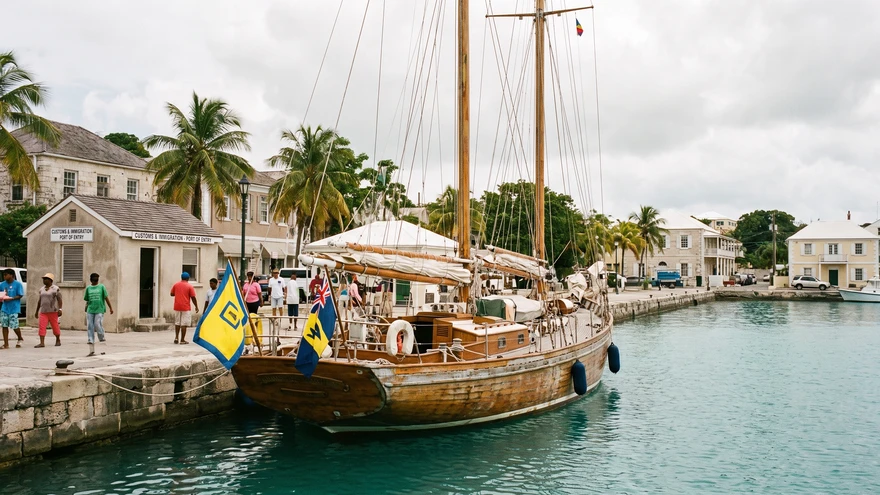
Ensure your passport remains valid for at least 6 months beyond your departure date. If arriving by sailboat or yacht, customs clearance at designated ports of entry, such as Kingstown or Wallilabou, is mandatory and carries a nominal entry fee.
Best Time to Visit St. Vincent and the Grenadines
Weather, Hurricane Season, and Vincy Mas
Timing dictates the entire pacing and cost of the trip. The absolute prime weather window runs from December to April, bringing dry days and steady trade winds. This peak season commands the highest accommodation and flight rates across the islands. Shoulder season, encompassing May and November, offers a brilliant compromise with lowered prices and manageable heat. For an exact month-by-month breakdown, see the best time to visit St. Vincent and the Grenadines.
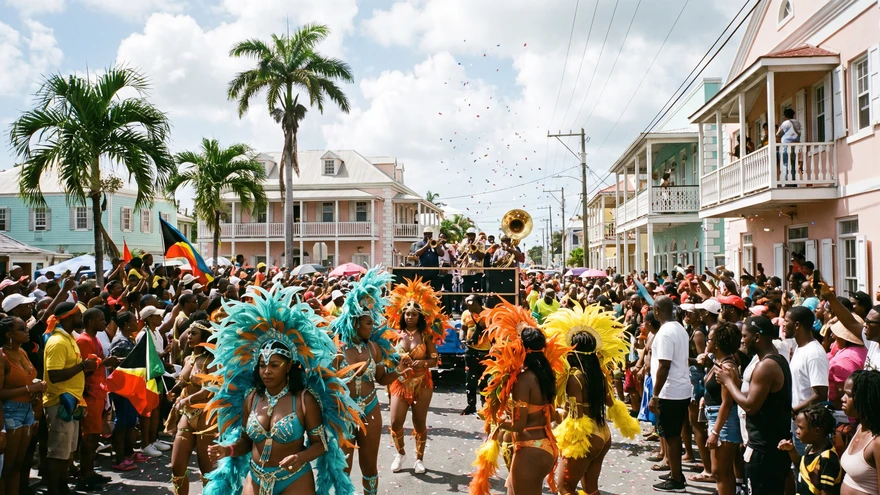
June to October marks the official hurricane season. While severe direct hits are less frequent here than in the northern Caribbean, heavy tropical downpours and unpredictable ferry cancellations occur regularly. Planning a trip around late June or early July means encountering Vincy Mas, the vibrant national carnival. Accommodation during this period vanishes fast, making early reservations non-negotiable.
Travel Budget Snapshot
Costs fluctuate wildly depending on which island you step on. The mainland (St. Vincent) and Bequia offer reasonable guesthouses and local eateries where a filling meal of roasted breadfruit and fried jackfish costs under $10 USD. Moving south toward Mustique or Canouan dramatically shifts the financial landscape into ultra-luxury territory. For exact daily cost breakdowns across every island tier, see is St. Vincent and the Grenadines expensive.
- Budget Travelers: $80-$120 USD per day. Stick to guesthouses, local ferries, and street food.
- Mid-Range: $200-$350 USD per day. Boutique hotels, occasional internal flights, and sit-down dinners.
- Luxury: $800+ USD per day. Private resorts, water taxis, and high-end dining.
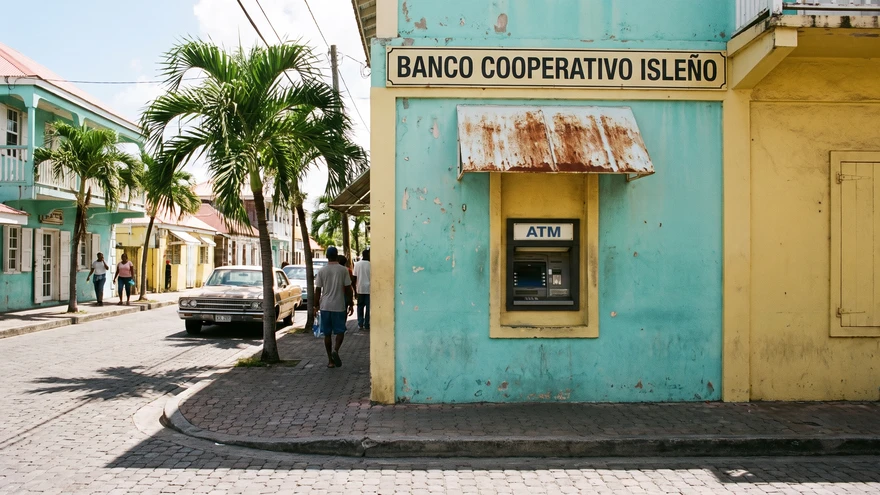
Keep plenty of Eastern Caribbean Dollars on hand. ATMs outside the main hubs frequently run out of cash or reject foreign cards without warning.
Island Hopping in the Grenadines: Where to Go
Ferries are the lifeblood of the Grenadines, operating primarily out of Kingstown. The MV Admiralty and Bequia Express handle the northern routes, while the Jaden Sun fast ferry connects the southern cays. Here is a breakdown of the hubs to structure an efficient itinerary:
St. Vincent (The Mainland & La Soufrière)
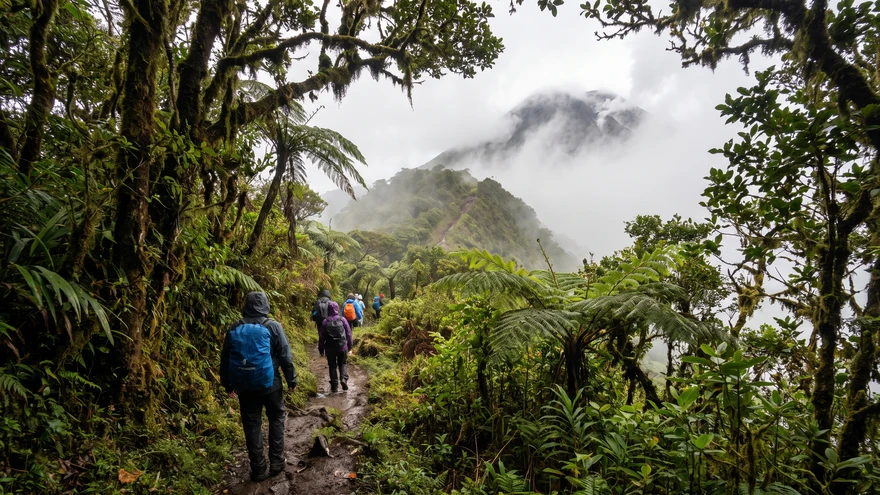
The largest landmass, dominated by raw volcanic terrain and dense rainforests. Here, the focus shifts entirely to rugged exploration rather than manicured resorts. La Soufrière volcano rewards serious stamina, and hiking to its smoking summit crater means climbing to roughly 1,234 meters above sea level.
Public transport via local minivans provides a chaotic, fast-paced way to reach trailheads and black sand beaches along the Leeward coast. Wallilabou Bay, famous for its cinematic history as a filming location for the Pirates of the Caribbean franchise, sits quietly on this western edge.
Bequia
Just an hour-long ferry ride from Kingstown, Bequia strikes a flawless balance between local charm and traveler infrastructure. Bright white beaches, low-key beach bars, and a deeply rooted sailing community define the atmosphere. The Mount Peggy trail offers a steep but rewarding vantage point over the entire island. It serves as the most accessible and budget-friendly introduction to the Grenadines.
Mustique
Manicured lawns, private villas, and high-profile exclusivity define Mustique. The island caters to a specific, high-net-worth demographic. Arriving independently requires chartering a flight or a private boat, as standard public ferries do not dock here. Strict island rules limit access to certain beaches and areas for non-residents.
Union Island & Tobago Cays
Union Island acts as the southern operational hub. The steep peaks and bustling harbor create a lively base for further exploration. From here, securing a catamaran or local water taxi to the Tobago Cays is effortless.
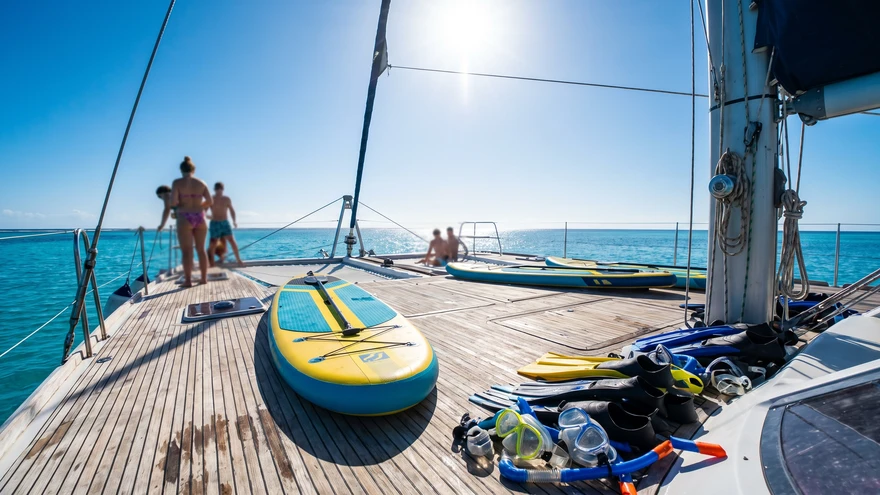
The Cays themselves consist of uninhabited islets surrounded by a massive horseshoe reef. Snorkeling alongside green sea turtles in crystal-clear water remains the undisputed highlight of the region.
Canouan, Mayreau, and Other Cays
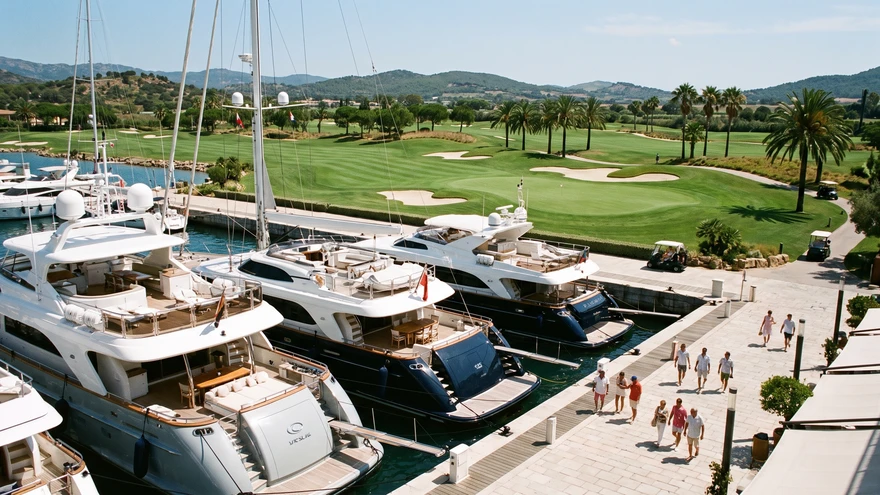
Mayreau is the smallest inhabited island, accessible only by boat. Total grid-disconnected isolation and the stunning Salt Whistle Bay await those who make the trip. Canouan, conversely, features an expanding mega-yacht marina and luxury golf courses. Tailor your route based on whether absolute quiet or high-end amenities take priority.