Smith's Cove, also known as Smith Barcadere, is one of Grand Cayman's best-kept secrets for shore snorkeling. Tucked along South Church Street just south of George Town, this small limestone cove offers free access, strong facilities, and reef life that starts just yards from the sand. If you are visiting on a cruise or planning a beach day away from Seven Mile Beach, this is one stop worth prioritizing.
What to Expect at Smith Barcadere
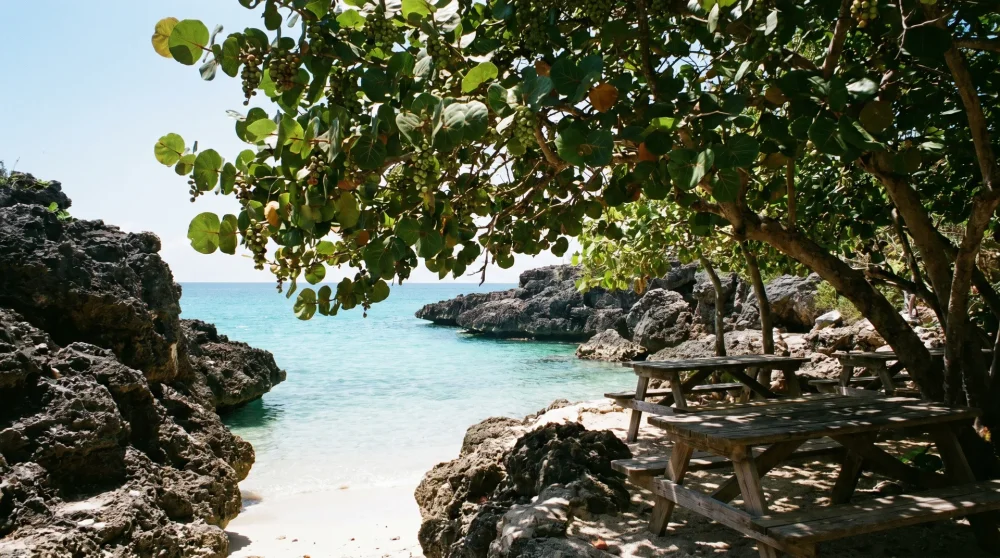
The layout of the cove features two distinct sandy entrances flanked by rugged limestone formations known as ironshore. The sand here is slightly coarse and mixed with broken coral, feeling quite different from the powdery stretches found on the west coast. Thick sea grape trees line the back of the beach, providing ample natural shade and a comfortable spot to lay down a towel. The water stays shallow for several meters, creating a calm, pool-like environment that works well for a relaxed swim.
The beach prohibits loud music, which keeps the atmosphere genuinely peaceful. On weekdays it functions as a quiet local escape. Families with young children use the shallow entry area regularly, and the lack of boat traffic makes the whole cove feel safe compared to more crowded swimming spots on the island.
Best Snorkeling Spots in the Cove
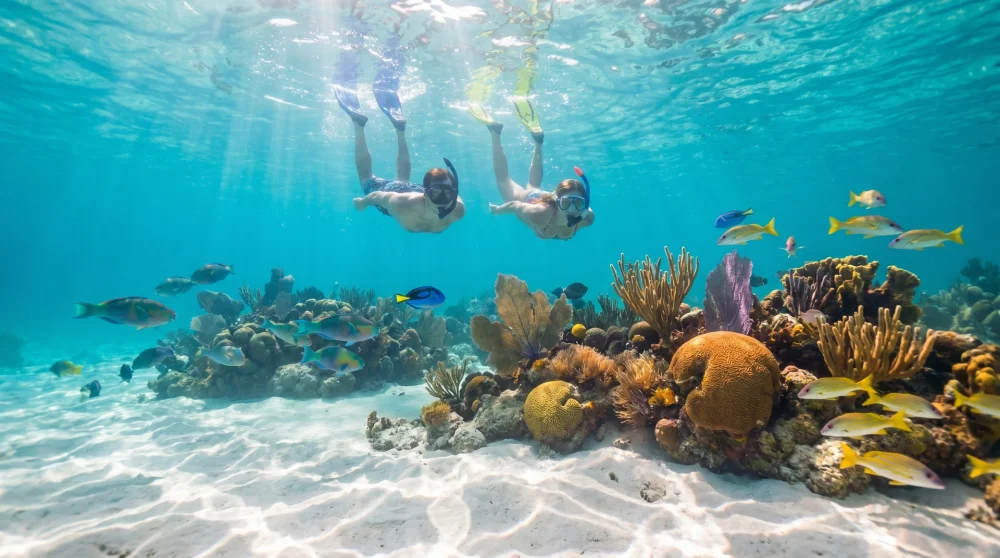
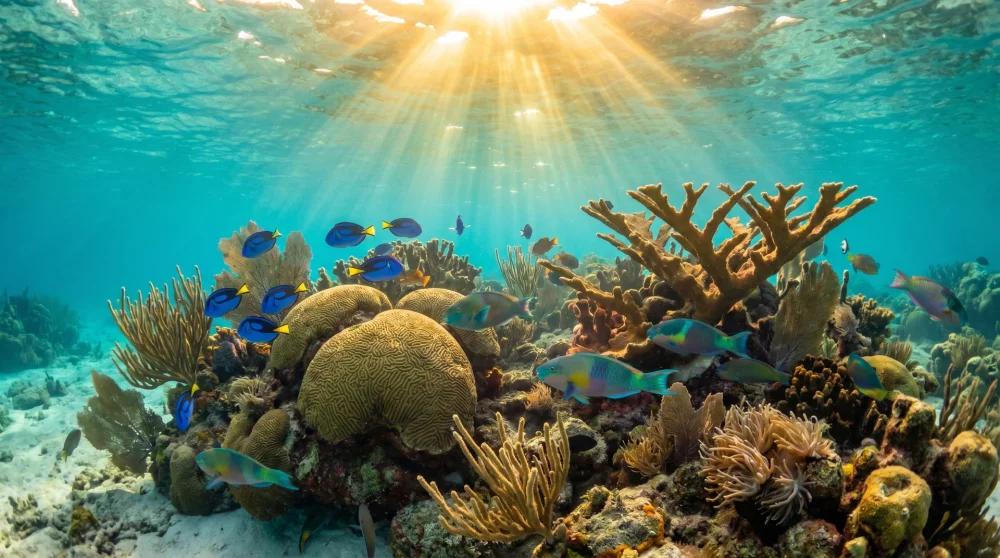
Snorkeling here stands out because the reef structure begins just a few yards from the shoreline. You do not need to swim out into deep or intimidating water to find vibrant marine life. Entry-level snorkelers and kids can spot fish close to shore, while more experienced swimmers can push slightly further out to deeper coral heads.
The main coral area sits at roughly 8 to 10 feet deep, and you can reach it from the beach in about one minute of steady swimming. Water entry starts at 2 to 3 feet where you can stand, so there is no uncomfortable deep-water entry.
For context on how this spot compares to others across the island, the full snorkeling guide for Grand Cayman covers the complete picture.
Marine Life and Coral Formations
The calm waters near the rocks harbor dense schools of tropical fish right beneath the surface. Expect to see colorful parrotfish, sergeant majors, blue tangs, and the occasional peacock flounder blending into the sandy bottom. Swimming slightly further out reveals deeper coral heads where you might spot an octopus, sea turtles, or resting nurse sharks. The lack of heavy boat traffic and marked buoys makes this area safe for focused underwater exploration.
Beware of Sea Urchins
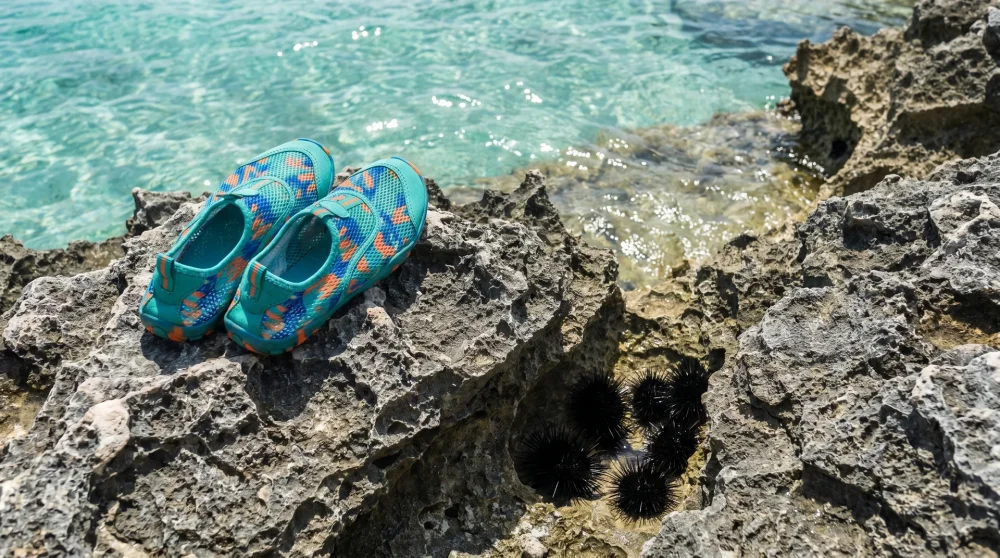
The ironshore edges are highly photogenic but hide a specific hazard. Hundreds of black sea urchins nestle in the dark crevices just below the waterline. Stepping blindly off the rocks or kicking too close to the underwater ledges can result in a painful encounter. Always wear hard-soled water shoes when navigating the rocky entries and maintain a safe visual distance from the limestone walls while snorkeling.
Cliff Jumping from the Ironshore
The natural rock ledges offer a straightforward opportunity for a quick drop into the Caribbean Sea. The main jumping rock sits about 6 to 10 feet above the water, fluctuating slightly depending on the tide. The water directly beneath this point is deep enough for a safe landing, but always verify the depth yourself and check for submerged rocks before making a jump. It is a popular activity, so wait your turn and ensure the landing zone is completely clear of other swimmers and snorkelers.
Amenities: Parking, Showers, and Shade
Unlike many secluded spots on the island, this beach is fully equipped for a long afternoon without forcing you to rough it.
Parking: A dedicated free parking lot sits right across the street, alongside a few additional roadside spaces. Spaces can fill up fast on weekends, so arriving early is worth it. Use the crosswalk, as traffic can move surprisingly fast along South Church Street.
Restrooms: Well-maintained public toilets and changing rooms are available on-site at no cost.
Showers: Fresh outdoor rinse stations make it easy to wash off salt and sand before getting back into your rental car.
Picnic Areas: Several wooden benches and picnic tables sit under heavy shade from the trees, keeping you out of direct sun.
Entry Fee: Free for everyone. No admission charge, no parking fee.
How to Get to Smith Cove from George Town
Reaching the beach is straightforward from the main port area. A taxi takes only a few minutes from George Town's cruise terminal and is the most efficient method if you are not renting a car. If you have a rental, the drive south along the coastline is scenic and easy to navigate. Walking is technically possible, but the lack of consistent sidewalks along South Church Street makes it uncomfortable and hot under the midday sun.
If you are planning your cruise day stop alongside other coastal locations, the Grand Cayman cruise day guide covers how to sequence your time effectively. For transport options from the port, getting around Grand Cayman outlines taxis, the CI:GO app, and car rental logistics.
Things to Know Before You Go
A few local quirks will affect how you pack and plan for the day.
No Food Vendors: There are no restaurants, cafes, or snack shacks on the beach. Pack a cooler with all the water and food you need for the day. An occasional ice cream truck visits the parking area, but you cannot rely on it.
Aggressive Beach Chickens: Free-roaming chickens patrol the sand looking for unattended food. Keep snacks tightly sealed and stored inside your bags.
Weekend Crowds: Sundays transform the cove into a bustling local gathering spot, complete with large family barbecues. Visiting on a weekday morning delivers a much quieter experience. Scheduling around cruise ship arrivals also helps, as the cove sees noticeably fewer visitors on non-ship days.
Weather Warnings: During strong northwesterly winds, known locally as Norwesters, the water turns rough and murky. Snorkeling becomes impossible and swimming near the rocks gets dangerous under those conditions. If you want to understand the broader seasonal picture before booking, the best time to visit the Cayman Islands article covers wind patterns and crowd cycles in detail.
What to Pack: Water shoes are non-negotiable. Beyond that, the Cayman Islands packing list covers everything from reef-safe sunscreen to snorkel gear rental versus bringing your own.
If you want to compare this with the reef access at Seven Mile Beach, the Seven Mile Beach snorkeling guide breaks down entry points and what to expect on each stretch.