Timing a Cayman Islands trip is not just about weather. The difference between visiting in January versus September is the difference between booking a dive charter six months out or walking on board same-day, and between paying peak resort rates or finding the same room for substantially less. Knowing which windows deliver which trade-offs makes the planning process far less stressful.
- Best overall weather: December to April (Dry air, low humidity, calm sea conditions)
- Smartest budget months: May and November (Noticeably lower hotel rates, manageable rain)
- Hurricane risk zone: June to October (High storm probability, cheapest accommodation)
- Peak crowd period: Mid-December to mid-April (Advance restaurant and tour reservations strictly required)
- Water temperature: Consistently warm year-round (Ideal for diving regardless of the month)
Decoding the Cayman Islands Weather by Season
The Caribbean climate dictates everything from hotel availability to underwater visibility.
High Season (December-April): Perfect Skies, Premium Prices
The humidity drops significantly, leaving behind crisp air and calm waters perfect for long beach days. Rain becomes incredibly rare during these winter months. You get endless sunshine, making it the safest bet for outdoor activities.
Expect packed beaches, fully booked diving charters, and premium rates at every resort. The island operates at maximum capacity. Book your hotel months in advance if you plan to visit during these peak months.
Shoulder Season (May and November): The Smart Traveler's Choice
These brief transition windows offer the ultimate sweet spot for savvy planners. You avoid the intense winter crowds while securing significantly lower room rates.
Rain showers occur, but they usually pass quickly in the late afternoon. The water remains perfectly clear for snorkeling. Securing a table at high-end restaurants becomes much easier without the winter rush.
Low Season (June-October): Hurricane Risks and Budget Deals
Heavy afternoon downpours become the daily norm, keeping the casual sunbathers away. The humidity levels spike, making midday walks quite uncomfortable.
Hotels and dive shops slash their prices drastically to attract visitors. This period demands a flexible itinerary and comprehensive travel insurance. You can find incredible luxury resort deals if you are willing to risk a few rainy days. Use a Compare hotel prices platform to spot the deepest low-season discounts before they sell out.
When is the Hurricane Season in Grand Cayman?
Official records place the Atlantic hurricane season between early June and late November. Historically, the islands experience the highest storm activity during September and October. The infrastructure handles bad weather well, but flight cancellations remain a real threat.
Check the local meteorological updates constantly before packing your bags. Securing proper trip cancellation insurance mitigates financial risks during these unpredictable months.
Best Time for Specific Experiences
Your daily plans should align with nature's calendar to maximize specific island activities.
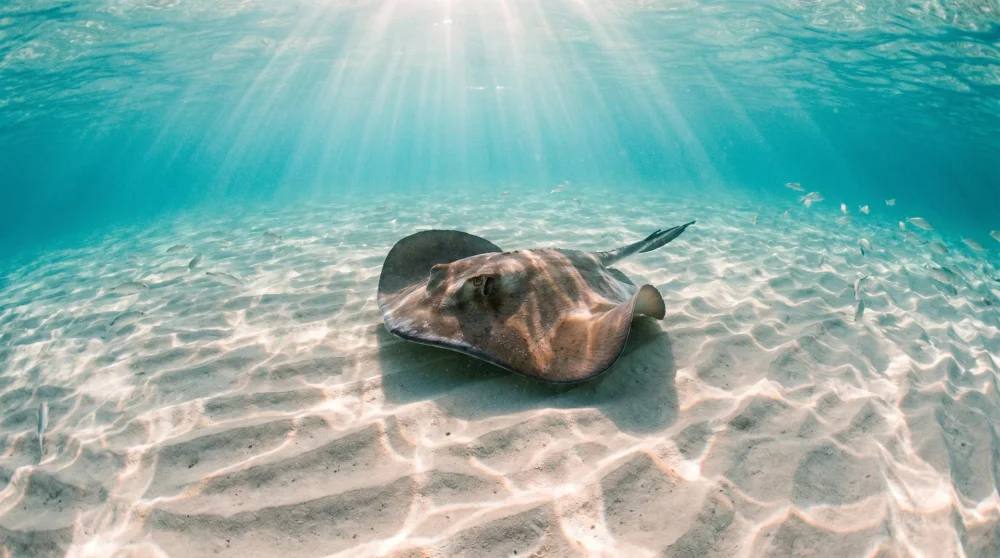
Diving at Stingray City Without the Crowds
Stingray City turns into a chaotic parking lot of cruise ships during the winter peak. Up to a dozen boats anchor at the sandbar simultaneously.
Target late May or early November for morning dive sessions. The water remains incredibly clear, and the stingrays are far more relaxed with fewer snorkelers around. You actually get space to swim and take unobstructed photographs. Pairing this with a visit to Seven Mile Beach during the same trip makes for an unhurried, rewarding day.
Wildlife Spotting: Turtle Nesting and Blue Iguanas
Green sea turtles begin their nesting process along the quiet beaches from May through September. Nighttime observation requires a guided tour to avoid disturbing the nests.
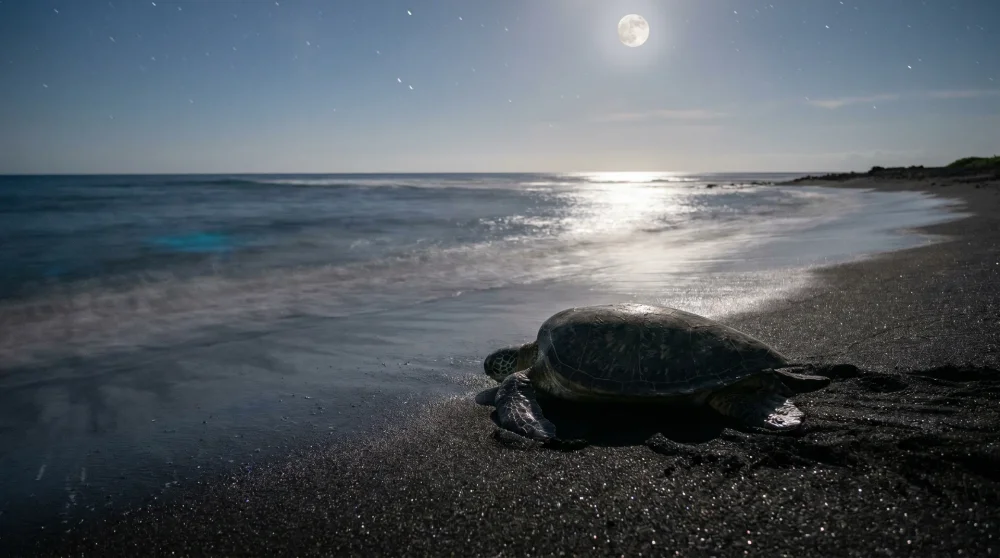
The famous Blue Iguanas are active year-round in the botanic parks. Visiting the Cayman Islands during the warmer summer months increases your chances of spotting turtle hatchlings making their way to the ocean.
Month-by-Month Price and Crowd Guide
December to February brings the highest density of tourists and the steepest accommodation costs. Finding an empty spot on Seven Mile Beach requires arriving very early in the morning.
March and April maintain the crowds due to spring break travelers. Dive operators run multiple trips daily, so advance booking is non-negotiable.
May initiates the price drop, creating a comfortable environment for budget-conscious explorers. The cruise ship traffic slows down considerably.
June through October offers the cheapest rates across the board, offset by high humidity and rain. Resorts often use this quiet time for renovations.
November slowly rebuilds the crowd levels as the threat of major storms fades away. Prices begin their upward climb just before the Thanksgiving holiday rush.