Bringing a standard chemical sunscreen or a hard-shell suitcase on your island-hopping flight will disrupt your trip before you even reach the beach. Navigating local conservation expectations and small-plane logistics requires a highly specific packing strategy that goes far beyond basic swimsuits.
- Currency: Cayman Islands Dollar (KYD) and US Dollar (USD) accepted everywhere.
- Power Outlets: Type A and B (Standard North American 120V).
- Sunscreen: Mineral-based, reef-safe formulas are strongly recommended and required by most tour operators.
- Inter-Island Flights: Cayman Airways Express strictly requires soft-sided luggage.
- Driving: Left side of the road.
Essential Travel Documents and Currency
Handling cash on the islands is straightforward but requires a little tactical planning. You do not need to exchange your money into Cayman Islands Dollars (KYD) before arriving. US Dollars (USD) are accepted at nearly every restaurant, taxi, and local market across the territory.
Vendors will usually give your change back in local currency. Carrying smaller denominations prevents you from ending up with a stack of foreign bills at the end of your trip. Keeping your travel documents and cash in a waterproof pouch is a simple step that saves a lot of headaches during boat excursions.
For a full breakdown of how the two currencies interact day-to-day, see the Cayman Islands currency and USD guide.
Ocean and Beach Essentials
Reef-Safe Sunscreen: A Practical Requirement
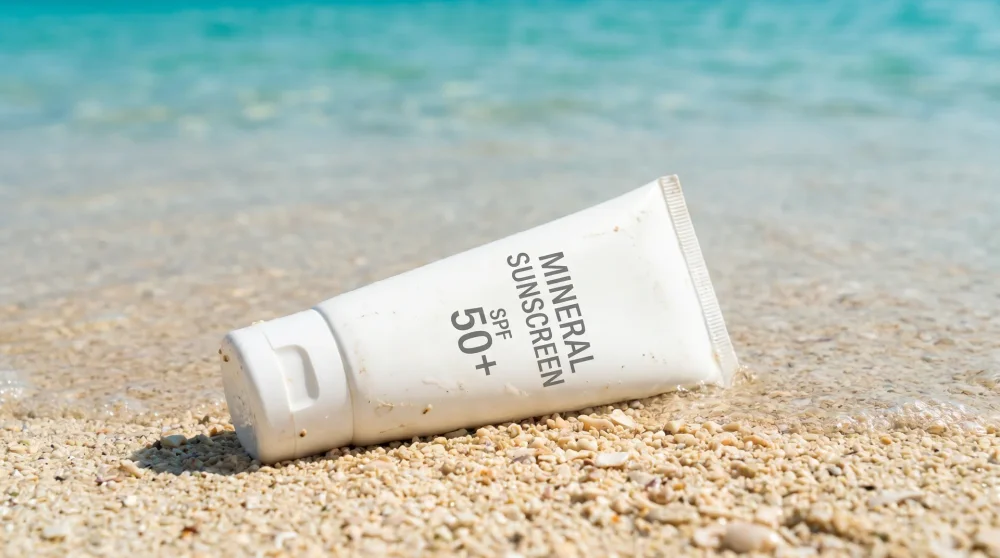
The local government and conservation groups strongly encourage the use of mineral-based sunscreens to protect the delicate coral ecosystems. Traditional chemical sunscreens containing oxybenzone and octinoxate are harmful to marine life, and most licensed boat tour operators and snorkel excursion companies require guests to use mineral-based options containing zinc oxide or titanium dioxide before entering the water.
Finding these specific formulations on the island is easy, but bringing your own saves time. If you are traveling as part of a diving or snorkeling group, check with your operator in advance as some enforce this as a strict condition of boarding.
Footwear: Water Shoes vs. Barefoot Zones
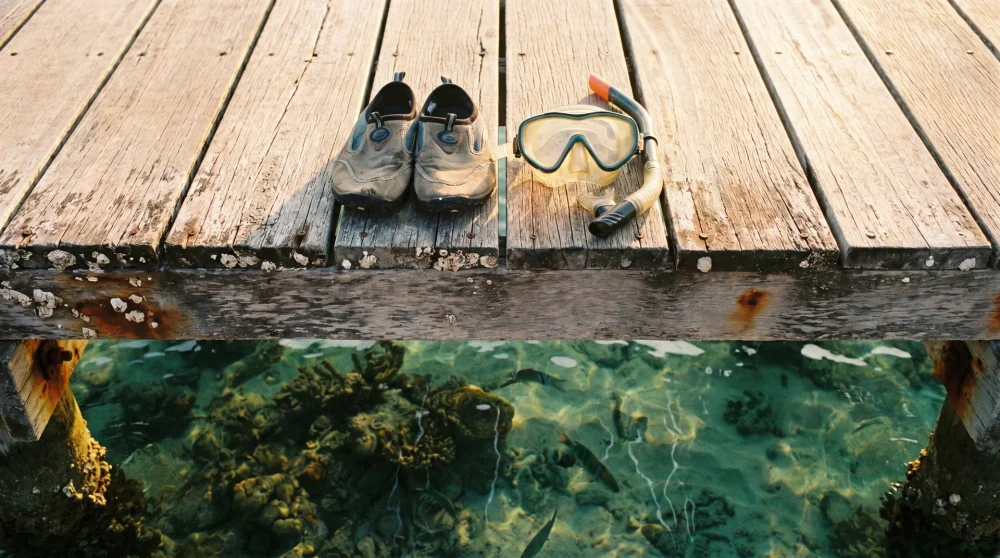
Beach terrain varies drastically depending on which side of the island you explore. A sturdy pair of water shoes is essential for spots like Smith's Barcadere, where sharp limestone and coral fragments line the water's edge. They protect your feet from intense heat and craggy rocks.
However, the rules flip when you head out on the water. Famous excursions like Stingray City strictly prohibit any form of footwear, including water shoes and fins. You must enter the water entirely barefoot to ensure the stingrays remain unharmed. Knowing these specific rules prevents awkward moments on the boat.
Clothing Strategy for the Tropical Climate
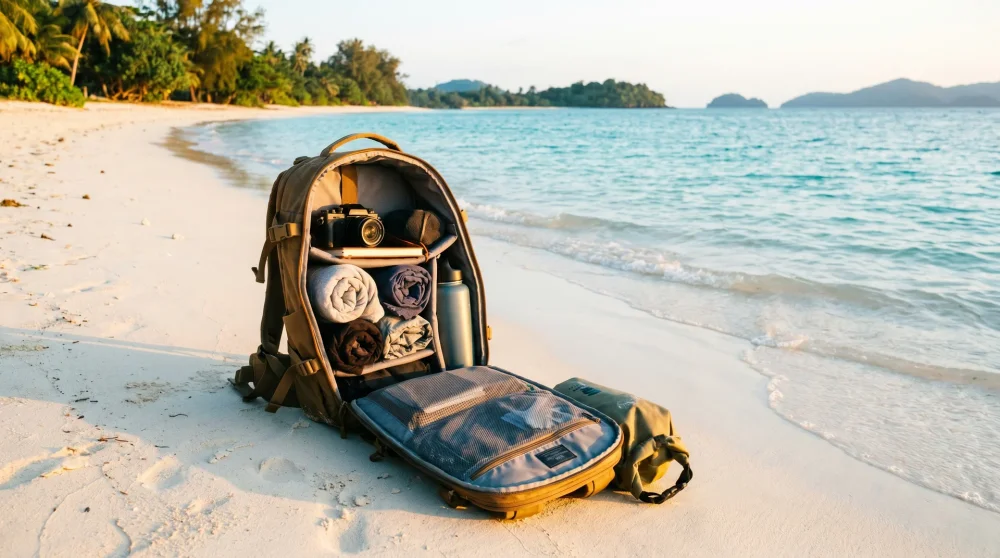
The tropical heat is constant and humidity stays remarkably high year-round. Packing heavy cotton or thick denim will only make you uncomfortable. Focus on lightweight, quick-dry fabrics like nylon blends that transition easily from a morning dive to an afternoon lunch.
Most beachside venues maintain a relaxed dress code. Throwing a simple cover-up or sarong over your swimsuit is perfectly acceptable for daytime dining. Swimwear is restricted to beach and pool areas at all dining spots. If you plan to spend your evenings in George Town, bring a few smart-casual options like breathable linen pants or polo shirts. Upscale restaurants near the harbour expect collared shirts and closed shoes.
Tech and Electronics: Protecting Gear from Salt and Sand
Saltwater and fine Caribbean sand are brutal on unprotected electronics. A heavy-duty dry bag with a 5 to 10-liter capacity is the most valuable piece of gear you can bring on a boat charter. It keeps your phone, camera, and dry clothes completely secure against sudden ocean spray.
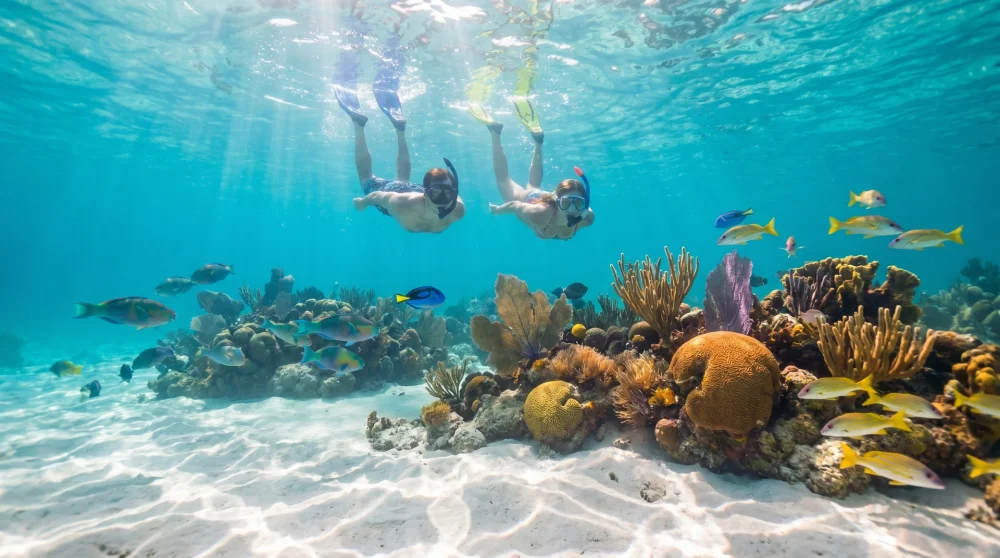
Visibility in these waters is world-class. Packing an underwater camera or a reliable waterproof phone case lets you capture sea turtles and coral formations without risking your primary devices. Bring a high-capacity power bank, as taking photos all day drains batteries fast.
The islands use standard North American Type A and B outlets at 120V, so US and Canadian visitors need no adapter. Travelers from Europe or Asia will need a flat-blade plug adapter. For mobile connectivity, picking up an ESIM for Cayman Islands before departure means you land with an active data connection and avoid expensive roaming fees.
Island Hopping: Packing Rules for Little Cayman and Cayman Brac
Exploring the sister islands adds a completely different dimension to your trip, but the logistics change significantly. These remote spots are serviced by small Twin Otter planes operated by Cayman Airways Express. Space is extremely limited and strict baggage restrictions apply.
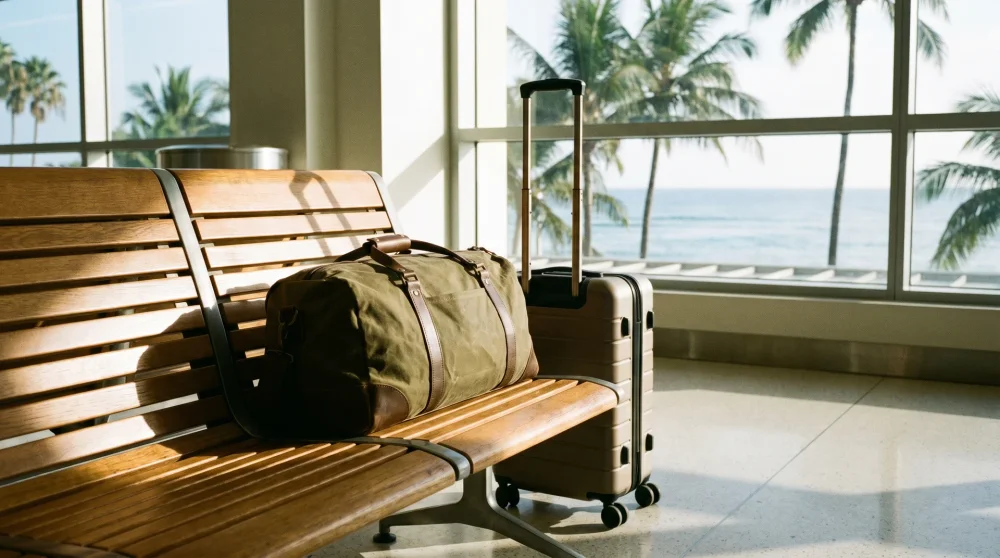
You must leave bulky, hard-shell suitcases behind. Pack your gear in small, soft-sided luggage or duffel bags that can easily squeeze into the aircraft's compact cargo hold. Compression packing cubes make organizing these smaller bags much easier and maximize every inch of space. Bring everything you need for the day, as local shops on the smaller islands have highly limited inventory.
For detailed baggage weight limits and booking tips, the inter-island flights guide covers the full logistics of traveling between Grand Cayman, Little Cayman, and Cayman Brac.