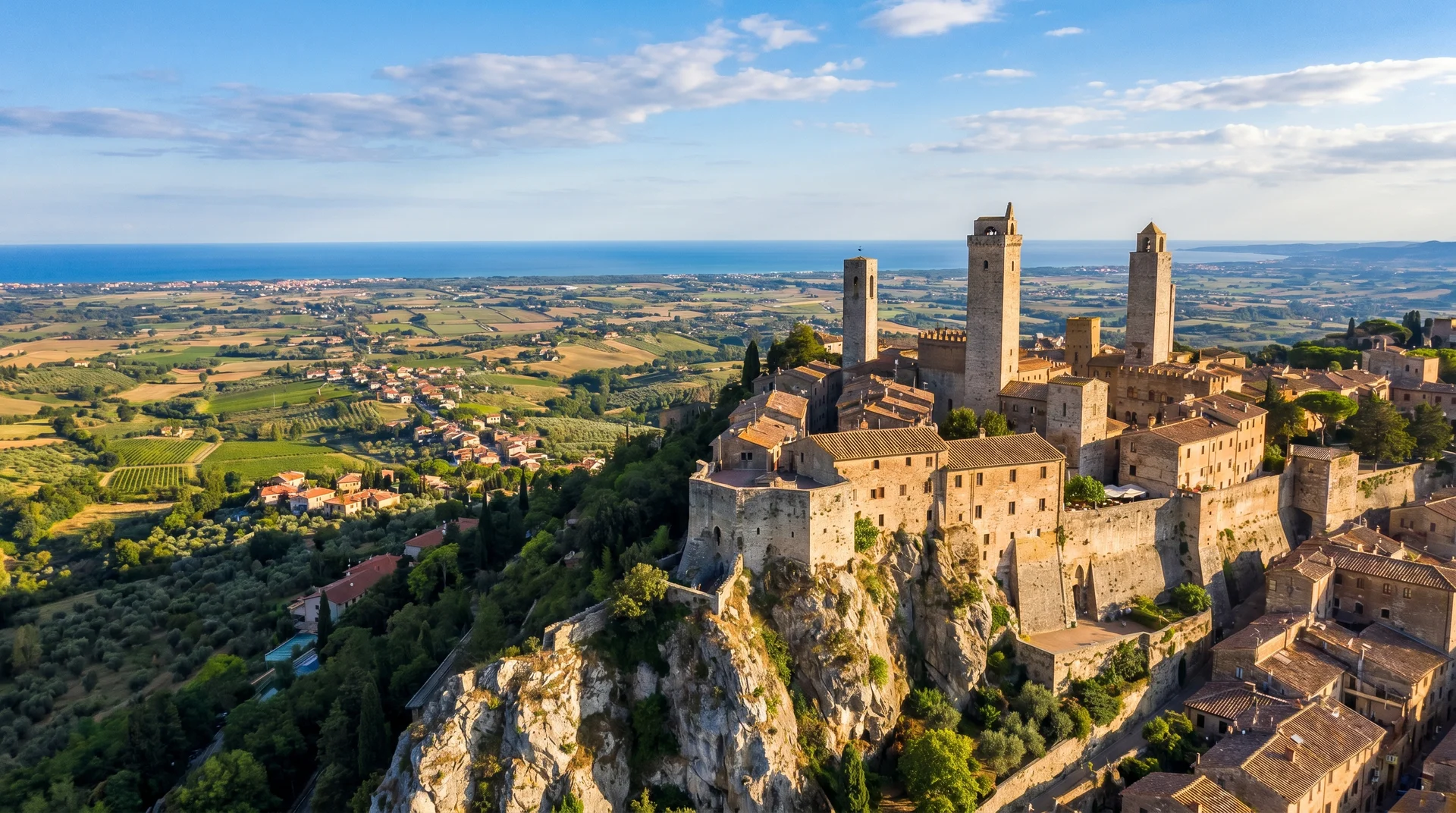
San Marino feels almost implausible the first time you see it. A walled medieval city perched on the sheer cliffs of Mount Titano, entirely surrounded by Italy, with its own passport stamps, its own parliament, and three fortress towers you can walk between on a single afternoon. The entire republic is smaller than Manhattan, but the views from the ridge stretch all the way to the Adriatic. One full day is exactly the right amount of time to do it properly.
- Bus from Rimini: €7 each way (Bonelli Bus)
- Two-Museum Pass (towers): €11
- Passport stamp souvenir: €5 at the Tourist Office
- Cable car (round trip): €7 return
- Currency: Euro
- Visa: None, no border checks from Italy
- Footwear: flat, non-slip shoes only - the old town streets are brutally steep
How to Get to San Marino from Rimini (and Bologna)
The journey is a two-step approach, and the timing matters more than most travel sites admit.
From Bologna, catch a fast Trenitalia train to Rimini. The journey takes under an hour on the fast service, or up to 90 minutes on regional trains. Book the fast one. Once you reach Rimini, do not head into the city center. Exit the main station and cross the street. The Bonelli Bus stop sits almost directly opposite, near the Burger King. This is the only direct public bus to San Marino and it runs all year, every day.
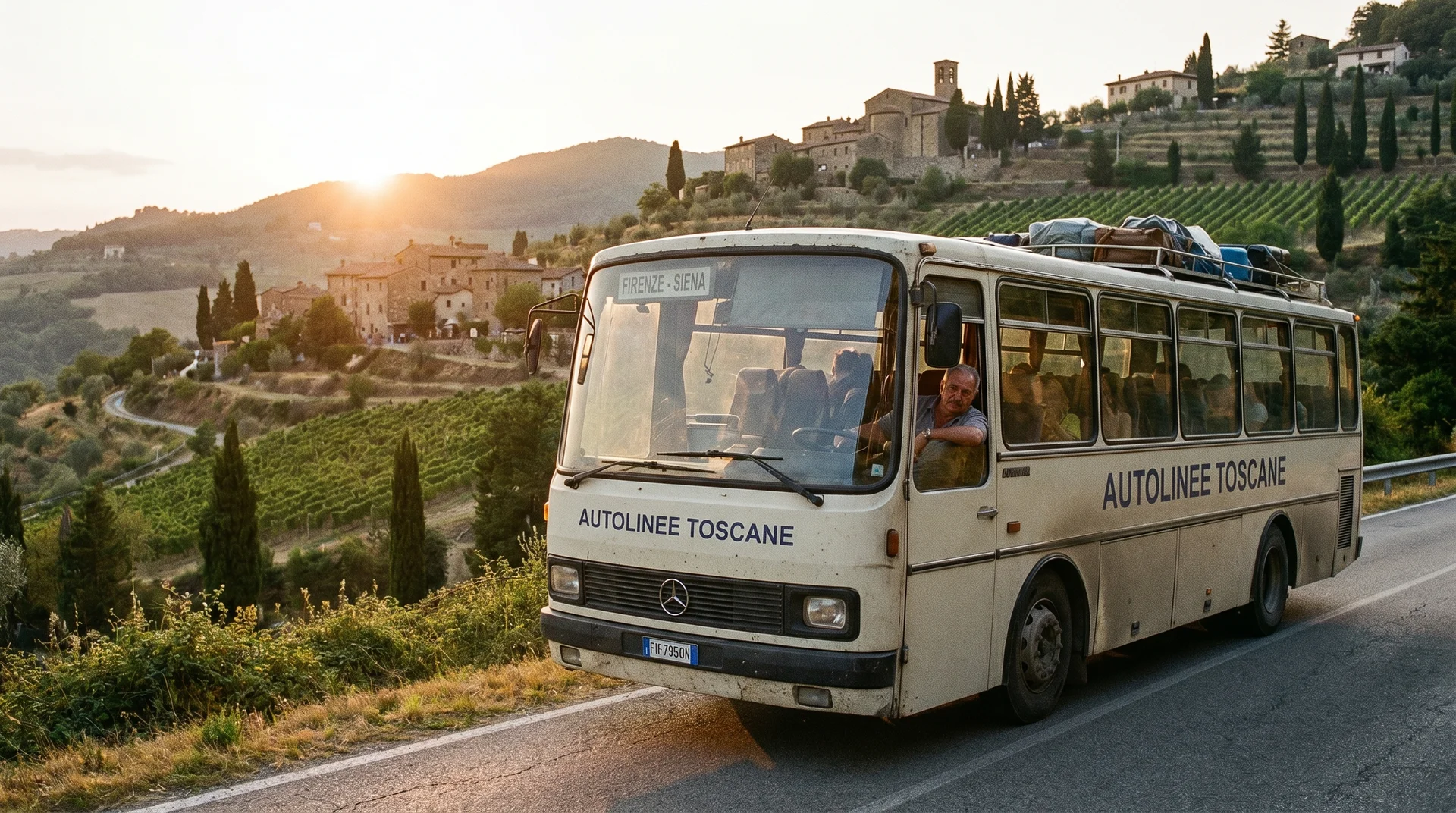
Buy your ticket on board or at an authorized ticket office nearby. The fare is €7 each way. The drive winds up through the Emilia-Romagna hills and takes around 50 minutes. Your ears will likely pop before the coach park comes into view at the top.
Critical timing note: Buses do not run every 15 minutes. Check the Bonelli Bus timetable before you leave Rimini and plan your return departure, because the final evening bus fills up quickly in summer.
The San Marino One-Day Itinerary
Morning: The Three Towers and the Passage of the Witches
Step off the bus and head straight uphill into the old town. The fortress network is the absolute centrepiece of the visit and deserves the sharpest part of your morning energy.
The first tower, Guaita, dates back to the 11th century and anchors the entire ridge. Two concentric rings of city walls surround it, and the views from the battlements reach the Adriatic on a clear day, a blue stripe visible beyond the flat coastal plain far below. The inner tower is compact and surprisingly dark; the stone walls block out the heat even in July.
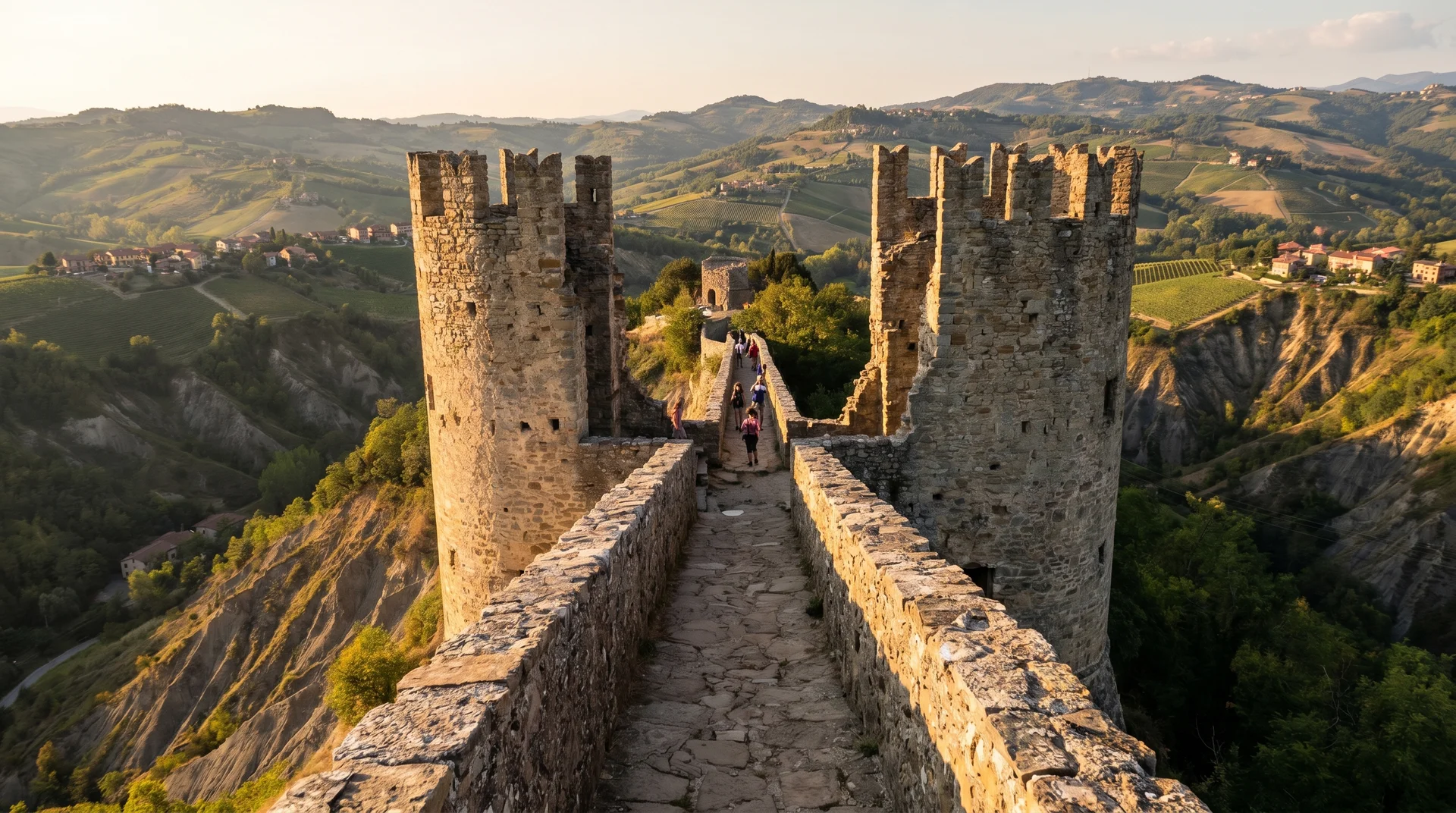
From Guaita, follow the Passo delle Streghe (Passage of the Witches), the paved ridge path that links the first and second towers. This stretch delivers the definitive San Marino photograph: both fortresses framed against open sky, the valley dropping away on both sides. Walk it slowly.
Cesta, the second tower, sits at the highest point of Mount Titano at 756 metres. It houses the Museum of Ancient Arms, a surprisingly serious collection of medieval weapons including 6th-century swords, crossbows, and armour. Full ticket options and seasonal opening hours are in the Three Towers of San Marino guide. Buy the Two-Museum Pass (€11) at the Public Palace before you hike up here; the ticket office at the base of the towers has a queue by mid-morning.
The third tower, Montale, is privately owned and not open to the public, visible from the path but closed to visitors.
Midday: Palazzo Pubblico and Piazza della Libertà
Descend into the core of the old town. The Palazzo Pubblico (Public Palace) is the seat of government for the world's oldest surviving republic, a title San Marino has held since 301 AD. The stone facade is formal and precise, the clock tower unmissable. Two Guards of the Republic in full historical uniform stand at the entrance year-round.
The interior is open to visitors when parliament is not in session, and the debating chambers are worth a look. The painted ceilings and carved woodwork reflect a republic that takes its own history seriously.
For lunch, skip the restaurants directly on the main square and duck into one of the side streets. A Piadina, the regional flatbread of Emilia-Romagna, filled with squacquerone cheese and prosciutto crudo is the right call. Fast, cheap, and genuinely local.
Afternoon: Basilica, Passport Stamp, and Tax-Free Shopping
The Basilica di San Marino is a neoclassical structure from the 1820s, supported by eight Corinthian columns. It occupies the site of a much older 5th-century church and holds the relics of Saint Marinus in a marble urn. The interior is cool, symmetrical, and quiet in a way the streets outside rarely are. No bare shoulders or shorts - the dress code is strictly enforced at the door.
After the Basilica, make your way to the official Tourist Information Office near the funicular station. For €5, staff will stamp a blank page of your passport with the official San Marino state seal. Everything about safety, location, and process is explained in the San Marino passport stamp guide. It carries no immigration authority, the republic has no border controls, but it is one of the most distinctive travel stamps in Europe. Bring your actual passport, not a photocopy.
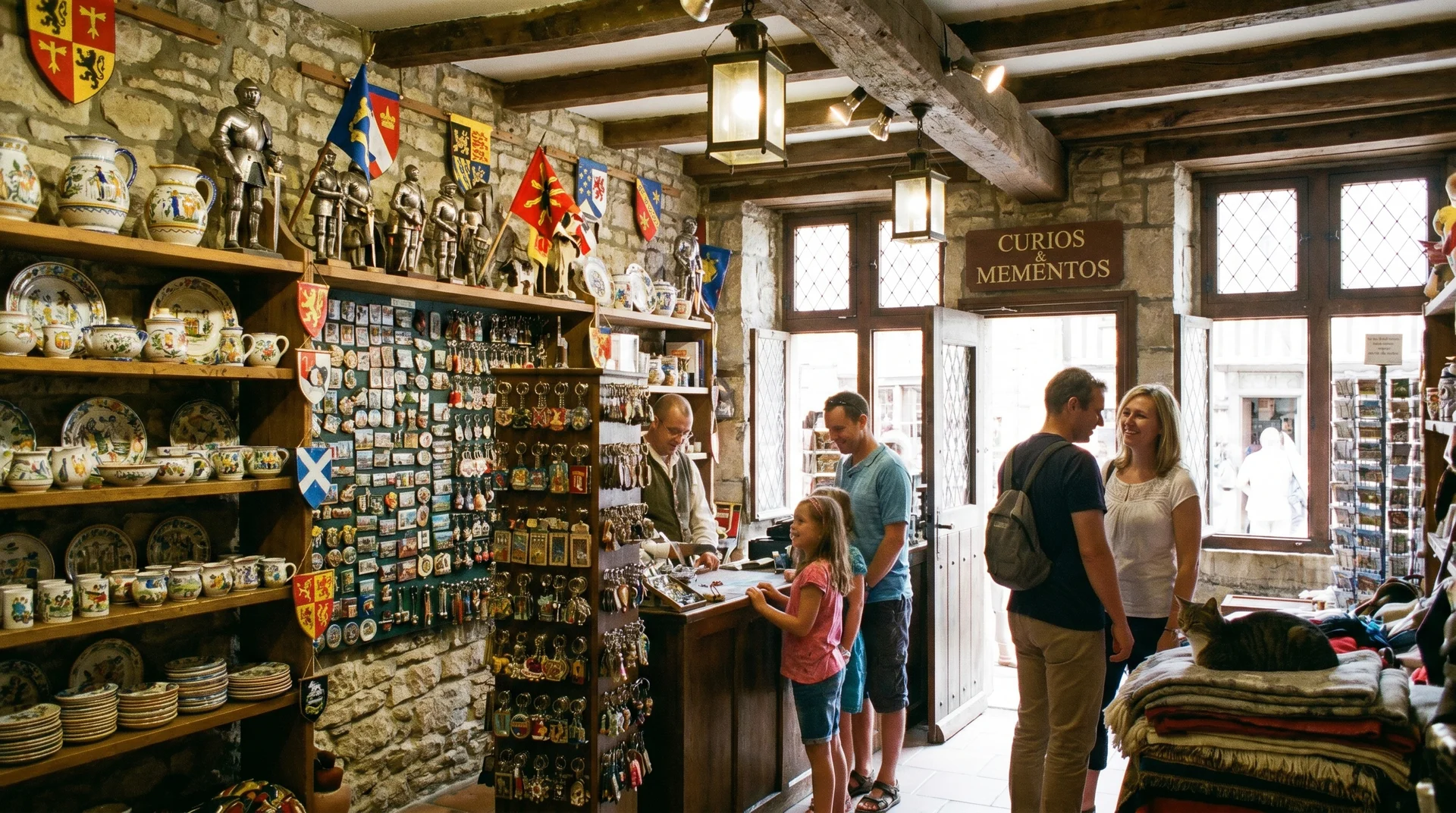
San Marino runs no VAT, which makes it a serious shopping destination. The narrow lanes are dense with boutiques selling leather goods, perfumes, and electronics at genuinely lower prices than across the Italian border. The San Marino tax-free shopping guide explains the Monofase system and which product categories offer the best savings. You will also find an unusual density of shops selling replica medieval weapons, crossbows, and armour, a direct result of the republic's military heritage and one of its quirkier retail identities.
The San Marino Cable Car
The aerial cable car connects Borgo Maggiore in the lower town directly up to the historic centre, a short ride that replaces a steep 20-minute uphill walk. The return ticket costs €7 return and the glass cabins provide a clear view over the cliff face and valley below as you rise.
If you arrive by Bonelli Bus, you land near the top and may not need the cable car on the way in. It becomes useful on the way back down, particularly if your knees have already taken the towers. Borgo Maggiore also has its own bus stop for the Rimini return service. Check whether your bus departs from there or the upper coach park before you descend, because the two stops are not the same.
Practical Tips for Your San Marino Day Trip
Arrive before 10 AM. Tour groups flood the old town from mid-morning onwards. The ridge path and towers feel genuinely peaceful before the first coaches arrive.
Wear flat shoes with grip. This cannot be overstated. The stone streets rise at gradients that make high heels downright dangerous. Multiple visitors attempt this every summer in inappropriate footwear and regret it within the first ten minutes.
Check bus times before you go. The Bonelli Bus does not run on an urban frequency. Missing your intended departure means waiting an hour or more. Screenshot the timetable before leaving Rimini.
Visit on a clear day if you can. The views of the Adriatic coast and the Apennine hills are the defining experience. Fog or low cloud reduces the visit to a medieval town walk, still good, but not exceptional.
The Two-Museum Pass covers Guaita and Cesta. Individual tower tickets cost more per tower. The pass is the straightforward choice for most visitors.
San Marino is a real country. It issues its own coins, its own stamps, and its own passports. The tourist office near the cable car sells commemorative euro coins minted specifically by San Marino, a small but legitimate numismatic souvenir for collectors.