Traveling to a remote atoll like the Cocos (Keeling) Islands means trading mainland conveniences for untouched nature, but it also leaves you 2,750 kilometers away from the nearest major hospital. A simple reef cut or sudden illness can quickly turn into a logistical nightmare requiring an immediate medical evacuation to Perth. Understanding the strict limits of local healthcare, ocean dynamics, and wildlife rules before you board your flight is the only way to ensure a secure trip.
- Hospital: None. Only basic health clinics operate on West Island and Home Island.
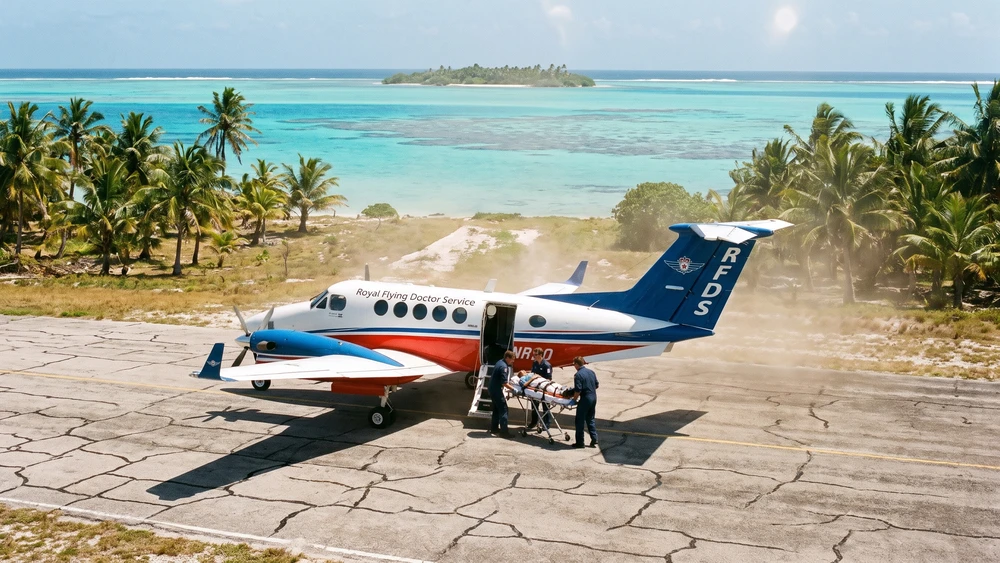
- Medical evacuation: Mandatory for serious trauma, you will be flown to Western Australia.
- Lifeguards/coastguard: None. You enter the water entirely at your own risk.
- Land predators: Zero. No snakes or venomous spiders exist on the islands.
- Tap water: Completely safe to drink straight from the tap on inhabited islands.
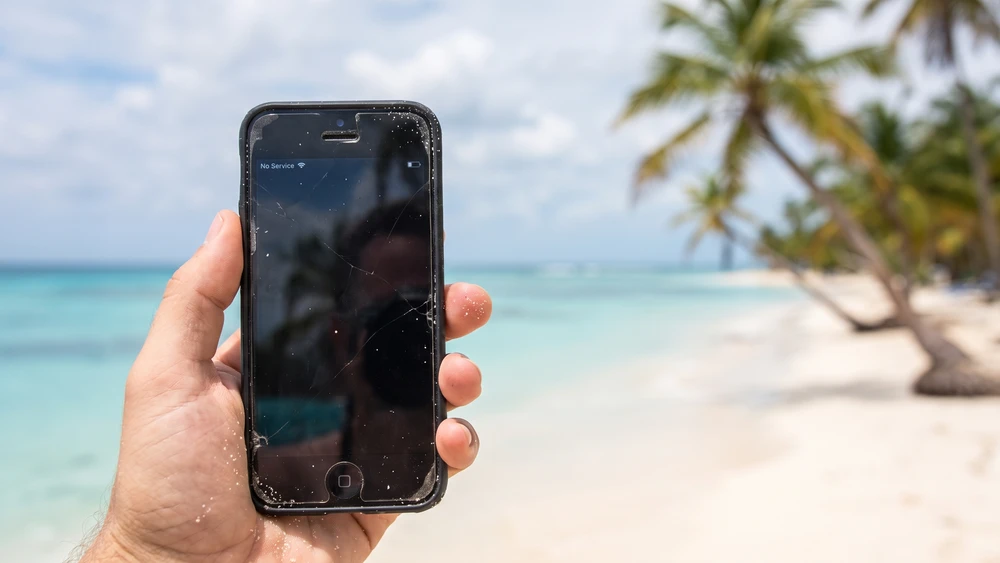
- Mobile reception: No mainland telco (Telstra, Optus, Vodafone) runs its own tower here, but a local 4G network covers most of the main atoll.
- Emergency number: 000 for ambulance, police, and fire, available 24 hours a day.
General Safety & Crime Rate on the Islands
Cocos is statistically one of the safest places in Australia. With a total population hovering around 600 residents, crime is practically non-existent. Locals regularly leave their doors unlocked, bicycles untethered, and car keys in the ignition.
The island operates on a shared-road system with a strict 30 to 50 km/h speed limit. You share the tarmac with walkers, e-bikes, scooters, and the occasional wandering chicken.
The community on West Island and Home Island is predominantly Cocos Malay and Muslim. Public drinking is frowned upon outside licensed venues like the Cocos Club, and modest clothing (shoulders and knees covered) is appreciated away from the beach and resorts. Respecting these norms goes a long way toward a smooth visit.
Walking at Night on West and Home Island
You face no threat of street crime when walking after dark. However, the lack of extensive street lighting presents a different kind of hazard. Bring a reliable headlamp or flashlight if you plan to walk back to your accommodation after dinner. Uneven terrain, scuttling crabs, and falling coconuts are genuine physical risks on unlit paths beneath the palm canopy.
Medical Facilities: What Happens in an Emergency?
The healthcare infrastructure here is designed for primary care, not trauma or complex emergencies. A single GP and four nurses staff the entire territory, and each clinic keeps just one emergency bed for stabilization before transfer.
West Island and Home Island Health Clinics
The clinics handle minor ailments like coral scrapes, mild infections, and basic pain relief. They also run a small pharmacy.
Do not rely on them to stock specific prescription medications, certain sanitary products (tampons are rarely available), or chronic disease management drugs. Pack every essential medication in your carry-on luggage. The clinics only provide overnight care if a patient is actively waiting for an emergency flight out of the territory.
The Reality of Medical Evacuation to Perth
If you suffer a heart attack, severe decompression sickness, or a major physical injury, the local clinic will stabilize you while calling for a Royal Flying Doctor Service or similar charter flight. This flight takes nearly five hours and costs tens of thousands of dollars without cover. Purchasing comprehensive travel insurance that explicitly covers emergency medical evacuation is absolutely non-negotiable, and it should also account for the tropical cyclone season, since flights in and out of the territory are occasionally delayed by weather between November and April.
Wildlife and Marine Hazards to Watch Out For
The real risks on Cocos lie in its rugged, unmanipulated natural environment. The ocean surrounds you, and marine ecosystems operate by their own rules.
Swimming Safety (No Coastguard & Rip Currents)
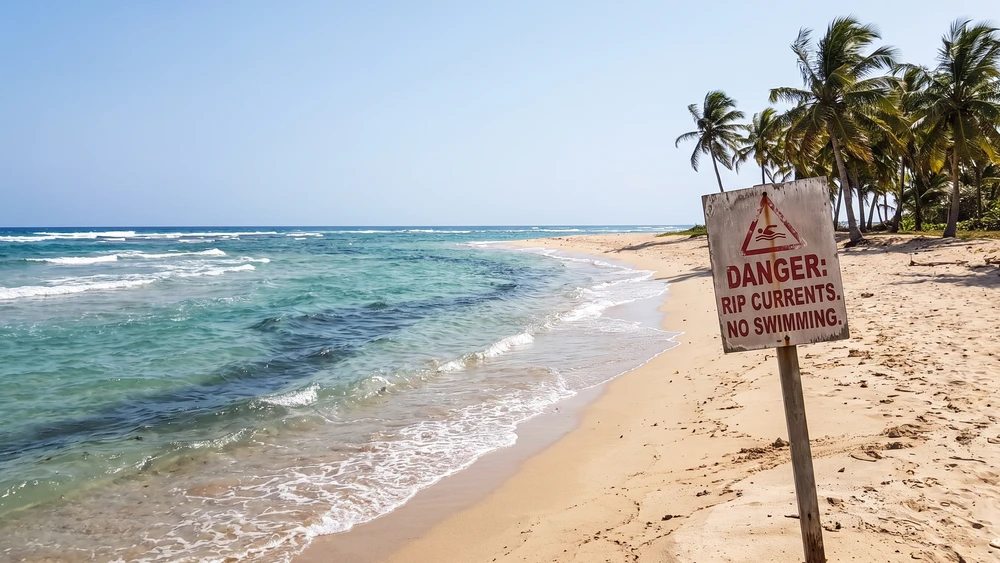
No lifeguards patrol popular spots like Direction Island, Scout Park, or Trannies Beach. Strong tidal shifts create intense rip currents, particularly near the deep channels between the islands. Always assess the water movement before jumping in, never swim alone, and check local tide charts available at the Community Resource Centre.
Reef Sharks, Turtles, and Marine Stingers
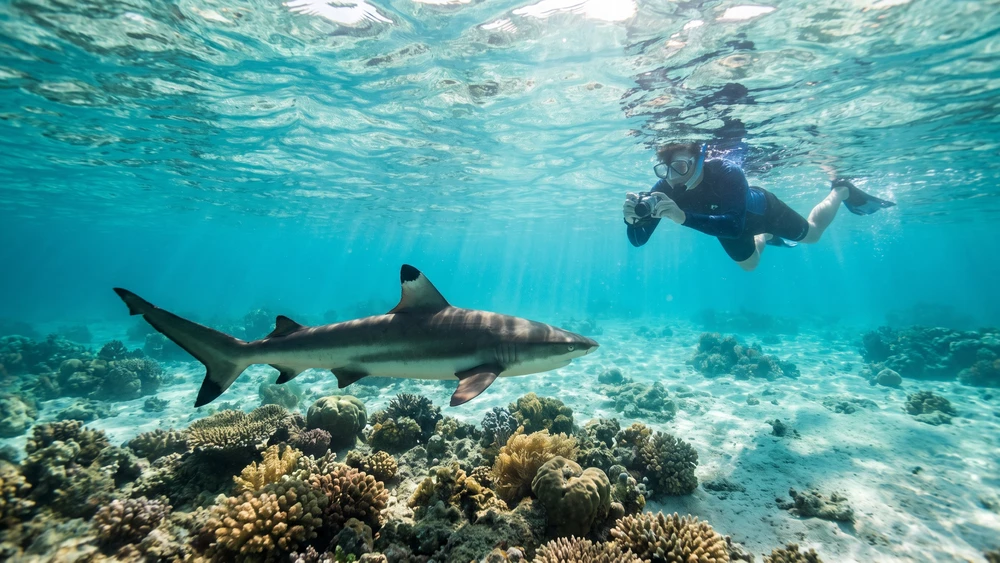
Blacktip and whitetip reef sharks actively patrol the shallow lagoons. They hunt small fish and generally ignore humans. Maintain a respectful distance and never attempt to feed them or the resident sea turtles.
Depending on seasonal winds, marine stingers (jellyfish) occasionally drift into swimming areas. Wearing a full-sleeve rash guard or a lightweight stinger suit provides excellent protection against unexpected stings and the brutal tropical UV rays.
Land Animals: Coconut Crabs and Mosquitoes
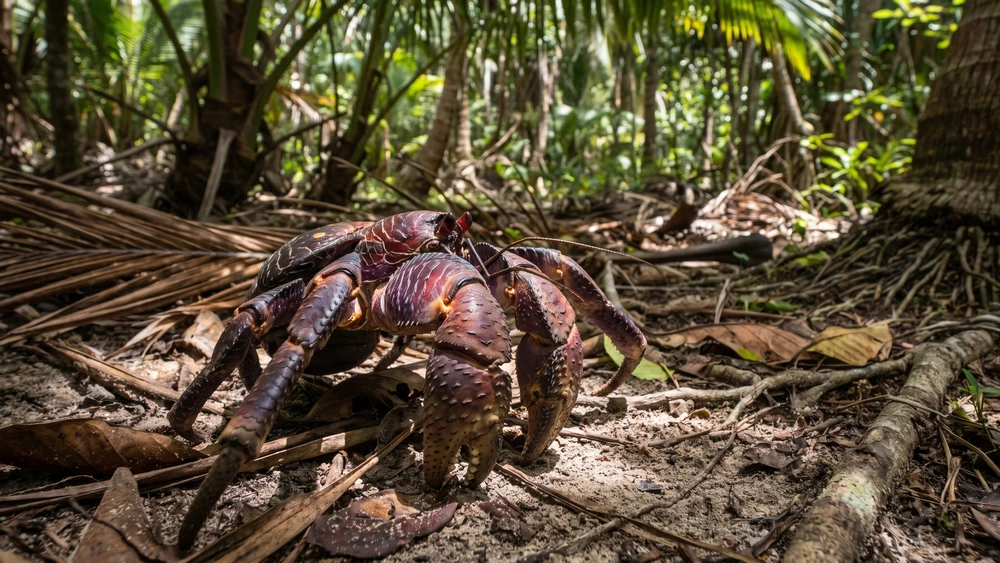
You can explore the bush without worrying about snake bites or deadly spider venom. The most intimidating land creature is the giant coconut crab (robber crab). They move slowly but possess bone-crushing claw strength. Watch them from afar, but never try to pick them up.
Mosquitoes thrive in this humid environment, especially during the wetter months (December to April). Carry and apply a strong DEET or Picaridin-based repellent daily to prevent constant bites.
Health Precautions & Recommended Vaccines
Before traveling, ensure your routine vaccinations (Tetanus, Polio, MMR) are up to date. Medical professionals also recommend Hepatitis A and Typhoid vaccines due to potential exposure through adventurous eating or remote water sources outside the main settlements.
Can You Drink the Tap Water?
Yes, the tap water on both West Island and Home Island is highly treated and perfectly safe to drink. Skip the heavy, expensive plastic water bottles from the supermarket. Pack a high-quality insulated flask and refill it daily to stay hydrated under the tropical sun while minimizing your plastic footprint.
Staying Connected Without a Mainland Signal
Telstra, Optus, and Vodafone no longer operate their own towers on Cocos, so a phone set to roaming will show no bars. In practice, a local Cocos 4G SIM from IOTT covers most of the main atoll and the ferry route between islands, though it will not support standard voice calls or SMS through your regular dialer. WiFi hotspots at the Community Resource Centre, cafes, and most accommodations cover calls over apps and everyday browsing.
Essential Safety Packing List for Cocos
Preparing for Cocos requires treating your suitcase like a self-sufficient basecamp.
- Reef shoes: Essential for navigating sharp coral and preventing highly infectious marine cuts.
- Comprehensive first aid kit: Stock up on waterproof band-aids, antibiotic ointment, hydrocortisone cream for bug bites, and ibuprofen.
- Reef-safe sunscreen: Bring more than you think you need. Local supplies sell out fast and cost a premium.
- Seasickness medication: Crucial if you plan to take the ferry between islands or join a local skipper for an offshore tour.
- Spare glasses/contacts: Replacing broken eyewear on the island is impossible.
Pack your prescriptions and a physical first aid kit before you fly. Once you land on West Island or Home Island, the nearest full pharmacy is a five-hour medevac flight away, and the strongest protection against every hazard above, from rip currents to coconut crabs, is simply knowing the limits of the place before you arrive.