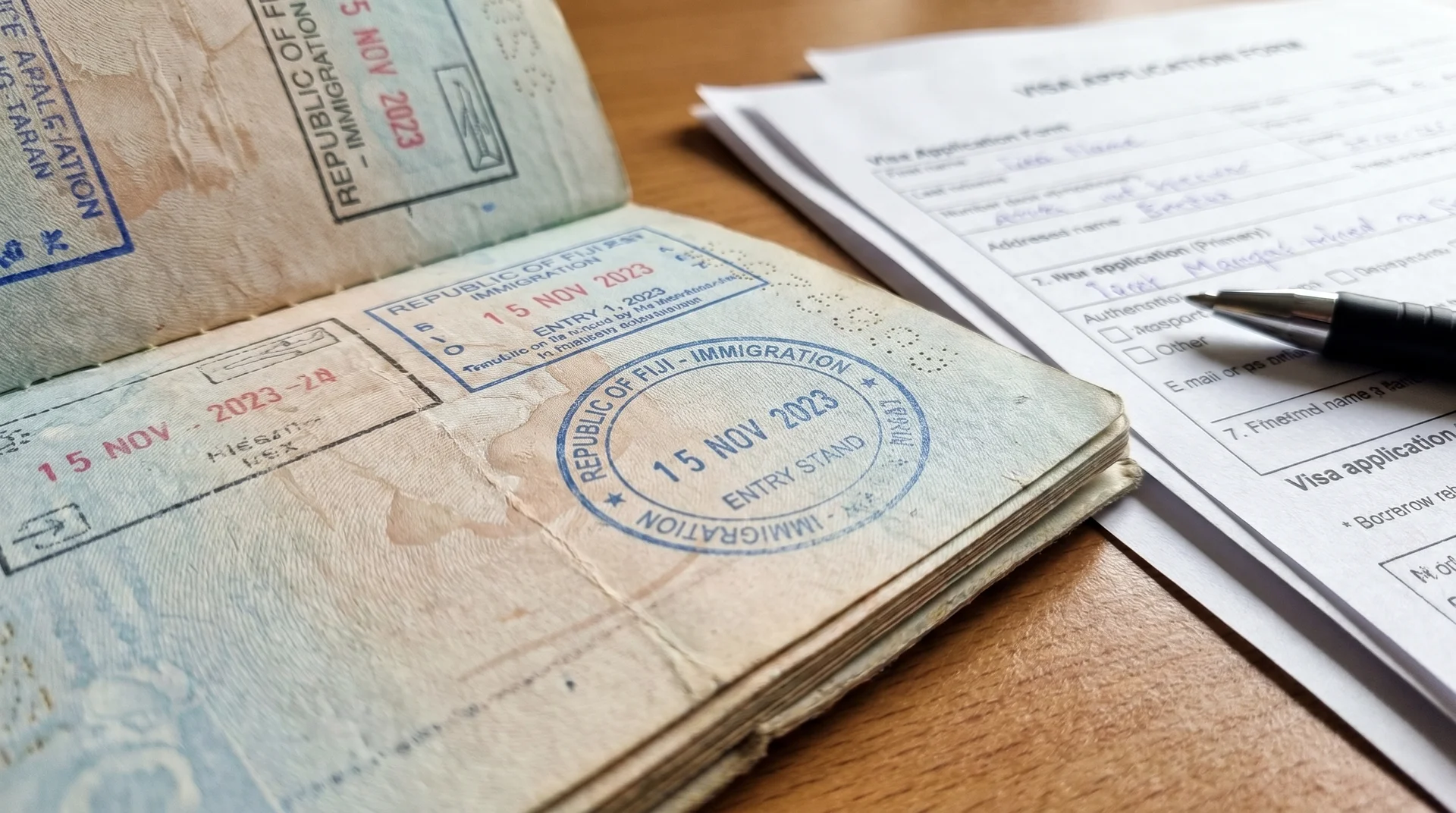
Nauru is one of the few places on earth where what you don't know genuinely can get you arrested. The island's offshore immigration detention infrastructure, funded and operated in coordination with Australia, occupies a significant portion of this 21-square-kilometre country, and the legal framework that surrounds it applies to visitors just as much as it applies to contracted workers and asylum seekers. Before you board the once-weekly flight from Brisbane, there are things you need to understand about restricted zones, media laws, healthcare gaps, and the current operational status of the Regional Processing Centre.
- Flights: Nauru Airlines from Brisbane, roughly once weekly
- Visa: required before travel, no visa on arrival
- RPC status: active as of 2026, open-centre model, over 100 occupants
- Photography near the RPC or refugee housing: strictly prohibited
- Internet: limited, intermittent, selectively filtered
- Medical evacuation insurance: non-negotiable
- Emergency number: 110 (Police)
The Nauru Regional Processing Centre: Current Status
The Regional Processing Centre (RPC) is not a relic of a past policy. It is operational. As of late 2025, the facility held over 100 asylum seekers, a sharp increase from approximately 15 occupants in early 2024 following new agreements between Australia and Nauru valued at up to AUD 2.5 billion over 30 years.
The RPC shifted to an open-centre model, meaning asylum seekers are no longer detained within the facility perimeter 24 hours a day and can move around the island. That change matters for visitors in a practical sense: you are more likely to encounter former detainees in coastal areas, markets, and restaurants than you were before this policy shift. The security perimeter around the RPC facility itself, however, remains active and heavily monitored.
In 2025, the UN Human Rights Committee ruled that Australia's offshore detention practices at Nauru violated its obligations under the International Covenant on Civil and Political Rights, marking the first binding international legal determination of this kind.
Understanding this context before you arrive is not about politics. It is about knowing where you legally cannot go, what you legally cannot photograph, and who you legally cannot ask certain questions of.
Where You Cannot Go
The inland areas of Nauru are effectively off-limits to visitors for two overlapping reasons: security law and environmental hazard.
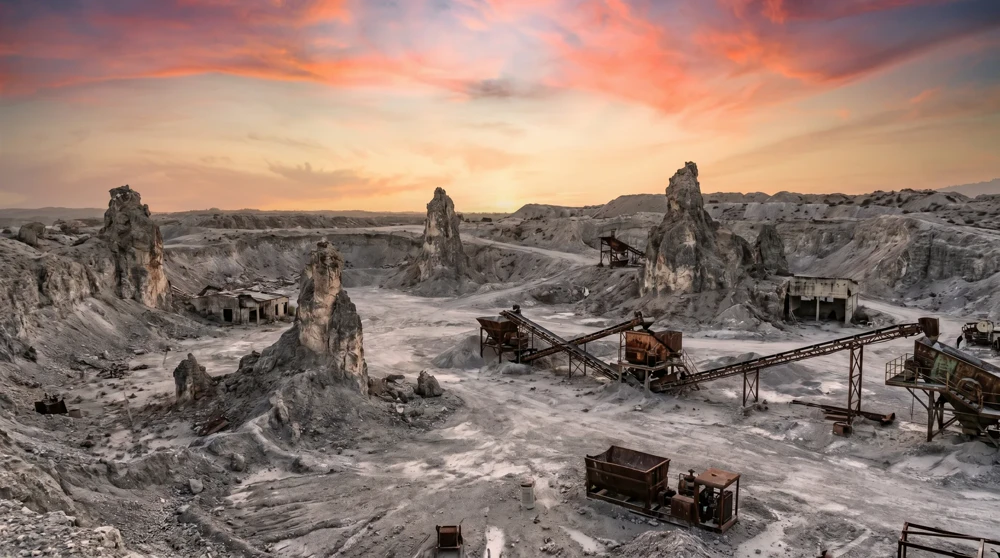
The island's interior was systematically stripped of phosphate over several decades, leaving a terrain of jagged coral pinnacles, abandoned industrial equipment, and contaminated soil. Asbestos from former mining structures has not been fully remediated. Unregulated waste fires burn in areas that were never properly capped after mining operations ended.
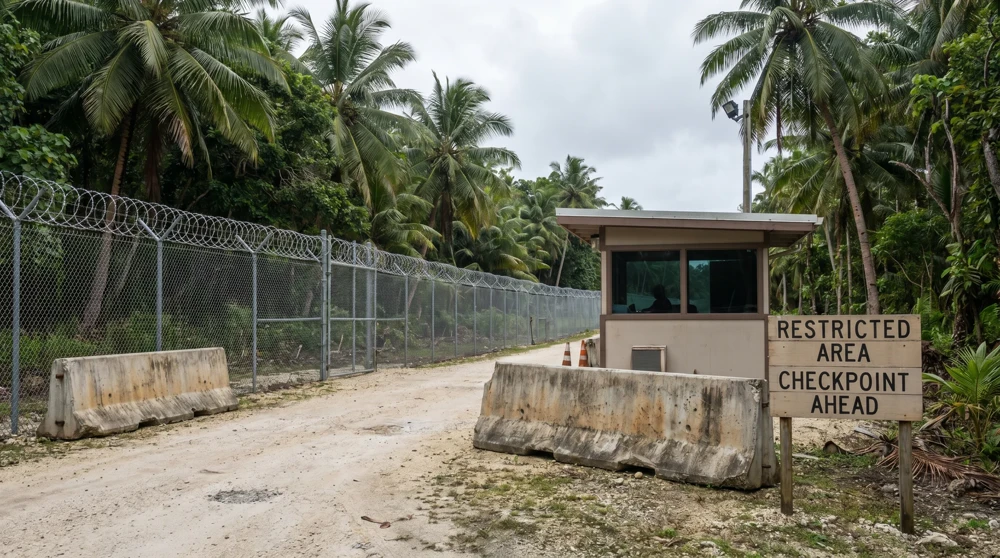
Layered on top of this environmental damage is the detention and government infrastructure, which occupies large sections of the inland zone. The RPC perimeters, associated refugee housing blocks, and government security installations are all located inland. Security personnel patrol these areas. Signage is inconsistent, which makes inadvertent trespassing a real risk if you leave the coastal ring road.
Stick to the 19-kilometre coastal ring road. Every tourist site worth visiting in Nauru, from Anibare Bay to Command Ridge, is accessible from this road. There is no legitimate reason for a tourist to venture inland. The visiting Nauru article covers practical transport logistics and how to navigate the coastal road safely.

Photography Rules Near the RPC
Photography restrictions around the RPC are among the strictest applied to any government facility that tourists can physically approach. For travelers visiting specifically as country collectors, the article covers specialist operators and how to stay within legal bounds while documenting the visit. The facility occupies land that is visible from several points on the ring road, and the instinct to document it is understandable. Resist it.
Taking photographs or video of the RPC perimeter fences, the container housing units, military-style tents, or any security personnel in the area is treated as a security violation. The response from authorities is not a warning. Equipment confiscation, formal detention, and deportation are the documented outcomes for people caught with undocumented imagery of the facility.
This applies to smartphones, dedicated cameras, and drone equipment. Nauru has no formal drone registration system accessible to tourists, and flying any UAV near the inland zones would be an extraordinary risk.
The Media Visa System and What It Means for Journalists
If you are traveling to Nauru with any professional connection to journalism, documentary production, or human rights monitoring, the standard tourist visa is not the correct visa, and using it as such is illegal.
The Nauruan government charges international media AUD 8,000 for a media visa application, a figure that represents a deliberate barrier rather than a standard administrative fee. That fee is non-refundable if the application is denied. Foreign journalists, including those from major Australian broadcasters, have had applications refused outright. The government has at various points imposed a blanket ban on media entries.
All journalists employed within Nauru are classified as government public servants and take an oath of allegiance to the administration. Independent, critical journalism about the detention system does not function on the island.
If you are a traveler with a camera, a podcast, or a social media audience but no formal media credentials, the practical implications are the same: any activity that looks like documentation of the detention situation puts you in a legally precarious position regardless of your visa category.
Healthcare: The Most Serious Practical Risk
The healthcare situation on Nauru is the single most urgent practical concern for any visitor planning an extended stay.
The island's hospital operates with chronic shortages of basic supplies. Sterile gloves, wound dressings, standard diagnostic equipment, and essential medications are frequently unavailable or expired. The contracted medical facilities that exist largely serve the detention population and the contracted workforce; their capacity and willingness to treat tourists in complex situations is uncertain at best.
There are no specialist physicians on the island. No cardiologists, no orthopaedic surgeons, no neurologists. Emergency dental treatment is limited to extractions. If you sustain a serious injury, experience a cardiac event, have a severe allergic reaction, or require any procedure that goes beyond basic wound care, you cannot be treated on Nauru.
The only realistic outcome in a genuine medical emergency is emergency medical evacuation by air, most likely to Brisbane or another Australian city with appropriate facilities. That evacuation costs tens of thousands of dollars and is not covered by standard travel insurance.
Purchase a comprehensive travel insurance policy that explicitly includes emergency medical evacuation before you book your flights. Read the fine print on remote island coverage. Some policies exclude evacuation from locations classified as politically unstable. Nauru may trigger that exclusion depending on your insurer and policy tier.
Internet Access and Communication Restrictions
Internet access in Nauru is limited, unreliable, and selectively filtered. The government has a documented history of blocking or throttling access to social media platforms, messaging applications, and specific news websites, particularly around events connected to the offshore processing policy.
The government's own statements on internet restrictions have been contradictory over the years, alternately denying broad censorship while acknowledging specific blocks on platforms like Facebook over stated child protection concerns. What this means in practice is that you should not rely on digital infrastructure during your visit.
Download everything before you land: offline maps of the island, your accommodation confirmation, insurance policy documents, emergency contacts, airline reservation details, and any communication you might need during a medical emergency. Do not assume you will be able to access cloud storage, messaging apps, or email services from the island.
VPNs are legal in Nauru, and the high VPN adoption rate among the island's population reflects the reality of connectivity issues there. A VPN is worth installing before departure.
Non-Disclosure Laws and Local Interactions
Contracted workers employed at or near the RPC are bound by non-disclosure agreements that carry significant criminal penalties for disclosure. This affects a meaningful percentage of the island's working population, since the detention infrastructure employs a large number of Nauruan and contracted international workers.
If you ask a local about conditions at the facility, detainee numbers, Australian government operations, or the political situation surrounding the offshore processing policy, you are not just asking an uncomfortable question. You may be placing that person in a situation where answering honestly constitutes a criminal offence under their employment terms.
Keep your conversations about these topics private. Respect the legal constraints that locals operate under, even if you disagree with those constraints on principle. This is one of the more unusual aspects of visiting Nauru that has no real parallel in conventional travel destinations.
Safety and Security for Visitors
The conventional crime rate in Nauru is low compared to regional hubs. But the social dynamics created by a decade of sustained offshore detention policy have generated tensions that surface in unpredictable ways.
Walking alone after dark is not recommended, particularly outside the main coastal settlements and away from Aiwo and Yaren. The island is small enough that there are no areas where you are far from help, but isolated stretches of the ring road at night carry risks that are not present during daylight hours.
Local police responsiveness is inconsistent. Response times for non-emergency incidents are slow, and investigations into property crime or petty theft are rarely productive. Do not expect the level of police support you would receive in Australia or New Zealand.
Traveling with at least one other person significantly reduces your risk profile in most situations.
Practical Entry Requirements
Nauru requires a visa obtained before arrival. There is no visa on arrival system. Most nationalities, including citizens of the United States, United Kingdom, Australia, and Schengen countries, must apply for a visitor visa through the Nauru immigration email process or through a Nauruan diplomatic mission, with processing taking at minimum two to three weeks. The full document checklist and step-by-step process are in the Nauru visa requirements guide.
Your passport must be valid for at least three months beyond your intended departure date. You must have proof of onward travel within 30 days and evidence of accommodation.
Given the limited flight schedule, any disruption to your departure flight, whether from weather, mechanical issues, or operational changes, means you may be stranded on the island for several days or longer. Build buffer time into your itinerary and do not connect directly from Nauru into a tight international flight.