Finding a truly undeveloped coastal stretch in the Eastern Cape usually means sacrificing accessibility, yet Kasouga manages to hide in plain sight just off a major highway. The catch is the near-total blackout on commercial booking platforms, leaving unprepared travelers without a place to sleep or even a local shop to buy basic supplies. Navigating this fiercely protected 1825 heritage site requires a completely self-sufficient approach and a solid grasp of local logistics.
- Location: Sunshine Coast, Eastern Cape, 12 km east of Kenton-on-Sea.
- Road Access: Unpaved, signposted turnoff directly from the R72 coastal highway.
- Facilities: Zero commercial infrastructure, no grocery stores, restaurants, or fuel stations.
- Accommodation: Private holiday homes only, no hotels, and rarely listed on Airbnb.
- Best Time to Visit: December to March for warm water, May to August for mild, quiet hiking conditions.
Why Kasouga Remains an Untouched Coastal Secret
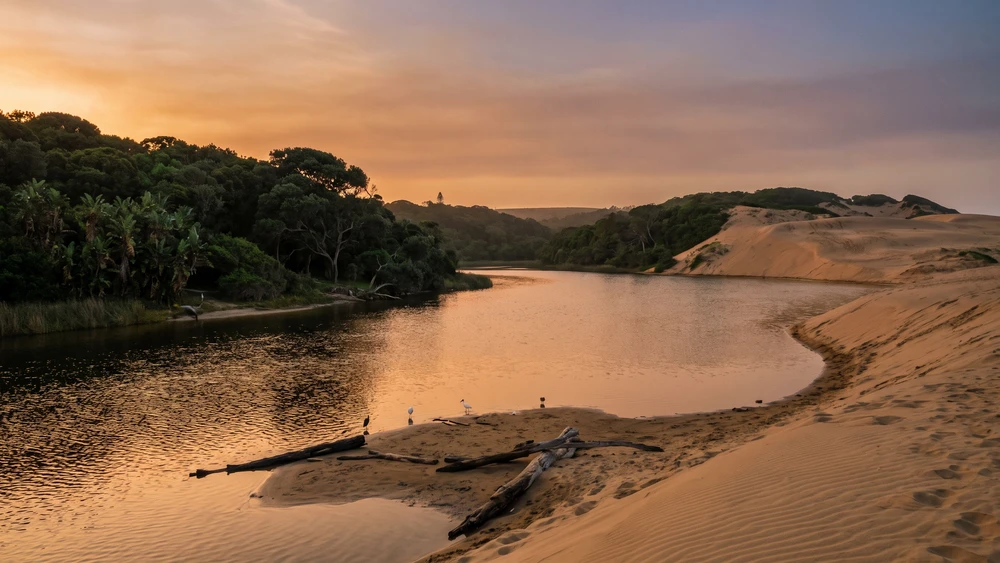
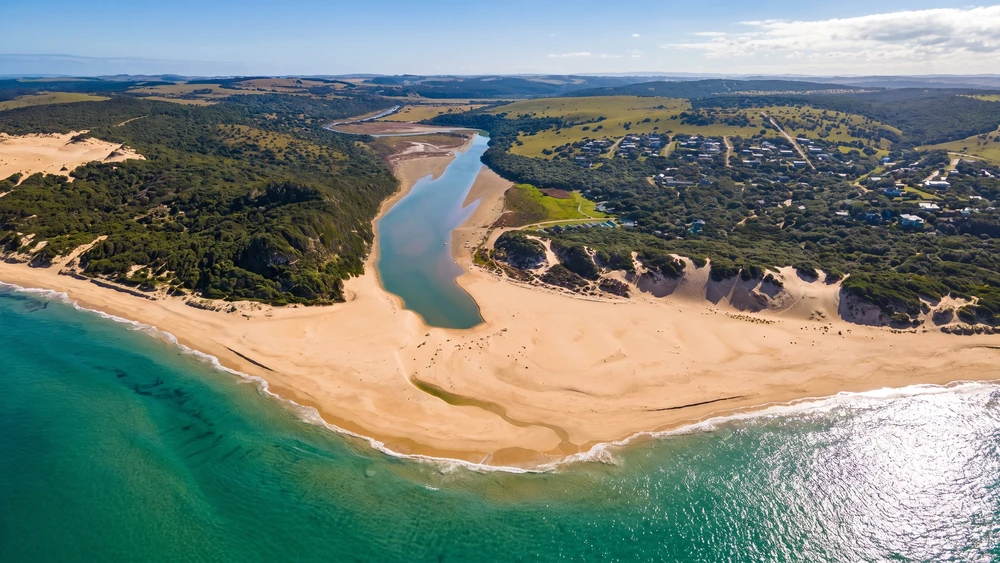
Most Sunshine Coast towns eventually succumbed to commercial development, but Kasouga took a different path. The geography itself acts as a natural barrier. Thick coastal forest shields the small cluster of homes from the prevailing sea winds, while kilometers of shifting sand dunes create a buffer between the village and the open ocean.
The name itself hints at how wild this stretch of coast once was. Kasouga derives from a Khoekhoen word meaning place of many leopards, a reminder that this river mouth was a prized hunting ground long before the first Bovey farm boundary was drawn.
Property owners here fiercely protect the non-commercial zoning of the area today. You will not find neon signs, paved promenades, streetlights, or loud beach bars. The appeal lies entirely in the raw environment: tidal rock pools, an unspoiled river estuary, and dense indigenous bush right on your doorstep.
How to Get to Kasouga
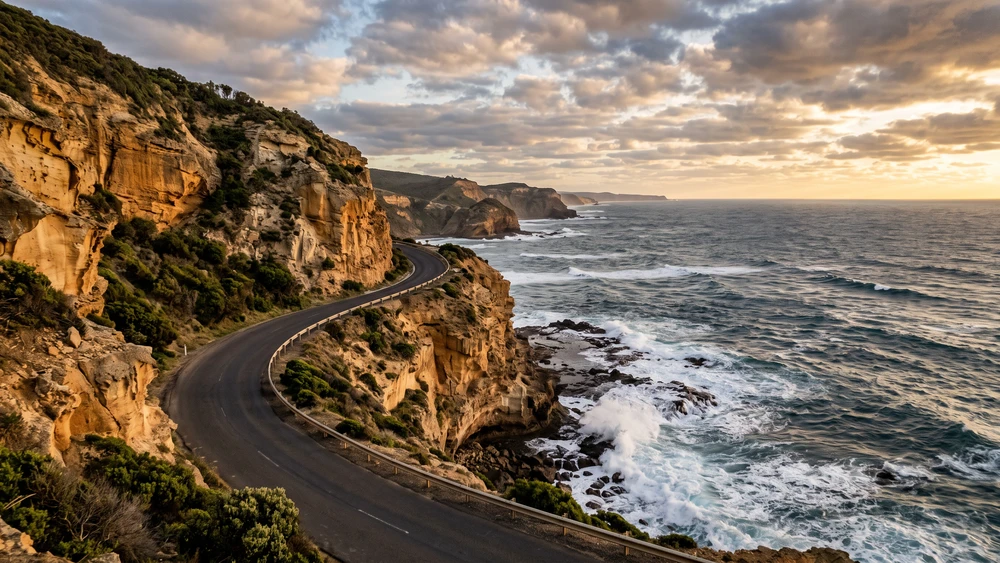
The village sits right in the middle of the coastal route connecting Gqeberha (Port Elizabeth) and East London, making the drive straightforward if you know where to turn.
Driving from Kenton-on-Sea
Heading east on the R72 from Kenton-on-Sea, the drive takes less than 15 minutes. After passing the Kariega River bridge, keep an eye out for the Kasouga turnoff on your right. The final stretch is a dirt road. It is generally well-maintained and accessible with a standard sedan, though reducing your speed is necessary to handle the occasional corrugation.
Access Route from Port Alfred
If you are coming from Port Alfred, travel west along the R72 for about 15 kilometers. The turnoff will be on your left, shortly after you pass the coastal farmlands. Because the turnoff is somewhat abrupt from the highway speed zone, signal early to avoid holding up fast-moving trucks on the R72.
Things to Do in Kasouga (Off-the-Grid Activities)
You have to create your own itinerary here. The lack of tour operators means you rely entirely on the natural landscape for your daily routine.
Kasouga River Estuary & Canoeing
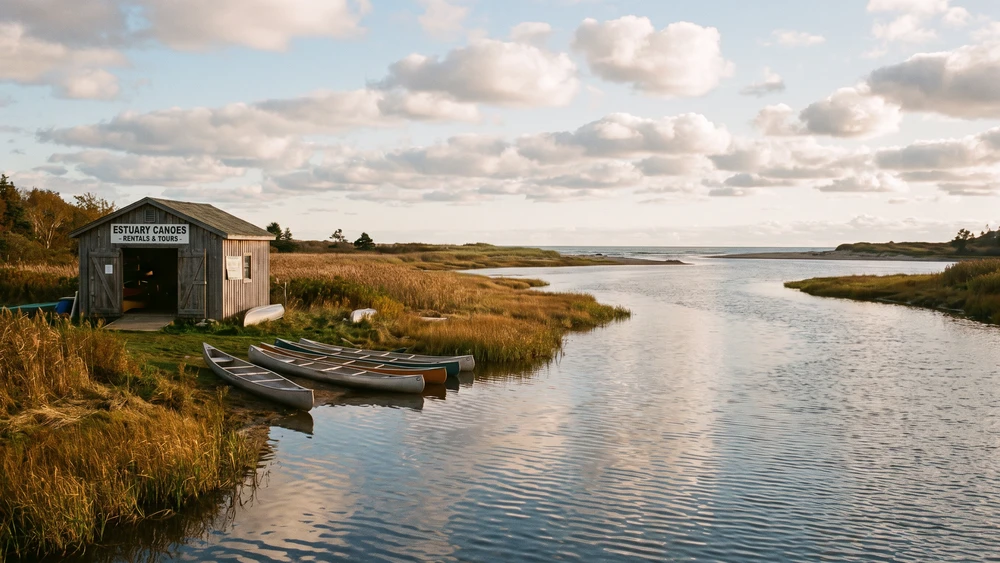
The Kasouga River mouth rarely breaches into the sea, forming a calm, warm lagoon that is highly dependent on rainfall and tidal pushes. The water is generally safe for swimming and ideal for stand-up paddleboarding or canoeing, and it's the spot locals point families toward since the open ocean here has no lifeguards. Navigating a canoe up the river takes you deep into the coastal ravine, offering excellent shelter on windy days and a close-up look at the riparian forest.
Coastal Hikes and Dune Walking
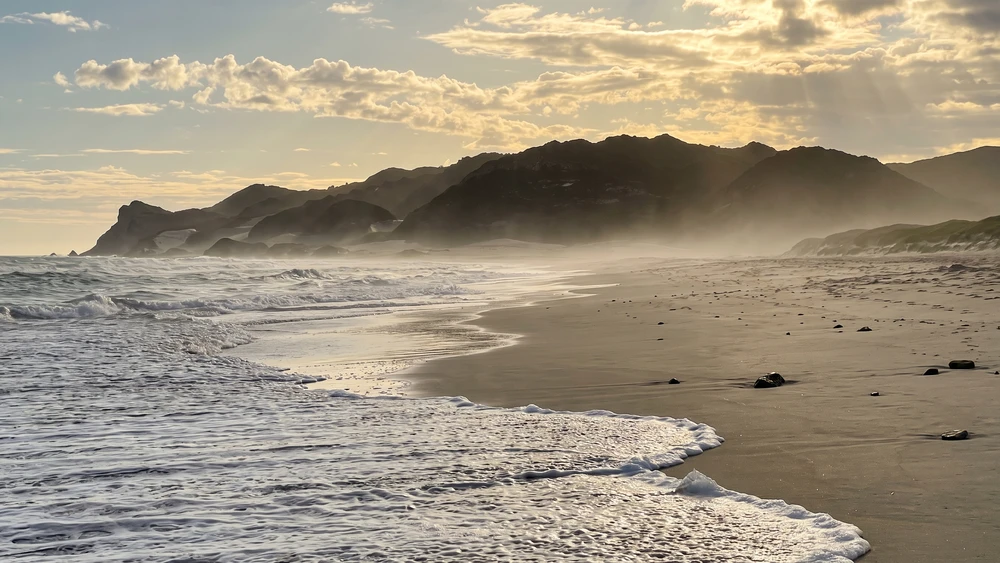
The beach stretches endlessly in both directions. Walking east toward Port Alfred takes you past massive dune fields and secluded rock pools that are exposed during low tide, eventually reaching Ship Rock, a sea stack popular with photographers for its tidal pools at the base. Sandboarding is highly popular among the locals; you just need to bring your own board and find a steep, vegetation-free dune face.
Spotting Blue Duikers and Birdwatching
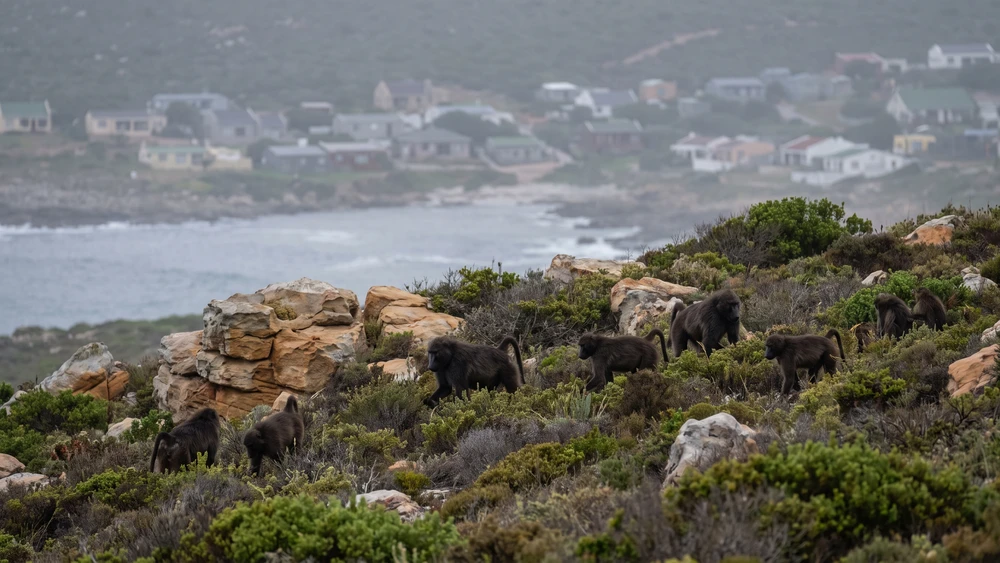
The indigenous forest behind the dunes is a micro-ecosystem. Early mornings and late afternoons present the highest chances of spotting the elusive blue duiker and bushbuck navigating the undergrowth. The birdlife is dense, with fish eagles frequently calling near the estuary and various kingfisher species hunting along the riverbanks. With no streetlights for kilometers in any direction, clear nights also reward visitors with some of the darkest, most star-dense skies on the Sunshine Coast.
The 1825 Bovey Farm and James Ford Hall History
Kasouga's footprint dates back to 1825 when it operated as the Bovey farm. The land was officially subdivided in 1880, laying the groundwork for what is now recognized as the oldest holiday resort in the Eastern Cape. The entire settlement is a declared Heritage Site, which strictly limits new construction and preserves the architectural character of the older cottages.
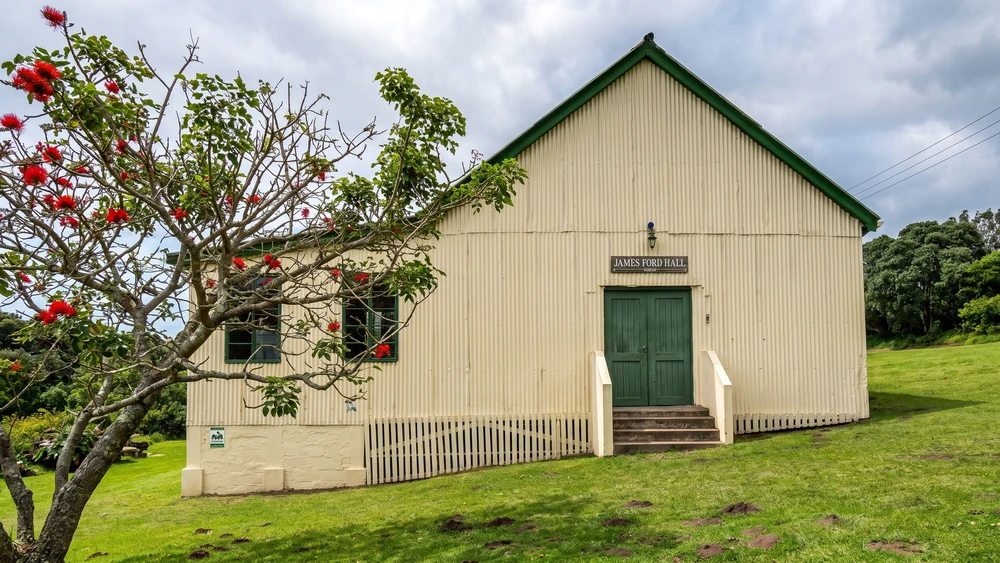
The James Ford Hall, built in 1925, stands as the communal anchor of the village. It features classic vintage architecture and remains in active use for community meetings and local gatherings. Its steps and facade offer a clear glimpse into the 1920s Eastern Cape settlement aesthetic.
Where to Stay in Kasouga (Beyond Airbnb)
Securing a bed is the hardest part of visiting Kasouga. The community largely rejects transient, short-term rental platforms like Booking.com or Airbnb to maintain security and quiet.
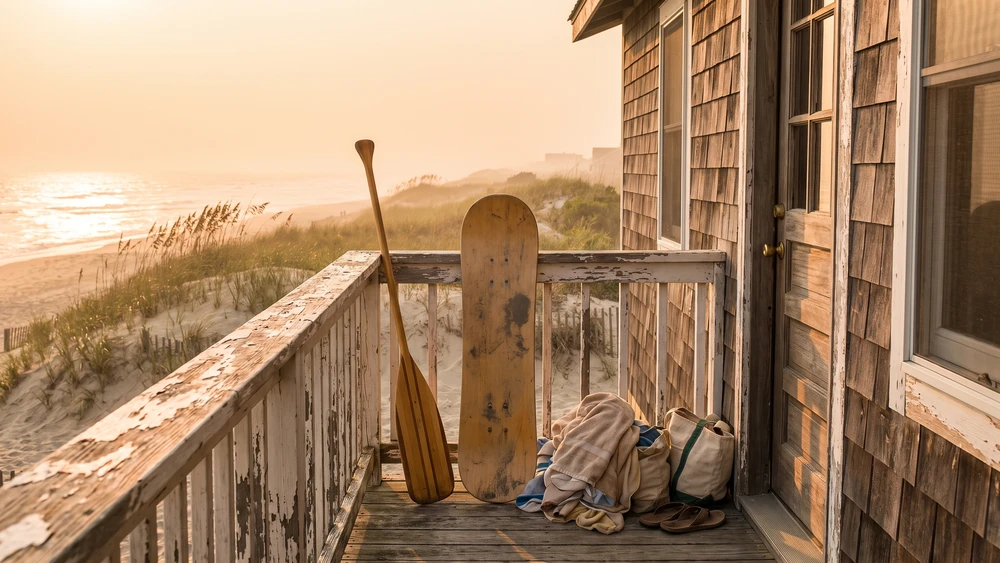
To rent a self-catering home, you need to go through traditional channels. Contacting established local real estate agents in Kenton-on-Sea or Port Alfred is the most reliable method, as they manage the private holiday lets on behalf of the owners. One of the few farm-based cottage properties that do take direct bookings sits just off the R72 between the two towns, giving a sense of what a self-catering stay here actually looks like: simple, sea-facing, and a short walk from the dunes. Booking months in advance is essential regardless of the route you take, especially if you plan to visit during the South African December school holidays, when generational families return to their properties.
If Kasouga's blackout-on-bookings approach appeals to you, the same instinct for staying off the beaten path shows up in other overlooked corners of the map, from Castelmoron-d'Albret, officially France's smallest village, to the abandoned village and beach at Curral Velho on Boa Vista.
What to Pack for Your Visit
Since Kasouga has zero retail footprint, complete self-sufficiency is non-negotiable.
- Groceries and Drinking Water: Stock up on everything in Kenton-on-Sea or Port Alfred before you arrive. Some homes rely on rainwater tanks, so bringing bottled drinking water is a safe backup.
- Medical Supplies: There is no pharmacy in the village. Pack a comprehensive first aid kit, especially if you plan on hiking or fishing around the rocky points.
- Outdoor Gear: Bring your own canoes, sandboards, fishing rods, and beach umbrellas. You cannot rent equipment locally.
- Charcoal and Wood: Evening braais (barbecues) are standard practice. Bring enough fuel for your stay, as foraging for wood in the protected coastal forest is strictly prohibited.