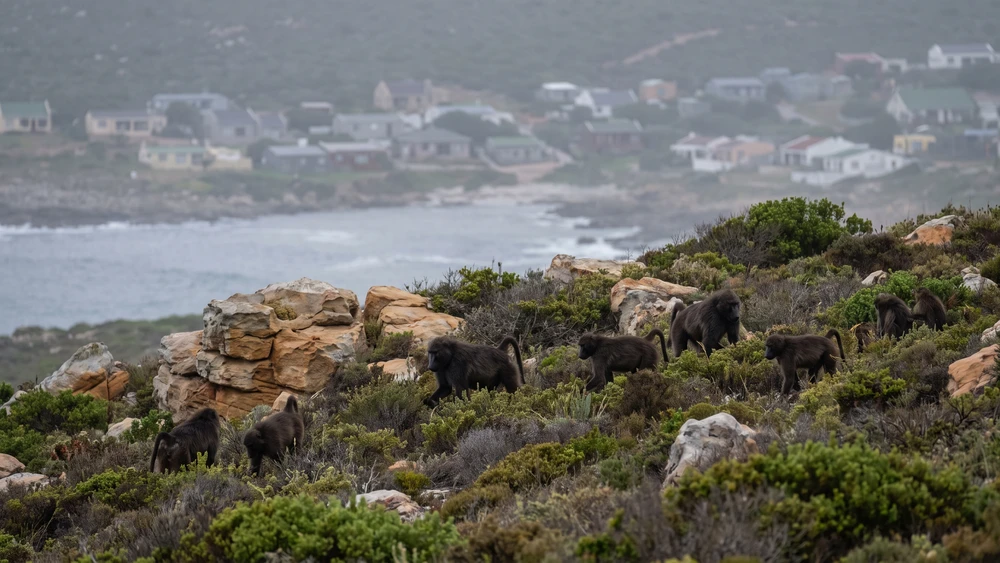
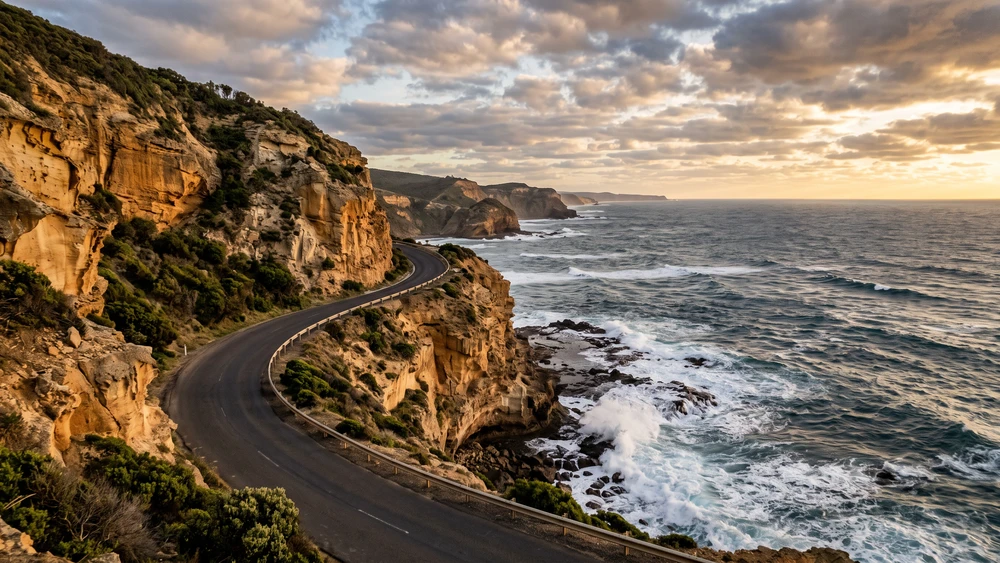
Most visitors driving along the Whale Coast spot the sign for the Palmiet River and assume it's just a rugged hiking trail, entirely missing the separate lagoon entrance designed for flat-water paddling. The estuary here blocks out the rough Atlantic surf, creating a calm, sheltered pocket where the tannin-stained river waters meet the ocean.
- Entry Fee: Free public access to the beach and lagoon area (unlike the nature reserve hikes that require permits).
- Water Type: Calm, shallow, tannin-rich river water flowing into the ocean.
- Pet Policy: Highly dog-friendly (keep on a leash near dense fynbos).
- Key Activities: Kayaking, canoeing, stand-up paddleboarding (SUP), family swimming.
- Facilities: Designated braai (barbecue) spots, grassy picnic areas, and clean ablution blocks at the nearby campsite.
What Makes Palmiet Lagoon Ideal for Water Activities?
Warm, Shallow Waters and Safe Bathing for Families
The ocean side of Kleinmond often features strong tides and cold Atlantic swells. The lagoon is the exact opposite: sandy banks, shallow depths, and a remarkably gentle current. Families can let young kids paddle and splash around without fighting the coastal undertow. The sun easily warms the shallow riverbed, making the water temperature noticeably more comfortable than the open sea just a few meters away.
The Bridge Jump Spot (For the Adventurous)
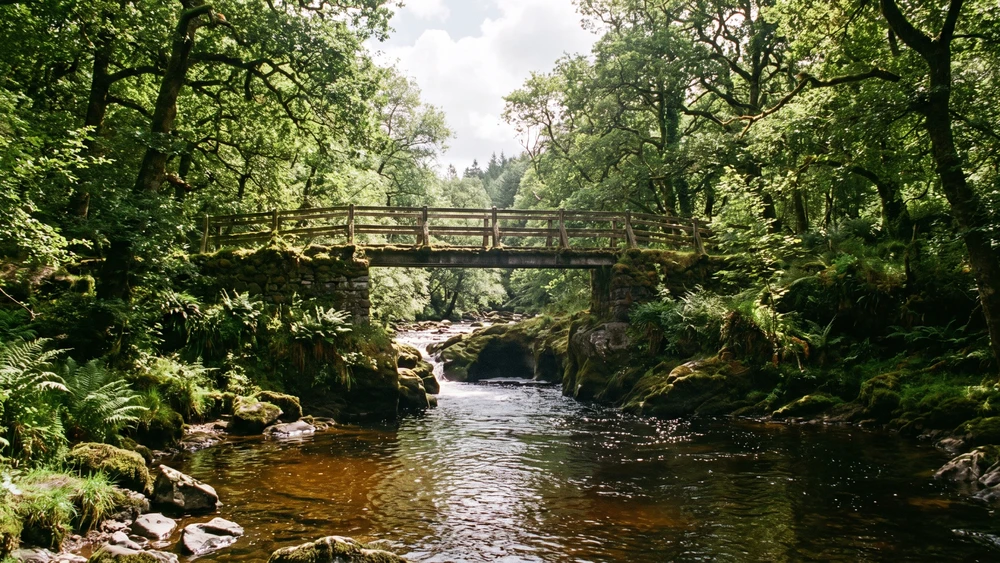
Move slightly upstream away from the estuary mouth, and the water gets deeper near the Palmiet River bridge. Locals know this specific area as a prime bridge-jumping spot. The water here is dark brown, often referred to as Brandy and Coke by residents, due to the natural tannins of the surrounding fynbos plants. It looks dark, but it is exceptionally clean and refreshing.
Canoe and Kayak Rentals at the Estuary
Where to Hire Equipment
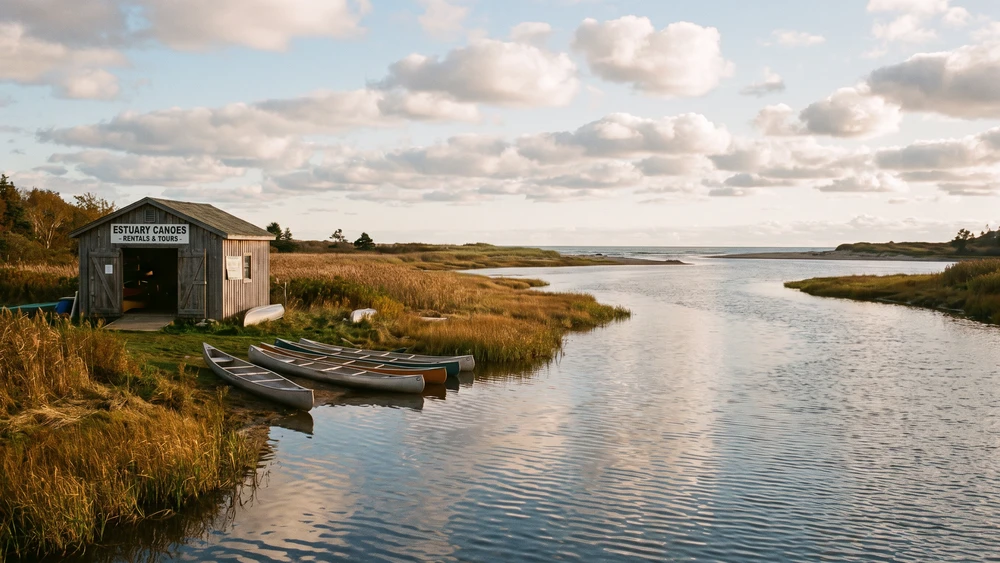
You do not need to haul your own heavy kayak on a roof rack to enjoy the water. A colorful wooden hut sits right on the edge of the lagoon, offering canoe rentals. You can simply arrive, grab a paddle, and launch directly from the grassy banks. From there, you navigate the wide river mouth deep into the weaving, narrow waterways of the estuary.
Best Times to Paddle (Tide and Water Flow Advice)
Timing your paddle makes a massive difference. Paddling upstream against a strong outgoing tide requires serious physical effort. Plan your launch around the incoming (high) tide to drift effortlessly up the estuary, and use the outgoing tide to cruise back toward the beach. A strong high tide also pushes clear ocean water into the lagoon, making the estuary look incredibly inviting for a mid-paddle swim.
Facilities and Practical Information for Visitors
Braai Spots and Picnic Areas
Spending a full day here requires zero logistical stress. The lagoon banks feature well-maintained grassy patches and designated braai areas with spectacular views of the surrounding mountains. Bring your own wood, grid, and supplies. A significant advantage is the proximity to the Palmiet Caravan Park; having access to clean facilities and a proper shower after a day in the salt and sand makes the experience vastly more comfortable.
Pet-Friendly Rules for Dogs
Finding a scenic beach along the Cape coast that actually allows dogs is surprisingly difficult. Palmiet Lagoon fills this gap perfectly. Dogs absolutely love the shallow riverbanks and the open stretches of sand. The only rule to keep in mind is wildlife protection: keep your dog leashed when moving through the denser coastal fynbos or walking near bird nesting areas.
Palmiet River Lagoon vs. Palmiet River Hiking Trail
Tourists frequently confuse the two. The famous Palmiet River Trail requires driving to the Kogelberg Nature Reserve gate, paying a conservation fee, and navigating rugged mountain terrain.
The lagoon is entirely different. It sits right at the estuary mouth on the edge of town, is completely free to enter, and focuses entirely on aquatic leisure and beach days. You can easily camp near the lagoon and do the mountain hike the next morning, but they are two distinct locations.
Surrounding Nature: Kogelberg Biosphere and Wildlife
Spotting the Black Oystercatchers and Wild Horses
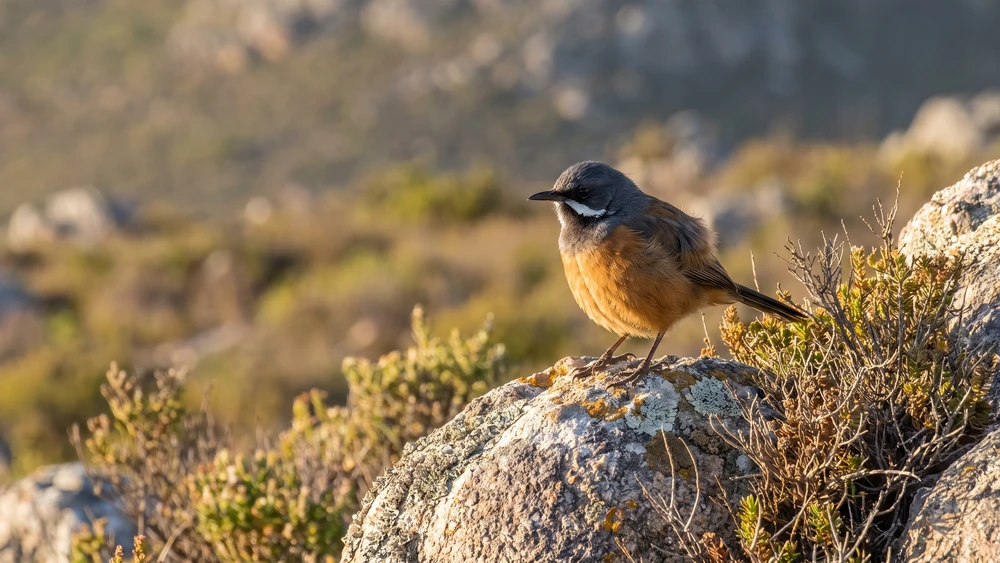
You are paddling right on the edge of a UNESCO-listed Biosphere Reserve, considered the heart of the Cape Floral Kingdom. Keep an eye on the rocky shorelines as you paddle. The protected African Black Oystercatcher (Swarttobie) frequently forages along the rocks here.

If you paddle far enough inland toward the Rooisand side of the wetlands, you might even spot the famous wild horses of the Kogelberg grazing near the marshy grounds. If you happen to stay until dark, the lack of heavy city lights turns the lagoon into a prime stargazing spot, with the Milky Way fully visible on clear nights.