Stepping onto Grenada's rainforest trails in regular running shoes or without cash for local landowners will quickly cut your hiking adventure short. Deep mud, sudden tropical downpours, and razor-sharp grass require strict preparation before you set out into the interior. Knowing the exact access rules and current trail conditions ensures you experience the island's raw volcanic terrain safely.
- Best hiking season: January to May (dry season, less mud)
- Grand Etang entry: EC$5.34 (US$2) per person (2026)
- Seven Sisters entry: EC$5 (US$2) per person (2026)
- Primary transport: Bus #5 (Concord), Bus #6 (Grand Etang) from St. George's
- Essential gear: Sturdy hiking boots, long pants or high socks, small EC dollar bills
- Mt. St. Catherine: Requires a professional local guide
Grand Etang National Park and the Mt Qua Qua Ridge
The high-altitude ridge line of Mt Qua Qua delivers some of the most dramatic panoramic views across Grenada. The trail covers roughly 3 kilometres one-way from the Grand Etang visitor center and connects through the cloud forest along the ridge line. Reaching the summit requires a strenuous climb through dense, mist-covered forest terrain, with the return journey typically taking two to three hours total depending on your fitness and conditions underfoot.
The Grand Etang visitor center itself sits at 530 metres beside an extinct volcanic crater lake. Several shorter trails radiate from here, ranging from the 200-metre Morne LaBaye loop (easy, 15 minutes) to the full Qua Qua ridge expedition. If you arrive and conditions on the upper trail look severe, the Shoreline Trail at 2 kilometres gives a worthwhile taste of the cloud forest without the technical demands of the summit route.
Trail Difficulty and the Reality of the Mud
The path up Mt Qua Qua is notorious for thick, slick clay mud that can easily cause serious slips. Heavy rainfall frequently washes out portions of the narrow ridge trail, turning exposed roots into hazardous steps. You must wear proper hiking boots with deep tread to maintain traction along the steep inclines.
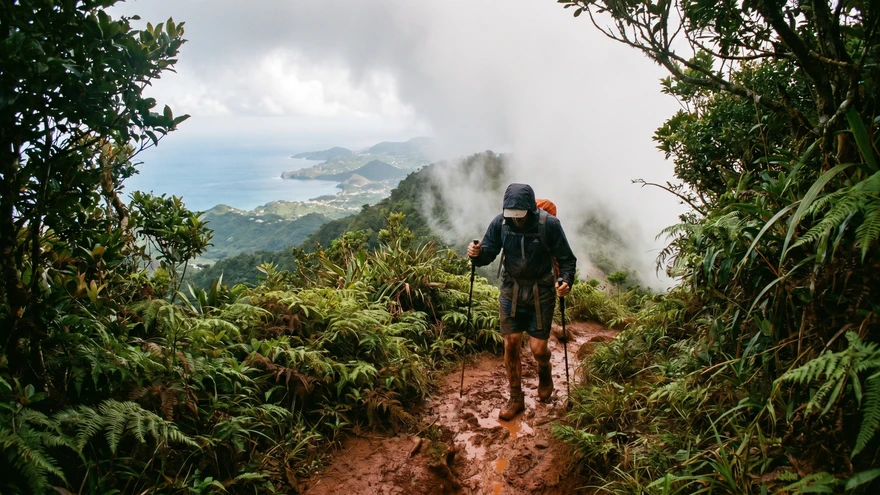
Hikers attempting this route in lightweight sneakers frequently end up sliding down muddy ruts on their descent. The elevation gain reaches approximately 820 feet over the trail length. The trail also brings cooler temperatures and sudden mist at altitude, so carrying a lightweight waterproof jacket is essential even on apparently clear mornings. Late February and March offer the driest and most manageable conditions on the Qua Qua ridge.
Spotting Mona Monkeys
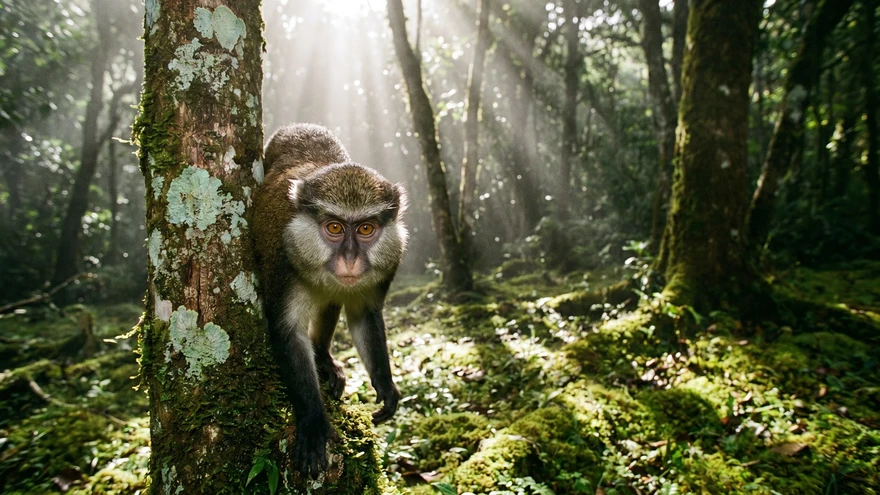
Wild Mona monkeys populate the trees near the Grand Etang visitor center entrance. These primates arrived from West Africa during the eighteenth century and remain highly active throughout the forest canopy.
To see them up close, you can bring sliced bananas or grapes to encourage them down from the high branches. Local handlers often call the monkeys down for visitors in exchange for a small tip in cash. Avoid wearing shiny jewelry or loose sunglasses, as these docile yet curious animals will try to pull them off.
Seven Sisters Waterfalls
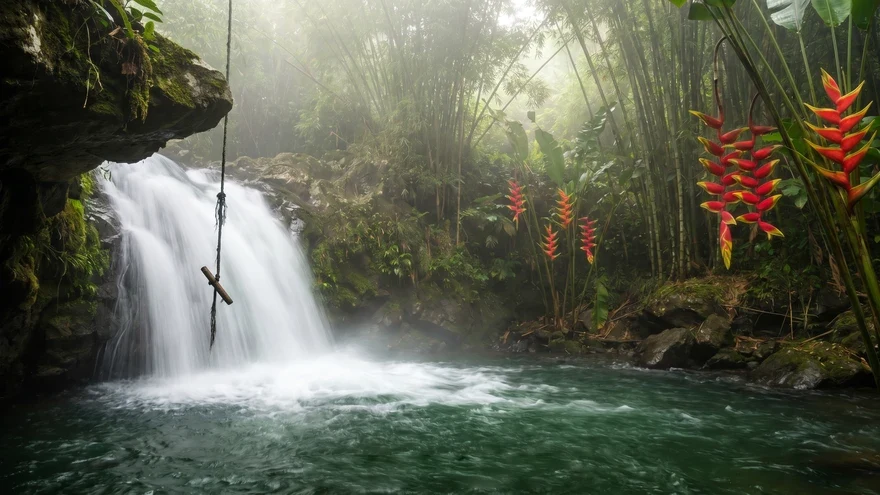
Locally known as St. Margaret's Falls, this destination features a series of seven distinct cascades tumbling through a private agricultural estate. The primary trail leads directly to the lowest two falls, which offer deep, refreshing pools for swimming.
The trail runs through the Grand Etang National Park boundary and involves a 40-minute trek through dense rainforest, large bamboo groves, and heliconias before reaching the first cascade. Most visitors see the lower two falls; navigating to all seven requires a local guide and significantly more time.
book a Seven Sisters hiking tour
The Hike Down and Entrance Fees
Access to the trail requires a payment of EC$5 (US$2) at the entry gate near the parking lot, collected at the Grenada Highwire entrance. If you arrive by private vehicle, limited free parking is available at the trailhead. The trek down into the valley takes roughly thirty to forty minutes along a steep, root-heavy path cut into the hillside.
| Fee Type | Price in EC | Price in USD (Approx.) |
|---|---|---|
| Standard Entry | EC$5 | US$2 |
| Parking | Free (limited spots) | Free |
The property owners provide wooden hiking sticks at the entrance, and rejecting them is a common mistake. The forest floor stays perpetually damp, making the return incline incredibly slippery without extra points of stability. If you hire a local guide, they can safely demonstrate the designated cliff-jumping spots, ranging from ten to forty feet into the deep pools.
The Concord Falls Three-Tier System
The western side of the island holds a progressive three-tier river network consisting of Concord Falls, Au Coin, and Fontainebleau. This system allows you to scale up the difficulty of your trek based on your physical conditioning.
Concord, Au Coin, and Fontainebleau Post-Hurricane Conditions
The first cascade, Concord Falls, sits right next to the paved road and requires no strenuous walking to access. The entry fee of EC$2.50 (US$1) gets you direct access to the sixty-five-foot natural swimming area, with bathroom and changing facilities on site.
For a deeper wilderness adventure, the trail forks into the rainforest toward Au Coin and Fontainebleau. The forty-five-minute hike to Au Coin winds through nutmeg plantations and requires wading through shallow streams.
Recent environmental impacts from Hurricane Beryl have significantly altered the final stretch to Fontainebleau Falls. Major fallen trees and thick jungle debris currently block direct access to the swimming pool at Fontainebleau. While the hike remains possible with an experienced local guide, expect to climb over large trunks and walk directly within the riverbed to catch a view of the upper falls. Check current conditions with local operators before committing to the full three-tier route, as debris clearance is ongoing.
For more on what to see across the island, the Grand Etang National Park hiking trails, Mona monkeys, and crater lake article covers the visitor center facilities and shorter loop trails in detail.
Royal Mount Carmel Waterfalls
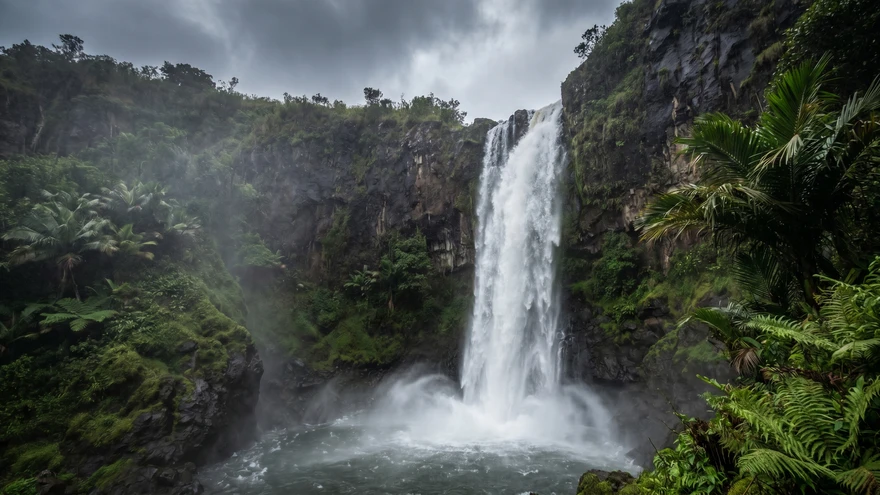
Situated on the eastern coast within St. Andrew Parish, Royal Mount Carmel stands as the tallest single fall system on the island. The main cascade drops seventy feet over a sheer rock face into a wide forest basin.
Accessing the Natural Waterslide
The trail begins on private property behind a local residence and requires a small access fee of EC$5 (US$2) paid directly to the land residents. The walk takes under thirty minutes but passes through unmaintained brush fields.
Wear long pants or high socks along this path to shield your skin from razor-sharp wild grass. Walking through this area without leg protection results in painful scratches. Below the massive main falls, a secondary lower cascade flows over a smooth, algae-coated rock formation that functions as a natural water slide.
Park free on the East Coast road and follow the local staff member who collects fees and directs visitors to the trailhead. The trail is rated easy overall, making this one of the more accessible waterfall excursions on the island.
Mt St Catherine: Conquering the Island's Highest Peak
Standing at 840 metres above sea level, Mt. St. Catherine represents the ultimate trekking challenge in Grenada. The steep, vertical ascent demands excellent cardiovascular stamina and precise footing.
Why a Local Expert is Mandatory for the 840m Summit
Attempting to climb Mt. St. Catherine without a professional local guide is highly dangerous. The trail is completely unmarked, heavily overgrown, and prone to sudden landslides that obscure the path entirely.
A reliable guide can be hired through local operations for roughly $75 to $100 USD depending on group size. The return journey takes a minimum of four hours of intense vertical scrambling through thick mud and tangled roots. The reward at the summit is an unobstructed, panoramic view of the entire coastline, provided you clear the early morning cloud cover before mist rolls in.
For context on Grenada's transport logistics when planning your hiking base, see getting around Grenada for bus routes and taxi options to trailheads. If you want to fold these hikes into a longer stay, a 7-day Grenada itinerary sequences the major trails alongside beach days and town visits.
Essential Gear for Grenada's Rainforest
Navigating the interior safely requires specialized preparation due to the high humidity and rugged undergrowth. Standard vacation clothing will leave you exposed to insects and physical injuries.
- Footwear: Deeply rugged hiking shoes or boots are mandatory. Thin-soled sneakers fail completely in the mountain clay, particularly on the Qua Qua and St. Catherine routes.
- Leg Protection: Long, lightweight trekking pants prevent razor grass cuts on the Mt. Carmel and Au Coin trails. This is non-negotiable on unmaintained paths.
- Financial Essentials: Keep small denominations of Eastern Caribbean Dollars (XCD) on hand, as isolated trail property owners do not accept credit cards or large USD bills. All major trailhead entry fees are collected in cash.
- Insect Defense: High-concentration insect repellent is necessary to fend off mosquitoes within the deep river valleys. A brisk wind on the upper Qua Qua ridge tends to keep mosquitoes away at altitude, but valley sections are a different story.
- Rain Jacket: Even in dry season, cloud forest conditions on Qua Qua and St. Catherine mean sudden, heavy showers that drop temperatures sharply.
If you are planning a longer stay, the Grenada packing list covers clothing and gear recommendations beyond hiking essentials.
For guided tour options across all these trails, browse Grenada hiking tours offers verified operators with inclusive entry fees.