Relying on the island's bus system to hit three different spots in one day is the fastest way to ruin your Grenada trip. To actually experience the spice estates, crater lakes, and remote beaches without losing hours at bus stops, you need a geographically logical route. This breakdown eliminates the dead transit time and layers the island's rugged interior with its coastal highlights.
- Best Time to Visit: January to April - the dry season, though you will face peak hotel rates.
- Getting Around: Route 1 minibuses handle the Grand Anse to St. George's corridor perfectly ($1 USD / 2.50 XCD). A rental car ($50-$70/day) is mandatory for the interior and east coast days.
- Currency: Eastern Caribbean Dollar (XCD), pegged at $1 USD = $2.70 XCD. Carry small bills; card acceptance drops fast outside the main hubs.
- Carriacou Ferry: Osprey Lines runs a 90-minute ferry ($60 USD round trip). Book tickets 48 hours in advance during high season.
Planning Your 7 Days in Grenada: Essential Logistics
Getting Around: Rental Cars vs. Local Buses
Minibuses are cheap and highly efficient for the main coastal stretch. You simply flag down a passing van with a "Route 1" sticker on the windshield. But the moment you want to explore the waterfalls or the chocolate estates up north, the bus system becomes a logistical nightmare requiring multiple confusing transfers.
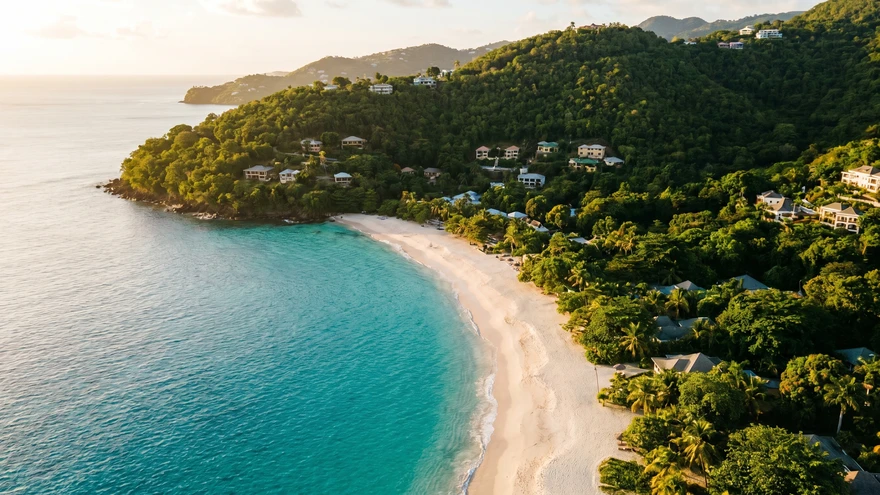
Rent a 4x4 for at least three days of this itinerary. The mountain roads through the interior are steep, winding, and often lack guardrails. A vehicle with good clearance gives you a massive advantage and complete control over your schedule. For a full breakdown of costs and options, see our guide to getting around Grenada.
Where to Base Yourself
Splitting your hotel stay isn't strictly necessary on an island this size, but your base dictates your evening vibe. Grand Anse puts you within walking distance of the island's best stretch of sand, beach bars, and easy minibus access. It is the practical, friction-free choice for first-timers.
St. George's offers a steeper, more historic atmosphere. You find boutique guesthouses clinging to the hills overlooking the harbor. However, navigating those incredibly narrow, one-way streets in a rental car every morning gets old fast.
The 7-Day Grenada Itinerary: Day-by-Day
Day 1: Exploring St. George's and Grand Anse Beach
Drop your bags and head straight into the capital, St. George's. Start at Fort George for a panoramic layout of the Carenage and the harbor below. You pay about $2 USD at the entrance, walking past decaying cannons that point directly out over the terracotta rooftops.
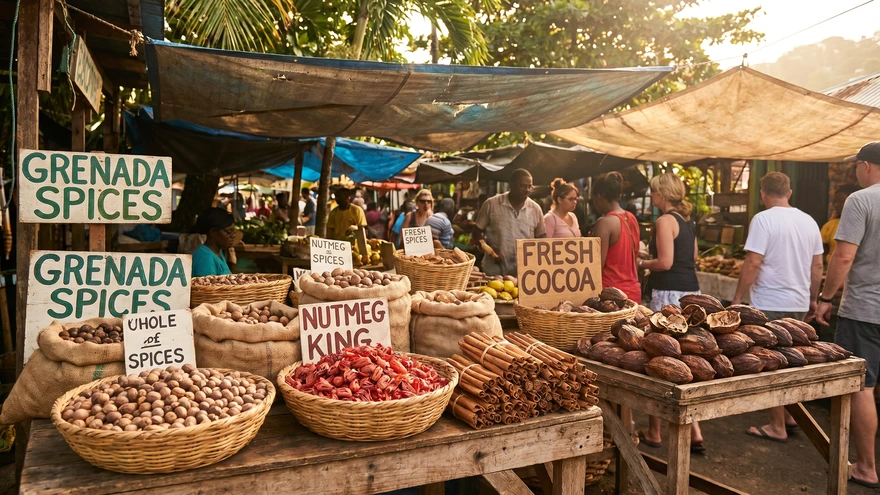
Walk down to Market Square by mid-morning. The area gets loud, crowded, and heavily scented with nutmeg, cinnamon, and fresh produce. Skip the pre-packaged tourist bags and buy your spices loose directly from the local vendors.
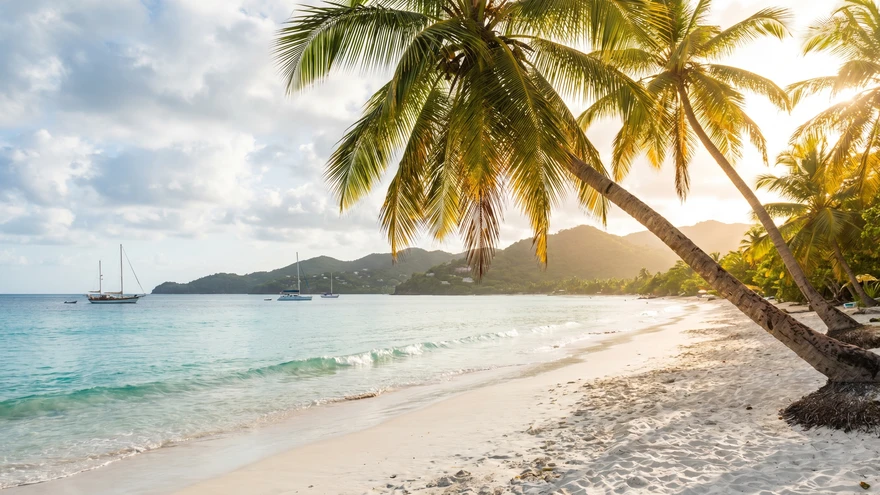
Spend your late afternoon recovering on Grand Anse Beach. Grab an ice-cold Carib beer from Umbrella's Beach Bar. The sand is soft white, the water stays completely calm, and you can easily secure a spot under an almond tree without paying daily rates for a lounger.
Day 2: Waterfalls and Grand Etang National Park
Get an early start to beat the cruise ship crowds heading into the interior. Grand Etang National Park sits directly in the crater of an extinct volcano. Arrive by 8:00 AM, pay the $2 USD entry fee, and you have a solid chance of spotting the resident Mona monkeys along the crater lake trail before the intense heat sets in.
Next, drive down the mountain toward Seven Sisters Falls. The trail here is a proper hike, often muddy and slick, taking about 45 minutes each way. Rent a walking stick from the locals at the trailhead for a dollar - you will absolutely need it on the inclines.
The reward at the end is a dual-tier waterfall spilling into a deep, ice-cold pool. Bring water shoes in your daypack. The rocks beneath the surface are notoriously sharp and slippery. For more trail options and difficulty ratings, check the full hiking in Grenada guide.
Day 3: Molinere Underwater Sculpture Park
You cannot leave Grenada without seeing the Caribbean's first underwater sculpture park. Located just north of St. George's, the site features dozens of concrete figures slowly transforming into artificial reefs.
Booking a snorkel tour on a catamaran is the standard approach, usually costing around $60-$80 USD. However, if you are a highly confident swimmer, you can drive to Dragon Bay, pay a small marine park fee, and snorkel out to the sculptures yourself.
The figures sit at varying depths from 10 to 25 feet. The famous "Vicissitudes" ring of children is easily visible from the surface. Free-diving gets you close enough to see the vibrant sponges and fire corals taking over the concrete faces.
Day 4: The Spice Route and Belmont Estate
Dedicate today to the northern parish of St. Patrick. Drive up the west coast to the Gouyave Nutmeg Processing Station. A $3 USD tour takes you through the massive, multi-level wooden facility where workers still sort and grade nutmeg by hand. The spicy, earthy smell hits you blocks away.
Continue north to Belmont Estate, a fully operational 17th-century plantation. They handle the entire tree-to-bar chocolate making process on-site. Their comprehensive tour ($6 USD) walks you right through the cocoa fermentation bins and the sun-drying trays. See a deeper look at both stops in the Grenada chocolate and spice tours guide.
Have lunch at their open-air plantation restaurant. Their traditional goat curry and callaloo soup represent some of the most authentic, farm-to-table Grenadian food available on the island.
Day 5: Carriacou Day Trip
Catch the 9:00 AM Osprey ferry from St. George's to Carriacou. The 90-minute crossing over open ocean can be incredibly rough. Take motion sickness medication an hour before departure, even if you think you have strong sea legs.
Once you dock in Hillsborough, you step into a much slower, older version of the Caribbean. Hire a local water taxi from Paradise Beach, then cross over to Sandy Island. It is a tiny, uninhabited strip of sand featuring a single palm tree and some of the clearest snorkeling visibility in the entire region.
Grab fresh seafood at a rum shop in Tyrell Bay before catching the 3:30 PM ferry back to the mainland. It is a highly compressed day, but entirely worth the logistical effort. Full schedule details are covered in the Osprey ferry guide to Carriacou.
Day 6: Rum Tasting and the Rugged East Coast
The east coast of Grenada takes the full force of the Atlantic Ocean. The landscape turns wilder, and the ocean is far too rough for casual swimming. Drive straight to River Antoine Rum Distillery, the oldest functioning water-propelled distillery in the Caribbean.
The tour costs roughly $2 USD. They still crush the raw sugar cane using a massive water wheel and boil the juice in open iron pots. They bottle a rum so strong (75% ABV) it is literally illegal to carry on a commercial airplane, though they sell a travel-safe 69% version for tourists.
Head down to La Sagesse Nature Center for a late lunch. The crescent-shaped bay here is completely protected, surrounded by dense mangroves, and offers a stark, calm contrast to the aggressive Atlantic coast you just drove through.
Day 7: Last-Morning Errands and Departure
Keep your final morning completely unscripted. If you missed picking up authentic, locally sourced chocolate bars, swing by the House of Chocolate in St. George's.
Take one last swim at Morne Rouge, locally known as BBC Beach. It is the quieter, shallower neighbor to Grand Anse, practically wave-free, and largely ignored by the cruise ship crowds.
Pack your bags and head to Maurice Bishop International Airport. The terminal is small and highly efficient. Arriving two hours before your scheduled flight gives you more than enough time to clear security and grab a final coffee.