Walking between Hagar Qim and Mnajdra at noon without shade turns a spectacular archaeological visit into an exhausting endurance test. Arriving early in the morning not only saves you from the harsh Mediterranean sun but also gives you the chance to experience these megalithic structures in absolute silence before the tour buses arrive.
- Location: Qrendi, southwest coast of Malta
- Bus Routes: Route 74 from Valletta, Route 201 from the airport or Mdina
- Duration: Allocate 2 to 3 hours to fully explore the museum, both temples, and the surrounding nature trails
- Audio Tour: A free downloadable mobile app is available via QR code at the ticket office. Bring your own headphones for a hands-free experience
- Accessibility: The main visitor center and Hagar Qim are highly accessible, but the 500-meter downhill path to Mnajdra is steep and challenging for mobility scooters
What Makes Hagar Qim and Mnajdra So Important?
These structures completely redefine our understanding of human history. They were already standing tall a millennium before the first stones were laid at Stonehenge. The sheer scale of the limestone blocks is staggering. The builders used no cranes and no metal tools, relying purely on human ingenuity and physical strength.
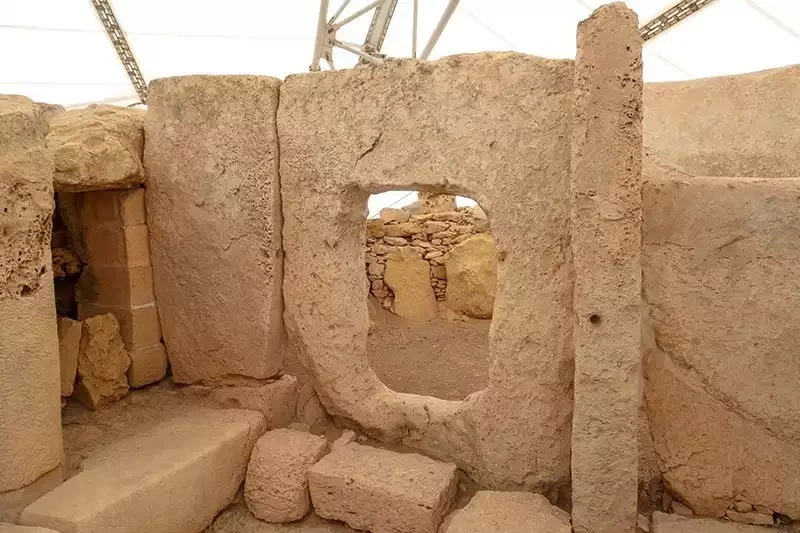
The atmosphere around the complex is deeply grounding. The air carries sea salt, the surrounding garrigue landscape is vast and untouched. You can easily feel a profound connection to the ancient communities who built their lives around these stones.
The Solstice Alignments at Mnajdra
Mnajdra is not just a collection of old rocks - it is a highly sophisticated astronomical clock. The layout of the South Temple proves that these ancient builders had an advanced understanding of celestial movements.
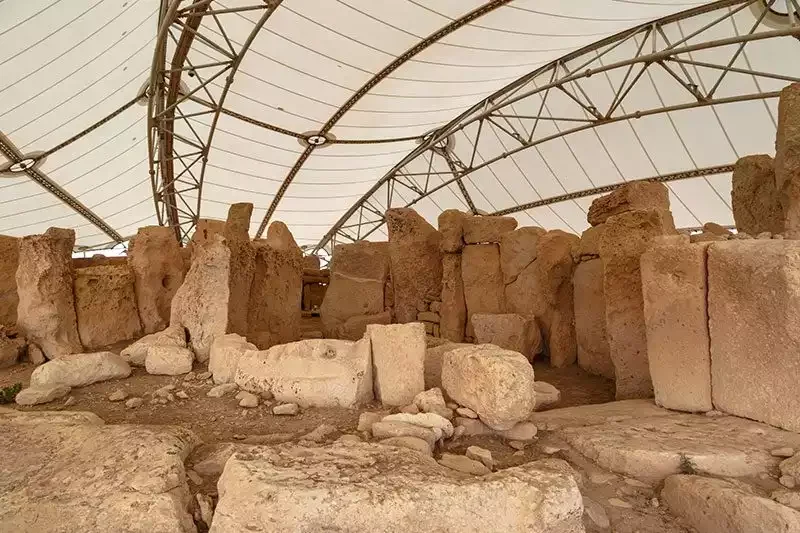
During the spring and autumn equinoxes, sunlight passes perfectly through the main doorway to illuminate the central axis. On the summer and winter solstices, the rays strike specific megaliths with pinpoint accuracy. This precise geometry reveals a community deeply in tune with the rhythms of nature.
What to Expect During Your Visit
The entire archaeological park is designed to give you context before you step out into the elements. The flow of the visit is well structured from start to finish.
The 4D Interactive Visitor Centre
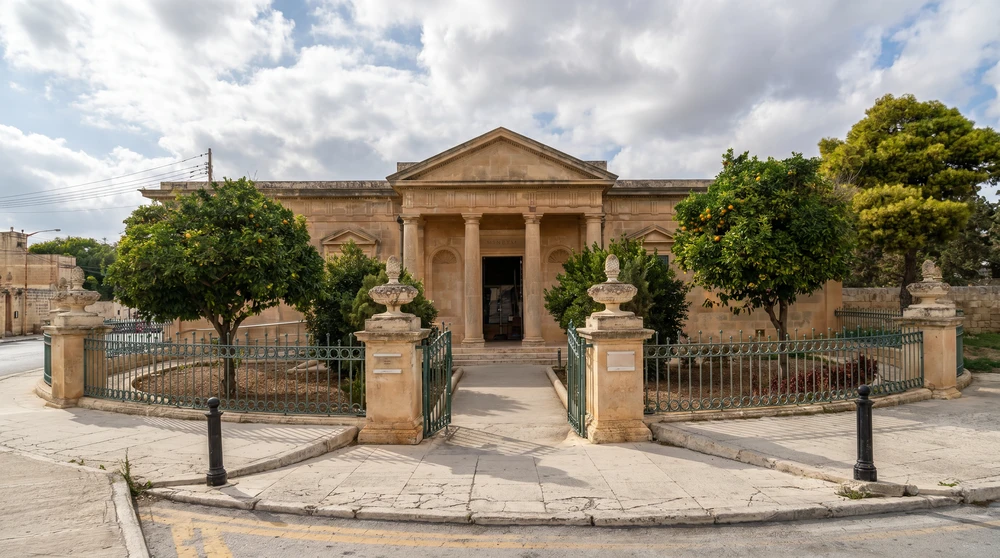
Your experience starts indoors with a 4D video presentation. This short film provides essential background on how the temples were constructed and their possible purposes. The interactive museum exhibits allow you to visualize the original layout of the site - a fantastic primer that makes the actual ruins much more meaningful.

Exploring Hagar Qim
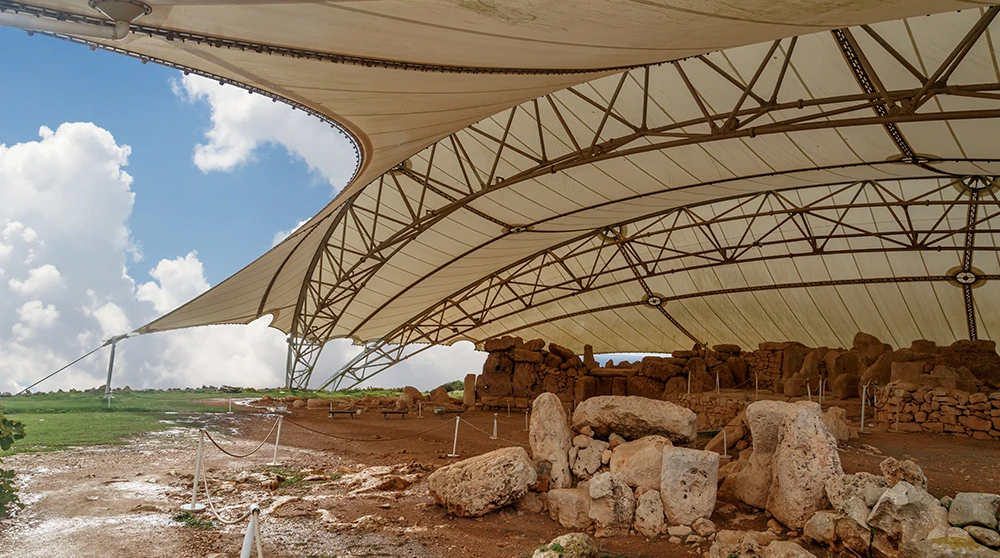
A short walk from the visitor center brings you to the first and larger complex. Hagar Qim sits on a ridge. A massive protective canopy covers the site, providing welcome shade while keeping the fragile globigerina limestone safe from weathering.
You can walk on specially constructed wooden pathways right through the center of the ruins. The outer wall features a colossal megalith weighing approximately 20 tons. Seeing this block up close puts the engineering capabilities of these early inhabitants into perspective.
The Walk Down to Mnajdra Temple
The second complex lies about 500 meters downhill from Hagar Qim. The pathway is fully exposed to the sun, the descent steady and scenic. Out in the distance, the uninhabited islet of Filfla breaks the horizon.
Mnajdra feels remarkably different. It is constructed from a harder, pinkish coralline limestone. The energy here is peaceful. Sitting quietly and listening to the birds nesting in the rafters of the protective tent is a genuinely rich experience. Keep in mind that the steep walk back up the slope requires a bit of effort.
Practical Information for Planning Your Trip
Getting to the site is straightforward, even if you rely entirely on public transport. The bus stop is conveniently located right outside the main entrance gates.
Tickets and Prices
A single admission ticket grants access to both temples and the visitor center. Tickets can be purchased online in advance or at the visitor center on arrival.
| Visitor Type | Price |
|---|---|
| Adult | €10 |
| Senior (60+) | €7.50 |
| Student | €7.50 |
| Child (under 12) | Free |
The Heritage Malta Multi-Site Pass (€25) covers five major archaeological sites including Hagar Qim and Mnajdra - a good deal if you plan to visit multiple Heritage Malta properties during your trip.
Opening Hours
- Summer (April-October): 09:00 - 18:00 (last entry 17:30)
- Winter (November-March): 09:00 - 17:00 (last entry 16:30)
How to Get There by Bus
If you are coming from Valletta, Bus 74 is your most direct option, running roughly every 30 minutes during peak hours. The journey takes around 45 minutes. For those traveling from the airport or Mdina, Bus 201 drops you at the same stop. Free parking is available on-site for around 50 cars - arrive before 10:00 AM in summer to secure a space.
Audio Guide
Once inside, scan the QR code at the ticket office to access the official Heritage Malta audio guide. This digital tour is available in multiple languages and provides context about the discovery, construction, and astronomical significance of the ruins. Using your own headphones is recommended so you can listen comfortably as you walk through the chambers and outdoor paths.
Essential Tips Before You Arrive
To make the most of your visit, a little preparation goes a long way. The terrain is rugged and the elements can be unforgiving.
- Wear sturdy walking shoes: The ground around the ruins and connecting paths is uneven throughout
- Pack sun protection: The downhill walk between the two temples offers zero shade - a hat and sunscreen are non-negotiable
- Bring your own water: There is a small shop at the entrance, but having a bottle during the walk to Mnajdra is essential
- Consider a sunset visit: If you cannot make it early, late afternoon is a good alternative. The setting sun makes the honey-colored limestone glow beautifully against the deep blue sea
For more context on visiting prehistoric sites around the region, check out our guide to the National Museum of Lithuania and the Houston Museum of Natural Science for comparison on how different cultures approach displaying ancient history.