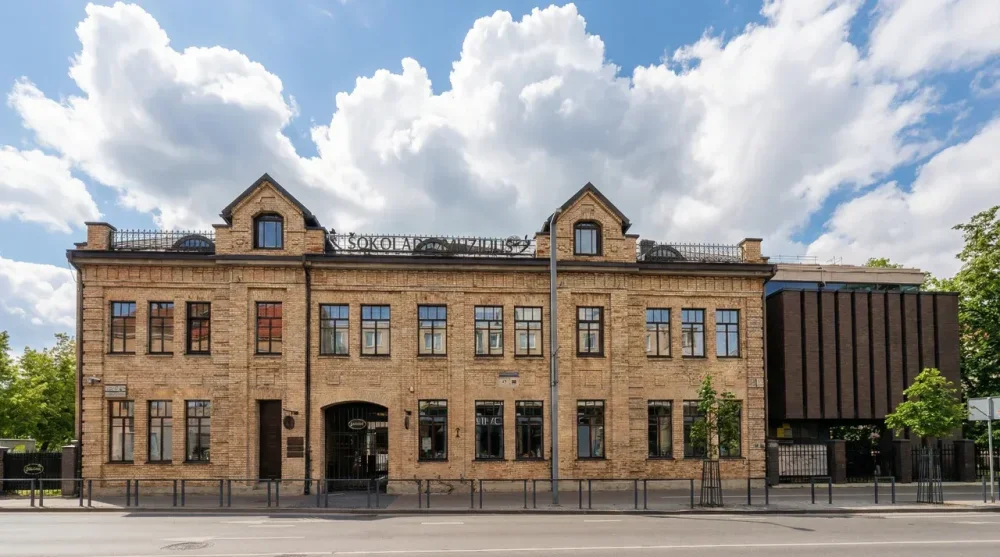
Standing in front of the building at Aukų street, the facade looks like any other monumental European architecture. The reality inside is entirely different. This structure served as the headquarters for both the Gestapo and the KGB.
Today, it stands as the Museum of Occupations and Freedom Fights, offering an unfiltered look into Lithuania's dark 20th-century history. Step inside and prepare for an emotionally heavy but absolutely essential experience. If you are exploring the best places to visit in the Baltics, this stop requires your full attention.
| Feature | Details |
|---|---|
| Adult Ticket | €6 |
| Student/Senior Ticket | €3 |
| Audio Guide | €5 |
| Opening Hours | Wed-Sat 10:00-18:00, Sun 10:00-17:00 |
| Recommended Time | 2 to 3 hours |
What to Expect at the Museum of Occupations and Freedom Fights?
This is not a modernized, highly interactive tourist attraction. The exhibits are dense, text-heavy, and unapologetically raw. The environment feels exactly as it was left in 1991. You walk through the actual corridors where political prisoners, resistance fighters, and ordinary citizens faced unimaginable cruelty.
The upper floors require a lot of reading. Without the background context, the sheer volume of documents and photographs easily becomes overwhelming. Grab the €5 audio guide at the entrance. It transforms those dense information boards into gripping personal stories and helps you navigate the complex timeline of Soviet and Nazi occupations.
KGB Museum Vilnius Floor Plan: What to See?
The building consists of three main areas. Start your visit from the top and make your way down, or head straight to the basement if you prefer to tackle the heaviest part first.
First Floor: Sovietisation and Guerrilla War (1940-1953)
The first floor introduces the early days of occupation and the fierce Lithuanian resistance. You enter the former office of the KGB Deputy Chief. The desk, the vintage communication equipment, and the maps remain intact.
The room is quiet, the atmosphere tense. Pay close attention to the exhibits detailing the Forest Brothers, the armed guerrilla units who fought back from the dense Lithuanian woods.
Second Floor: Gulags and KGB Operations (1954-1991)
Climb the stairs to discover the harsh reality of deportations. This section focuses on the imprisonment of Lithuanians in remote Siberian gulags. The walls display personal items, diaries, and photographs of families torn apart. The visual evidence of the KGB's surveillance tactics from the later Soviet years highlights how deeply the regime infiltrated everyday life.
The Basement: Interrogation and Isolation Cells
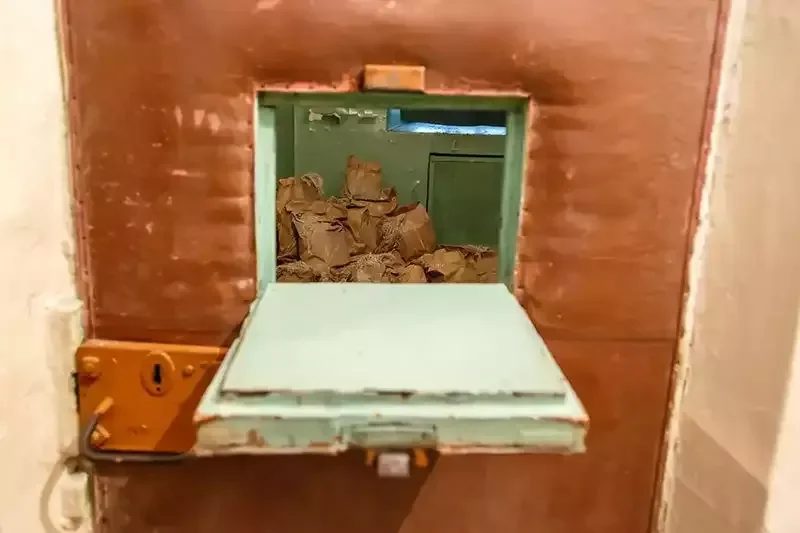
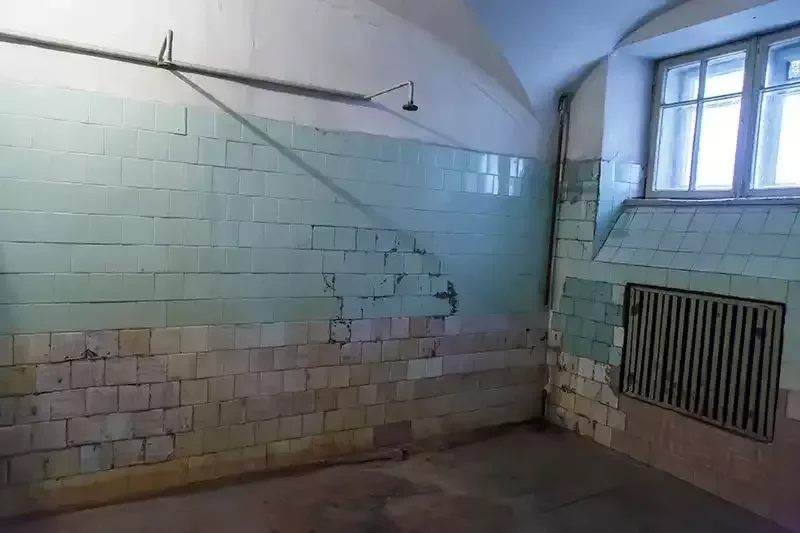
This is the most impactful part of the entire museum. Walk down the concrete steps and feel the immediate drop in temperature. The air is damp, the corridors claustrophobically narrow. You are now in the actual KGB internal prison.
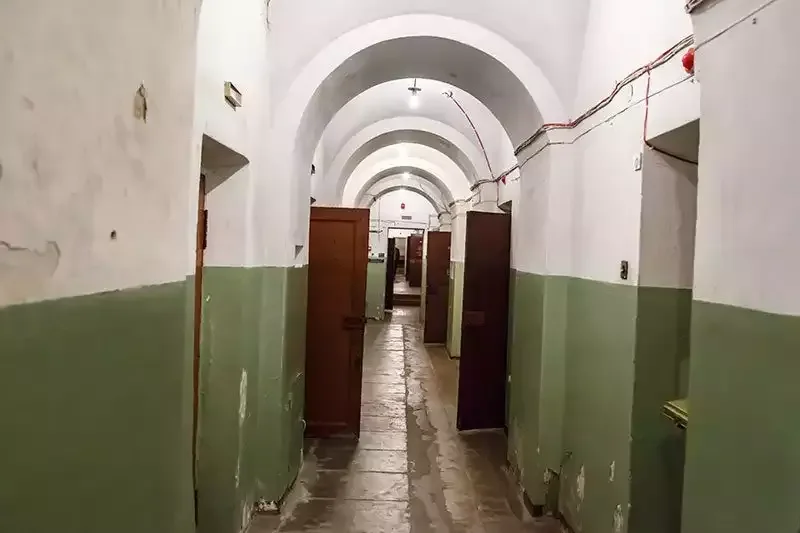
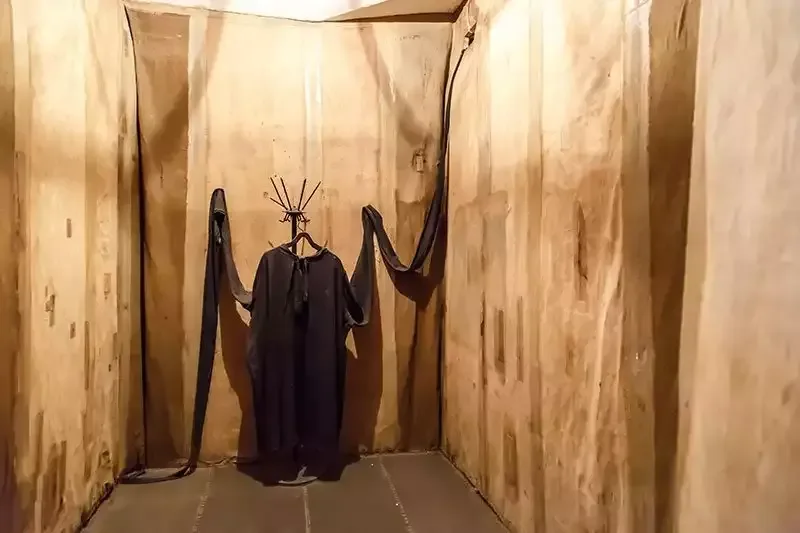
The cells remain exactly as they were decades ago. Look inside the padded isolation rooms built to muffle the screams of prisoners. Notice the infamous water cell, where inmates stood on a small metal platform surrounded by freezing water for hours.
The execution chamber at the end of the hallway is profoundly unsettling. Many visitors spend only a few seconds here before needing fresh air. Keep children under 12 away from this specific section, as the visual documentation is extremely graphic.
KGB Museum Vilnius Tickets and Opening Hours 2026
Planning your visit requires checking the calendar, as the museum stays closed on Mondays and Tuesdays. It operates from Wednesday to Saturday between 10:00 and 18:00, and on Sundays from 10:00 to 17:00.
Ticket prices are quite budget-friendly. Standard adult entry costs €6. If you are a student, bring your physical ISIC card to get the discounted €3 ticket. Standard university IDs from other countries often get rejected at the counter. Seniors and visitors with disabilities also benefit from the reduced rate.
How to Visit the Museum for Free?
Budget travelers have excellent opportunities to explore this historic site without paying the entrance fee. If you hold a valid Vilnius Pass, you get instant free access to the permanent exhibitions.
Lithuania also grants free entry on several national holidays and days of remembrance. Mark these dates on your calendar if you plan a trip in 2026:
- January 12 and 13
- February 16
- March 11
- May 18
- June 14 and 15
- August 23
- September 23 and 28
Practical Tips for Your Visit
Visiting this site drains you emotionally and physically. Prepare yourself for a solemn experience and plan a lighthearted activity, like a quiet coffee break, right after you leave.
- Time Allocation: Set aside at least 2 to 3 hours. Rushing through the basement cells ruins the historical impact.
- Accessibility: The building is a historic prison. There are numerous steep stairs and no modern elevators, making it inaccessible for wheelchair users.
- Guided Tours: While the audio guide is fantastic, booking a live guided tour provides a much deeper understanding of the local context. The guides often share stories not found on the display boards.
- Temperature: The basement cells stay notoriously cold even in the middle of summer. Bring a light jacket or sweater.