Grand Cayman holds a Level 1 safety rating from the U.S. State Department, making it statistically as secure as walking through a quiet suburban neighborhood. You can absolutely relax here, but you still need to know exactly which beaches get isolated after dark and how to handle the aggressive tropical sun.
- Travel Advisory Level: Level 1 (Exercise Normal Precautions).
- Emergency Assistance: Dial 911 for immediate police or medical response.
- Tap Water Safety: Completely safe to drink island-wide.
- Crime Rate: Very low at 5.6 homicides per 100,000, with violent crime almost entirely restricted to isolated local disputes.
- Hurricane Risk Window: June through November, peaking between August and October.
Crime Rates in Grand Cayman: What the Statistics Actually Say
The island remains incredibly peaceful, but petty theft exists everywhere. You will rarely hear about violent crime affecting tourists in the popular zones. Serious incidents are almost exclusively confined to residential disputes far from the main hotel strips. The police presence is strong, and the tight-knit local community does not tolerate crime against visitors.
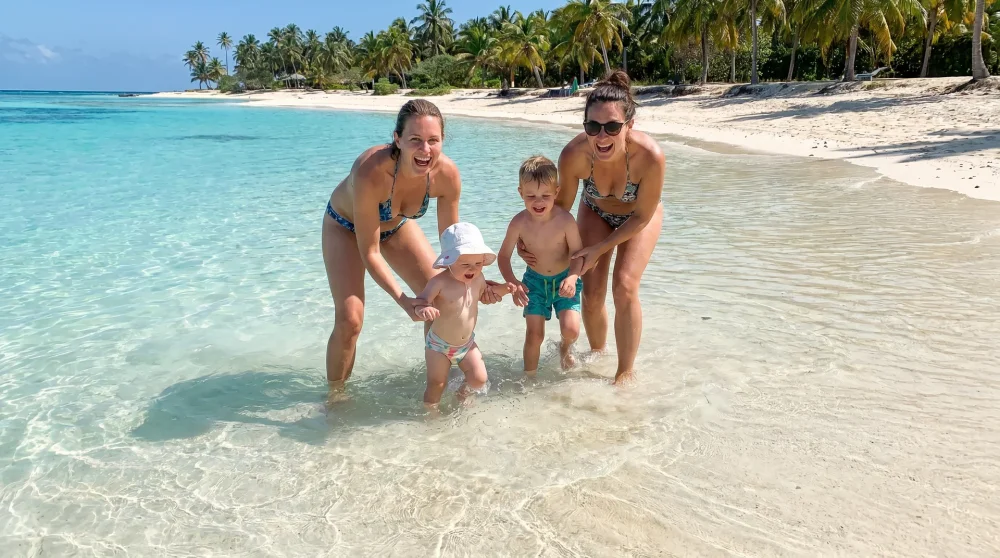
(https://www.thetripverdict.com/starfish-point-grand-cayman) and Rum Point keep water depth minimal and wave action almost nonexistent, making them ideal for families with small children."]
Petty Crime vs. Violent Crime
Your biggest vulnerability on Seven Mile Beach is leaving a smartphone unattended on a beach towel while swimming. Purse snatching and opportunistic theft occur occasionally. Always use your hotel safe to lock away your passport and excess cash. If you plan on exploring other parts of the Cayman Islands, you will quickly realize Grand Cayman is remarkably secure, but basic situational awareness remains mandatory. Do not carry flashy valuables when walking alone at night.
Solo Female Travel: Navigating the Island Safely
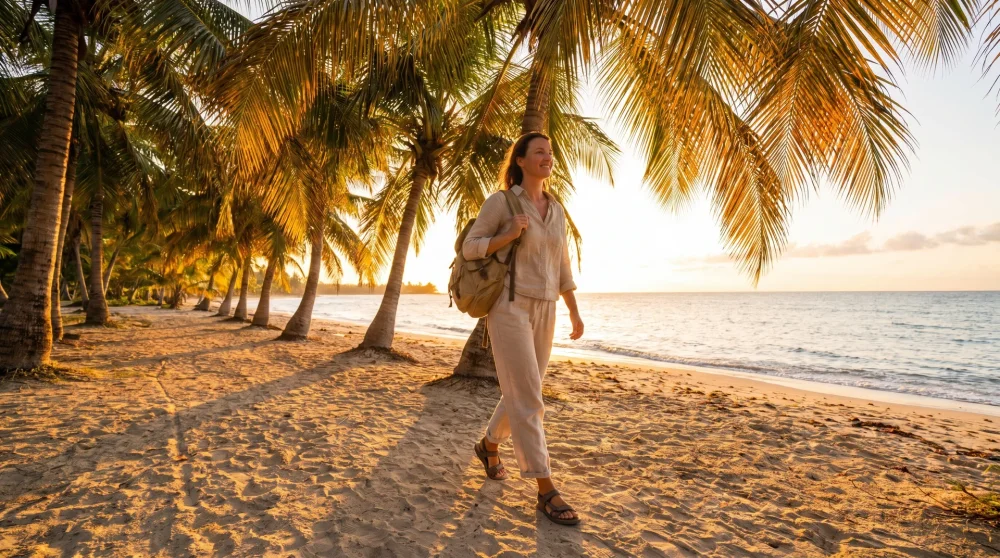
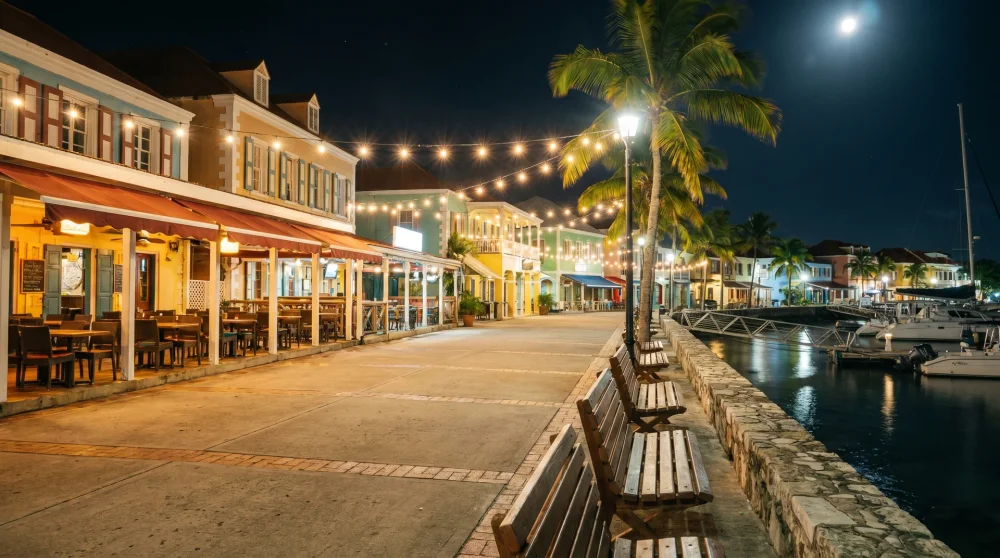
Exploring the island alone is highly manageable and common. Safe public minibuses run consistently along the main roads, providing a reliable and cheap alternative to private taxis. Walking alone at night is generally fine in well-lit resort areas, but deserted shorelines and poorly lit side streets are best avoided after dusk. Spiked drinks are a universal reality in nightlife districts. Never leave your cocktail unattended at local beach bars, and politely decline drinks from strangers.
Family Safety: Ocean Currents, Dengue, and Sun Protection
Traveling with children requires a shift in focus from street crime to environmental hazards. The tropical sun here is unforgiving and causes severe burns rapidly. Reapply reef-safe sunscreen constantly. Dengue fever is present on the island, so pack an EPA-approved insect repellent to keep mosquitoes away, particularly during sunrise and sunset.
If you are building a comprehensive itinerary, prioritize beaches with calm, shallow waters like Starfish Point to avoid strong undertows. Understanding how much it costs to visit the Cayman Islands ahead of time will help you budget for quality accommodation near safer, well-monitored beaches.
Medical Care: Hospitals and Hyperbaric Chambers
Medical tourism and diving accidents require world-class infrastructure. George Town Hospital is a modern, state-of-the-art public facility equipped for major emergencies and critical care. It houses a dedicated two-person hyperbaric decompression chamber specifically for scuba diving emergencies. Treatment quality is excellent but heavily expensive. Getting comprehensive travel insurance that covers medical evacuation is absolutely crucial before you fly. Get travel insurance that includes medical evacuation cover before departing.

Surviving Hurricane Season
The Atlantic hurricane season naturally affects the entire region. Direct hits are statistically rare due to the island's western position, and most years pass with only heavy rainfall.
Local authorities operate highly accurate forecasting systems and usually issue a three to five-day warning window before a major storm hits. Follow the public safety officials' guidance immediately. Locate the closest evacuation shelter if instructed, and never leave your secure building until the storm is officially declared over.
Practical Rules to Avoid Tourist Scams
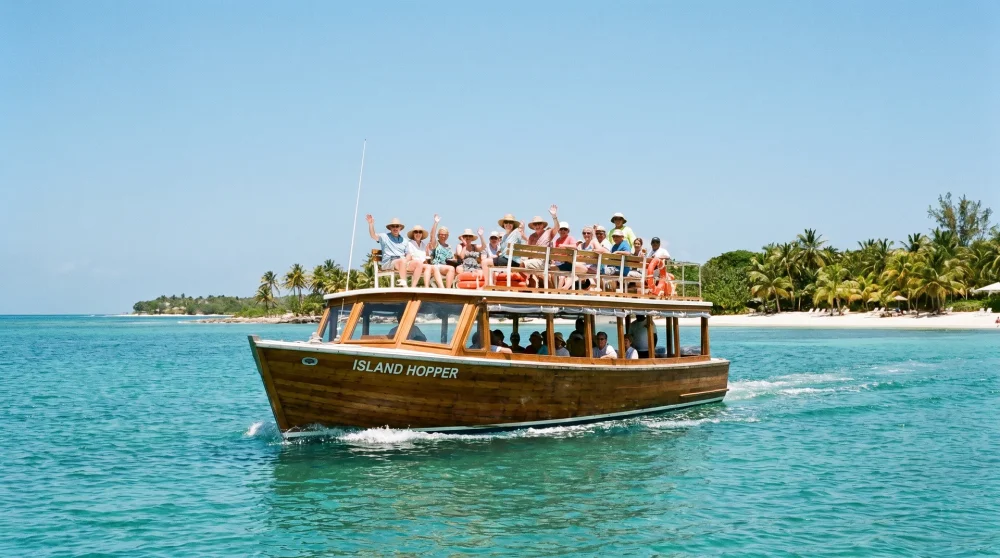
Scams here are surprisingly rare compared to other global hot spots. Before your trip, take a few minutes to Get travel insurance that covers trip cancellation and medical emergencies. Your main vulnerability lies in booking shady excursions online before you even arrive. Always verify that aquatic equipment on tour boats is well-maintained and that the operator provides sufficient life jackets. Stick to established, long-running charter companies for your Stingray City trips to ensure a safe and strictly regulated experience. When using taxis or the CI:GO app around the island, confirm the fixed fare before you get in to avoid any pricing disputes.