Starfish Point is one of Grand Cayman's most photographed natural attractions - a shallow sandbar on the island's north shore where Red Cushion Sea Stars dot the ocean floor in crystal-clear knee-deep water. Entry is free, there are no tickets to book, and the experience depends almost entirely on when you arrive. This guide covers how to get there, the best time to visit, what facilities exist, and the rules you need to follow around the sea stars.
What Makes Starfish Point Special
This quiet sandbar sits on the northern shore of Grand Cayman near Cayman Kai. The water remains knee-deep and crystal-clear for a significant stretch before reaching a sudden drop-off. These shallow seagrass beds provide a vital nursery and a constant clam supply for the sea stars.
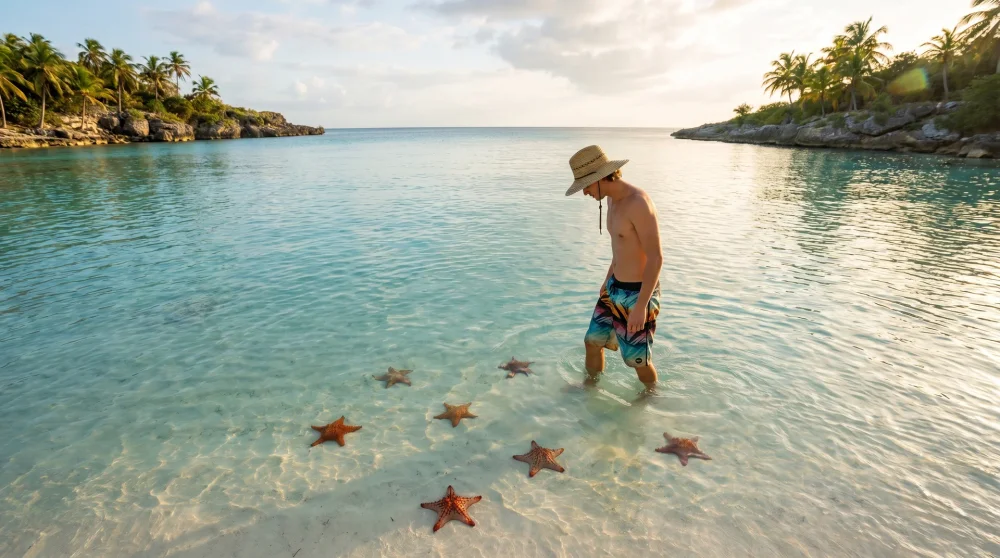
If you are exploring the Cayman Islands, this shallow cove stands out for its unique ecological makeup. You can easily wade into the water and spot the bright red and orange creatures dotting the ocean floor. Snorkeling gear is entirely optional for the shallows, but it becomes highly useful if you want to explore the deeper edge where even more marine life gathers.
How to Get to Starfish Point
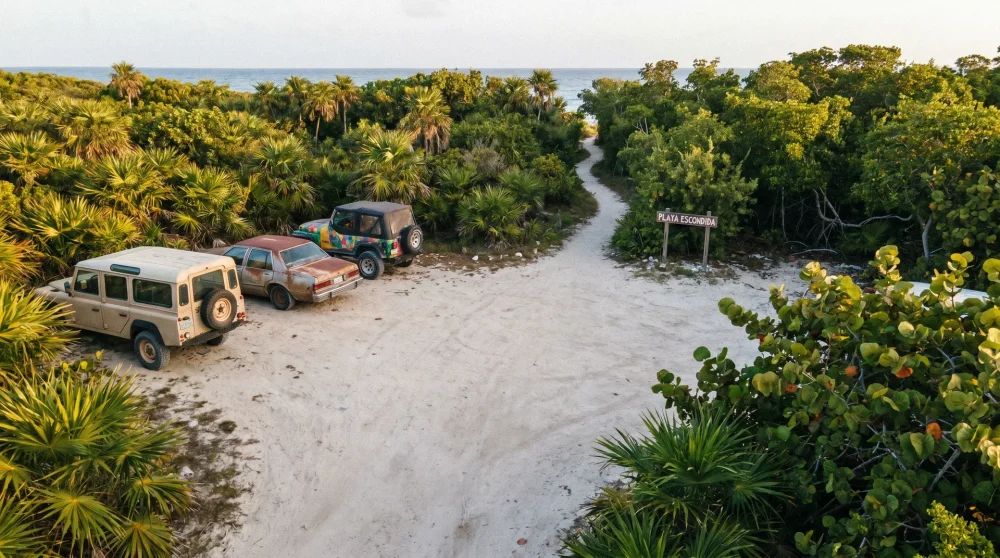
Driving gives you the ultimate control over your schedule. The trip takes roughly an hour from Seven Mile Beach or George Town. You follow the scenic route along the North Side, heading past Rum Point on Water Cay Road until you hit a cul-de-sac.
The public parking lot sits to your left. It is remarkably small, holding only about 10 to 15 vehicles. A short 2-3 minute walk from the lot brings you to the beach. Securing a spot mid-day is a frustrating experience, making early arrivals crucial.
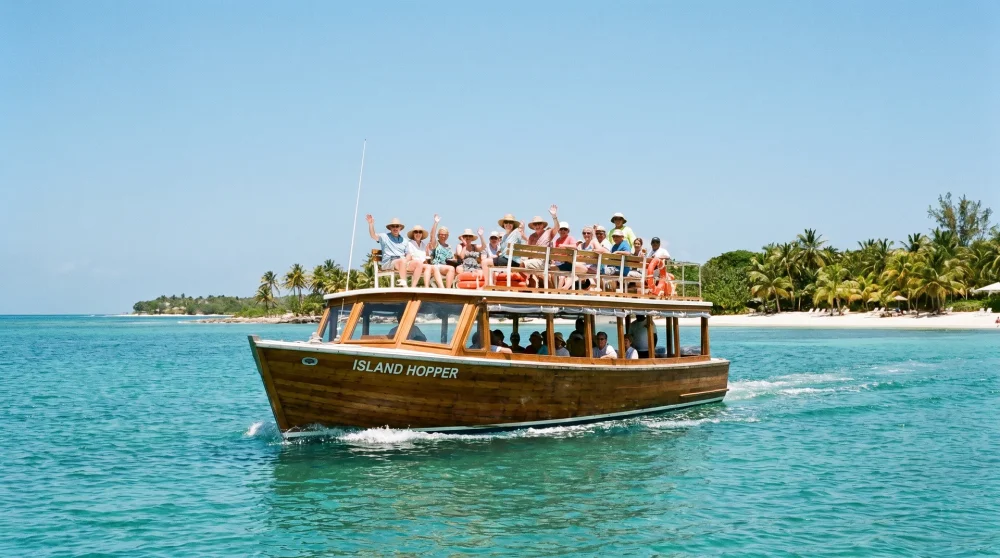
Many people arrive via chartered boat tours, often combining this stop with Stingray City. If you visit independently while the tours are active, stay alert in the water. Excursion boats frequently back right into the shallow areas, and captains do not always yield to snorkelers.
For getting around Grand Cayman without a rental car, taxi fares to the north side from George Town run high - a rental car or organized tour is the more practical option for this destination.
The Best Time to Visit
Tour operators dictate the atmosphere at this beach. To experience the mirror-like, peaceful surface you see in photographs, you must arrive before 9 AM. Early mornings offer a secluded environment with maximum visibility.
Late afternoon is your second-best option. Most excursion boats pack up and leave by 4 PM, leaving the beach quiet and offering a spectacular sunset view over the bay. Mid-day visits almost always involve navigating through churned-up, murky water, jet skis, and loud party boats.
The best time to visit the Cayman Islands overall is the dry season from November through April, and the same logic applies here - calmer water and better visibility.
Rules for Interacting with the Starfish
The Red Cushion Sea Stars possess a delicate water vascular system. They circulate water and oxygen through their bodies to survive. Removing them from the ocean, even briefly for a photo, causes severe stress and can suffocate them.
Never lift a starfish out of the water. Local authorities enforce strict laws protecting these creatures, and violations carry hefty fines and potential jail time.
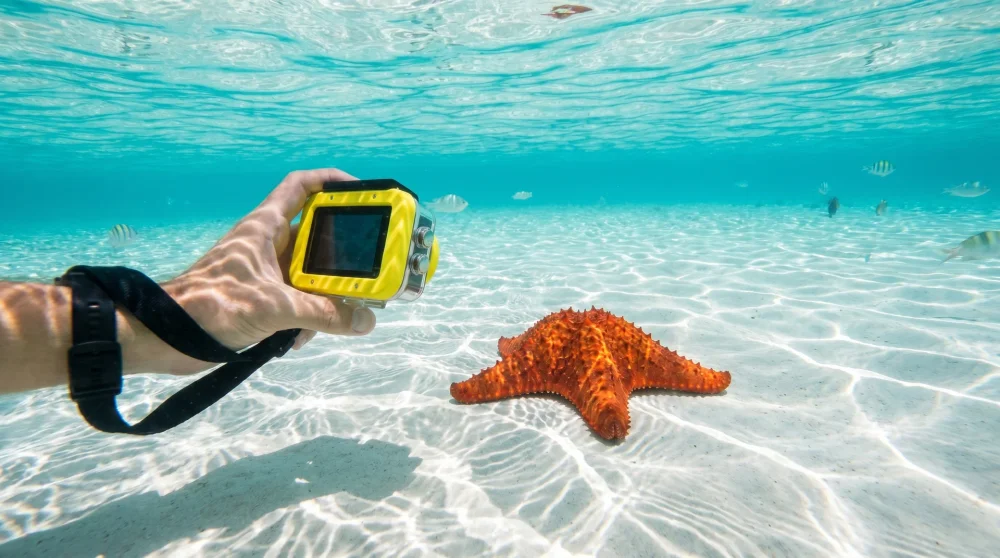
Keep your hands off them entirely if you are wearing sunscreen. The chemicals and oils from human skin easily damage their fragile tissues and cause infections. The best way to capture the moment is to submerge a waterproof camera next to them while they rest on the sand.
Watch Your Step: Jellyfish and Stingrays
You share the water with more than just starfish. Resident stingrays frequently glide through the shallows, sometimes burying themselves lightly in the sand.
Pay close attention to where you place your feet. Cassiopeia, commonly known as upside-down jellyfish, often rest on the seafloor among the seagrass. Stepping on one results in a painful sting, making water shoes a very smart addition to your Cayman Islands packing list.
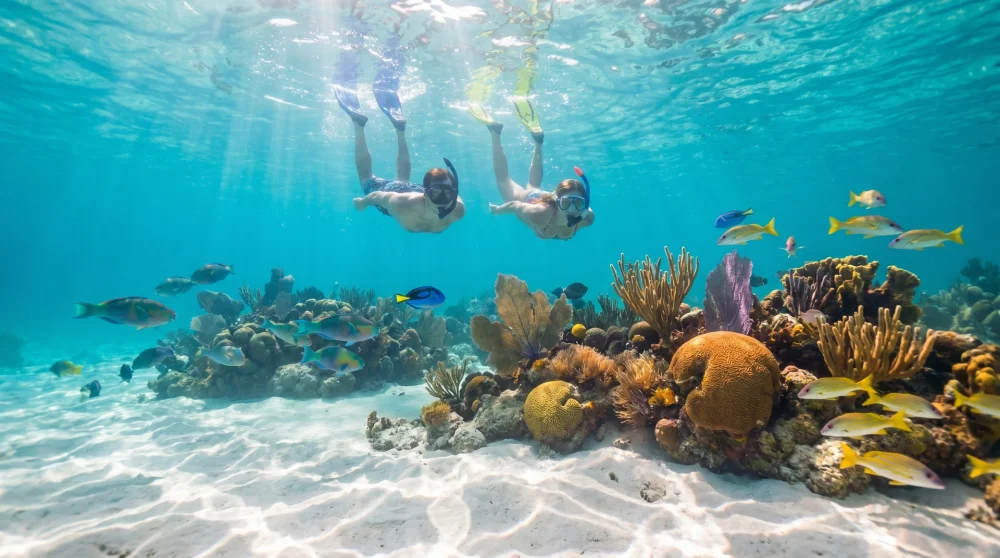
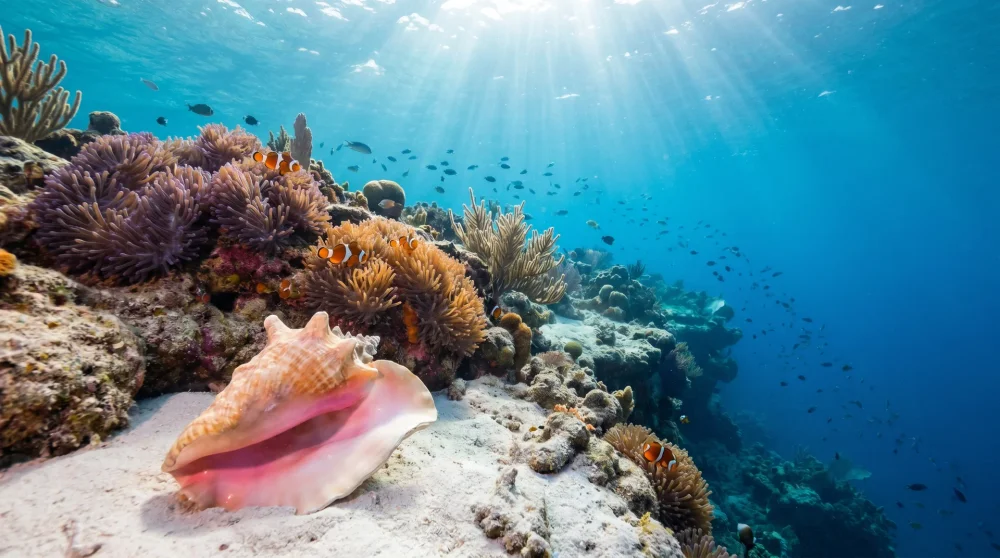
If you swim out to the deeper drop-off on the right side of the beach, the ecosystem shifts. You will find conch, anemones, and occasional tarpon swimming around the underwater ledges.
Facilities and Amenities
The area maintains a slightly rustic feel but covers the basic necessities. You have access to clean public restrooms and an outdoor shower to rinse the salt and sand off before getting back in your car.
A few picnic tables sit scattered under the palm trees. Be highly cautious if you plan to relax in these shaded areas, as they are notorious for aggressive mosquito swarms. Bring strong bug spray if you intend to sit anywhere off the sand.
There are no permanent restaurants or rental shops on the beach itself. However, a floating pirate-themed boat often anchors right offshore, serving up wings, snacks, and local drinks. For a proper meal, Rum Point and its nearby restaurants are just a short drive away. Otherwise, pack your own water and food and take all trash with you when you leave.