Arriving at Stingray City at the wrong time means sharing a tiny patch of sand with hundreds of cruise ship passengers, completely ruining the magic of interacting with wild marine life. Understanding the difference between the shallow sandbar and the actual dive site is the only way to book the right excursion and secure a peaceful encounter. This guide breaks down both locations, explains which tour type suits you best, and gives you the timing tips that locals actually use.
Location: North Sound, accessible only by boat
Water Depth: 3 to 5 feet at the main interaction area
Best Time to Visit: Early morning or late afternoon
Main Attraction: Wild Southern Stingrays in their natural habitat
Required Gear: Reef-safe sunscreen, secure swimwear, waterproof camera
Sandbar vs. Dive Site: Can You Still Scuba Dive at Stingray City?
Many visitors get confused about the exact location of the stingray interaction. The area actually consists of a collection of sandbars nestled within a channel where the North Sound meets the Caribbean Sea. Previously, a deeper area known as the Valley of the Rays, reaching depths of around 15 feet, served as a popular scuba diving spot.
During the pandemic, the lack of boat traffic and artificial food sources caused a significant shift in marine behavior. The stingrays abandoned the deeper dive site and permanently relocated to the shallower sandbar. Today, scuba diving at Stingray City is practically non-existent. The entire experience is now focused on wading and snorkeling in shallow water of 3 to 5 feet.
The separate Stingray City Deep site, located roughly a mile from the sandbar, sits at around 12 to 15 feet and is occasionally visited by certified divers. However, far fewer stingrays gather there, and interactions are quieter and more observational.
What to Expect at the Shallow Sandbar
Waist-deep water, powdery white sand, and incredible visibility define the sandbar experience. You do not need to be a strong swimmer to enjoy this location. Once your boat drops anchor, you simply step off the ladder into crystal-clear water.
Dozens of Southern Stingrays glide effortlessly around your legs. They are entirely wild, yet accustomed to decades of human interaction. The guides typically distribute pieces of squid for you to hand-feed them. Hold your hand flat beneath the surface.
The stingrays use a powerful vacuum-like suction to take the food. Sometimes, this intense suction catches a piece of your skin, leaving a small, harmless red mark commonly known as a "stingray hickey." It vanishes in a few days and is simply part of the authentic wildlife encounter.
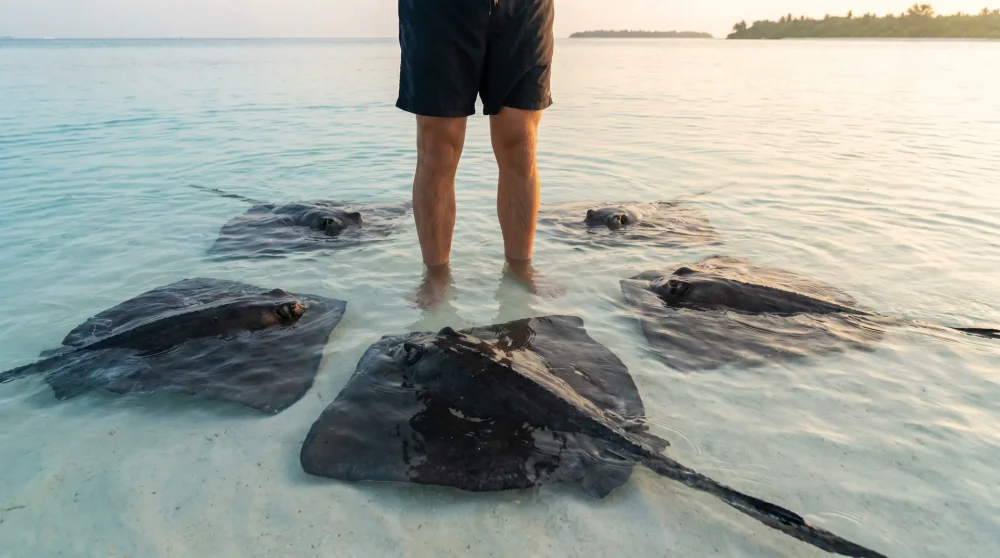
The sea floor here is entirely natural sand. Watch your step and shuffle your feet to avoid accidentally stepping on a resting ray.
How to Choose the Best Stingray City Tour
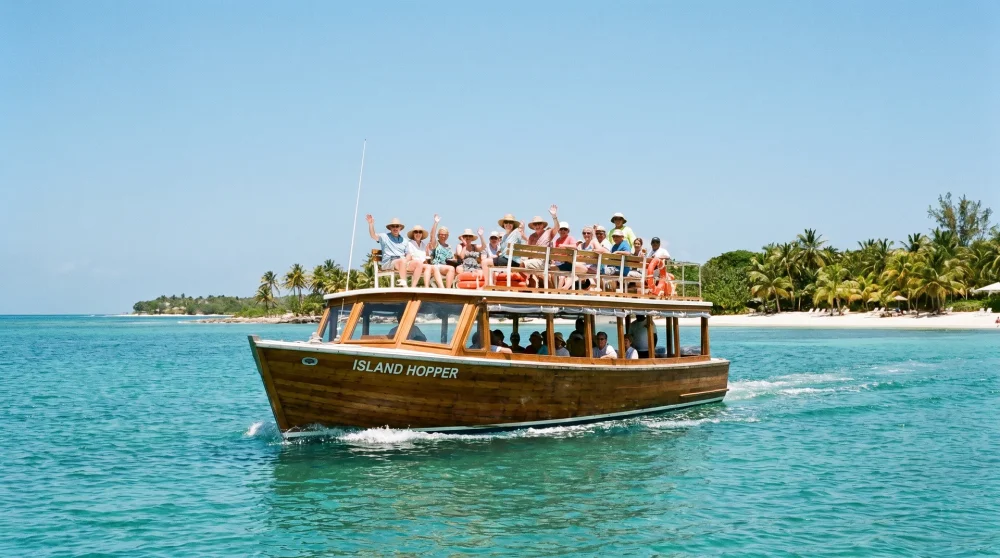
Getting out on the water is the only way to experience the Cayman Islands, but the vessel you choose completely changes the vibe of your trip. Skip the massive, overcrowded party boats if you want a serene wildlife encounter.
Stingray City is the undisputed top attraction on the island, which means mid-morning to early afternoon turns the sandbar into a parking lot of tour boats. Check the local port schedule before booking your excursion. On heavy cruise ship days, book the earliest morning departure available. The ocean is generally calmer at that hour, the light provides stunning underwater clarity for photography, and the stingrays are more active. Late afternoon trips offer a similar respite once the massive cruise groups head back to their terminals. Compare tours on Viator to find early morning and late afternoon departures that beat the crowds.
Luxury Catamarans
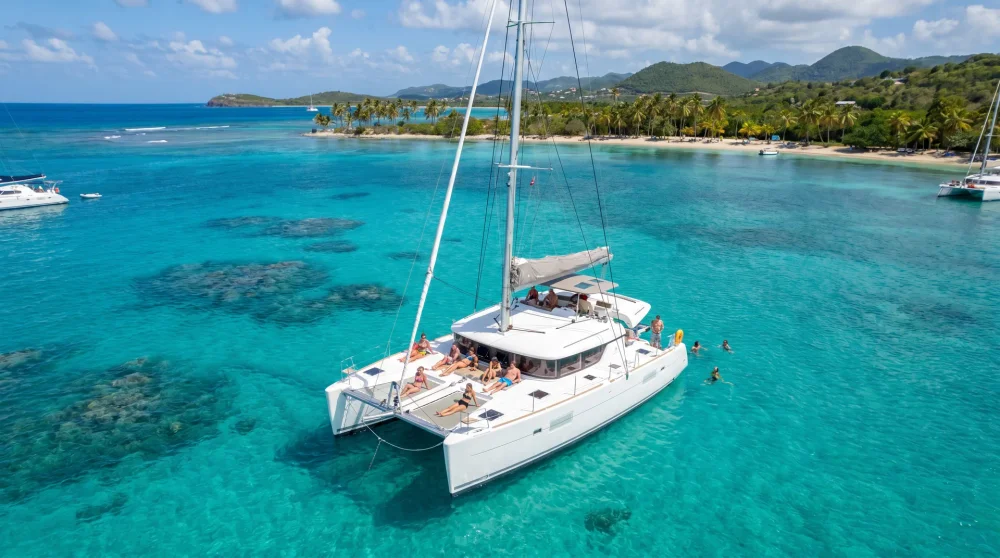
These multi-hull vessels offer the most stable ride across the North Sound. They feature plenty of shaded areas, onboard restrooms, and freshwater showers. This is the top choice for families with small children or older travelers who prioritize comfort over speed. While you share the boat with more people, the sheer size of the catamaran prevents it from feeling claustrophobic.
Small Private Charters
Booking a private center-console boat gives you complete control over the itinerary. You dictate the pace. If a particular sandbar looks too crowded, your captain easily pivots to a quieter snorkeling spot and returns later. The personalized attention from the crew ensures everyone in your group gets ample one-on-one time safely handling and feeding the stingrays.
Book a Stingray City tour and compare private charters vs. catamaran options before your trip.
Jet Ski Tours
For a high-adrenaline approach, skip the slow boat ride entirely. Jet ski excursions depart from the shoreline and zip directly across the azure water to the sandbar. You get immediate access to the site and the thrill of navigating the Caribbean Sea yourself. Strict age limits apply for solo riders and passengers, making this better suited for adults and older teenagers.
Essential Add-On Stops: Starfish Point and Coral Gardens
Most operators package Stingray City with two additional stops to round out the half-day experience.
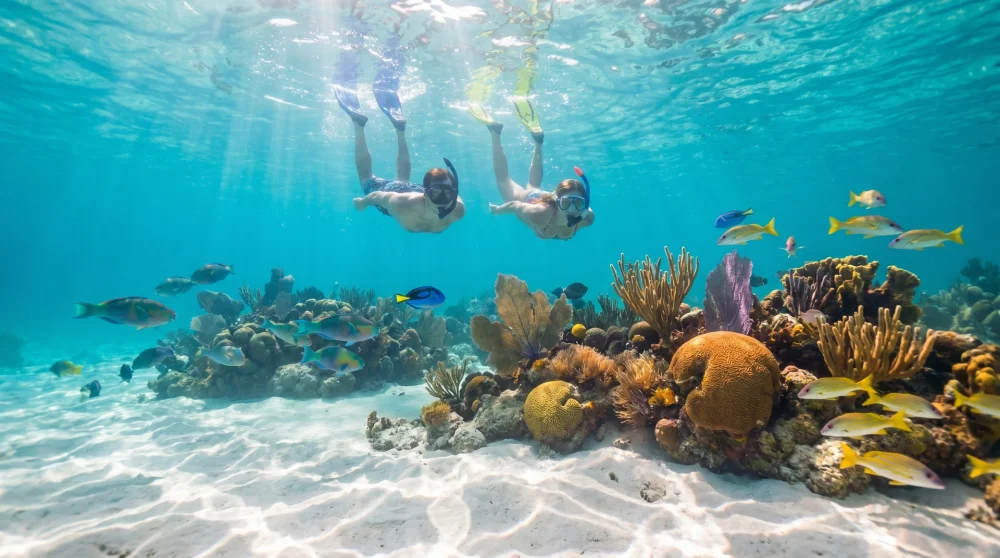
Coral Gardens sits nearby in the North Sound. The water here drops deeper, requiring full snorkeling gear. While global environmental factors have affected the vibrancy of the coral itself, the reef still teems with colorful tropical fish and occasional sea turtles.
Starfish Point offers a completely different pace. It is a calm, shallow beach area dotted with large red and orange cushion starfish resting on the sandy bottom. You can walk right up to them. The golden rule here is simple: never lift a starfish out of the water. Even brief exposure to air damages their delicate tissue. Handle them gently and keep them fully submerged for your photos.
What to Pack for the Sandbar
The Caribbean sun is unforgiving, especially when reflecting off the white sand and clear water. Standard chemical sunscreens severely damage the delicate marine ecosystem. Pack only certified reef-safe sunscreen, or better yet, wear a long-sleeved UPF rash guard. The Cayman Islands packing list covers everything you need for a day on the water.
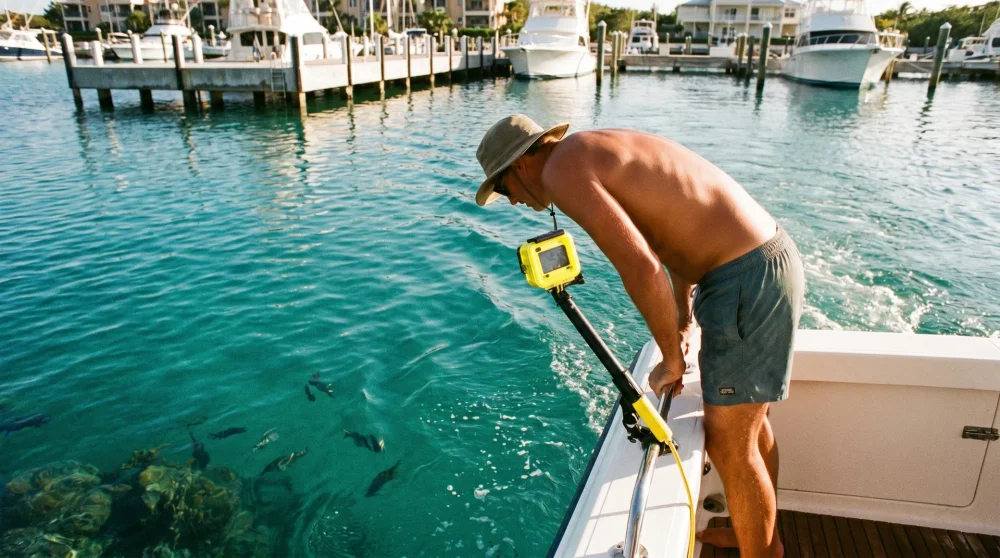
Bring a reliable waterproof phone pouch or an action camera. The best photo opportunities happen below the surface or right at the waterline. Keep a dry towel and a light cover-up easily accessible in your bag - the boat ride back to the dock often gets breezy.