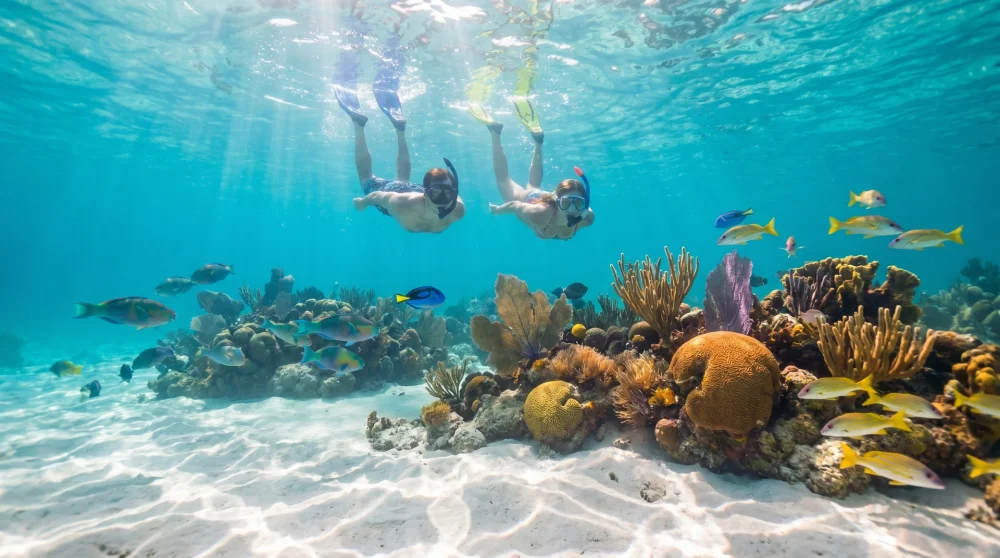
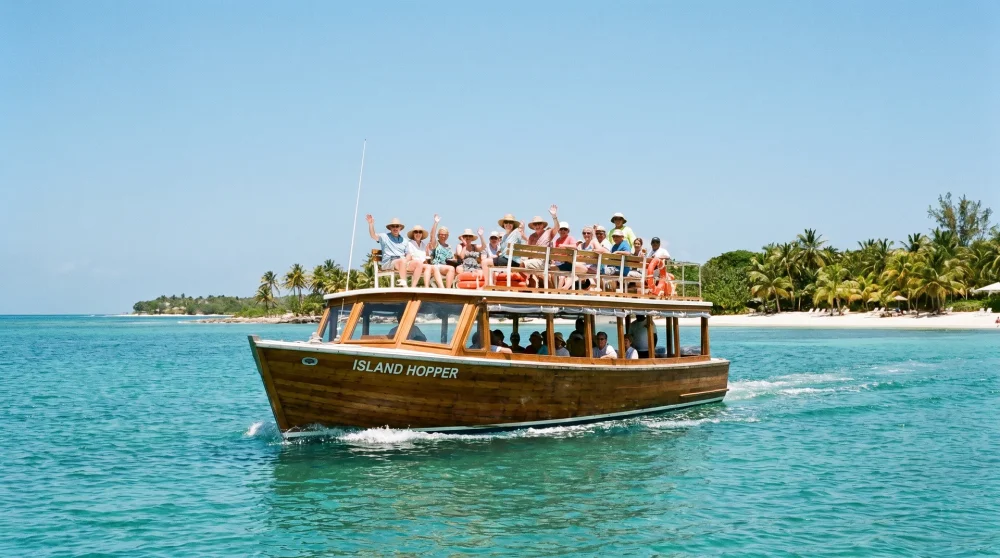
Booking a flight to Grand Cayman without a clear daily spending plan is the fastest way to drain your travel savings before you even hit the beach. The Cayman Islands rank among the most expensive destinations in the Caribbean, but knowing exactly where to cut costs lets you experience Seven Mile Beach and Stingray City without a financial hangover.
- Local Currency: Cayman Islands Dollar (KYD) - USD is widely accepted everywhere
- Average Daily Budget: $125 to $471 per person
- Peak Season: December through March
- Uber/Lyft Status: Banned by the government
- Public Bus Fare: $2.00 to $5.00 per ride
Average Daily and Weekly Budget for the Cayman Islands
Your total spend depends heavily on your travel style and accommodation choices. Solo travelers or couples splitting a private condo can manage a relatively strict budget, while luxury seekers face steep premium rates.
A bare-bones approach costs around $125 per day per person. This covers a modest inland apartment, basic grocery store meals, and public transport.
A comfortable mid-range trip requires a budget of $300 daily. This allows for a decent hotel room, renting a car, and eating at casual restaurants without constantly watching the bill.
A full luxury week, staying at a beachfront resort and dining out every night, easily pushes $471 per day or beyond.
Flight Costs and Best Time to Book
Flying into Owen Roberts International Airport eats up a significant portion of your budget if you book during peak season. Tickets from major US hubs typically start around $300 during the off-season but climb steeply between December and March.
Travel during the shoulder period between May and November to find the lowest airfares. The weather is hotter and afternoon showers are common, but the drop in flight and hotel prices makes this period highly attractive for budget travelers. Booking at least two months in advance locks in better rates regardless of season.
Accommodation Prices: From Budget Condos to Luxury Resorts
Finding affordable accommodation is the hardest part of planning this trip. Standard hotel rooms right on Seven Mile Beach command massive premium prices year-round.
Budget rooms and private condos start around $150 per night. These are usually located further inland or on the North Side of the island, away from the main tourist strip.
Mid-tier hotels cost between $300 and $450 nightly. Luxury resorts and elite beachfront properties push past $600 per night.
Look for accommodations featuring a full kitchen. Cooking your own breakfast cuts your daily food expenses significantly and takes some pressure off the rest of your budget. Compare hotel prices to find condo rentals and apartments with kitchens across all districts.
Food and Drink Expenses (and How to Save)
Dining out in Grand Cayman causes serious sticker shock for most first-time visitors. A casual lunch of two sandwiches and drinks often hits $70.
Menu prices are usually listed in KYD. This means your final bill in USD will be about 20 percent higher than the printed numbers once the exchange rate and automatic service charges are applied. Always check which currency is being used before ordering.
Head to the local grocery stores for fresh hot meals. You can get a hearty plate of meat, rice, and vegetables for roughly $10 per pound from the deli counters at Foster's Food Fair or Kirk Market. This single habit makes the biggest difference to your daily food budget.
Getting Around: Rental Cars vs. Public Bus System
Uber and Lyft do not operate anywhere on the island. You must rely on rental cars, public buses, or expensive local taxis to get around.
Renting a small car costs about $40 per day, but mandatory liability insurance and high gas prices quickly inflate that number. It is worth taking a moment to Rent a car through a comparison platform to find the best rate before you land. Expect to pay around $7.00 per gallon for fuel, which is significantly higher than the US average.
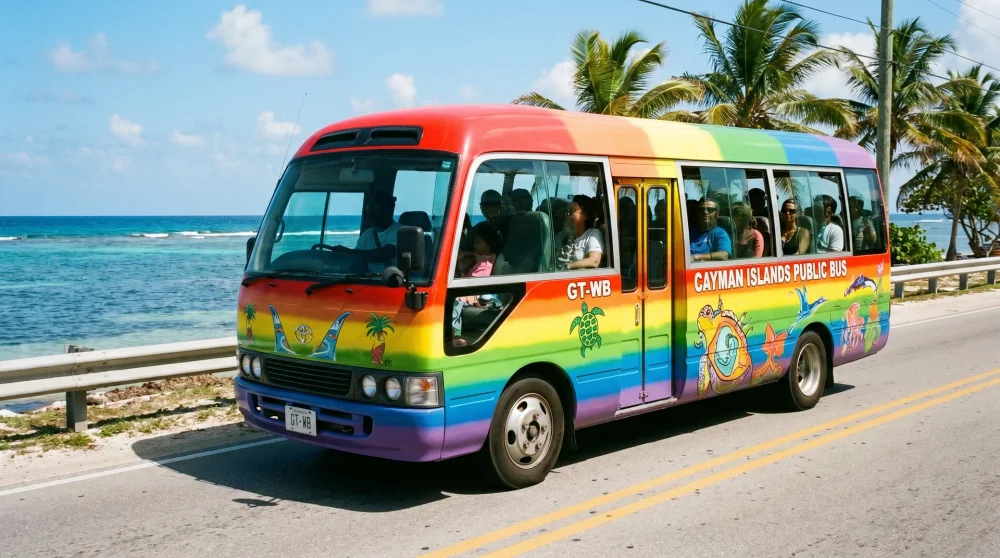
Use the public mini-buses for cheap transport across the districts. Look for small passenger vans with colored circle route numbers displayed in their windows. Fares range from $2.00 to $5.00. The network is reliable and runs on a roughly 15-minute schedule during the day, connecting George Town with the main residential areas and tourist zones.
For travelers staying strictly on Seven Mile Beach, the bus system is usually sufficient. Renting a car becomes worthwhile if you plan to explore the East End or North Side, where buses are less frequent.
Cost of Popular Excursions (Stingray City and Beyond)
Some of the best natural attractions on the island cost absolutely nothing. Spotts Beach offers free sea turtle sightings, and Starfish Point is completely open to the public without any entrance fee.
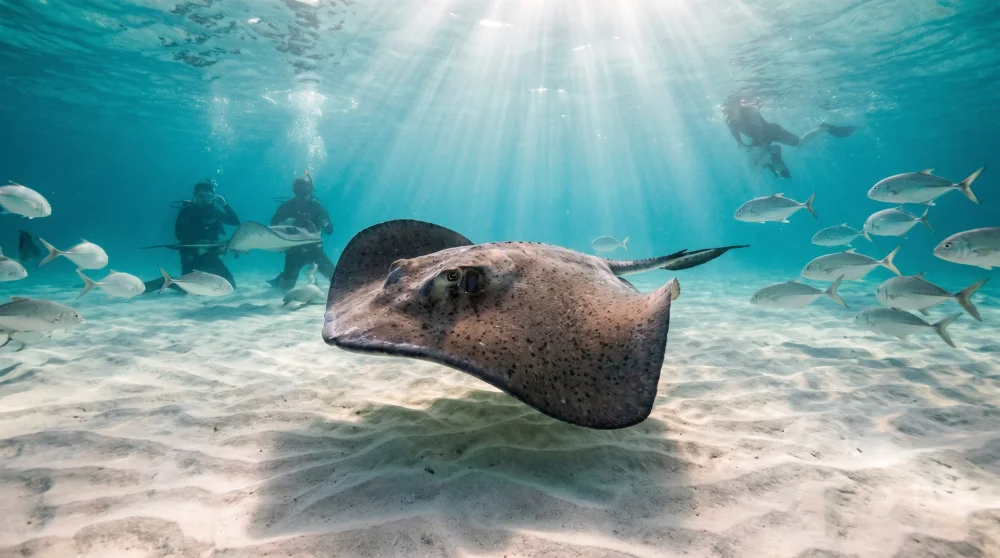
Booking a boat tour is the only practical way to safely experience the famous Stingray City sandbar. Basic group tours start at $69 per person in 2026, typically running around three hours and including snorkel equipment. Many operators combine the sandbar visit with stops at Coral Gardens and Starfish Point.
Scuba diving enthusiasts should expect to pay around $125 for a standard two-tank boat dive. To save money, rent gear for approximately $80 and do an independent shore dive at Devil's Grotto or Eden Rock. The marine life at these two spots is spectacular and completely accessible from the coastline without a boat.
The Cayman Turtle Centre charges $25 per adult if you want a structured wildlife experience on dry land.
5 Practical Tips to Visit Grand Cayman on a Budget
- Pack plenty of reef-safe sunscreen and bug spray in your checked luggage. Buying these necessities at tourist shops on the island can seriously damage your daily budget.
- Bring your own snorkel mask and a lightweight quick-dry towel. Equipment rental adds up quickly, especially over a longer stay.
- Skip the expensive Bioluminescent Bay boat tours if you stay on the North Side. Many local condo rentals include free kayaks, letting you explore the glowing waters on your own schedule.
- Eat your heaviest meals at lunchtime. Many higher-end restaurants offer lunch specials at significantly lower prices than the same dishes on their dinner menu.
- Drink tap water. The local supply is safe, clean, and free, which eliminates the need to buy bottled water throughout your stay.