Buying a random travel insurance policy just to check a box is the fastest route to massive debt when an emergency strikes abroad. Standard tourist policies are full of hidden clauses that drop your coverage the moment you engage in normal backpacker activities.
- Emergency Medical: Must explicitly include helicopter evacuation and repatriation.
- Duration: Must cover the entire trip length or allow digital extensions while already abroad.
- Motorcycles: Requires a specific add-on and a valid local license for scooters.
- Altitude: Standard policies usually stop at 2,000m; verify your trekking route altitude.
The Core Elements: What Your Policy Must Include
Emergency Medical & Evacuation
A broken ankle on a remote mountain trail is a serious logistical nightmare. Helicopter evacuations from isolated places result in life-changing bills. Your policy needs high limits for emergency medical evacuation to get you to a proper hospital safely.
Aim for at least $500,000 in evacuation coverage, as helicopter rescues in remote mountain ranges and island-hopping regions regularly exceed this. Repatriation is equally critical, ensuring a medical flight back to your home country when local clinics lack the necessary equipment.
Declaring all pre-existing medical conditions is an absolute necessity here. Hiding a minor asthma diagnosis will instantly invalidate your entire claim if you end up in the emergency room.

Personal Liability
Backpackers often overlook this completely. Accidentally damaging expensive hotel property or injuring a third party on the slopes leaves you fully responsible for the damages. Personal liability coverage handles these legal claims and repair costs. You need a high limit for this section because bodily injury lawsuits escalate quickly in foreign legal systems.
Trip Interruption vs. Cancellation
Cancellation kicks in before you leave the airport. Interruption is what saves you when a sudden family emergency forces you to fly home halfway through your global adventure. It covers the cost of last-minute flights and non-refundable bookings.
The Backpacker Exclusions: Where Most Policies Fail
The 125cc Scooter Rule in Southeast Asia
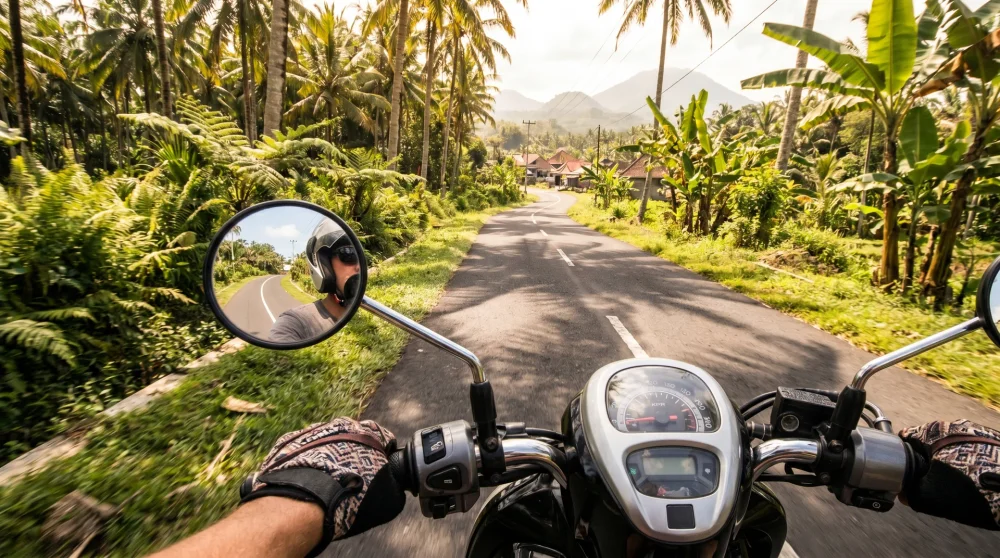
Renting a scooter without a valid motorcycle license completely voids your medical coverage. The famous 125cc scooter rule strictly requires an international driving permit with a specific motorcycle endorsement. Crashing without the right paperwork means you pay every single hospital bill out of pocket.
High-Altitude Trekking Limits
Standard travel insurance assumes you are staying near sea level. The moment you step above the 3,000m threshold, your basic coverage vanishes. Trekking to base camps or crossing high mountain passes requires a specific extreme sports add-on. Exceeding this limit without the correct provision means you are not protected against altitude sickness or emergency mountain rescue operations. Always check the exact peak altitude of your planned route before committing to a policy.
Casual Work and Volunteering
Pouring beers at a hostel for free accommodation is considered working. Standard policies specifically exclude any injuries sustained while working or volunteering abroad. You need a dedicated working holiday extension to stay protected during farm work or hostel shifts.
Coverage You Can Actually Skip
Overpriced Gadget Insurance
Carrying expensive electronics makes you a target, but gadget cover rarely pays out what you expect. Insurance companies factor in heavy depreciation for laptops and cameras. You will receive a tiny fraction of the original purchase price after submitting a mountain of police reports and paperwork. Protect your gear with physical locks and vigilance instead of overpriced premiums.
If you are staying in hostel dormitories, read the baggage section of your policy carefully. Most insurers require belongings to be locked in a secure storage facility to honor theft claims. Leaving your laptop on a bunk bed does not qualify as secure storage.
Zero Excess Add-ons
Paying extra to remove the deductible is a bad mathematical bet. Accepting a small excess lowers your upfront premium significantly. Keep that small deductible amount in an emergency savings account instead of giving it to the insurer beforehand.
Relying on Credit Card Insurance? Read This First
Premium credit cards offer tempting travel protections. These perks are strictly designed for short holidays, not long-term backpacking. The coverage almost always expires automatically after 30 to 90 days. Read the fine print carefully, as they also demand round-trip flights booked directly on that specific card. Relying solely on plastic for a multi-month trip is a massive risk.
How to Handle a Medical Emergency Abroad
Do not wait until after the treatment to contact your provider. Always call the 24/7 emergency assistance number before handing over your credit card to a foreign hospital. The assistance team dictates which local clinics are approved and handles direct billing. Ignoring this step often results in denied claims due to unapproved medical expenses.

Before leaving home, photograph the serial numbers of all electronics and keep digital copies of receipts stored in cloud storage. Police reports are mandatory for most theft and damage claims, and insurers routinely reject submissions without this documentation.
Save your policy number and the emergency contact line offline on your phone today.