Norfolk Island sits in a subtropical pocket of the South Pacific, which means there is no single bad month to visit, but the right timing still depends on what you want from the trip. Weather, flight availability, and one very specific festival all shift the calculator. Here is how to match the calendar to your priorities, whether that is warm swimming water, quiet trails, or the island's biggest cultural event.
Norfolk Island Weather by Season
The island has a marine subtropical climate, so temperatures rarely swing to extremes in either direction. Rain falls year-round rather than in one clear wet season, though it clusters more heavily from May through August.
- Summer (December-February): Warmest stretch of the year, with daytime highs around 25°C and mild nights near 20°C. This is also the busiest and most expensive period, driven by Australian school holidays.
- Autumn (March-May): Daytime temperatures settle between 20°C and 24°C, humidity drops, and the trade winds ease. Many locals consider this the most comfortable window for hiking and coastal walks.
- Winter (June-August): Cooler and wetter, with highs around 18°C and lows near 14°C. Rates drop sharply and the island feels noticeably quieter outside of Bounty Day week.
- Spring (September-November): Gardens are in bloom, rainfall is at its lowest point of the year, and temperatures climb gradually toward summer levels.
Best Months for Swimming and Beach Days
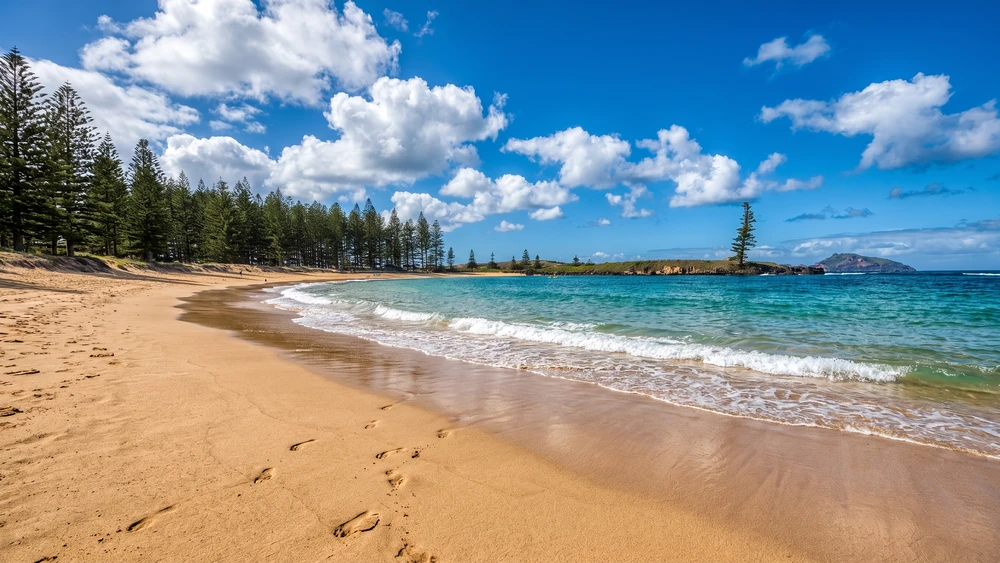
February and March deliver the warmest ocean temperatures, making them the strongest months for swimming and snorkeling at Emily Bay. The reef-protected lagoon stays calm through this stretch, and afternoon trade winds take the edge off the humidity. If beach time is the priority and you can tolerate summer crowds and pricing, this two-month window is the safest bet.
Best Months for Hiking and Sightseeing
April, May, September, and October hit the sweet spot between comfortable temperatures and thinner crowds. Daytime highs in the low-to-mid 20s°C make the national park trails and coastal walking tracks far more pleasant than the humid peak of summer, without the chillier, wetter conditions of deep winter.
Cheapest Time to Visit
Winter, particularly July and August outside of any school holiday overlap, is the most budget-friendly period. Accommodation rates soften, flights are easier to secure at short notice, and the island's small tourism infrastructure is at its least stretched. The tradeoff is more frequent rain and cooler evenings, so pack layers.

Bounty Day: Norfolk Island's Biggest Event
Every June 8, Norfolk Island marks Bounty Day, a public holiday commemorating the 1856 arrival of the Pitcairn Islanders who resettled the island. The day opens with a costumed re-enactment of the landing at Kingston Pier, followed by a march to the cenotaph for a wreath-laying ceremony and hymns at the cemetery. At Government House, one of the island's founding Pitcairner families is named Family of the Year, children roll down the lawn in a long-running tradition, and the day closes with a communal feast of local dishes and the Bounty Ball that evening.
If Bounty Day is the reason for your trip, timing matters more than for any other visit. Flight schedules from Sydney and Brisbane run only a few times a week, and the island's limited bed count fills up well ahead of the holiday. Book flights and accommodation nine to twelve months in advance to guarantee a spot for the celebrations rather than watching the island from the departure lounge on the day itself.

- Warmest water and beach focus: February-March.
- Comfortable hiking weather, fewer crowds: April-May or September-October.
- Lowest prices, don't mind rain: July-August (avoiding Bounty Day week if you want quiet).
- Cultural immersion: Book around June 8 for Bounty Day, but reserve travel almost a year out.
Whichever window you choose, Norfolk Island's small scale means the difference between seasons is felt more in temperature and rainfall than in a dramatic shift in what's open. The island runs at its own pace regardless of the month.