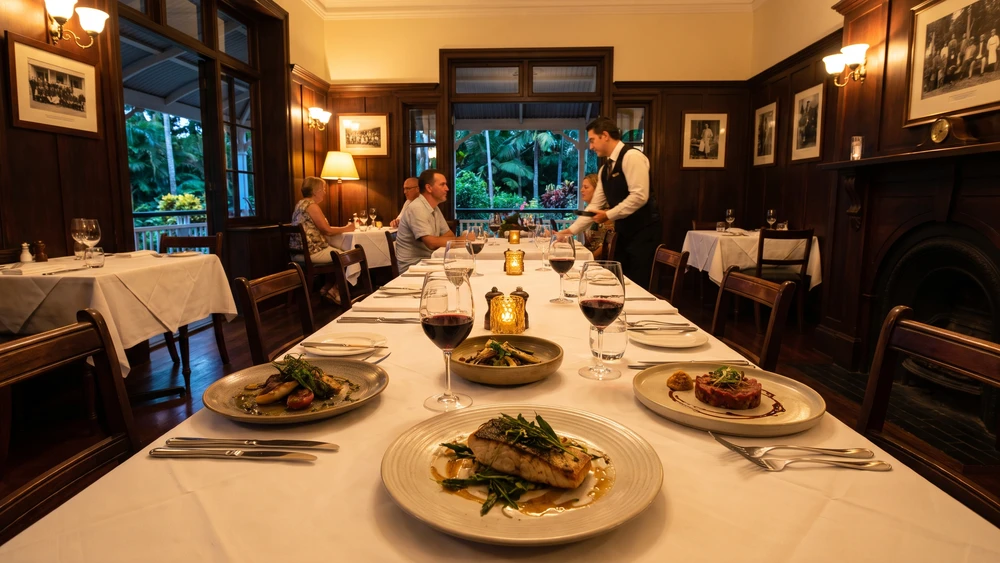
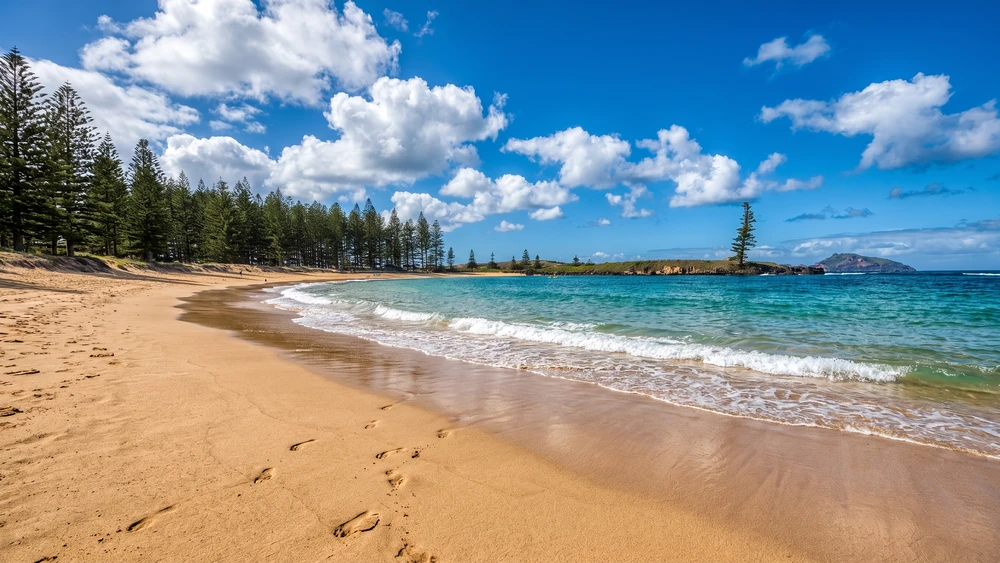
Norfolk Island's coastline is notoriously rugged, dominated by towering cliffs and treacherous rips that make open ocean swimming incredibly dangerous. Finding a spot where you can safely enter the water without fighting aggressive currents requires knowing exactly where the protective reef systems are located. Emily Bay and Slaughter Bay are the only two genuinely safe, reef-protected swimming havens on the entire island, and Emily Bay was ranked among Australia's top beaches as recently as 2025.
- Entrance fee: Free (applies to all public beaches on the island).
- Parking: Plentiful, free parking right next to the sand at both bays.
- Amenities: Public restrooms, outdoor showers, picnic tables, and BBQs available at Emily Bay.
- Lifeguards: Unpatrolled. Swim at your own risk, but the reef blocks heavy swells.
- Accessibility: Very easy. Flat, paved access from the car park directly to the sand.
Why Emily Bay is the Safest Swimming Spot on the Island
The secret to Emily Bay's calm conditions lies just offshore. A robust natural coral reef forms a barrier across the bay, completely blocking the heavy South Pacific swells from reaching the shore. Inside this protected zone, the water remains glassy, shallow, and highly transparent. It resembles a massive saltwater swimming pool rather than an open ocean beach.
Facilities, Pontoon Access, and Parking
You do not have to hike down steep cliff paths to reach the water here. The car park sits practically on the edge of the sand, making it effortless to unload snorkeling gear, coolers, or paddleboards. A few metres into the water, a floating pontoon provides a perfect launching pad for jumps or a spot to rest under the sun. The surrounding grass reserve is equipped with clean restrooms, outdoor showers to wash off the salt, and public BBQs nestled under towering Norfolk Pines.
Family-Friendly Features and Reef Protection
The gradual slope of the golden sand makes entering the water incredibly easy for inexperienced swimmers and children. There are no sudden drop-offs or unpredictable shore breaks to catch you off guard. Because the reef absorbs the ocean's energy, you can comfortably float or paddleboard for hours without drifting. Colorful reef fish often swim right up into the shallows, allowing even non-swimmers to experience the marine life by simply wading knee-deep.
Snorkeling at Slaughter Bay: What You Need to Know
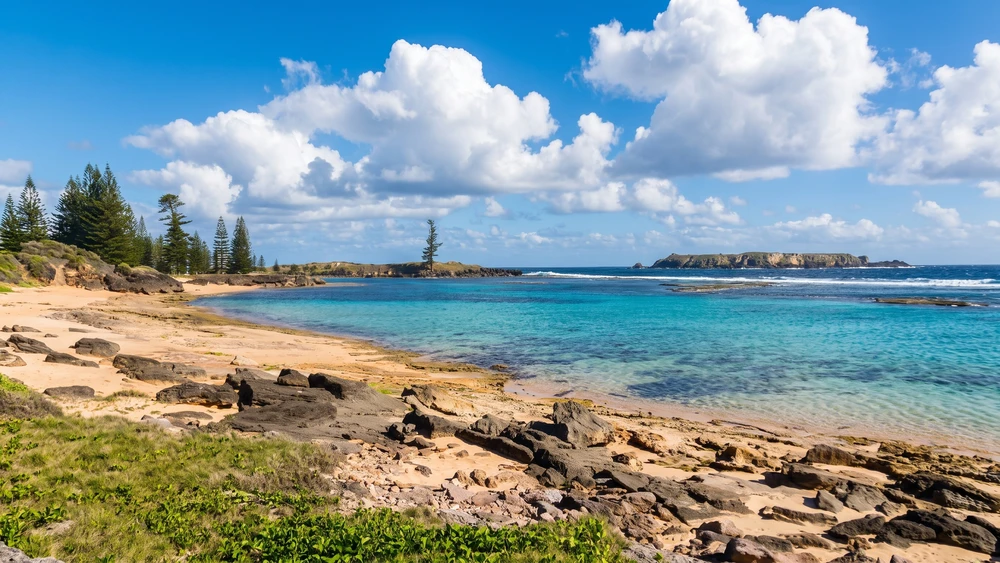
Located right next to Emily Bay, Slaughter Bay offers a distinctly different underwater landscape. While Emily is mostly a sandy lagoon, Slaughter Bay is dominated by shallow reef flats teeming with complex coral formations. This is the island's premier spot for underwater exploration.
The Importance of Low Tide for Coral Viewing
Timing dictates your experience here. You need to enter the water within two hours of low tide for the best visibility and safety. During high tide, the water volume moving over the reef increases, which can create strong, pulling currents near the reef edge.
At low tide, the water recedes to expose a vibrant maze of hard and soft corals just beneath the surface. Navigating these shallow coral gardens requires care; wearing reef shoes is highly recommended to protect your feet while avoiding damage to the fragile marine ecosystem.
Swimming Near the UNESCO Convict Ruins
The backdrop of Slaughter Bay is just as striking as the underwater scenery. The beach is bordered by the historic stone walls of the **Kingston and Arthur's Vale Historic Area (KAVHA)**. You are literally swimming in the shadow of UNESCO World Heritage-listed convict settlement ruins, and the same reef claimed the HMS Sirius, the flagship of the First Fleet, which wrecked here in 1790.
After an hour of snorkeling with green sea turtles and wrasse, stepping out of the water places you directly in the center of Norfolk's dark colonial history. Norfolk Island later became home to the Pitcairn Islanders, whose own story is tied to the HMS Bounty mutiny.
Other Notable Coastlines for Adventurers
If your goal shifts from swimming to photography or surfing, the rest of the island's coastline offers raw, untamed Pacific beauty.
Anson Bay: Dramatic Cliffs and Strong Rips
The descent down to Anson Bay is steep, winding through dense foliage before opening up to a spectacular, secluded crescent of sand. Towering cliffs trap the afternoon heat here, making it an excellent spot for a sunset picnic.
However, do not let the isolated beauty fool you. The bay is notorious for vicious rip currents and sudden, powerful shore breaks. Keep your feet firmly on the dry sand.
Bumboras (Bumby): The Local Surf Spot
Locals head to the rocky shores of Bumboras when they want to catch a wave or explore tidal pools. Accessible via a short boardwalk through the pines, this south-facing bay takes the full force of the ocean. During calm periods, the rock pools exposed at low tide are fascinating micro-ecosystems. When the swell picks up, it transforms into an aggressive reef break strictly reserved for highly experienced surfers.
Essential Tips for Norfolk Island Beachgoers
The marine environment surrounding the island is pristine but fragile. Small actions make a massive difference in preserving the water clarity and coral health for future seasons.
Reef-Safe Sunscreen and Marine Life Rules
Chemical sunscreens containing oxybenzone or octinoxate cause immediate bleaching and damage to the coral gardens in Slaughter Bay. Always pack and apply a physical, mineral-based, reef-safe sunscreen before hitting the sand.
While snorkeling, maintain a respectful distance from the marine life. Never stand on the coral formations to rest, and keep an eye out for nesting seabirds along the rocky outcroppings. Ensure you leave nothing but footprints, taking all trash back to your accommodation.