Walking south from Main Street, past the Trafalgar Cemetery and through the old defensive walls, the noise of the town suddenly drops away and the air cools under a canopy of 200-year-old Stone Pines and Dragon Trees. This is the Gibraltar Botanic Gardens, also known as the Alameda, a free green space wedged between the historic town center and the base of the Rock of Gibraltar. Most day-trippers rush straight past it on their way to the Rock of Gibraltar Upper Rock Nature Reserve, missing 8 hectares of terraced gardens, military monuments, and a small wildlife park along the way.
- Admission: Free for the main Botanic Gardens; a separate paid ticket covers the Alameda Wildlife Conservation Park (AWCP)
- AWCP entry: £8 for adults, £5 for children
- Time needed: 45 minutes to 1.5 hours for the gardens alone; add an extra hour for the AWCP
- Main entrance: Red Sands Road offers step-free access; steps near the Cable Car station are the other main route
- Terrain: Terraced and sloped, with limestone steps in the upper sections
- Opening hours: The gardens stay open until dusk; the AWCP closes several hours earlier
The History: From Red Sand Desert to Botanical Oasis
For most of Gibraltar's history, the ground where the gardens now sit had nothing to do with leisure. Known as the Grand Parade, it was a barren stretch of red sand used for troop assemblies, wartime vegetable plots, and burials. Public recreation simply was not part of the plan for a garrison under near-constant siege.
That changed in 1815, when Lieutenant-Governor Sir George Don decided that the civilian population and the garrison needed somewhere to escape the Mediterranean heat. Rather than draw on wartime funds, he raised money through citizen contributions and lotteries to build a public promenade. The gardens opened the following year, in 1816.
To turn the arid parade ground into a landscaped park, Gibraltar brought in Giuseppe Codali, a horticulturist from Bergamo, Italy. Codali terraced the slope using native Jurassic limestone and the site's own red sand, carving out the paths and sunken features that still structure the gardens today.
How to Get There and Accessibility
The gardens sit directly south of the town center, just beyond the 16th-century defensive walls. Coming from Main Street, walk south past the Trafalgar Cemetery and through the Southport Gates; the main entrance is right next to the lower station of the Rock of Gibraltar Cable Car.
Because the gardens are built into the lower slopes of the Rock, many interior paths involve terraced stone steps and a noticeable incline. If you are traveling with a stroller or wheelchair, or would simply rather avoid the climb, use the step-free entrance along Red Sands Road instead. It puts you on the mid-level paths with far less physical strain, though the upper sections around the AWCP are harder to reach without some stairs.
Best Time to Visit
Gibraltar's Mediterranean climate means the gardens are worth a visit in any season, but the experience shifts noticeably depending on when you go.
Spring (March to May) is the strongest season for flowers, with the native clifftop species and the South African imports both in bloom and comfortable walking temperatures. Summer (June to September) brings fierce midday sun, so aim for an early morning visit when the canopy is at its coolest and the paths are quietest. Winter (October to February) brings more rain but keeps the gardens green, with none of the summer crowds. Early morning is also the best time for photography year-round, since the low light suits the Dragon Trees and the crowds haven't arrived yet.
What to See in the Gardens
The Dell (Italian Sunken Garden)
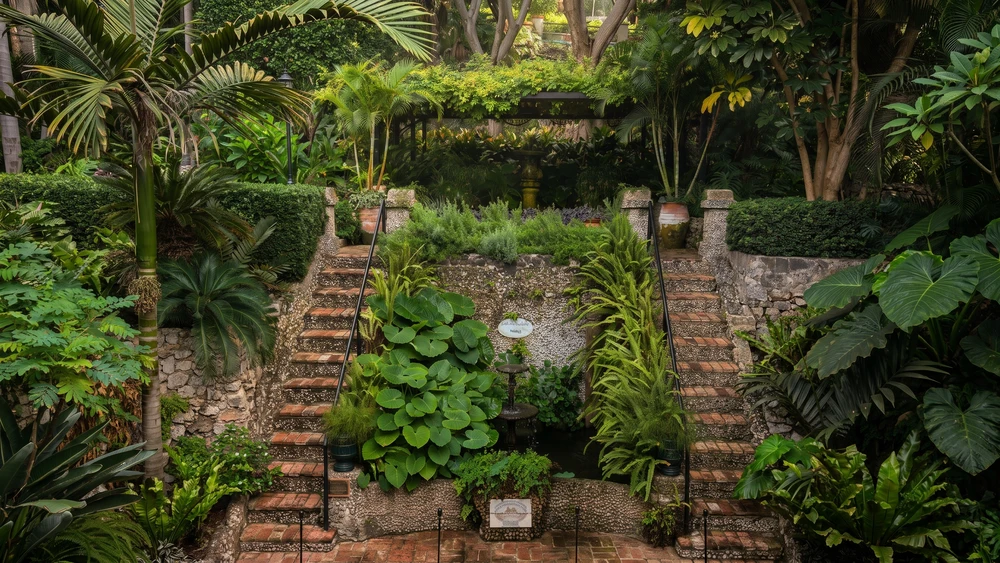
Hidden beneath the Giuseppe Bridge, The Dell is Codali's lasting showpiece: a symmetrical, Italian-style sunken garden designed in 1842 and restored in the early 1990s. Deep terracotta pathways, geometric plant beds, twin early 20th-century fountains, and a koi pond make it the most photogenic corner of the park. It is also heavily shaded, so the cool microclimate makes it the best spot to rest if the afternoon heat builds up.
Wellington and Eliott Memorials
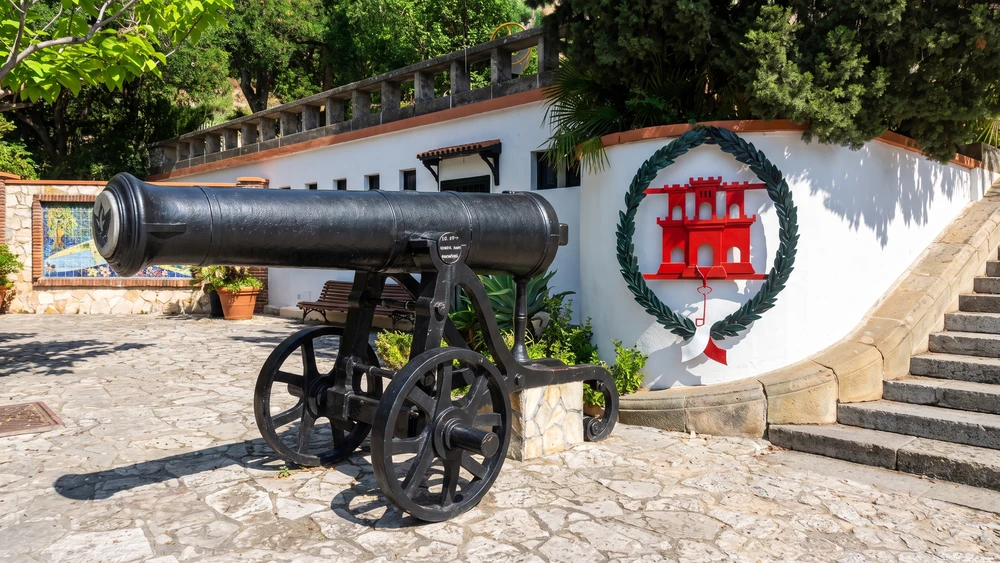
Military history runs directly through the botanical layout. The Wellington Memorial, erected in 1819, mounts a bust of the Duke of Wellington on a genuine Roman pillar brought from the ruins of Lepida in Libya. Further along the paths, the Eliott Memorial honors General George Augustus Eliott, who commanded Gibraltar's defense during the Great Siege; his bust is flanked by four 18th-century howitzer guns.
The Flora: Ancient and Exotic
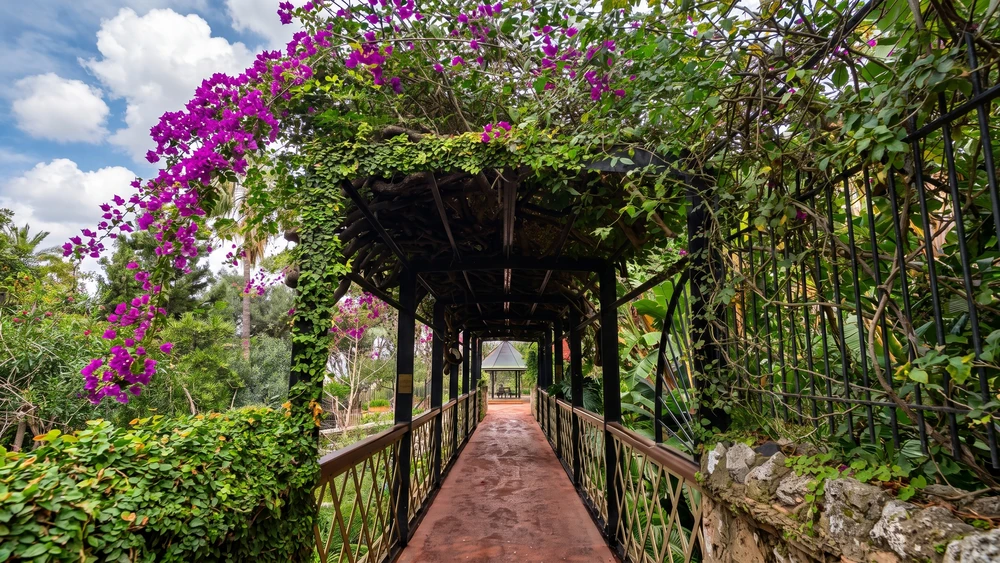
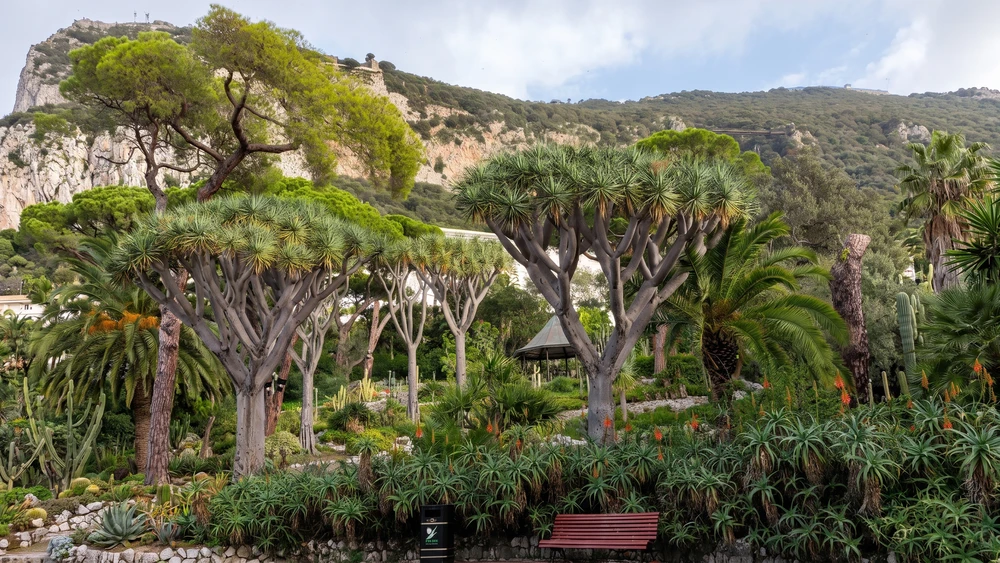
Because of Gibraltar's trading history, the plant collection blends native Mediterranean species with imports from former British colonies. Look for Stone Pines, wild olives, and Dragon Trees over 200 years old, some predating the gardens' 1816 design. Alongside them grow Australian Silk Oaks, blue and orange Agapanthus, bougainvillea, and a large collection of cacti and succulents, including Opuntia and Echinocactus, all thriving in a climate similar to their native ranges.
The Alameda Wildlife Conservation Park (AWCP)
Tucked into the upper south-west section of the gardens, the AWCP is Gibraltar's only wildlife park and a working conservation facility rather than a traditional zoo. It shelters exotic pets that were abandoned or unwanted, plus native and exotic animals confiscated by Gibraltar customs, and it plays a role in international conservation programs.
Visitors can get close to lemurs, see a range of native reptiles, and observe nocturnal species; resident flamingos are sometimes visible in the summer months. Admission costs £8 for adults and £5 for children, separate from the free main gardens. The park closes well before the gardens do, so check the current closing time before heading up the slope and plan to visit the AWCP first if it's a priority.
Planning Your Route: How It Fits Into a Town Walk
The Alameda works best as a deliberate midday break in a longer Gibraltar itinerary rather than a standalone stop. Start the morning with a walk down Main Street, taking in the mix of British, Spanish, and Genoese architecture, then exit through the Southport Gates past the Trafalgar Cemetery.
From there, spend up to an hour in the gardens: rest in the shade near The Dell, take in the memorials, and visit the AWCP if wildlife is on the agenda. Because the main entrance sits right next to the Cable Car terminal, you can move straight from the gardens up to the top of the Rock, where the Gibraltar Upper Rock Nature Reserve delivers the famous Barbary macaques and panoramic views over the Strait.
This sequence, town center, gardens, then the Rock, covers Gibraltar's history, ecology, and views in one uphill loop without backtracking. For a broader sense of what else to build around this stop, Gibraltar Essentials covers the practical basics, while families weighing whether the wildlife park is worth the extra ticket can check Gibraltar with Kids for how it fits into a family day. If you're still mapping out when to go, Best Time to Visit Gibraltar covers crowd and weather patterns beyond just the gardens.