Gibraltar packs three cultures into 2.6 square miles: British law and Spanish rhythms, sitting on a limestone Rock at the mouth of the Mediterranean. Because it sits outside the Schengen Area, runs its own currency, and mixes British infrastructure with Spanish daily life, a handful of practical details are worth sorting out before you cross the border. Most first-time visitors trip up on the same handful of things, not the border queue or the Rock's monkeys, but the smaller logistics that never make it into a highlight reel. This is the short orientation checklist, covering money, language, time zones, and the small quirks that catch first-time visitors off guard, before you dig into any single topic in more depth.
Passport and Border Crossing
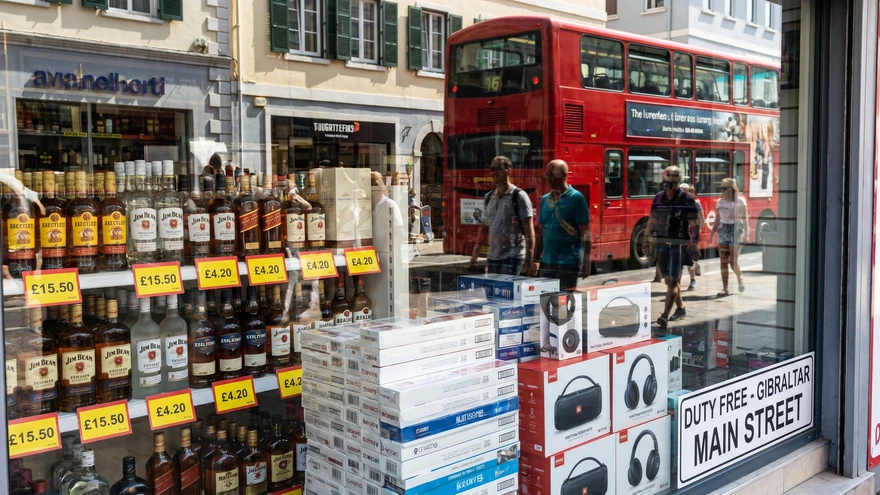
A valid passport is mandatory to enter Gibraltar from Spain, a national ID card alone will not do for most non-UK, non-Gibraltar residents. Vehicle lines at the frontier in La Línea de la Concepción often stack up for an hour or more during commuter rush, so walking across is almost always the faster option. If you're arriving with a Rental car from Malaga or Seville, plan to park on the Spanish side and cross on foot. Because Gibraltar sits outside the EU customs union, it also runs as a duty-free port, which is why tobacco, alcohol, and electronics shopping is a small side draw for day-trippers.
Currency and Payments
The official currency is the Gibraltar Pound (GIP), pegged 1:1 to the British Pound, and British notes spend freely everywhere on the peninsula. Card payments are accepted almost universally, so you rarely need much cash at all, and the same peg means prices are easy to compare against sterling without doing mental math. The one catch is on your way out: Gibraltar Pounds are not accepted anywhere else in the world, not even in the UK, so spend or exchange them before crossing back into Spain.
Getting In and Getting Around
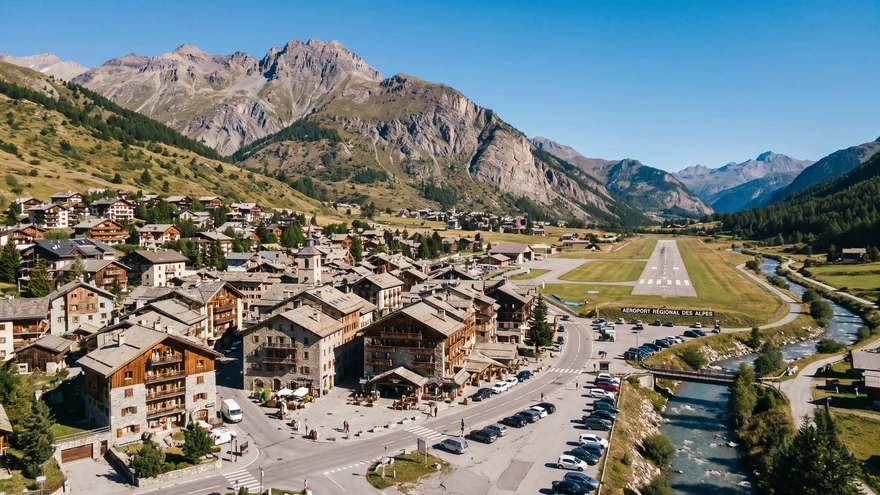
Gibraltar International Airport sits so close to the town center that the access road crosses the runway itself, traffic simply stops whenever a plane lands or takes off. Beyond that, the peninsula is small enough to explore mostly on foot, with a reliable local bus network covering the steeper stretches toward the Upper Rock. There is no train service, and none is needed. This is a destination measured in minutes, not hours.
Language
English is Gibraltar's official language, used in shops, on signage, and by border officials, so there is no language barrier for English speakers. Spanish is spoken just as widely on the street, a legacy of the territory's deep ties to neighboring Andalusia and its cross-border workforce. Most locals switch fluently between the two mid-conversation.
Time Zone: Set by Spain, Not London
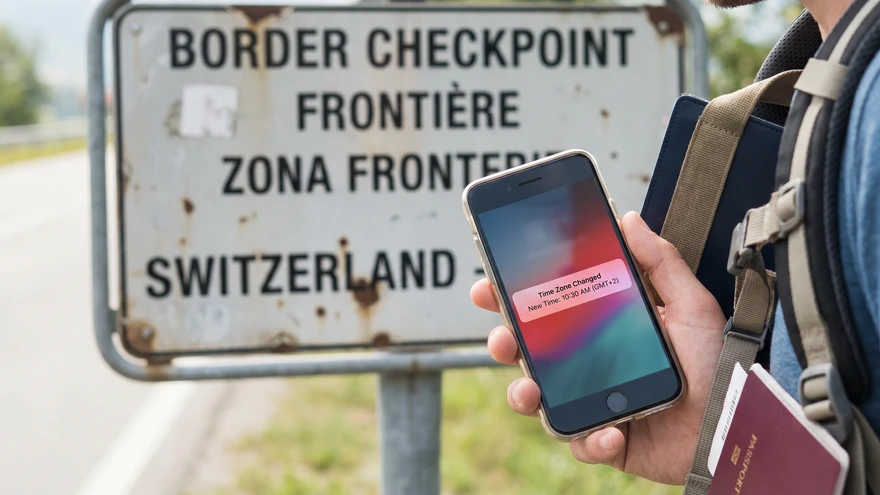
This one surprises people: despite being British territory, Gibraltar runs on Central European Time, the same clock as Spain, not the UK's GMT. Gibraltar made the switch permanently in 1982 to stay in step with its Spanish neighbors and cross-border workers, so it's an hour ahead of London for most of the year. Phones sometimes flip between Spanish and Gibraltar mobile networks right at the frontier, so double-check the auto-updated clock on your device before booking a tour or catching a bus.
Power Plugs: British Through and Through
Flip that logic for electrical sockets. Gibraltar uses the three-pin Type G plug at 230V, the same BS 1363 standard found across Britain, not the two-pin Europlug used in Spain just a few hundred meters away. Pack a UK adapter, a "Europe" one won't fit.
Safety and Everyday Etiquette
Gibraltar is one of the safer stops in the region: violent crime against visitors is rare, and the compact center is easy to navigate on foot at any hour. Tipping leans British rather than Spanish, rounding up or leaving 10 percent at a sit-down restaurant is appreciated but not obligatory, and tipping at bars or cafes is uncommon. Many shops on Main Street close on Sundays, so plan grocery runs and souvenir shopping around weekday afternoons if you're staying more than a day.
What's Actually British, and What's Actually Spanish
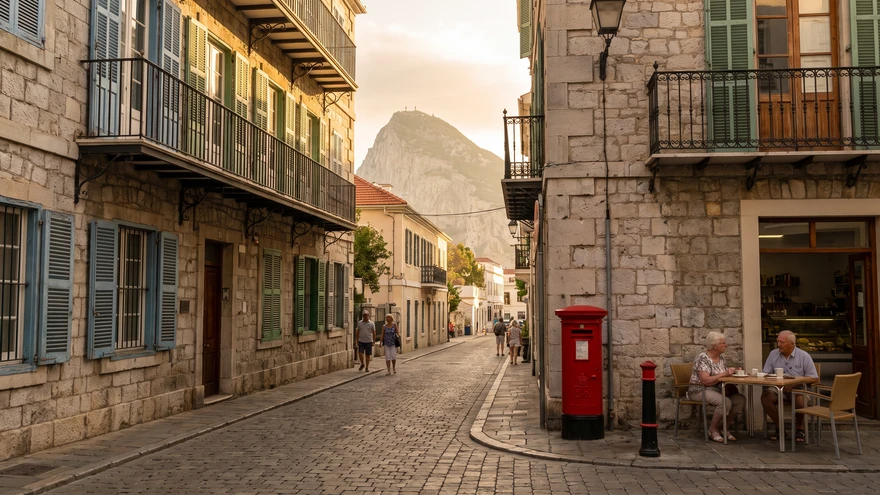
The mix is stranger than it looks on paper. Red phone boxes, pubs, and fish and chips shops sit blocks from tapas bars and Andalusian church facades. Even the roads contradict the flag: Gibraltar drives on the right-hand side, like Spain, despite decades of importing British right-hand-drive cars.
Government, policing, the legal system, and the currency peg stay firmly British, while daily food, siesta habits, shop opening hours, and the Spanish language shape the street-level feel. Even the Rock's population reflects the mix, a blend of British, Genoese, Spanish, and Jewish heritage that shows up in local surnames and the Llanito dialect spoken at home.
Before You Cross: Quick Checklist
- Passport: required for everyone, not just non-EU nationals.
- Cash: a small amount of GBP or GIP for tips, cards work almost everywhere else.
- Adapter: UK Type G, not a Europlug.
- Insurance: Arrange travel insurance before you go. Gibraltar's small size means limited options for anything beyond routine medical care.
- Timing: cross early or late in the day to skip commuter border queues.
Gibraltar rewards a little upfront planning far more than it punishes improvisation. Get the passport, currency, and time zone sorted, and the rest of the visit, from the Upper Rock to Ocean Village, takes care of itself.