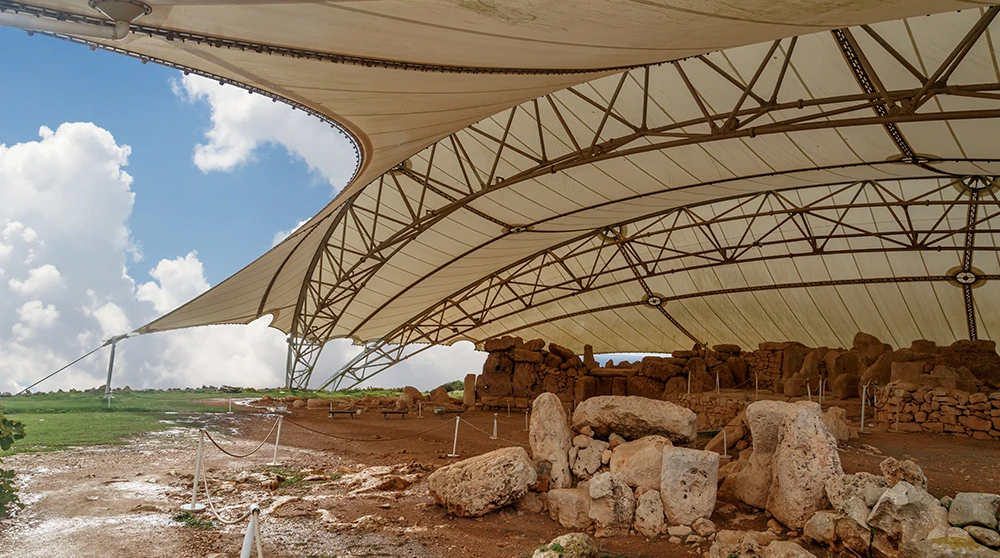
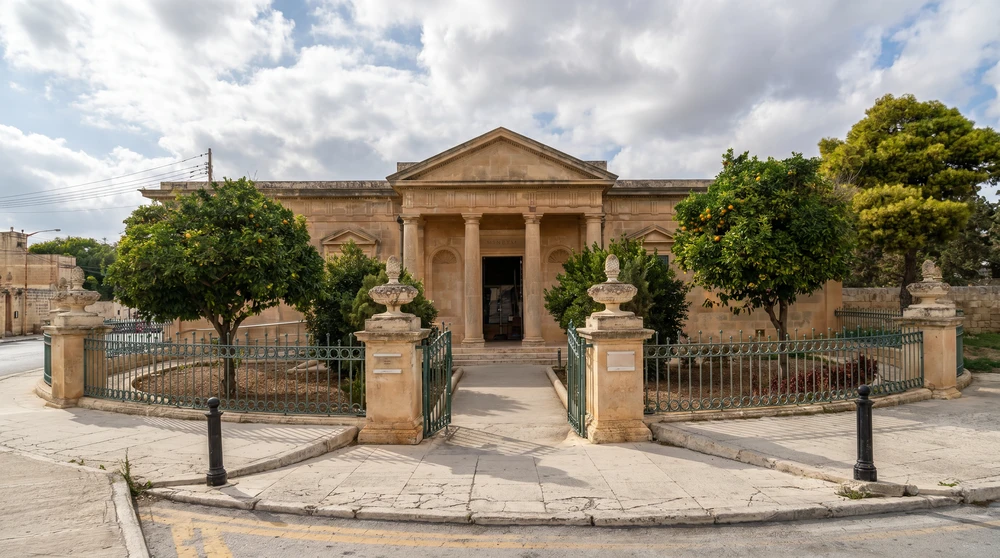
Most visitors to Gozo's megalithic temples leave without knowing the windmill just down the road is included in the same ticket. Ta' Kola Windmill sits a flat five-minute walk from Ggantija Archaeological Park in Xaghra village, and the combined Heritage Malta ticket covers both. It transforms what could be a single-site visit into a half-morning of genuinely contrasting history: prehistoric stones followed by a fully intact 18th-century miller's home.
- Distance from Ggantija: 5-minute walk, flat and clearly marked
- Ticket: €10 adult (ages 18+), €6 child (ages 6-11), €8 youth/senior/student (ages 12-17 or 60+), free under 6
- Duration: 15 to 30 minutes
- Accessibility: Ground and first floors accessible; top machinery level requires a tight spiral stone staircase
What Makes Ta' Kola Windmill Worth Your Time
The island is dotted with remnants of old agricultural buildings, but almost all of them stand as empty shells today. Ta' Kola is completely different. The structure remains fully intact and equipped with original handcrafted tools forged by the last resident miller. The air inside carries the smell of aged wood and heavy stone. Rather than empty walls and interpretive panels, you walk into a home that feels as if the family stepped out for the afternoon.
It also has a claim that surprises most visitors: the tool collection inside is one of the largest known assemblies of handcrafted implements from that era. Many were made by the final miller himself, not sourced from elsewhere for display purposes.
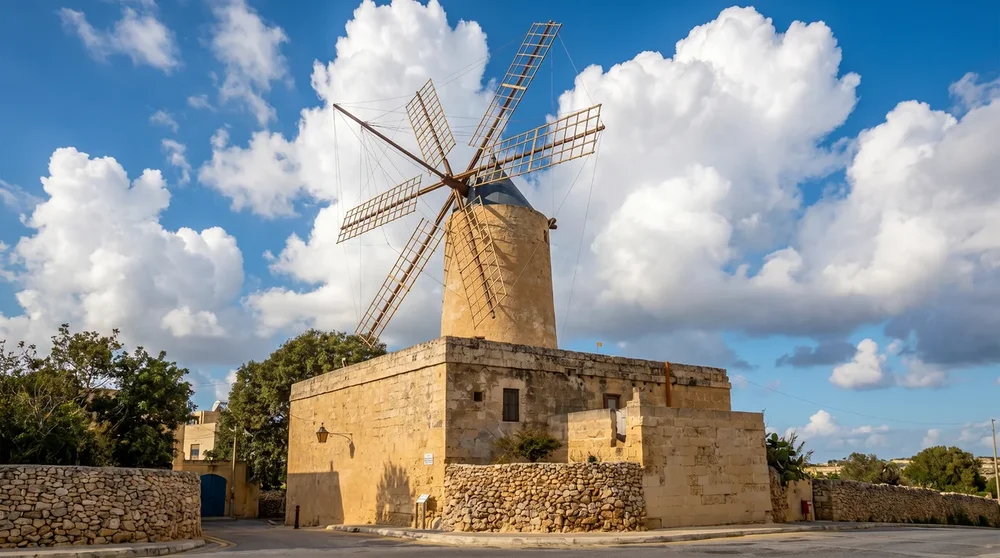
The Three Floors: From Workshop to Mechanism
Ground Floor: The Workshop
Stepping through the main door opens up a surprisingly spacious ground level packed with authentic artifacts. The miller ran a multifunctional workspace that served the entire Xaghra community, not just milling grain. Heavy anvil stations, traditional weaving looms, and agricultural implements are arranged across the rooms. The interior stays noticeably cool even in summer heat, and the atmosphere is quieter than you expect given how close you are to the main square.
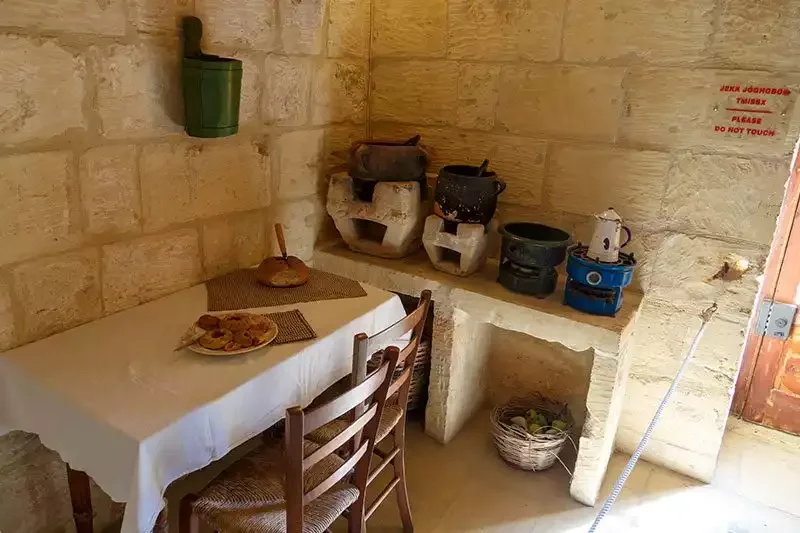
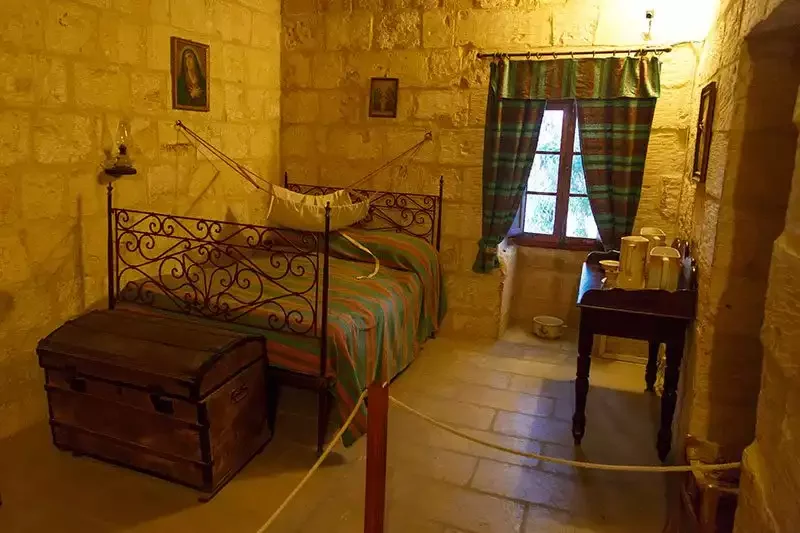
First Floor: The Living Quarters
The stone steps lead to the domestic heart of the building. Period furniture and traditional Gozitan decor show how a family organized their daily lives around the central milling tower with considerable practicality. Every pot and pan sits in its original position. Visitors who enjoy the careful domestic curation of heritage museums will find this level particularly rewarding.
Top Floor: The Milling Machinery
The final climb requires navigating a tight, twisting spiral staircase. The reward is the massive grinding mechanism and heavy millstones that once fed the village. The mechanical engineering is entirely visible and well-maintained, and the view of how the whole system connected is satisfying in the way that working machinery always is. Space at the top is genuinely cramped, so if you arrive behind a tour group, wait for them to begin descending before heading up.
Ticket Prices and What's Included
The Ggantija and Ta' Kola combo ticket is the standard option for most visitors:
| Category | Price |
|---|---|
| Adult (18+) | €10 |
| Youth (12-17) / Senior (60+) / Student | €8 |
| Child (6-11) | €6 |
| Under 6 | Free |
| Heritage Malta Members / Passport Holders | Free |
Heritage Malta also sells a broader Discover Gozo pass that includes the Citadel Visitor Centre, Old Prison, Gozo Museum of Archaeology, Gozo Nature Museum, and Gran Castello alongside both Xaghra sites. That pass is valid for 30 days from first use, which suits visitors spending several days on the island.
Purchase tickets at the Ggantija Archaeological Park entrance. There is no separate ticket desk at the windmill itself.
How to Get There
By bus from Victoria: Take the local bus to Xaghra village. The stop is near the village centre, and both the temples and the windmill are a short walk from there.
By car: Street parking is generally available in the surrounding area. The two sites share the same general zone, so you only need one parking spot for both.
Both locations are centrally placed within Xaghra, making the combination straightforward for public transport users and drivers alike.
When to Visit
Arrive before 10:00 or after 14:00 to avoid the periods when tour groups typically move through. The interior spaces, especially the top floor, become very tight when several visitors are inside simultaneously. Weekday mornings are reliably quiet.
The windmill closes for last admission at 16:30, which catches some visitors off guard. If you are planning to visit both Ggantija and the windmill in the same session, do the temples first while energy levels are high, then walk over to the windmill while the day is still relatively cool.
Practical Tips Before You Go
- Closed dates: 24 and 25 December, 31 December, 1 January, Good Friday
- Photography: Allowed without flash
- Stairs: The spiral staircase to the top is genuinely narrow and steep. If mobility is a concern, the ground and first floors still offer a full view of the tool collection and living quarters
- Kiosk nearby: A small kiosk outside sells coffee and snacks, with shade from a large carob tree
- Heritage Malta Members: Enter free at both sites
The windmill rarely draws crowds independent of the temple visit. Most people who skip it do so simply because they do not realize the combined ticket already covers it. That is their loss: 20 minutes inside offers a fundamentally different perspective on Gozitan history than the prehistoric stones next door.