Packing a single pair of camouflage shorts for your Caribbean getaway can land you a fine of EC$250 (around US$90) and up to three months in prison in St. Kitts and Nevis. While these dual islands carry a Level 1 "Exercise Normal Precautions" rating from the US State Department and a lower crime rate than many regional neighbors, navigating the strict local laws and unmetered transport system takes sharp situational awareness.
- Emergency: dial 911 for police, fire, and medical
- Tap water is generally safe to drink, bottled water advised for sensitive stomachs
- Currency: Eastern Caribbean Dollar (XCD), with USD and major cards widely accepted
- Hurricane season: June to November, peak risk mid-August to late September
- Camouflage clothing is illegal for everyone, including children
- Avoid after dark: isolated beaches, unlit rural roads, and the non-tourist outskirts of Basseterre
Crime in St. Kitts and Nevis: What Tourists Need to Know
Petty Theft and Beach Security
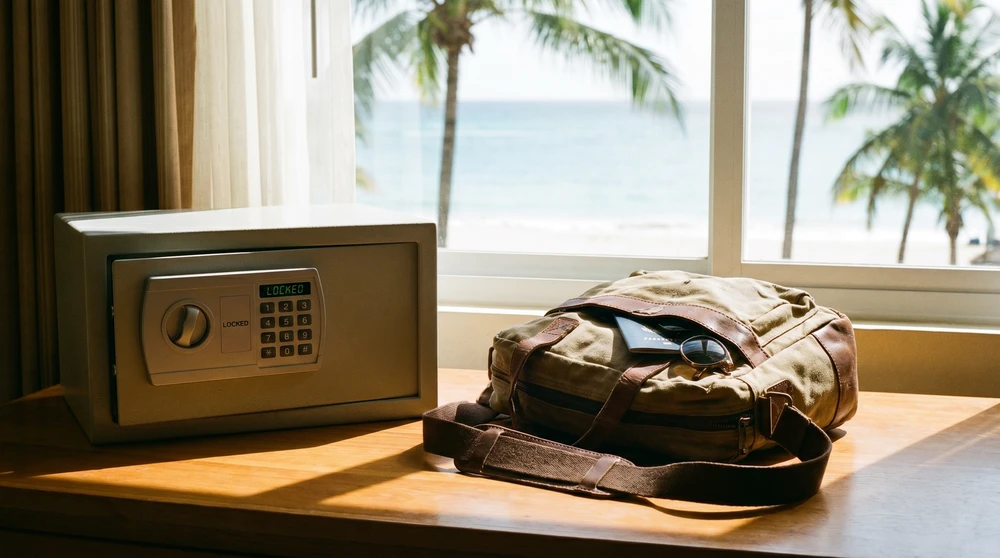
Leaving valuables unattended on the sand while you swim is the quickest way to ruin a vacation. Petty theft and purse snatching happen most often in crowded festival environments, the bustling markets of Basseterre, and outside popular beach bars. Use your hotel safe for passports, expensive jewelry, and excess cash. Carry only the daily cash you need in a secure front pocket or a cross-body bag. The same caution applies on the sand at the busier strips covered in our guide to the best beaches in St. Kitts and Nevis.
Violent Crime
Violent crime exists on the islands, but it is largely tied to local gang disputes and rarely targets tourists. Resorts, upscale marinas, and the Port Zante cruise terminal maintain a heavy private security and police presence. Stick to these well-patrolled tourist zones. Wandering into unfamiliar residential neighborhoods or deserted side streets after dark drastically increases your risk.
Strict Local Laws That Can Ruin Your Trip
The Camouflage Clothing Ban
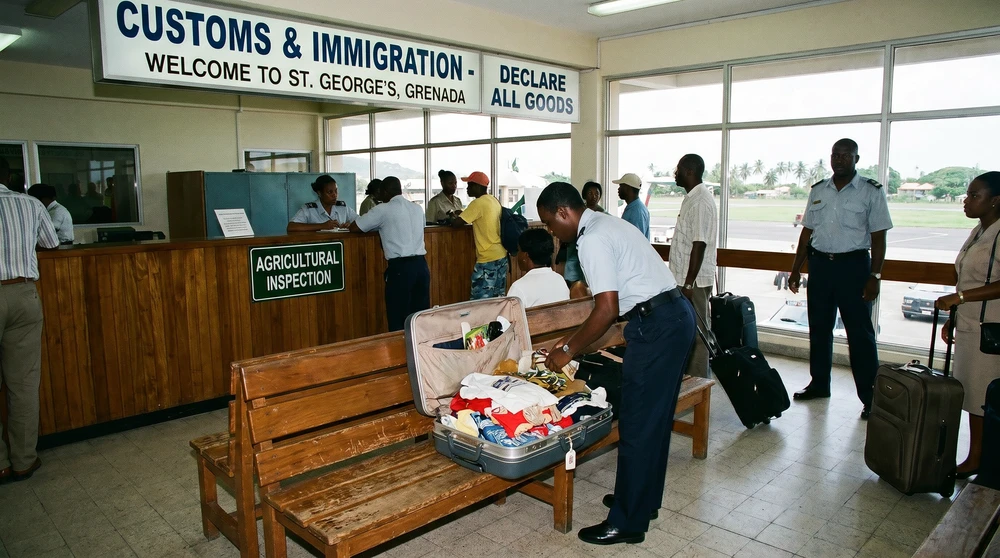
It is entirely illegal for civilians to wear any form of camouflage print. The law applies to everyone, including toddlers and transit passengers simply passing through. Do not pack camo shirts, pants, hats, or even backpacks. Customs officials and local police actively enforce the rule, and the result is immediate confiscation plus a fine and possible jail time. If you are unsure what else customs flags on arrival, our Saint Kitts and Nevis entry requirements breakdown covers the details.
Zero Tolerance for Drugs and Conservative Cultural Norms
Drug offenses carry severe, life-altering penalties. Trafficking convictions bring massive fines and minimum 15-year prison sentences. While marijuana is decriminalized for personal use, consuming it legally requires a specific government-issued license, and smoking in public without that permit guarantees a fine.
St. Kitts and Nevis decriminalized same-sex activity in 2022. Despite this legal progress, society remains largely conservative outside major expat hubs, and public displays of affection often attract unwanted stares and negative attention.
Getting Around Safely
Unmetered Taxis and Minibus Risks
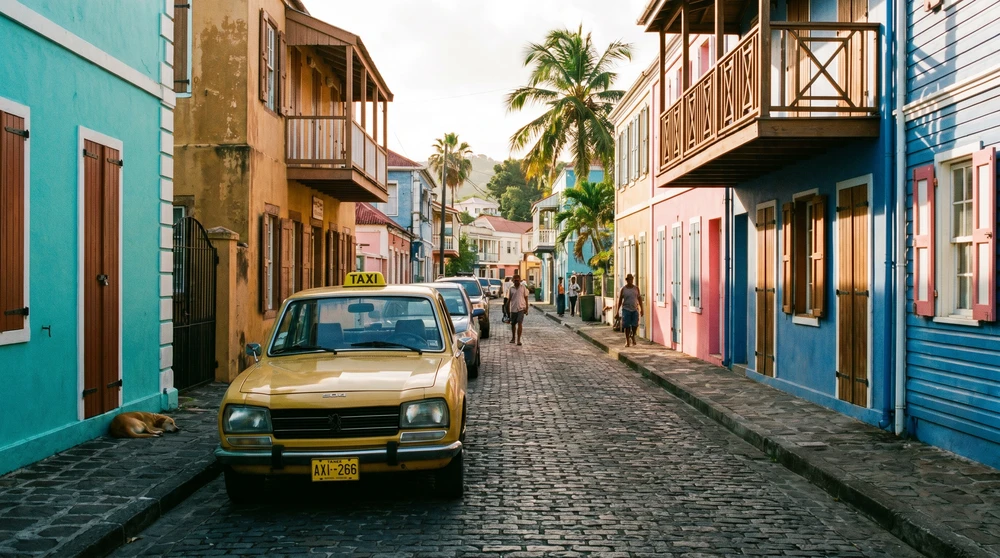
Taxis do not use meters, so negotiate and agree on the exact fare before you get inside. Always clarify whether the quoted price is in XCD or USD to avoid an aggressive argument on arrival. Look for yellow license plates starting with "T" or "TA" to confirm the vehicle is officially licensed and insured. Public minibuses are cheap, but drivers frequently maneuver recklessly to beat traffic and hold tight schedules. For a full breakdown of fares, ferries, and routes, see how to handle getting around St. Kitts and Nevis.
Driving on the Left and Poorly Lit Roads
Traffic flows on the left side of the road. Renting a car requires a temporary local driving permit, which rental agencies usually arrange when you Rent a car. Minor rural roads are narrow, riddled with unmarked speed bumps, and full of blind corners. Once the sun sets, many roads go completely unlit, and pedestrians frequently walk on the asphalt edges because there are no sidewalks, so slow speeds and extreme focus are non-negotiable at night.
Health Risks and Natural Hazards
Surviving Hurricane Season (June to November)
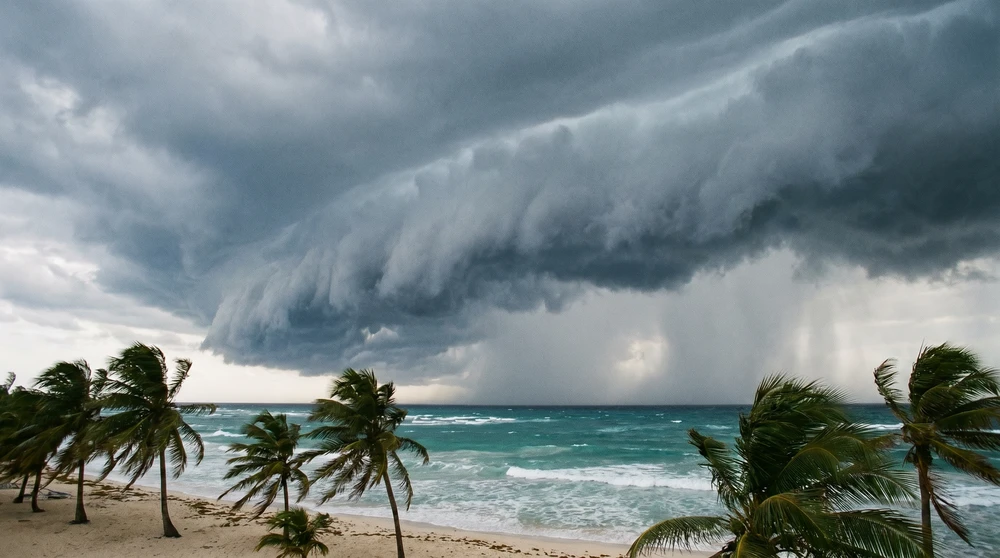
Late summer brings intense humidity and the very real threat of severe tropical storms. If you visit during this window, Comprehensive travel insurance covering flight cancellations and medical evacuation is essential. Most high-end resorts feature modern hurricane-resistant construction, but severe storms routinely cause sudden power outages and infrastructure damage. Timing matters here, and our guide to the best time to visit Saint Kitts and Nevis maps out the calmer months.
Mosquito-Borne Diseases (Dengue and Zika)
The lush tropical climate breeds mosquitoes carrying Dengue, Zika, and Chikungunya. These insects are most active around sunrise and sunset. A high-quality insect repellent containing DEET plus light-colored, long-sleeved clothing for evening dinners outdoors is your best defense.
Water Safety and Strong Currents
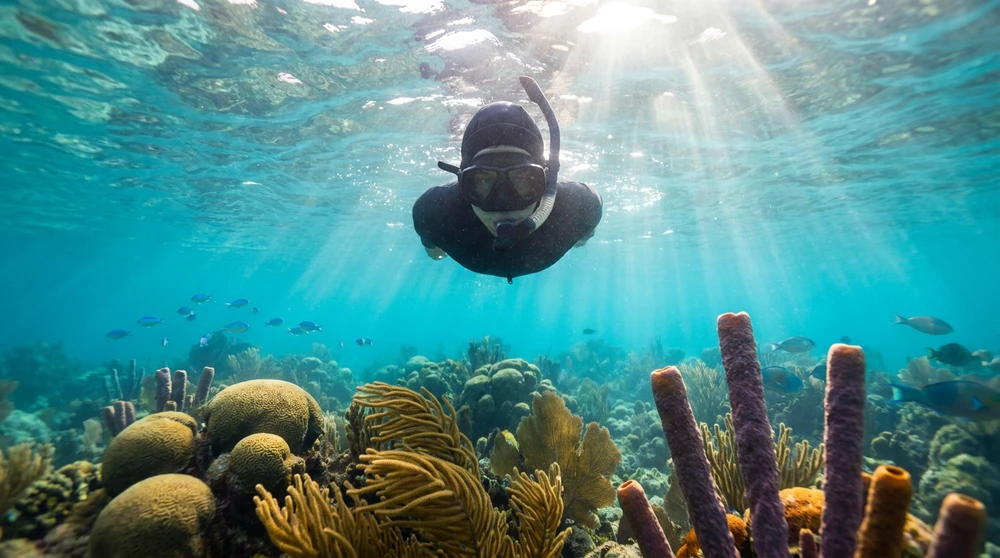
The idyllic turquoise water often hides deceptively strong undercurrents. Many remote beaches lack warning flags and active lifeguards. Stick to supervised areas or naturally calm bays, and never swim far from shore alone.
Safe Areas vs. Places to Avoid After Dark
Frigate Bay and Christophe Harbour offer highly secure, well-lit environments favored by expats and long-term visitors. Active nightlife, private security, and visible police patrols keep these zones comfortable late into the evening, which is part of why they top our list of where to stay in St. Kitts and Nevis.
Conversely, isolated stretches of sand like South Friars Bay turn desolate and risky after sunset. Avoid walking alone off main roads, taking shortcuts through unlit alleys, or exploring the quiet commercial districts of Basseterre once the local shops close. Use a licensed taxi to travel between venues at night.