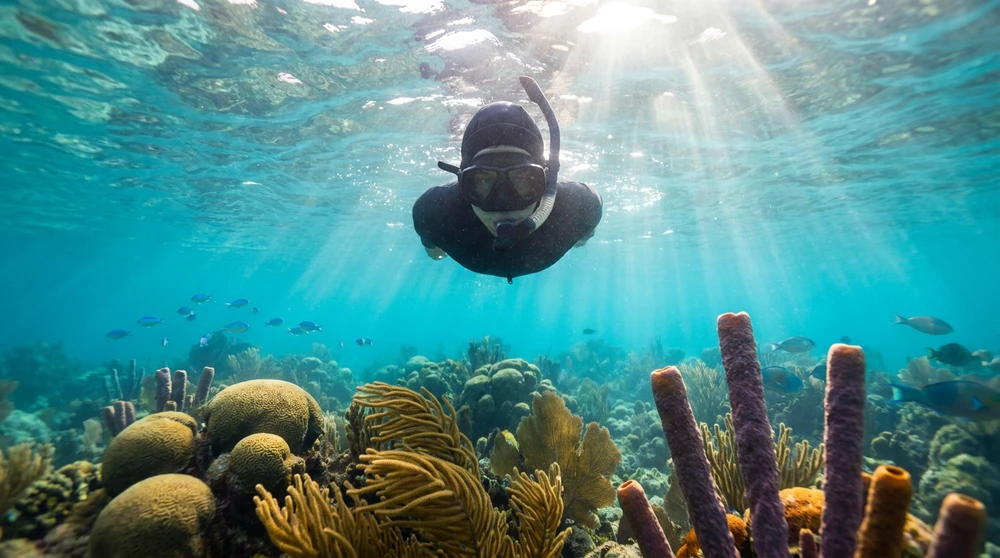
Booking a Caribbean flight to Saint Kitts and Nevis without checking the storm calendar is the fastest way to wash out an expensive vacation. Timing this twin-island trip means balancing the late-summer hurricane window against the inflated room rates of the winter peak. NOAA's outlook for the 2026 Atlantic hurricane season calls for a below-normal year with 8 to 14 named storms, but the calendar still dictates when you should pack a bag.
- High Season: mid-December to mid-April
- Sweet Spot Months: May and November
- Hurricane Season: June 1 to November 30
- Highest Storm Risk: September and October
- Average High: 82 to 86 degrees Fahrenheit year-round
- Currency: Eastern Caribbean Dollar (EC$), with US dollars accepted everywhere
- Getting Around: fixed-rate taxis on each island, plus a 25-30 minute ferry between Basseterre and Charlestown
The Absolute Best Time to Visit Saint Kitts and Nevis
May and November are the strongest strategic windows for visiting the twin islands. You catch the tail end of the dry season or the fresh trade winds of early winter without fighting cruise ship crowds for a spot on Cockleshell Beach. Hotel rates during these shoulder months drop sharply against the holiday rush, and the same beachfront resorts that demand premium rates in February quietly open up to deals.
For travel insurance that covers tropical storm cancellations, VisitorsCoverage policies make sense any time between June and November. If you want flexible hotel pricing comparisons across the seasons, Check Booking.com rates for the same property month by month before locking anything in.
Saint Kitts and Nevis Weather by Season
The Caribbean climate here is remarkably stable. Daily highs sit between 82 and 86 degrees Fahrenheit in nearly every month, and water temperatures barely shift from 80 degrees Fahrenheit. What changes is rainfall, humidity, and hurricane probability, not temperature.
High Season: Mid-December to Mid-April
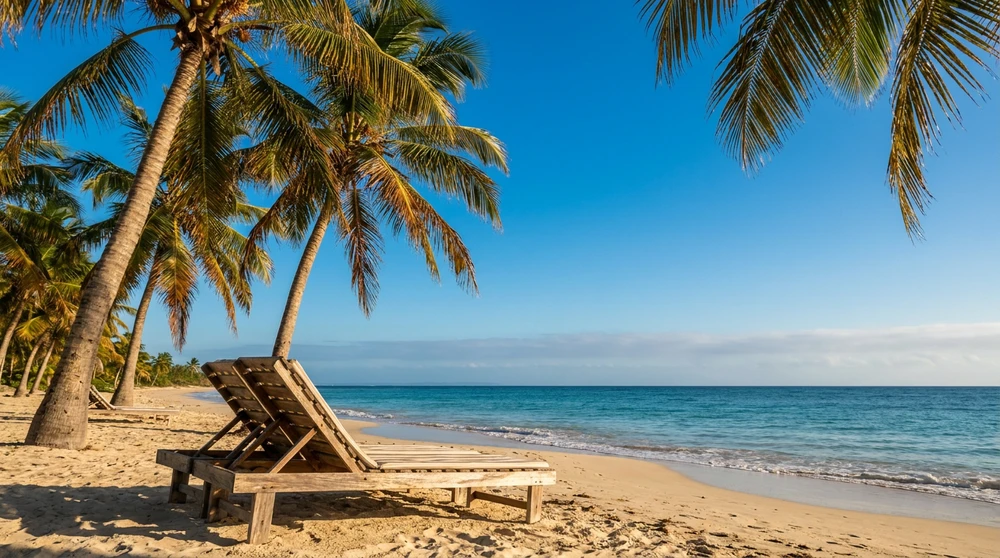
Expect near-perfect conditions with daily highs around a comfortable 84 degrees Fahrenheit and minimal rainfall. The humidity drops, making inland rainforest hikes up **Mount Liamuiga** much more manageable. This flawless weather comes with a premium price tag, as beachfront hotels fill up months in advance and Basseterre hums with heavy cruise traffic. February through April typically rank as the driest stretch of the year.
Shoulder Season: May to June and November
Temperatures start to climb slightly, bringing a touch more humidity and the occasional brief afternoon shower. You will find excellent travel deals during this window before the major storm risks materialize. The islands remain vibrant, shifting gears from international snowbirds to locals preparing for the dynamic summer events.
Hurricane Season: June 1 to November 30
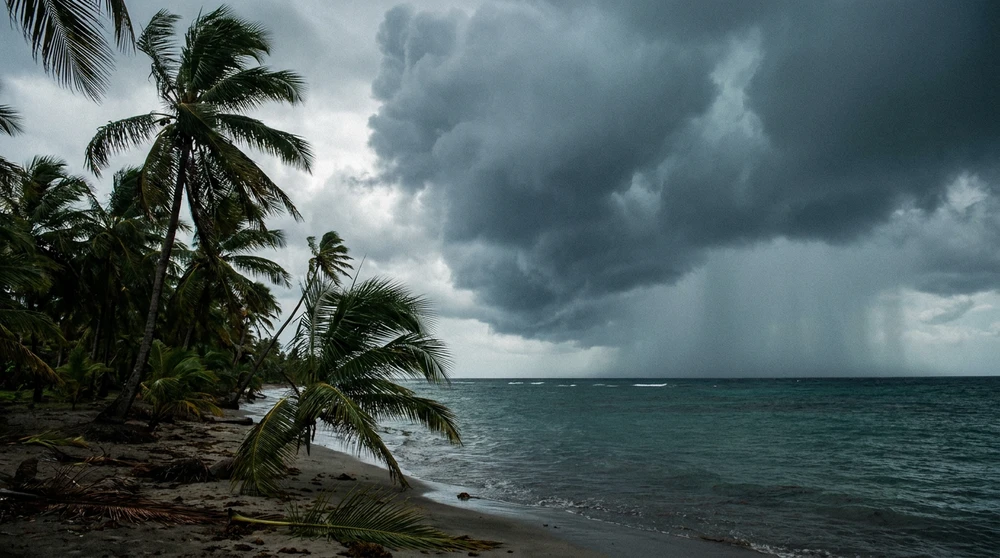
The official Atlantic hurricane season runs June through November, with September and October carrying the highest risk for severe tropical storms. Late summer brings serious heat, heavy humidity, and the bulk of the year's rainfall, prompting some smaller beach bars and restaurants to close for annual maintenance. NOAA's 2026 outlook tilts toward a quieter-than-average year, with El Nino expected to suppress storm activity through wind shear, but the underlying risk is real. If you plan to travel during these months, comprehensive travel insurance is non-negotiable.
Cheapest Time to Go to Saint Kitts and Nevis
September and October deliver the steepest discounts on flights and accommodations, but this requires gambling with the weather. A smarter budget strategy targets the Summer Unscripted promotional windows between July and August. During this period, major properties like the Park Hyatt St. Kitts, Koi Resort, and Belle Mont Sanctuary often release specific deals, sometimes offering up to two free nights. You get the financial benefits of the low season while still enjoying enough clear days to hit the beaches.

May and the first half of June offer a different kind of bargain: rates almost as low as deep summer, with substantially lower storm risk. Many travelers consider this the best value-to-weather ratio on the entire Caribbean calendar.
Saint Kitts and Nevis Weather Month by Month
| Season | Months | Weather | Hotel Prices |
|---|---|---|---|
| Peak Dry | December to April | Sunny, low humidity, highs 82-86°F | Highest |
| Late Dry | February to April | Driest stretch, minimal rain | Highest |
| Shoulder | May to early June | Warmer, occasional showers | Moderate |
| Early Hurricane | July to August | Hot, humid, possible storms | Lowest deals appear |
| Peak Hurricane | September to October | Highest storm risk, heavy rain | Lowest overall |
| Shoulder / Late Season | November | Storms tapering, quieter beaches | Moderate to low |
2026 Festivals and Events You Should Not Miss
Timing your arrival around local celebrations transforms a standard beach trip into a deep cultural dive.
The St. Kitts Music Festival runs June 25 to 27, 2026 across three nights at Warner Park Stadium in Basseterre. The 2026 headline belongs to Kehlani, with Fantasia, Beres Hammond, Machel Montano, Steel Pulse, Boyz II Men, Mavado, and Tarrus Riley filling out the lineup. Hotel rates spike across the island for this weekend, so book several months ahead.
July pushes the culinary scene to the forefront. The Nevis Mango Festival highlights more than 40 varieties of the fruit, immediately followed by St. Kitts and Nevis Restaurant Week. Themed menus culminate in the Grillfest BBQ competition on the Frigate Bay Lawn.
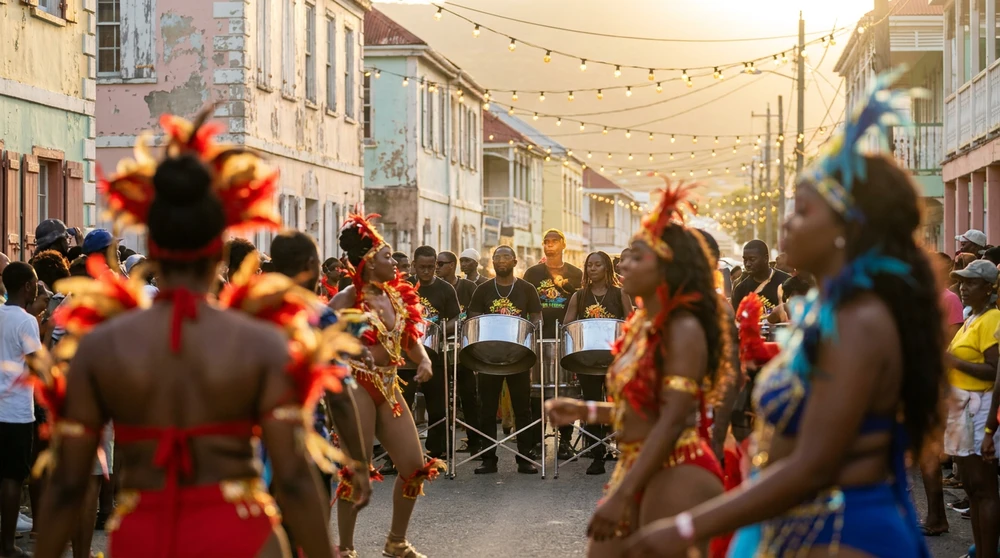
The biggest celebration of the year is Sugar Mas, the national carnival, which spans late December into early January. Sugar Mas 55 runs from late December 2025 into January 2 and 3, 2026, with the New Year's Day Grand Parade on January 1, J'ouvert street jam on December 26, and Las Lap on Carnival Tuesday. If you want carnival energy without the post-Christmas hotel premium, Book tour and event tickets in advance, because parade viewing spots and fete passes sell out by mid-November.
Essential Travel Tips and How to Get Around
Landing at Robert L. Bradshaw International Airport (SKB) puts you just minutes from the main hubs on St. Kitts, but navigating between the twin islands takes a bit of planning.
Ferries: A scenic, 25-30 minute ferry ride connects Basseterre (St. Kitts) to Charlestown (Nevis) multiple times a day. One-way passenger fares run roughly EC$25 for adults and EC$15 for children under 12, with tickets sold directly at the pier. Schedules tighten on Sundays and during Sugar Mas, so check the daily timetable rather than assuming hourly departures.
Taxis: Cabs operate on government-regulated, fixed fares rather than meters. Always confirm the price with the driver before getting in, and clarify whether the quote is in US Dollars or EC Dollars, the two often get conflated and a quoted "twenty" can land very differently on your wallet.
Driving: Rental cars are available, but you need a temporary local permit to drive. Traffic moves on the left side of the road, and you must stay alert for sudden potholes, roaming goats, and tight corners on the inland routes.
Culture: The local vibe is friendly but conservative. Wearing beachwear or swimsuits in the city center is considered highly disrespectful and should be restricted to the resort pool or the sand.