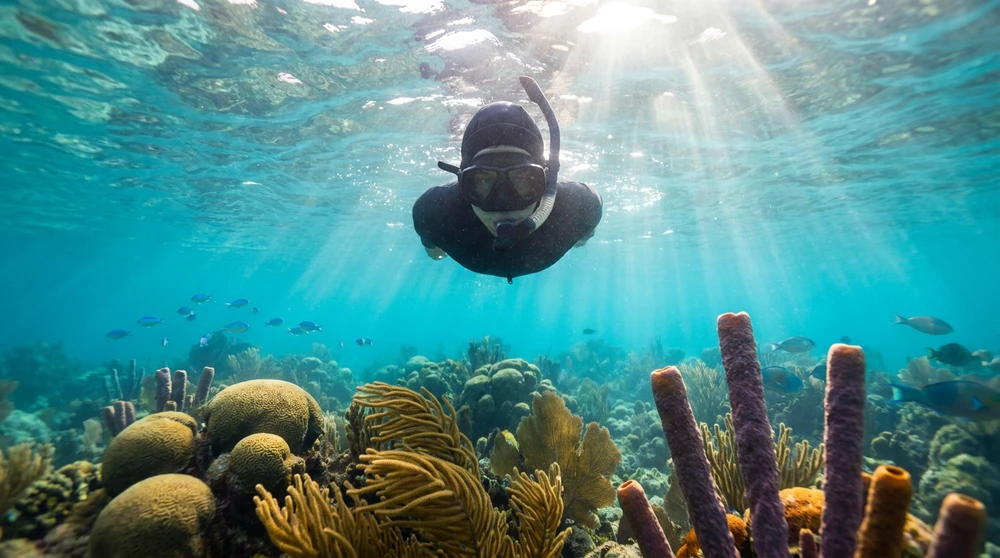
Most cruise passengers waste precious island hours blindly taking a taxi to the Atlantic side, only to find the water too rough for a casual swim. Knowing exactly which coast matches your schedule and swimming skill saves time, expensive cab fares, and real safety risk. The golden rule on these twin islands is simple: head to the Caribbean side for calm water and the Atlantic side for rugged scenery.
| Beach | Coast / Water Condition | Vibe & Key Feature | Distance from Port |
|---|---|---|---|
| South Friars Bay | Caribbean (calm) | Beach bars, accessible snorkeling | 15 minutes |
| Cockleshell Bay | Caribbean (calm) | Watersports, views of Nevis | 25 minutes |
| White House Bay | Caribbean (calm) | Rocky shore, sunken tugboat dive | 20 minutes |
| Dieppe Bay | Atlantic / Caribbean mix | Black volcanic sand, reef-protected | 40 minutes |
| North Frigate | Atlantic (rough, undertow) | Scenic walking, strong currents | 15 minutes |
Best Beaches in St. Kitts for Cruise Passengers
When your time on the island is locked to a ship departure schedule, distance is everything. The southern peninsula gives you the best balance of quick access and full amenities, and no taxi ride from Port Zante to the southeast peninsula takes longer than 30 minutes.
A practical note before you commit to a beach: taxi fares are government-fixed by destination and quoted per cab for up to four passengers, not per person. The smart move is to split a cab with three other guests off your ship and treat the fare as a flat group cost.
If you want to lock in a driver in advance instead of bargaining at the curb, you can Prebook a port transfer online for a fixed published price.
South Friars Bay
This is the most strategic choice for a quick escape from the cruise terminal. The sand is soft and golden, and the water is remarkably flat. You do not need to book an expensive resort day pass to enjoy a comfortable setup here, since all beaches in St. Kitts are free and public. Chair-and-umbrella rentals from the smaller local vendors run US$20 to US$25 for two, often half what the branded clubs charge. The shoreline is packed with lively beach bars like Carambola Beach Club and Shipwreck Beach Bar, both serving fresh seafood and cold drinks.
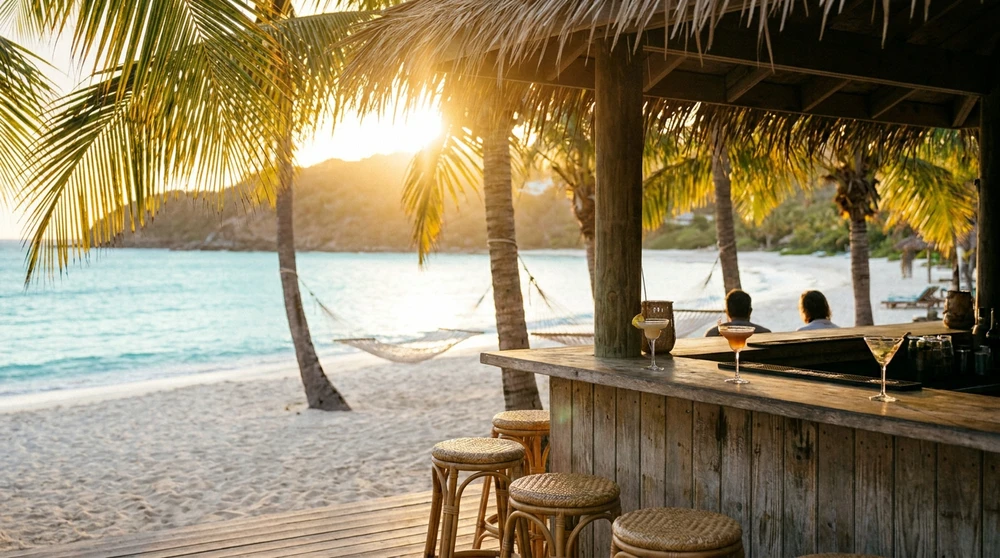
- Snorkeling: a natural reef flanks the shoreline with parrotfish, grouper, needle fish, and starfish among the rocks; float over the coral without touching down, since spiny sea urchins cluster in the shallows
- Amenities: restrooms and freshwater showers are available through the beach clubs, usually free if you buy a drink or lunch, plus a public foot-wash station for skipping the clubs entirely
- Crowd level: noticeably quieter than Cockleshell on busy port days; the eastern end stays wilder and emptier than the bar-heavy western strip
- Watch out for: dusk mosquitos along the inland palm line and roving peddlers selling braids or massages, who get more persistent on cruise days
Cockleshell Bay
Cockleshell sits at the very end of the southern peninsula. The drive takes longer, but the panoramic view of neighboring Nevis across The Narrows makes the trip worth it. The sand is powdery white and the bay stretches close to two miles. Time your swim between 10:30 AM and 12:30 PM for the deepest blue water hues, since afternoon light flattens the color.
- Atmosphere: this is the hub for watersports, with jet-skis, paddleboards, and kayaks lined up for rent through St. Kitts Watersports; calm shallow water also makes the beach genuinely kid-friendly
- Food & Drink: casual barbecue shacks plus sit-down spots like Reggae Beach Bar & Grill and Spice Mill at opposite ends, with Zanzi in the middle as the value pick for nachos and conch
- Snorkel and shell hunting: bring goggles and look just off the rocky outcrops for starfish, conch shells, and small reef fish
- Watch out for: cruise-day crowds (arrive before 10 AM for a shaded lounger), persistent peddlers offering hair braiding and beach massages, and small motorboats running close to shore that bring engine noise and the occasional fuel smell
Calm Water and Snorkeling on the Caribbean Side
If your priority is putting on a mask and exploring an underwater ecosystem without fighting aggressive waves, the leeward side of St. Kitts is where you drop your towel.
White House Bay
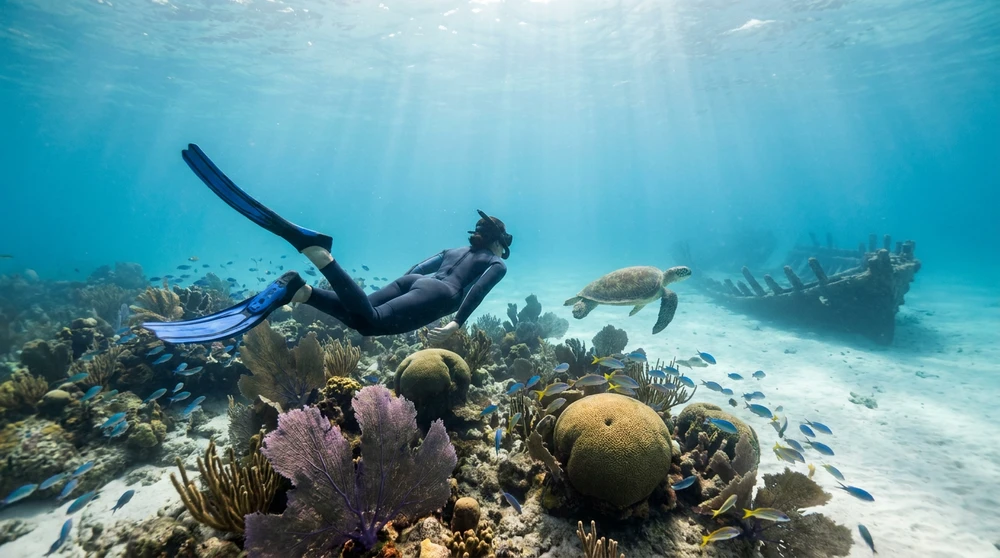
Do not come here expecting wide, soft sand. The shoreline is rocky and rugged. The reward sits beneath the surface, where an offshore reef holds a sunken tugboat that now functions as a vibrant artificial reef teeming with eels and tropical fish. Spiny sea urchins populate the shallow rocky stretches close to shore, so reef-safe water shoes are essential before you ever step into the water. Late afternoon is the optimal arrival time, both for the clearest underwater visibility and for sunsets at the nearby Salt Plage restaurant. Whitehouse is also the most sheltered anchorage on the south coast, so you will often see a quiet handful of catamarans tucked along the inner curve rather than the day-tripper crowds of South Friars. Many cruise visitors pair this stop with a guided trip, and you can Book a snorkel tour that includes gear and a boat anchor over the wreck.
Turtle Beach
Reaching Turtle Beach requires navigating a long, bumpy dirt road. That logistical hurdle is exactly what keeps the crowds away. The beach is a secluded, quiet strip protected by a rich coral garden that blocks the rougher ocean swells. As the name suggests, sea turtles can pass through this area, and pelicans dive for fish right off the coast through the morning. One important caveat: the on-site beach bar and restaurant are currently closed and the pontoon has fallen into disrepair, so pack your own water, snacks, and shade if you make the trip. Heavy seaweed often piles along the high-water line and the swim line itself can stay murky after rain, so treat Turtle Beach as a photogenic walking and birdwatching stop more than a guaranteed swim destination.
The Wild Atlantic Coast: Views, Wind, and Black Sand
The Atlantic side of St. Kitts is visually dramatic. The wind is heavy, the waves are aggressive, and swimming is generally unsafe due to powerful undertows. There are no lifeguards stationed on any beach in St. Kitts or Nevis, which matters most on this coast. Treat these beaches as places for walking, photography, and escaping the heat rather than for a swim.
Dieppe Bay Beach
Located on the northern coast, this is where the Atlantic Ocean and the Caribbean Sea actually meet. The sand is a striking, dark volcanic black, shaded by a thick line of palm trees. For the cleanest view of where the two seas converge, walk up to Gibbons Pasture above the village for a lookout that takes in the whole northern shoreline.
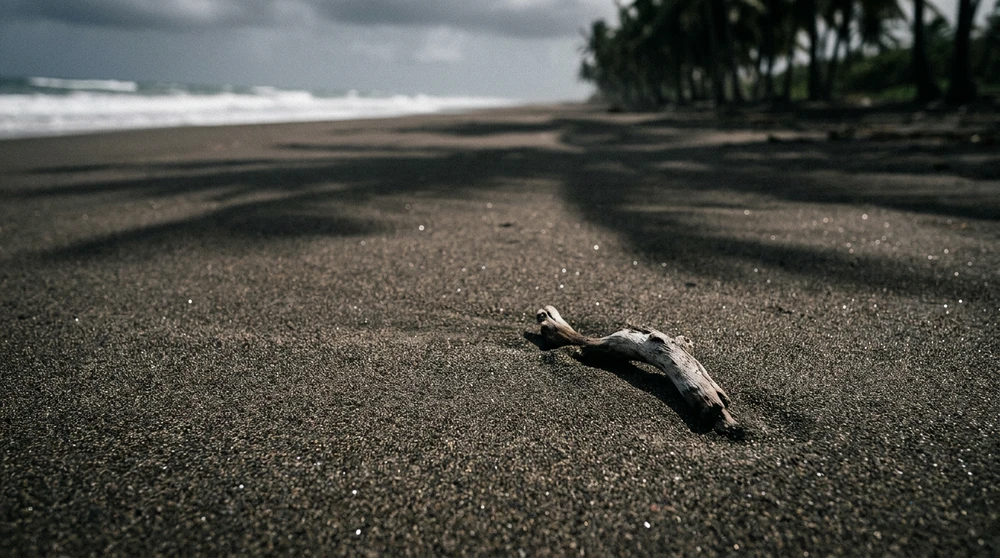
- Swimming: unlike most Atlantic beaches, Dieppe Bay is somewhat safe for a quick dip because a large offshore reef acts as a natural breakwater
- Dining: the village is famous for fresh, locally caught lobster; Muggies (first left as you drive west into Dieppe Bay) and Arthur's on the sand are the two reliable picks for grilled lobster with a sea view
- Logistics: budget a full half-day round trip from Basseterre, this is not a quick port-call beach
North Frigate Bay
Visible just as you cross Timothy Hill, North Frigate is a massive, sweeping expanse of white sand. The currents are notoriously strong and there are no lifeguards on duty, which makes it highly unsuitable for casual swimming. Grab a coffee, take off your shoes, and use this beach strictly for a bracing morning walk. If you do wade in and feel pulled by a current, swim parallel to shore until you escape the rip, then come back in at an angle.
Day Trip to Nevis: Is Pinney's Beach Worth the Ferry?
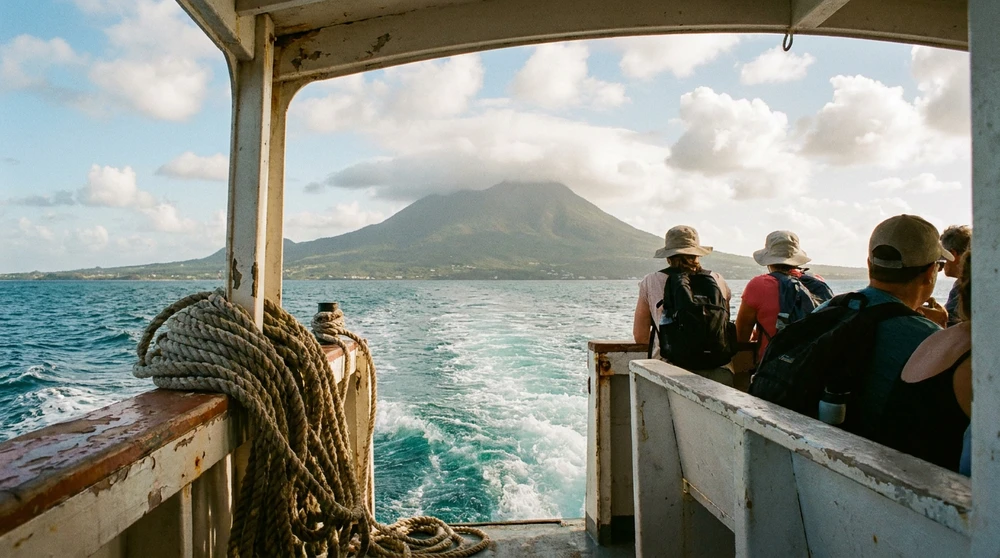
If you have a full, unstructured day, crossing to the sister island of Nevis is a smart move. The passenger ferry from Basseterre Pier to Charlestown takes about 25-30 minutes, and the faster Sea Bridge car ferry from Major's Bay to Cades Bay crosses The Narrows in roughly 20 minutes.
Pinney's Beach spans three miles of untouched, golden sand just north of Charlestown, a quick five-minute taxi from the pier. The water is calm, heavily shaded by towering palms, and the atmosphere is noticeably slower than St. Kitts. Stops like the Sunshine's Beach Bar are part of the appeal, but keep a strict eye on the return ferry schedule, because missing the last boat means an unexpected overnight stay. Confirm both the passenger ferry and the Sea Bridge schedules at the pier on the morning you cross, since timings shift with weather and local events.
Essential Tips for St. Kitts Beaches
Navigating the island takes a bit of upfront planning, especially around transport and cash.
Taxi Fares and Getting Around
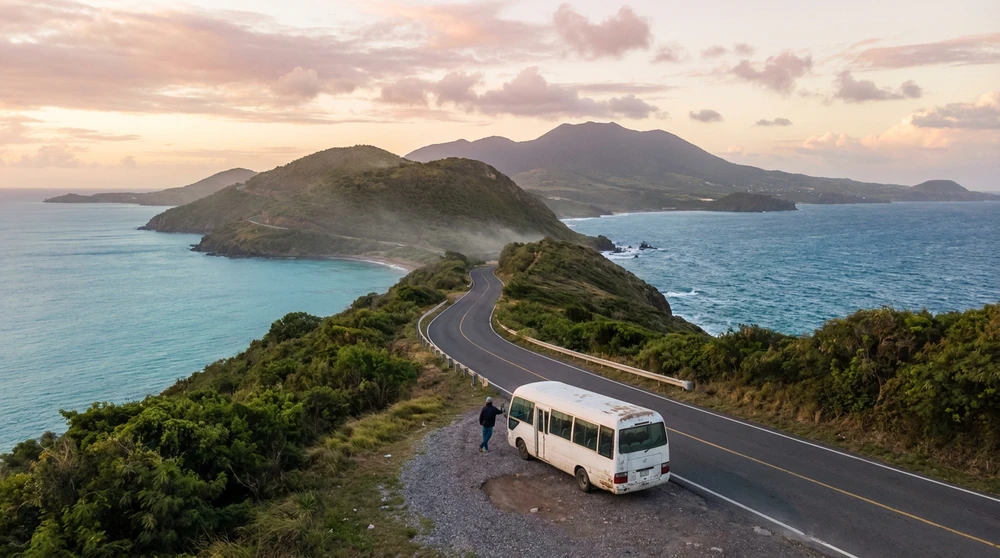
Taxis do not run on meters. Fares are fixed by destination by the government, but always agree on the total price with the driver before getting in the vehicle, and confirm whether the quote is one-way or round-trip.
- Cell service can be spotty on the remote parts of the southeast peninsula, so agree on a specific pickup time with your driver to avoid being stranded at sunset
- Most published rates cover up to four passengers in one cab, so splitting with other cruisers cuts the per-person cost significantly
- Carry small US dollar bills, drivers rarely have change for a US$50 or US$100 note
Sunbed Rentals and Beach Facilities
All beaches in St. Kitts and Nevis are public access. The chairs and umbrellas, however, belong to the beachfront bars and resorts. Expect to pay a rental fee for loungers. Some smaller beach bars waive this fee if you are actively buying lunch and drinks, but always ask first to avoid an awkward bill at the end of the day.