Stepping off the plane on Norfolk Island and realizing your Australian SIM card has zero signal, and that a standard bottle of milk costs well over ten dollars, is a harsh way to start a holiday. This remote Pacific rock operates completely independently from the mainland, meaning you need a strict packing and logistics strategy to avoid burning through your travel budget on basic groceries and connectivity.
- Mobile network: Mainland Australian SIMs (Telstra, Optus, Vodafone) do not work here.
- Currency: Australian Dollar (AUD), but physical cash is mandatory for local markets and honor boxes.
- Drinking water: No public scheme water or drinking fountains. The island relies purely on rainwater tanks.
- Supermarket: Foodland in Burnt Pine is the main grocer. Stock levels dictate the prices.
- Trading hours: Shops close on Wednesday and Saturday afternoons, and all day Sunday.
Bringing Food to Norfolk Island: Biosecurity Rules
Processed food on the island typically costs well above mainland prices, since freight ships from Brisbane and Sydney dictate the supply chain and delays cause immediate shortages. Packing your own pantry staples in your checked luggage saves money and guarantees you have your preferred brands.
What Packaged Foods Can You Bring?
Fill the gaps in your luggage with dry, heavy-rotation staples. Cereal boxes, pasta, rice, and coffee beans are perfect candidates. Pack long-life soy or almond milk if you have dietary requirements, along with peanut butter, crackers, and basic spices. Every item must be unopened, commercially packaged, and clearly labelled.
Strictly Prohibited Items
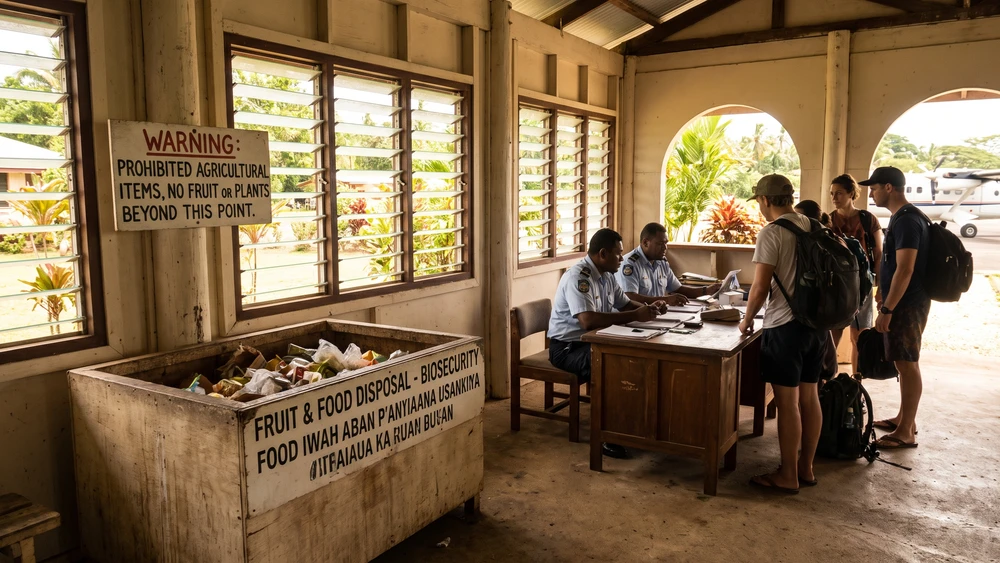
Norfolk Island's local crops are free from mainland diseases, and biosecurity officers protect this status aggressively. Fresh fruit, vegetables, raw meat, and seeds are strictly prohibited. You cannot bring local honey unless it is commercially packaged, under 750 g, and produced in Australia or New Zealand. Bins sit right before the customs checkpoint for disposing of accidental apples or sandwiches left in your carry-on.
Grocery Shopping & Food Prices in Burnt Pine
Relying solely on cafes for three meals a day drains a budget fast. Self-catering is the smarter approach, but navigating the local supply chain requires timing. As a general rule, expect grocery prices well above mainland Australian levels across the board, and dairy in particular runs high because of the electricity costs required for local pasteurization.
Foodland Supermarket vs. Roadside Honor Boxes
Foodland in Burnt Pine is your primary stop for standard groceries, but the fresh produce aisle often sits empty by mid-afternoon. Instead of fighting for overpriced imported tomatoes, keep cash in the car for roadside honor boxes. Locals leave excess avocados, guavas, and the famous local bananas (called "plun") in wooden boxes outside their gates. You take the fruit and drop coins in the slot.
The Saturday Morning Farmers Market
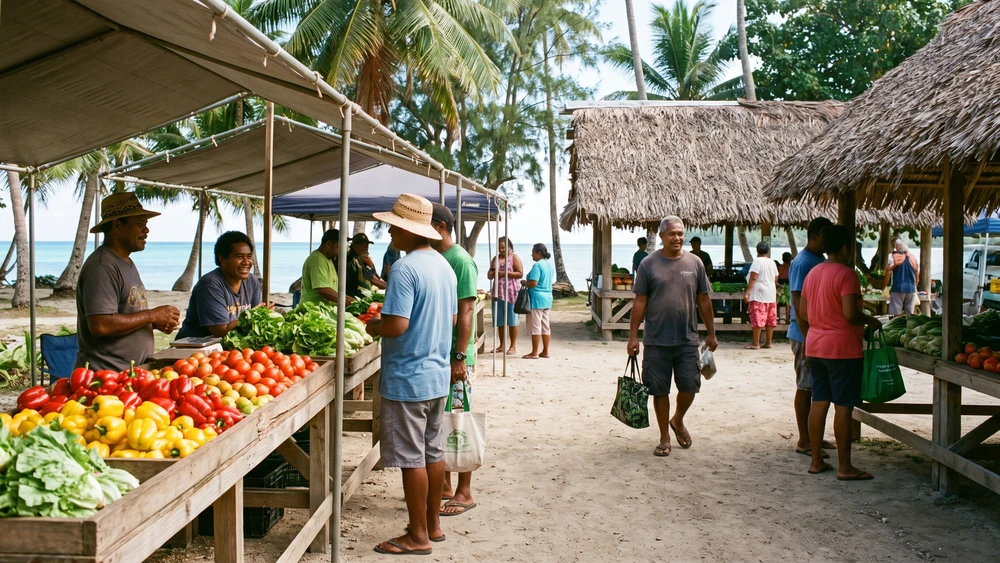
This is the most critical logistical window of your trip. Local farmers bring their weekly harvest to the Burnt Pine tourist information center every Saturday morning. The market officially runs from 7:30 AM to 9:00 AM, but the best organic tomatoes, capsicums, and lettuces disappear by 7:45 AM. Arrive early, buy exactly what you need for the week, and pay with cash.
Norfolk Island Internet and Mobile Roaming
Digital detox is rarely a choice here; it is an infrastructural reality. The island does not share the mainland's telecommunications network.
Why Australian SIM Cards Don't Work Here
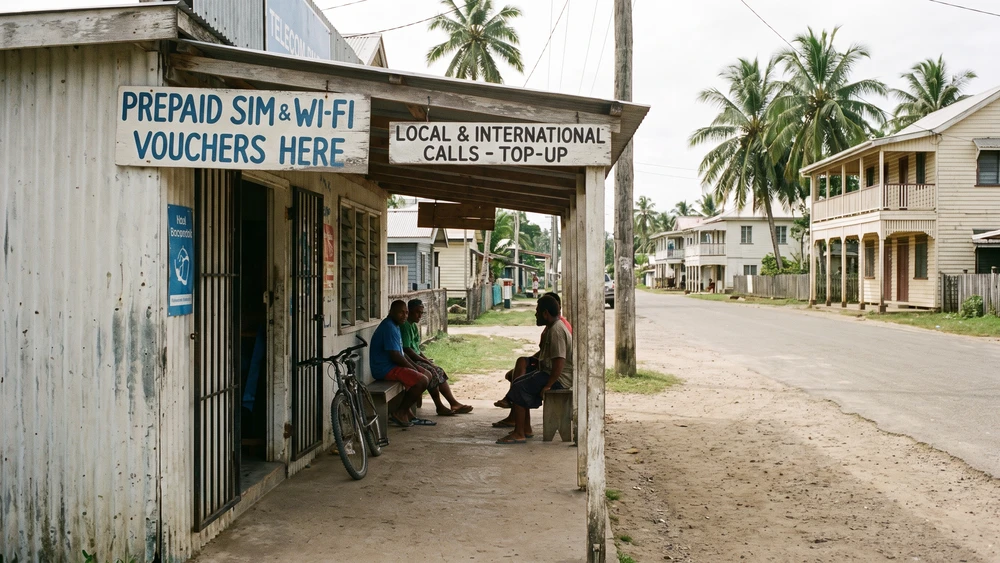
Your Telstra, Optus, or Vodafone plan goes completely dark the moment the plane touches down. There are no domestic roaming agreements. Do not expect to pull up Google Maps or check banking apps using your regular cellular data.
Local Telecom SIMs and Wi-Fi Vouchers
Walk into a local telecom office in Burnt Pine (Norfone or Norfolk Telecom both sell plans) and purchase a local SIM card with a data plan starting from around $30. Alternatively, most accommodations sell Wi-Fi vouchers. The internet speed handles emails and basic browsing, but streaming Netflix in 4K is structurally impossible. Download your shows, podcasts, and offline maps before leaving home.
Trading Hours and The Sunday Closure Rule
Island time dictates commerce, completely ignoring the 24/7 convenience of modern cities. The local butcher and baker open their doors around 7:00 AM, making early mornings the most reliable time to secure supplies.
General retail operates on a uniquely traditional schedule. Shops lock their doors on Wednesday afternoons for ladies' bowling, and again on Saturday afternoons for men's bowling. Sundays offer zero retail trading. Buy your weekend meat, drinks, and essentials by Friday afternoon.
Local Customs: Driving Laws and The Norfolk Wave
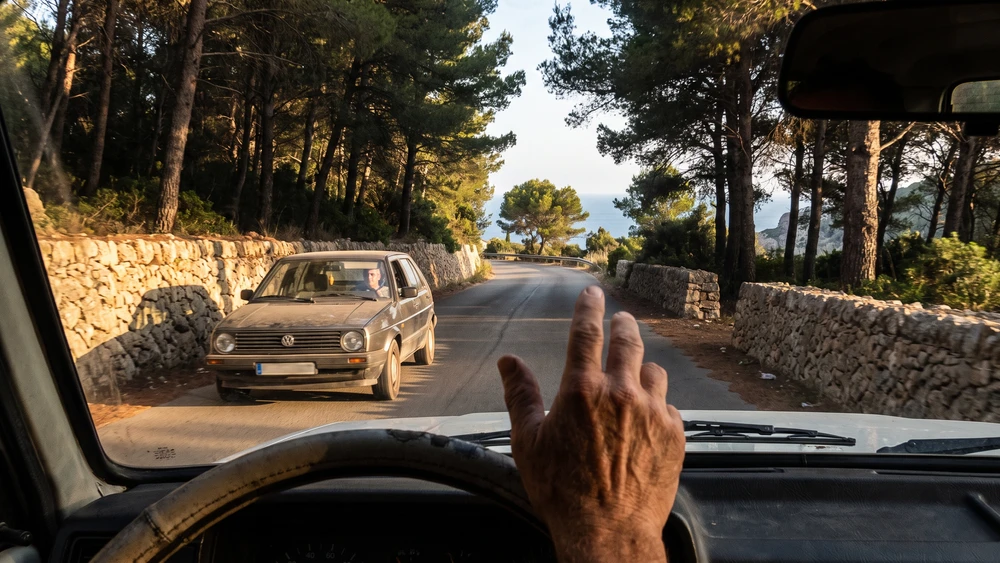
Cows have the absolute right of way on all roads. They roam freely, grazing on the verges, and vehicles must stop to let them pass. The island enforces a strict 50 km/h speed limit, dropping to 30 km/h through the Burnt Pine shopping strip.
Driving also comes with a mandatory social contract known as the "Norfolk Wave." Every driver acknowledges passing vehicles by lifting an index finger off the steering wheel. Ignoring the wave marks you instantly as an outsider.
Essential Non-Food Items to Pack
Beyond dry pasta and coffee, a few specific items make the difference between a smooth trip and a frustrating one.
- Snorkeling gear: Emily Bay offers pristine, calm waters and healthy coral, but renting masks and fins is incredibly difficult. Bring your own.
- Physical cash: EFTPOS machines can drop out during power fluctuations. Cash keeps you moving when the digital systems fail.
- Reusable water bottle: With zero public drinking fountains, carrying a filled bottle from your accommodation's rainwater tank is a daily necessity.
- Over-the-counter medications: The local pharmacy carries Panadol and band-aids, but freight costs push prices up. Pack a basic first-aid kit in your toiletries bag.