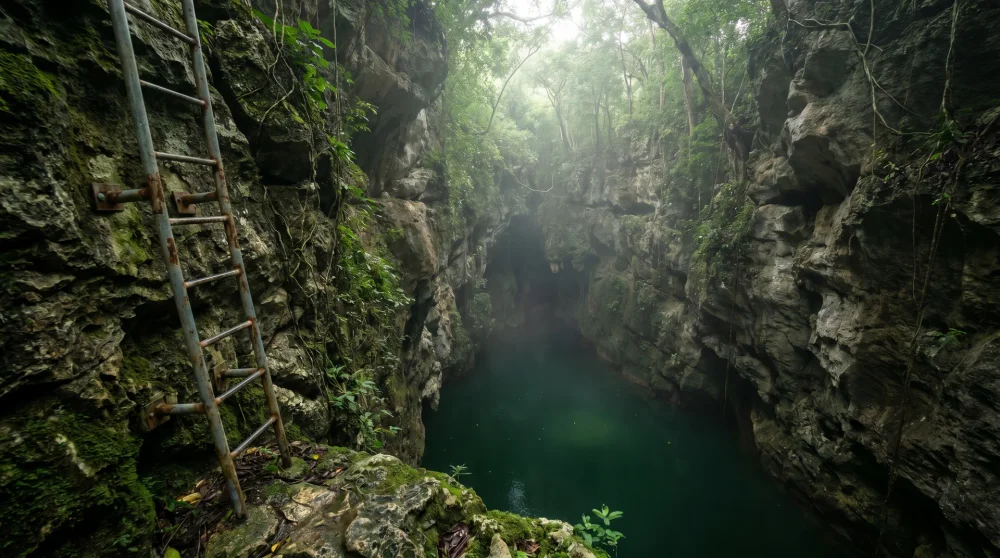
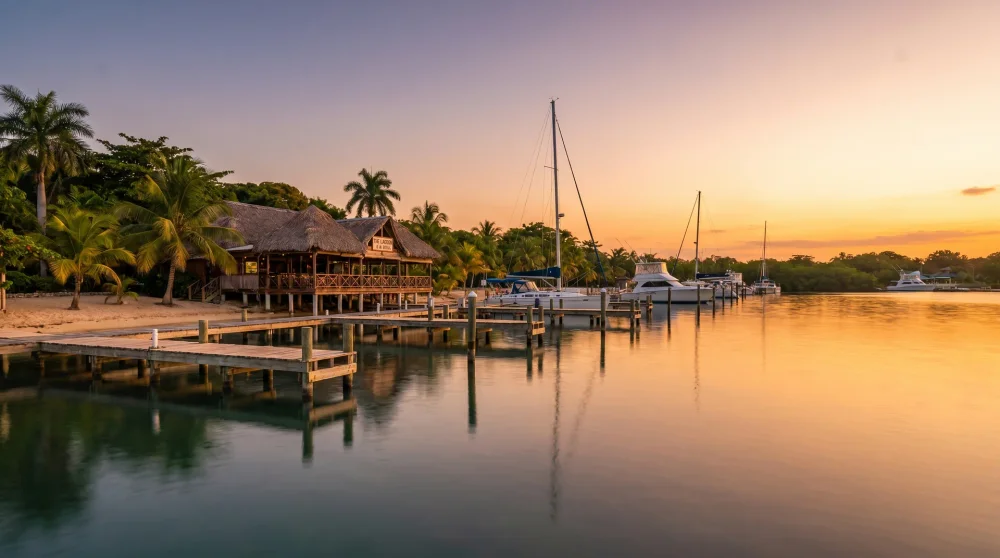
Jamaica's food scene is loud, smoky, and uncompromising. A single meal at a roadside jerk pit - skin crackling over pimento wood coals, Scotch Bonnet heat hitting the back of your throat - explains more about the island's character than any beach visit ever could. This guide covers the dishes every visitor should know, where to find the real versions, and what to drink between bites.
The Flavor Foundations
Two ingredients define the Jamaican palate above everything else. Scotch Bonnet peppers deliver intense fruity heat that sits well above a habanero on the Scoville scale. Local cooks treat them with precision - dropping one whole into a simmering soup releases aromatic oils without transferring raw fire, while crushing them into a marinade turns up the heat significantly.
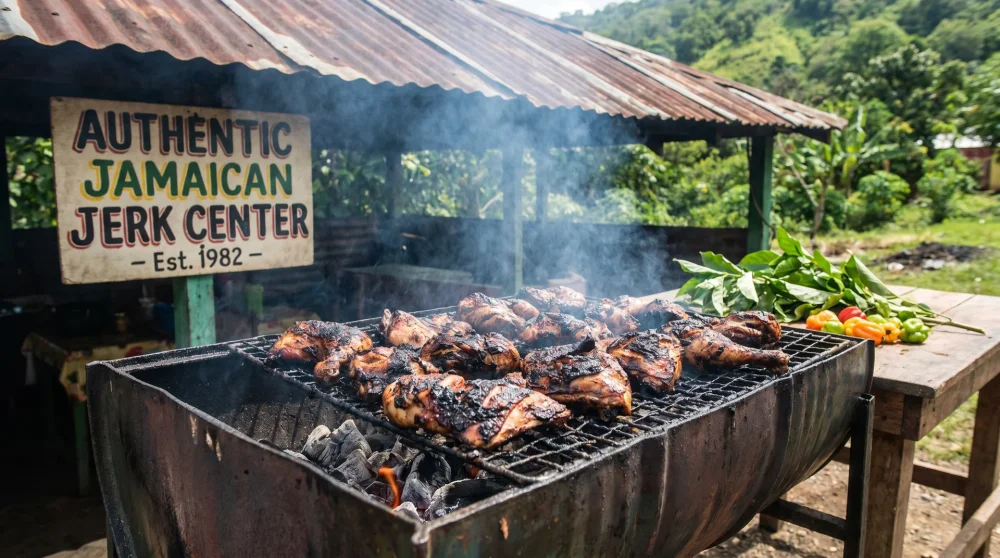
The second pillar is pimento wood, cut from the allspice tree that grows across the island. Authentic jerk pits burn these logs slowly beneath repurposed oil barrel smokers, creating a sweet, earthy smoke that no substitute ingredient can replicate. If a restaurant claims jerk but uses standard charcoal, you are eating seasoned grilled meat - not jerk.
Ackee and Saltfish - The National Dish
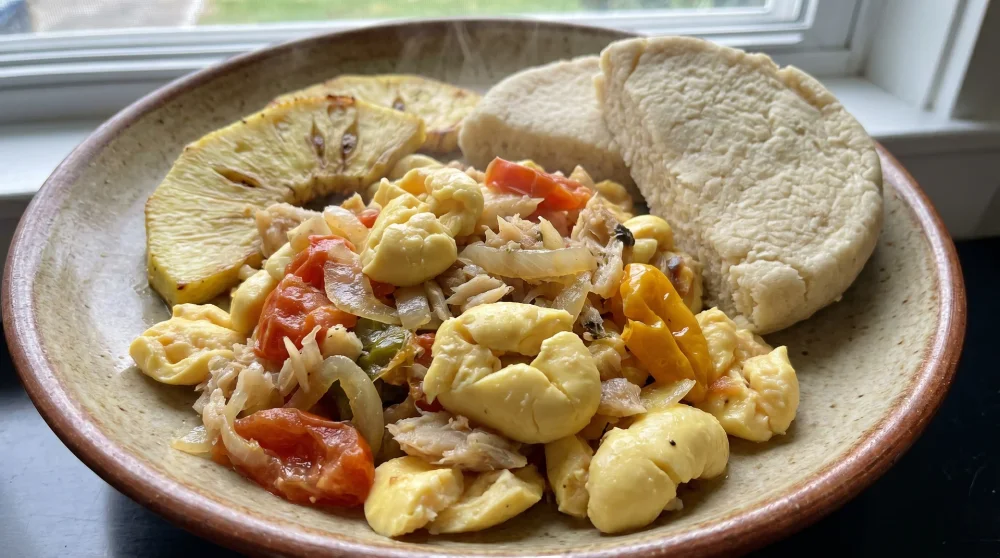
Ackee and saltfish holds the unofficial title of Jamaica's national dish and doubles as the country's most misunderstood one. Ackee is Jamaica's national fruit, originally native to West Africa and brought to the Caribbean on slave ships. The fruit grows in pods on tall evergreen trees and must open naturally before it is safe to harvest - unripe ackee contains hypoglycin A, a toxin that causes severe vomiting and, in serious cases, can be fatal.
Once properly ripened and cleaned of its toxic seeds and red membrane, the pale yellow arils are boiled until tender, then sauteed with desalted cod, onions, tomatoes, and Scotch Bonnet peppers. The finished texture resembles scrambled eggs - creamy, slightly soft, rich with brine from the fish. Pair it with roasted breadfruit or hard dough bread to soak up the oils on the plate. You will find this dish on virtually every local breakfast menu across the island.
Jerk Chicken and Pork
The argument over where Jamaica's best jerk comes from has one clear contender. Boston Bay in Portland Parish is widely recognized as the birthplace of jerk cooking, with pit masters whose families have been smoking meat in the same spot since the 1940s.
The jerk here is intentionally hotter and less tourist-adjusted than what you find at resort-area stands - the spice level reflects the original recipe rather than a concession to overseas palates. For travelers staying in Montego Bay or Ocho Rios, Scotchies operates multiple locations and maintains a strong reputation among locals and visitors alike, using traditional pimento wood pits.
Authentic preparation involves piercing the meat deeply so the wet marinade - pimento, Scotch Bonnet, fresh thyme, scallions, and garlic - penetrates straight to the bone. Pitmasters slow-cook over open barrels for several hours until the skin turns blackened and crackling while the interior stays juicy. Order a side of hard dough bread to mop the drippings off your plate.
Curry Goat
Indian indentured labourers who arrived after emancipation fundamentally changed Jamaican cooking by introducing curry powder to the island. Curry goat remains the enduring result.
Bone-in chunks of goat meat are slow-simmered with garlic, ginger, turmeric, and curry powder until the connective tissue dissolves and the gravy turns thick and deeply yellow. The bones matter - they add body to the sauce in a way boneless cuts cannot match. Serve this over plain white rice and eat it with your hands if the setting calls for it.
Escovitch Fish
Fresh catch hits scalding oil in a heavy pan until the fins crisp like chips and the skin blisters and lifts from the flesh. That is the first half of escovitch fish. The second half is the pickle - a sharp bath of cane vinegar, slivered carrots, sliced onions, and whole peppers poured directly over the hot fried fish.
The acidity cuts straight through the frying oil and preserves the fish simultaneously, a technique carried over from Spanish escabeche tradition. Weekends near Hellshire Beach in Kingston or at any coastal town produce the freshest version of this dish. The Hellshire Beach area is particularly known for it.
Jamaican Beef Patties - Tastee vs Juici
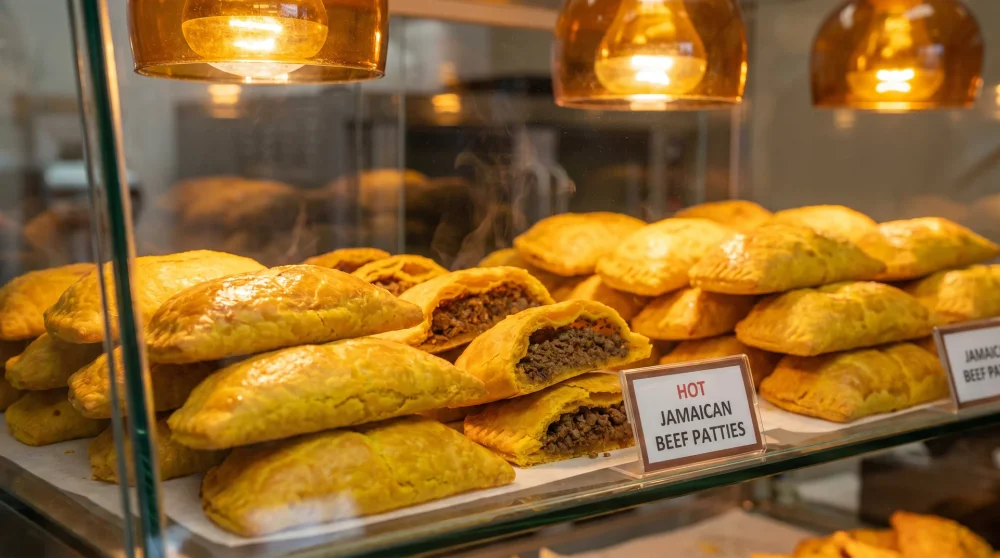
The Jamaican beef patty is the island's most portable meal. A flaky pastry shell - golden yellow from turmeric or beef suet - holds a core of heavily seasoned ground beef that steams aggressively when you bite in. Eat carefully to avoid burning the roof of your mouth on the trapped heat. For a more substantial meal, locals slide the entire patty into a warm coco bread, a slightly sweet, pillowy roll that absorbs the spicy filling perfectly.
Two chains dominate the patty landscape and divide Jamaican opinion cleanly. Tastee, founded by Vincent Chang in 1966, produces a patty known for consistent spicing with a drier, more structured filling. Juici Patties, founded by Jukie Chin in 1978, leans juicier with a softer interior texture. Most locals who have strong opinions tend to favor Tastee for spice consistency, but both are worth trying if you encounter them. Independent bakeries across the island also produce excellent patties that never appear in any chain comparison.
Pepper Shrimp
Vendors along the roadside in the Middle Quarters region of St. Elizabeth Parish sell these bright red river shrimp from small plastic bags. They boil the shrimp whole in aggressively salted, peppered water until the shells blush scarlet and absorb the heat. Eating them requires messy, hands-on peeling, and the burn accumulates quickly. Keep a cold Ting grapefruit soda nearby before you tear into your first handful.
Essential Sides
Rice and peas does not contain garden peas. The dish uses red kidney beans or gungo peas simmered with fresh coconut milk, thyme, and whole scallions. A whole Scotch Bonnet floats in the pot to release its fragrance without transferring direct heat - the rice absorbs warmth and coconut richness simultaneously. This appears alongside virtually every main course on the island.
Bammy is a dense cassava flatbread with roots in the Indigenous Taino culture. Grated cassava is soaked in coconut milk and fried until it forms a firm, slightly chewy round that acts as a sponge for seafood sauces. Festival bread takes a sweeter approach - a fried cornmeal and flour dough stick with a crisp exterior and fluffy centre, designed specifically to calm the palate between bites of jerk.
Callaloo, made from amaranth leaves, functions as the island's primary leafy green. Sauteed with garlic, onions, and bits of saltfish, it delivers mineral richness without becoming watery or bitter. It is often served alongside ackee and saltfish at breakfast.
Desserts and Sweets
Devon House I Scream in Kingston operates from the grounds of Devon House - the home of Jamaica's first Black millionaire - and National Geographic ranked it among the top four ice cream destinations in the world. The flavours are unmistakably local: rum raisin, Blue Mountain coffee, soursop, stout, and seasonal sorrel. The property crowds on weekends but the queue moves steadily.
Sweet potato pudding involves grating raw sweet potato into a batter of dark brown sugar, coconut milk, and baking spices, then cooking it with heat both above and below - a technique locals describe with the phrase "hell a top, hell a bottom and hallelujah in the middle." The result is a dense, caramelized pudding with a soft gooey interior that eats like a cross between cake and fudge.
What to Drink
Rum punch is Jamaica's most recognizable cocktail and every bar makes it differently. The base is local rum - typically Appleton Estate or Wray and Nephew overproof - mixed with fruit juices, grenadine, and a dusting of nutmeg. Wray and Nephew overproof white rum at 63% ABV is not a sipping spirit; it is the cooking and cocktail rum that underpins the island's entire drinks culture.
Red Stripe lager has been brewed in Jamaica since 1938. The crisp, low-bitterness profile makes it the default cold drink at any jerk stand or beach bar. A squeeze of lime into the bottle is not unusual. It pairs straightforwardly with spicy food because it does not compete with the heat.
Jamaica Blue Mountain Coffee grows in the cool, misty peaks of the Blue Mountains east of Kingston, between 2,000 and 5,000 feet above sea level. The slow maturation at high altitude produces a dense bean with almost no bitterness and a notably smooth finish, carrying subtle chocolate and floral notes. For context on visiting the growing region, the Blue Mountains travel guide covers logistics and coffee farm visits in detail.
Ting grapefruit soda deserves mention as the non-alcoholic pairing of choice for jerk meals. The tart, slightly bitter carbonated citrus profile cuts through animal fat and neutralizes chili oil better than water or cola. Ask for it ice cold.
Where to Eat Well
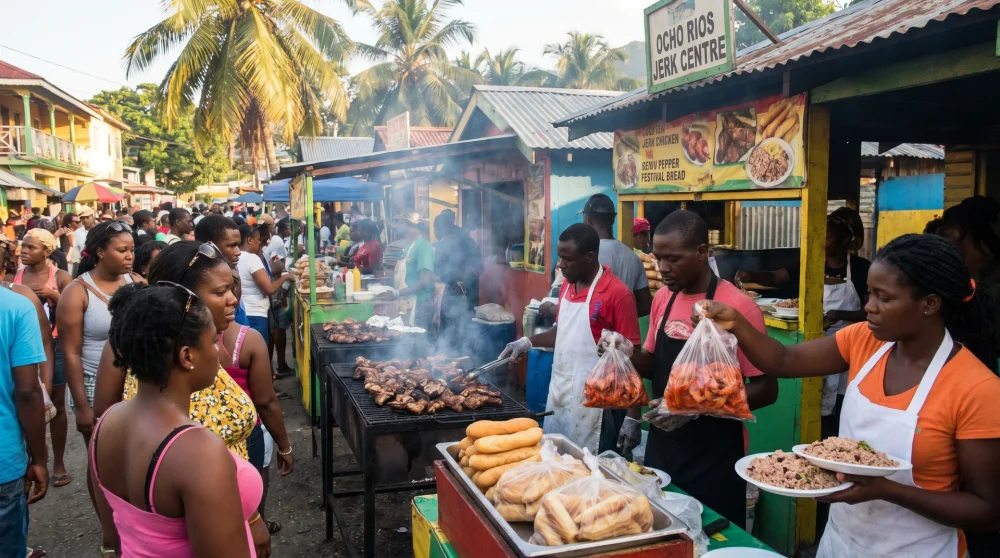
The highest quality Jamaican food rarely sits inside a restaurant with a sign. Roadside vendors operating from metal drums, covered market stalls, and informal neighbourhood shops consistently outperform tourist-facing restaurants on price and authenticity. At local jerk stands, the question to ask is whether the meat is cooked over pimento wood - if the pitmaster hesitates or cannot confirm, the answer is charcoal.
For travelers on a structured itinerary, the Jamaica travel costs guide includes realistic food budgets across price categories, and the where to stay in Jamaica guide notes which areas offer the best access to local food scenes rather than all-inclusive menus.