The January 2026 US State Department update bumping Grenada to the US Level 2 travel advisory sent a wave of panic through Caribbean travel forums, leaving many wondering if their upcoming vacation is ruined. While headlines about violent crime sound terrifying, the reality on the ground requires street smarts rather than canceled flights. Navigating the Spice Isle safely right now comes down to understanding exactly where these incidents occur and locking down your evening routines.
- Emergency Numbers: Dial 911 for police, fire, or medical emergencies.
- Current Advisory: US Level 2 (Exercise Increased Caution due to crime).
- Safest Transport: Licensed taxis with license plates starting with "H".
- Health Risks: Dengue and Zika viruses are present; strong mosquito repellent is non-negotiable.
- Highest Risk Areas: Isolated beaches after dark, unlit rural roads, and unattended yachts anchored off the south coast.
What the US Level 2 Travel Advisory Actually Means
Moving from Level 1 (Exercise Normal Precautions) to Level 2 (Exercise Increased Caution) acts as a formal wake-up call for tourists who treat the island like an insulated resort. The State Department added the specific "crime" indicator in early 2026 because American citizens have been victims of armed robbery, assault, and burglaries.
Police response times outside major tourist hubs are significantly slower than what you might expect at home. A Level 2 advisory does not mean you should cancel your trip - for context, popular destinations like the UK, France, and Italy frequently sit at Level 2. The downgrade simply means you can no longer leave your rental car unlocked at a trailhead or stroll back to your hotel along a dark beach at midnight without expecting trouble.
Crime in Grenada: What Tourists Need to Know
Petty Theft and Street Crime
Opportunity drives the vast majority of crime on the island. Leaving an expensive smartphone on a beach towel while you swim or leaving bags visible in the backseat of a rental car invites theft. Pickpocketing and purse snatching spike noticeably during large public gatherings, especially around the annual Spicemas Carnival in August. Keep your valuables locked in your hotel safe and only carry the cash you need for the day.
Violent Crime Realities
Violent crime, while statistically lower than regional averages, is the specific reason for the 2026 advisory update. The Royal Grenada Police Force reported a 1.6% increase in overall crime in 2024, though they also recorded a strong 74.8% solvency rate for reported cases.
Armed robberies and sexual assaults occur, sometimes targeting foreigners. Criminals often exploit isolated areas or tourists walking alone on unlit roads at night. If confronted, hand over your belongings immediately without physical resistance.
Safe Areas vs. Neighborhoods to Avoid
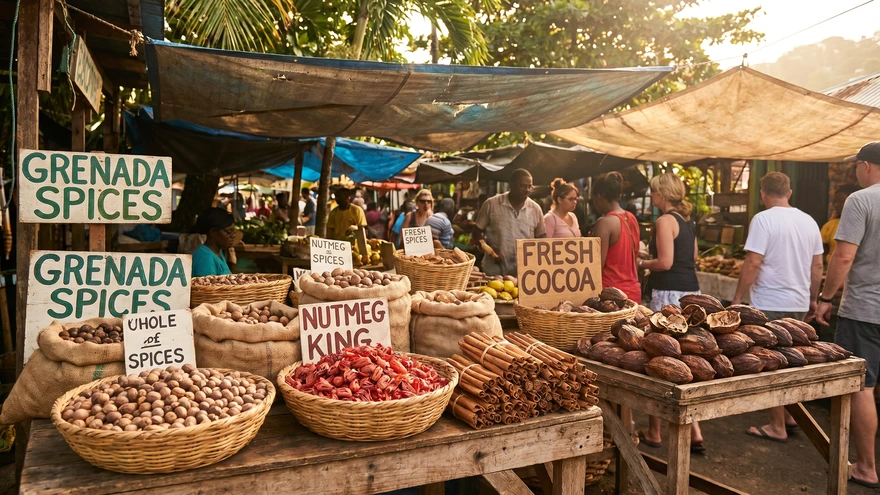
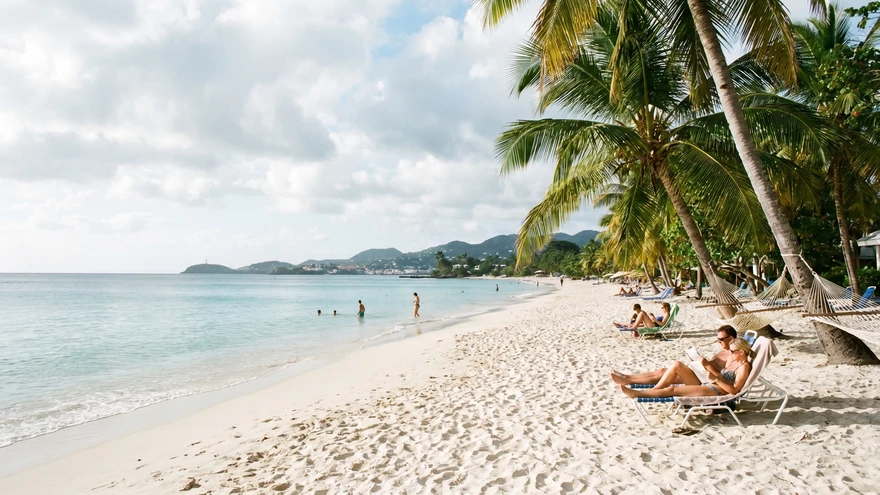
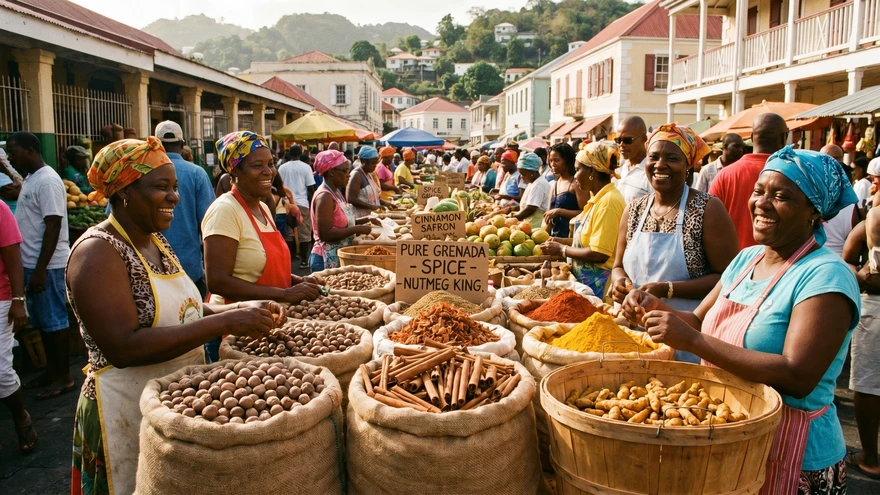
The heavily touristed southwest corner, including Grand Anse Beach and Lance aux Epines, remains heavily patrolled and highly secure during daylight hours. You can confidently explore the craft and spice markets, eat at local eateries, and walk through town without feeling tense. Locals are famously welcoming, and daytime interactions are almost entirely positive.
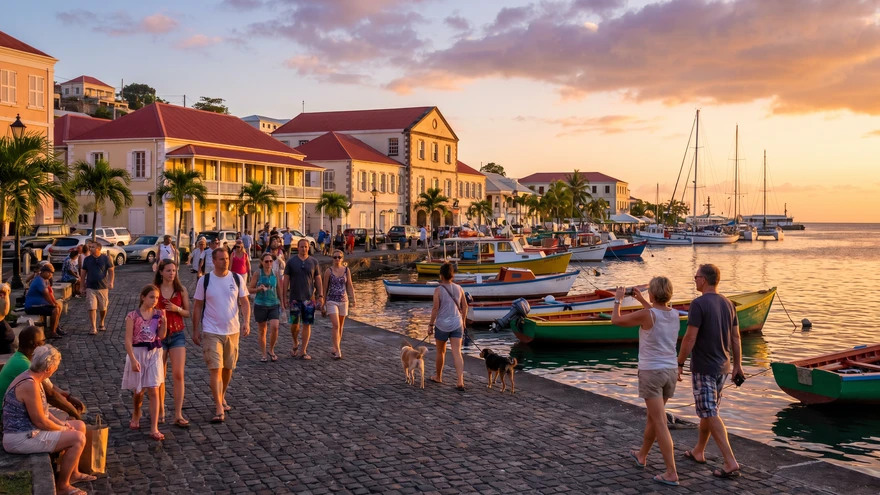
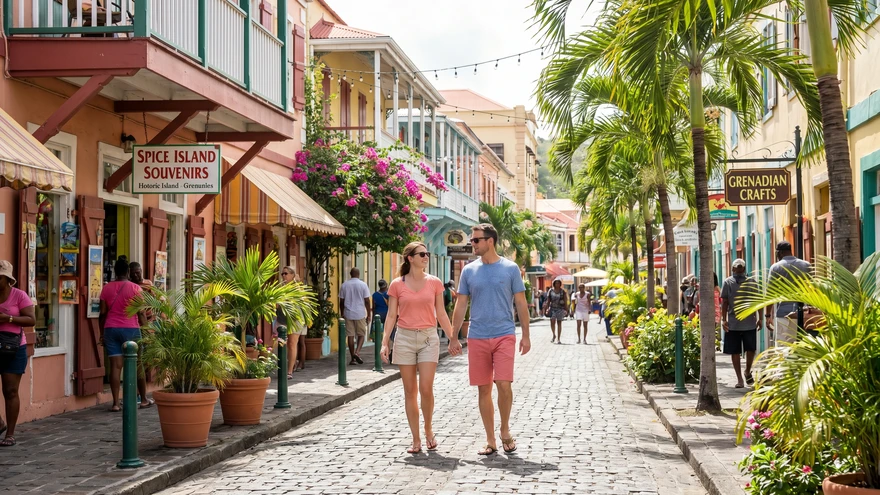
St. George's, the capital, is bustling and safe by day but empties out rapidly after business hours. Avoid wandering through the narrow back alleys off the Carenage after dark. Similarly, remote beaches and unlit coastal roads transform from idyllic daytime spots into high-risk zones once the sun goes down. Stick to well-lit, populated areas when stepping out for dinner or nightlife.
Solo Female Traveler Safety in Grenada
Women traveling alone frequently enjoy Grenada without incident, but heightened vigilance is required. Unwanted attention, catcalling, and verbal harassment happen, particularly around street parties or crowded bars. Instances of sexual assault against female travelers are documented in foreign travel advisories.
Never accept drinks from strangers or leave your beverage unattended. When returning to your accommodation after dark, always arrange a licensed taxi rather than walking, even if the distance seems short. For more comprehensive advice, see the dedicated Grenada solo travel guide. Booking excursions through reputable, established tour companies rather than hiring unofficial independent guides adds an extra layer of security.
Yacht and Marina Security (South Coast Focus)
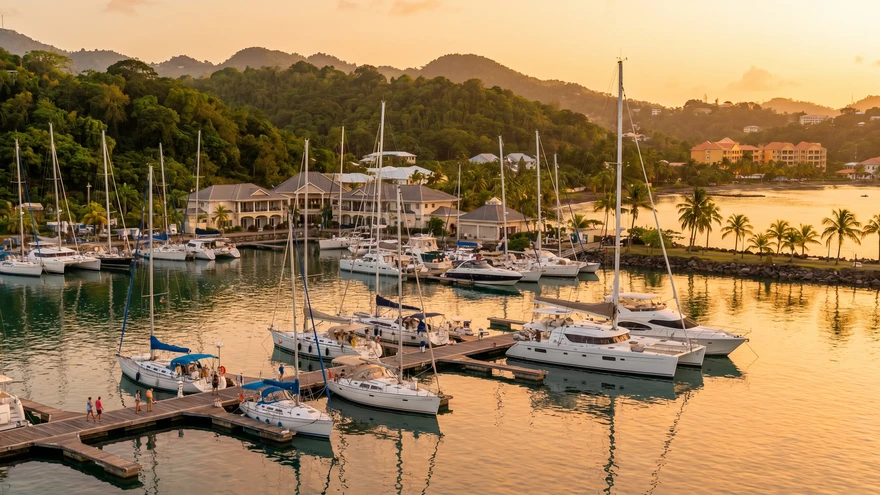
The sailing community faces a highly specific set of risks. Criminals actively target yachts docked or anchored along the south coast of Grenada for theft. Intruders look for easily accessible cash, electronics, and navigation equipment, particularly outboard engines.
Leaving your boat unlocked while going ashore for dinner is a critical mistake. Secure your dinghy with heavy chains, lift it out of the water at night, and activate motion-sensor lights or alarms if you have them. Authorities strongly advise against traveling between the eastern Caribbean islands at night, as these waters can be unsafe and maritime robberies occur.
Transport Safety: Taxis, Minibuses, and Driving
Getting around requires navigating steep, narrow, and winding mountain roads littered with blind corners and potholes. Local drivers often exceed speed limits and rarely use indicators. Pedestrians frequently walk directly on the roadways due to a lack of sidewalks.
If you rent a car, lock your doors while driving and never pull over if flagged down by a pedestrian, as this is a known setup for robberies. For a full breakdown of road rules and hiring tips, the Grenada driving guide covers everything you need before picking up keys.
Public minibuses offer a cheap, authentic way to travel between St. George's and areas like Grand Anse, but the driving style is notoriously aggressive. For point-to-point travel, rely on licensed taxis. You can easily spot them by their license plates, which always begin with the letter "H". Taxis are unmetered, so agree on the exact fare in either US or Eastern Caribbean Dollars before closing the door.
Strict Local Laws You Might Not Know
Packing camouflage clothing will get you in immediate trouble at the airport. It is strictly illegal for anyone - including children - to wear or import camouflage material in Grenada. Customs officials will confiscate the items, and you may face fines.
Public attitudes toward the LGBTQ+ community remain highly conservative. Grenadian law still criminalizes certain same-sex sexual acts. While resorts are generally welcoming, public displays of affection by same-sex couples can draw severe unwanted attention and negative reactions.
Natural Hazards and Health Risks
The island sits in an active hurricane zone, with the season running from June through November. Always check the US National Hurricane Center for active storm tracking before a late-summer trip. The best time to visit Grenada guide breaks down month-by-month conditions so you can plan around the riskiest weather windows.
Hurricane Beryl severely impacted the sister islands of Carriacou and Petite Martinique in July 2024, and infrastructure in those specific areas is still recovering.
Coastal waters hide deceptively strong riptides. Many popular beaches lack warning flags and do not employ full-time lifeguards. If you plan to swim, ask locals or your hotel staff about the current water conditions before diving in.