Booking a Caribbean trip between June and November often feels like a gamble against tropical storms, leading many to overpay heavily for peak winter flights. Grenada sits comfortably just below the traditional hurricane belt, creating a unique geographic window where marine insurance premiums drop and anchorages remain remarkably safe. Understanding this microclimate distinction saves both money and anxiety for long-term sailors and casual visitors alike.
- Season: Peak Dry Season: January - May
- Conditions: High flight costs, minimal humidity, 28°C-30°C
- Season: Rainy / Hurricane Season: June - December
- Conditions: Afternoon showers, lush landscapes, lower costs
- Average Sea Temperature: 27°C year-round
- Hurricane Belt Status: 12°N latitude (Historically low risk, vigilance required August-October)
2026 Infrastructure Note: Mainland Grenada is fully operational. Carriacou's recovery from the July 2024 Hurricane Beryl is well advanced, with core marine and ferry infrastructure completely rebuilt.
Dry Season vs Rainy Season in Grenada
January to May: The Golden Window for Cruisers and Hikers
These months deliver the classic Caribbean climate most travelers expect. Humidity drops significantly, leaving the air crisp and the trade winds blowing steadily at 15 to 25 knots. Visibility underwater peaks during this window, making it the prime time for diving the Bianca C shipwreck or the Underwater Sculpture Park.
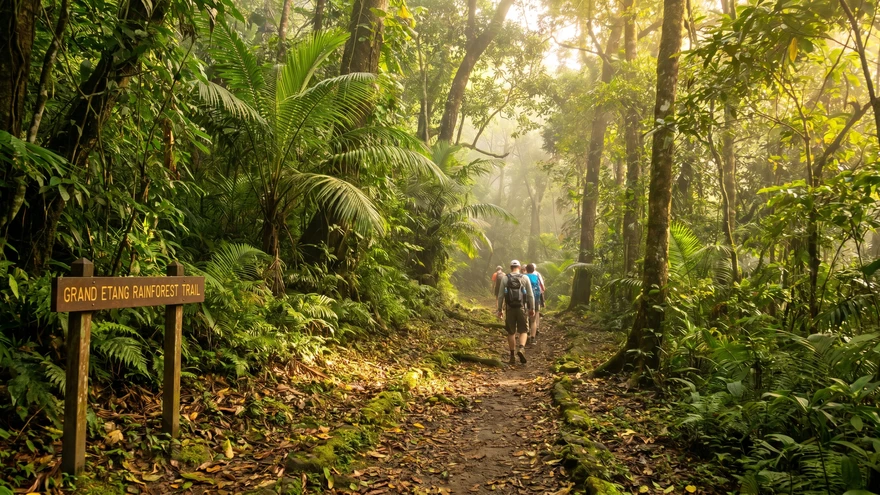
Inland exploration becomes much easier without heavy tropical mud. Hiking trails in the Grand Etang Rainforest stay firm and accessible underfoot - ideal conditions for packing a 7-day Grenada itinerary with hikes, dives, and coastal stops. Keep in mind that this perfect weather comes with peak pricing for flights, marina slips, and accommodation across the island.
June to December: Managing Afternoon Showers and Tropical Humidity
The shift into the wet season rarely means day-long washouts. Mornings usually start clear and bright, followed by heavy, intense tropical downpours in the late afternoon. The island's vegetation explodes into vibrant greens, and the rivers feeding waterfalls like Annandale reach maximum volume.
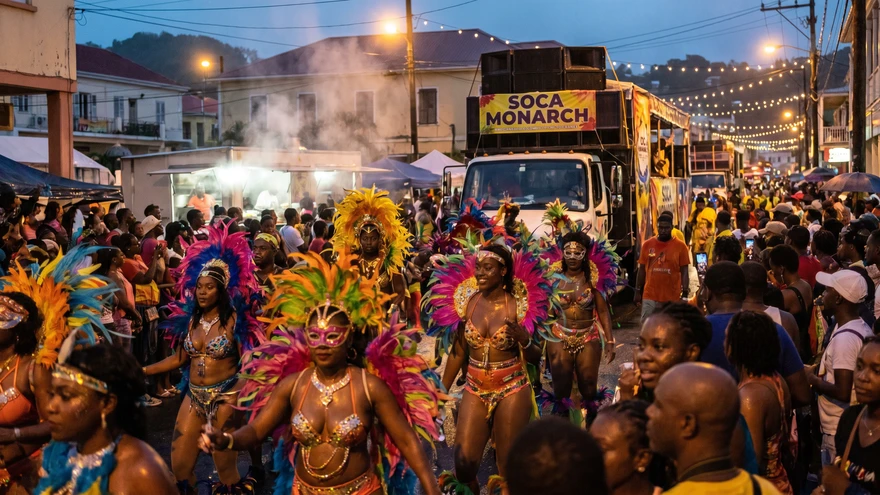
Humidity levels spike during these months, making the air feel much heavier. You will notice a distinct drop in tourist crowds, opening up budget-friendly opportunities for long-term stays. August brings the energetic Spice Mas festival, replacing the quiet off-season atmosphere with intense street parades and soca music.
The Reality of Hurricane Risk in the Southern Caribbean
Evaluating the Southern Edge of the Hurricane Belt
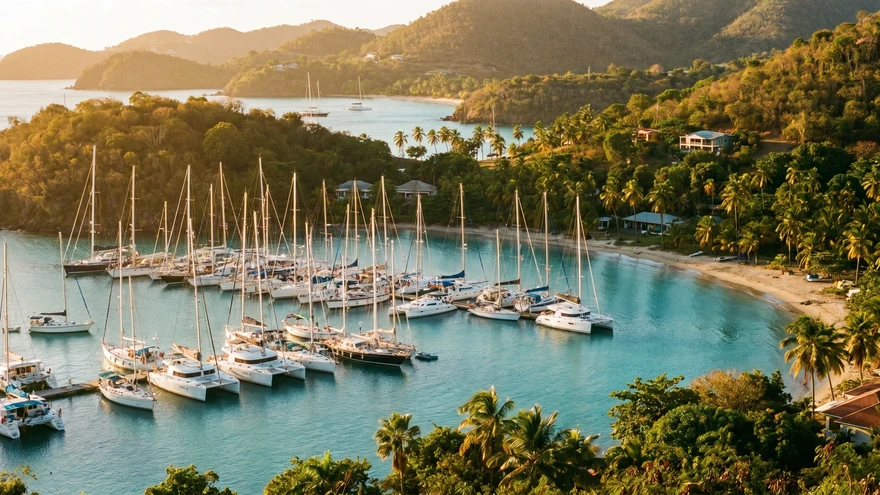
Positioned at 12 degrees North latitude, Grenada sits strategically outside the primary trajectories of most Atlantic hurricanes. Major storm systems historically curve northward before reaching the island. Insurance underwriters recognize this geographic advantage, often offering much more favorable premiums for vessels stored here compared to islands further north.
This natural protection makes the south coast bays - like Prickly Bay and Clarkes Court Bay - highly sought-after safe havens. Secure yards with advanced cable tie-down systems fill up quickly with yachts avoiding the northern danger zones.
Lessons from Beryl: Carriacou Recovery and 2026 Infrastructure Status
Hurricane Beryl's direct hit on the northern Grenadines in July 2024 proved that while the mainland enjoys heavy protection, the sister islands face different realities. The storm caused massive structural disruption on Carriacou, with over 95% of homes on the island damaged or destroyed.
Entering 2026, the recovery effort on Carriacou shows remarkable resilience. According to official figures, 78% of damaged roofs have been restored, and 90% of businesses are rebuilt and operational. The Osprey Lines ferry terminal, main supply routes, and core marine facilities are fully operational. You will still see ongoing repairs among smaller coastal businesses, but the island is highly functional and actively welcoming visitors.
Month-by-Month Grenada Climate and Cultural Breakdown
- January: Peak trade winds. Bright blue skies. Port Louis Grenada Sailing Festival dominates the marine calendar.
- February: Lowest rainfall of the year. Calm, flat anchorages at Prickly Bay. Perfect visibility for snorkeling and offshore sailing.
- March: The absolute peak of the dry season. Carriacou Carnival brings intense local energy. Trails at Grand Etang crisp and highly accessible.
- April: Humidity slowly creeping upward. Warm, pleasant evenings. Great conditions for coastal sunset cruises.
- May: A transitional period. Occasional late-afternoon showers return to the hills. Flight prices start to dip noticeably.
- June: Official start of the wet season. Lush green hillsides. Short, intense rainfalls reliably follow clear, hot mornings.
- July: Heavy humidity settles in. Sea temperatures rising. Mangoes, avocados, and local produce flood the St. George's markets.
- August: Spice Mas festival month. High energy, colorful street parades, and loud music. Rain is frequent but rarely ruins an entire day.
- September: The quietest month on the island. Local guesthouses often close for maintenance. Excellent time for budget-conscious, crowd-avoiding travelers.
- October: Thick tropical air. Waterfalls running at maximum capacity. Late-month spells of dry, stable weather begin to appear.
- November: Rain easing up significantly. The transition back to high season. Superyachts begin arriving back in the Port Louis lagoon.
- December: Holiday atmosphere across the island. Cool trade winds return. Crisp, clean air after months of rain washing the island.
Microclimate Divergence: Grenada Mainland vs Carriacou
The weather experience changes drastically over just a 90-minute ferry ride. Mainland Grenada features high volcanic peaks like Mount St. Catherine, which physically trap passing clouds and pull down heavy, localized rain. This creates the dense rainforest interior and feeds the complex river systems.
Carriacou, by contrast, is significantly flatter and lacks these mountainous cloud traps. It receives measurably less annual rainfall, resulting in a drier, scrub-like landscape. The island also experiences stronger, more consistent wind exposure - making it a favorite for seasoned kite surfers and sailors, but requiring careful anchoring strategies during high-wind events.
If you are comparing Caribbean island options, Best Time to Visit Saint Kitts and Nevis offers a useful parallel for the southern Caribbean dry-wet season dynamic.
Strategic Planning for Yacht Owners and Long-Term Sailors
Sailing north each summer to the Chesapeake or New England costs massive amounts of time and fuel. Hauling out in Grenada provides a highly strategic alternative with minimal delivery distances. The island boasts three major chandleries - Budget Marine, Island Water World, and Spice Island Marine - ensuring heavy parts availability without the usual Caribbean importation headaches.
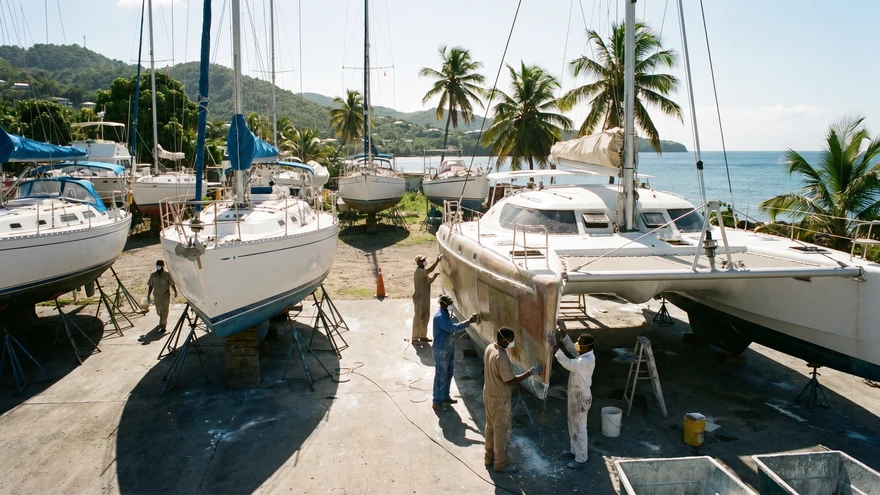
Yards like Clarkes Court Boatyard offer professional fiberglass repair, rigging replacement, and hull fairing at labor rates significantly lower than the US. Keep your logistics tight; facilities assess a 15% fee for outside contractors working on-site. Securing a spot on the hard requires booking months in advance, especially since the geographic location satisfies strict hurricane-season insurance mandates.