Gibraltar is widely recognized as one of the premier locations in Europe for observing wild dolphins in their natural habitat. Positioned at the narrow gateway where the Atlantic Ocean meets the Mediterranean Sea, the Strait of Gibraltar creates a unique nutrient-rich marine environment. This geographical phenomenon supports a permanent, year-round population of resident dolphin pods, making sightings almost guaranteed.
If you are planning a visit to the Rock, adding a marine excursion to your itinerary is highly recommended. However, choosing the right tour, timing, and vessel type can significantly impact your experience. This practical guide provides everything you need to know to plan the perfect dolphin-watching trip.
| Feature | Details |
|---|---|
| Average Tour Duration | 1 to 1.5 hours |
| Primary Departure Point | Marina Bay / Ocean Village, Gibraltar |
| Sighting Success Rate | Approximately 99% year-round |
| Top Species Spotted | Short-beaked Common Dolphin, Bottlenose Dolphin, Striped Dolphin |
Best Time to Go Dolphin Watching in Gibraltar
Because the resident dolphin pods live in the Bay and Strait of Gibraltar permanently, tours run successfully throughout the year. That said, certain factors like sea conditions, lighting, and daily activity cycles should influence when you book your slot.
Morning vs. Afternoon Tours: When Are Dolphins Most Active?
From a biological perspective, dolphins are active during both parts of the day, as they constantly hunt and socialize. However, scheduling your trip involves balancing marine behavior with weather patterns:
- Morning Sailings (10:00 AM-12:30 PM): The sea in the Bay of Gibraltar is typically calmer during the early hours of the day. Lower wind speeds make it easier to spot the breaking surface of the water when a pod emerges. Morning light is also excellent for photography without harsh glares.
- Afternoon Sailings (2:00 PM-4:30 PM): Afternoon tours often benefit from warmer temperatures, which can make the boat ride more comfortable. However, afternoon sea breezes can sometimes create small waves (whitecaps), making spotting slightly more challenging, though the playful nature of the dolphins remains unchanged.
Best Season and Months for Sightings
While you can see dolphins in January just as well as in July, the seasonal shift changes the overall experience:
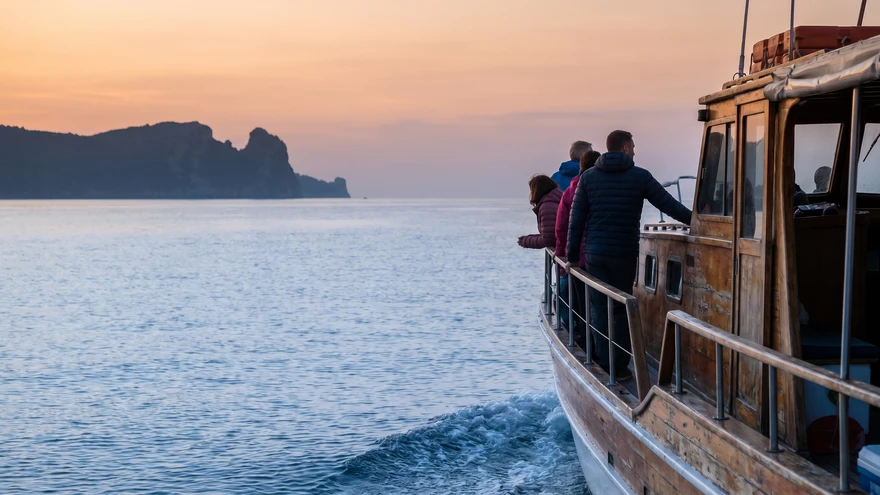
- May to September (Peak Season): This is the ideal window for smooth sailing. The weather is warm, the waters are generally calm, and visibility is excellent. Summer also brings migratory species through the Strait, so you may catch glimpses of Pilot Whales or even Fin Whales.
- October to April (Off-Peak Season): Dolphins are still highly prolific during these months. However, sailings depend entirely on winter weather conditions, and strong Atlantic winds can cause tours to be postponed or canceled, so it is wise to keep a flexible schedule if visiting in winter.
Choosing a Boat Tour in the Strait of Gibraltar
Two primary operators dominate the premium dolphin-watching space in Gibraltar: Dolphin Adventure and Dolphin Safari. Both operate out of the same modern marina complex and maintain highly experienced, locally-born crews who know the movement patterns of the pods intimately. Pricing varies by operator and season, with adult tickets typically costing more than children's fares and high-speed RHIB trips or private charters priced at a premium, so check each operator's website directly for current rates before you travel.
If you would rather compare options and lock in a spot before you arrive, you can Book a dolphin watching tour online in advance, which also makes it easy to check cancellation policies for each operator. When booking, your main decision will come down to the type of vessel you prefer.
Stable Catamarans and Open-Deck Vessels
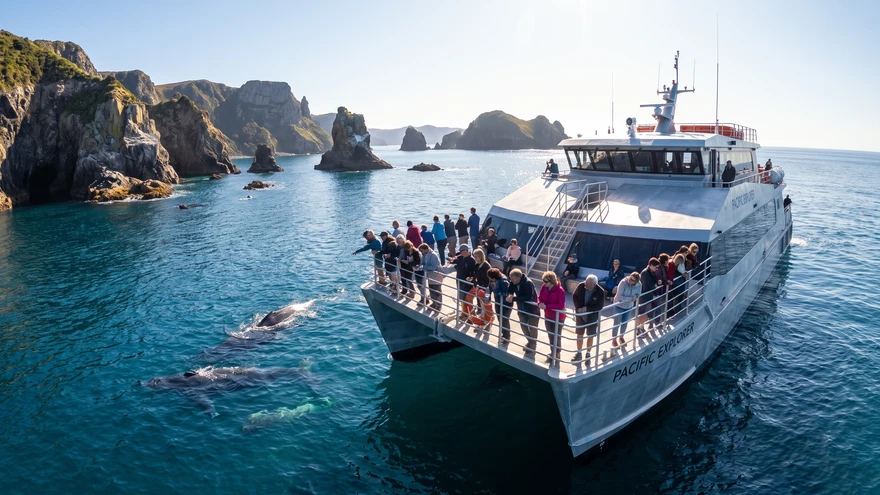
These larger, twin-hulled vessels are designed for stability and comfort.
- Pros: Ideal for families, elderly travelers, and anyone prone to motion sickness. They feature indoor seating options, restrooms, and elevated viewing decks that provide a wide, panoramic view of the coastline and marine life.
- Cons: Because the vessel sits higher off the water, you are looking down at the dolphins rather than being at eye level with them.
High-Speed RHIBs (Rigid Hull Inflatable Boats)
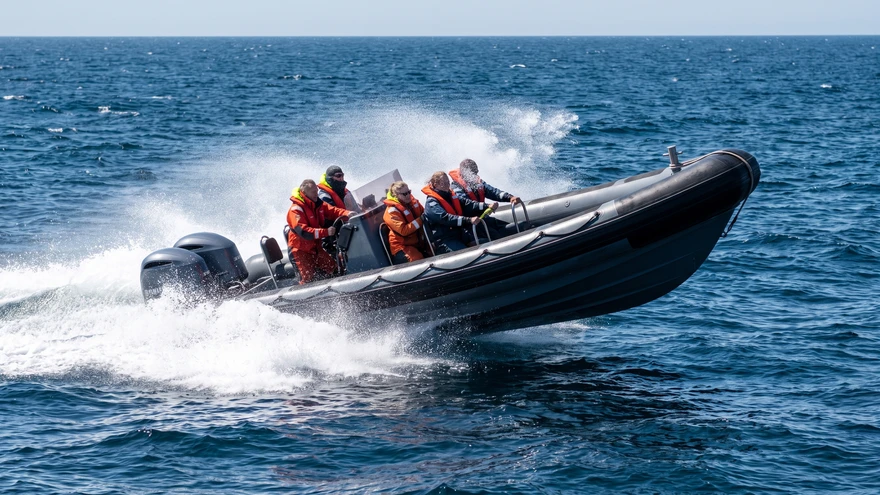
These low-profile, fast, and agile boats are similar to those used by marine rescue teams.
- Pros: RHIBs sit incredibly low to the water line, and when dolphins swim alongside the vessel to ride the bow wave, you are mere inches away from them, offering an unmatched, intimate encounter.
- Cons: The ride is fast, windy, and can be bumpy if there is any swell. These tours are generally not recommended for pregnant women, individuals with back issues, or very young children.
Departure Points: Finding Marina Bay
Almost all reputable dolphin tours depart directly from Marina Bay / Ocean Village, located on Gibraltar's vibrant waterfront. The marina is easily accessible, just a 10 to 15-minute walk from the Gibraltar-Spain land border or a short taxi ride from the town center.
The area is packed with cafes and restaurants, making it convenient to grab a meal before or after your excursion. It is highly recommended to arrive at the operator's kiosk at least 15 to 20 minutes before your scheduled departure time for boarding briefings.
What Dolphin Species Will You See in Gibraltar?
The waters surrounding the Rock serve as a vital feeding and nursery ground. During your tour, you are highly likely to encounter one or more of these three distinct species:
Short-Beaked Common Dolphin (Delphinus delphis)
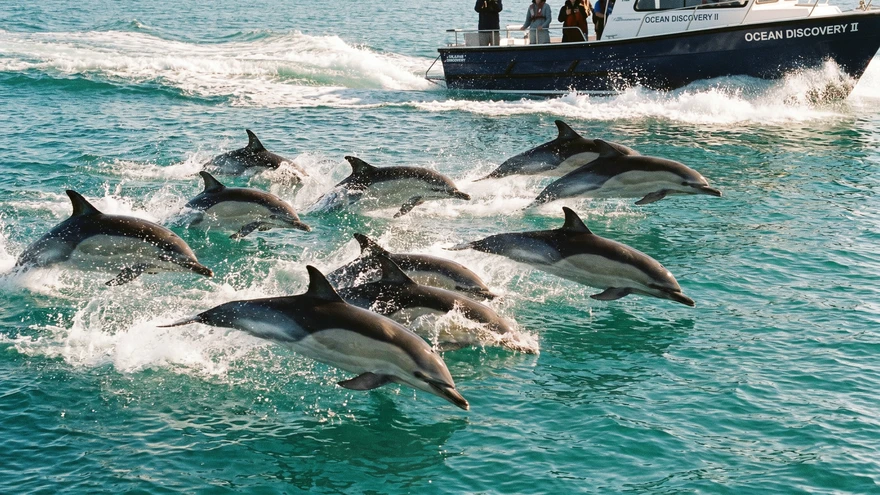
This is the most frequent visitor to the boat hulls. They are easily recognizable by their distinct hourglass color pattern on their flanks, consisting of a dark grey cape, a yellowish-tan patch near the head, and a light grey tail section. They are incredibly sociable, highly energetic, and frequently leap entirely out of the water or ride the pressure waves created by the boat's bow.
Common Bottlenose Dolphin (Tursiops truncatus)
Famously robust and significantly larger than the Common Dolphin, Bottlenose dolphins are uniform slate-grey with lighter underbellies. They possess a short, stubby rostrum (beak). In the Strait, they tend to travel in smaller, more calculated pods, and they are highly intelligent and curious, often approaching stationary boats to inspect the passengers onboard.
Striped Dolphin (Stenella coeruleoalba)
Less common in the shallow bay, striped dolphins are more frequently encountered as the boat ventures further out into the deep waters of the Strait. They are distinguished by a striking, dark double stripe running from their eye down along their flank to their underside. Striped dolphins are famous for a unique athletic display known as "roto-tailing," jumping high into the air while rapidly rotating their tail before splashing back down.
Practical Tips for Your Sea Excursion
To maximize your comfort and enjoyment out on the water, keep these essential practical tips in mind:
- Manage Seasickness Dynamically: The Bay of Gibraltar is usually sheltered, but the moment the vessel enters the open Strait where currents collide, the boat will experience motion. If you are sensitive to motion sickness, take a preventative medication roughly one hour before boarding, and aim to sit near the stern (back) of the boat where rocking is minimized.
- Dress in Layers: Even on a hot summer day, temperatures drop significantly when the boat is moving at high speeds on open water due to wind chill. Always bring a windbreaker or a light sweater, regardless of the land temperature.
- Sun and Eye Protection: The reflection of the Mediterranean sun off the water can be intense. Polarized sunglasses are highly recommended, as they eliminate the surface glare of the water, allowing you to see the shapes of the dolphins moving beneath the surface before they even break air. Do not forget to apply reef-safe sunscreen.
- Respect the Wildlife: Ensure you choose an operator that explicitly adheres to the Responsible Dolphin Watching guidelines. Ethical operators maintain a respectful distance, do not corral or chase pods, limit their time with a single group, and cut their engines if the dolphins choose to approach closely on their own terms.