Gibraltar draws visitors for the towering Rock, the wild Barbary macaques, and a slice of Britain wedged into the Iberian coastline, but almost everyone reaches it the same way: on foot or by car across the land border at La Linea de la Concepcion. That crossing looked very different even a year ago, and it is changing again in the middle of 2026 as a long-negotiated UK-EU treaty reshapes how border checks work. Knowing what applies to your passport, your car, and your luggage before you arrive will save you real time at the frontier.
The 2026 UK-EU Treaty Changes How the Border Works
After four years of negotiation, the UK and EU agreed the text of a treaty governing Gibraltar's relationship with the bloc on 26 February 2026. The agreement is scheduled to enter provisional application on 15 July 2026, after an earlier 10 April target was pushed back for legal and linguistic revisions. Once it takes effect, the physical fence and routine immigration checks at the La Linea land crossing are removed entirely, and Schengen-style passport checks move instead to Gibraltar's own airport and port.
Where the Checks Actually Happen Now
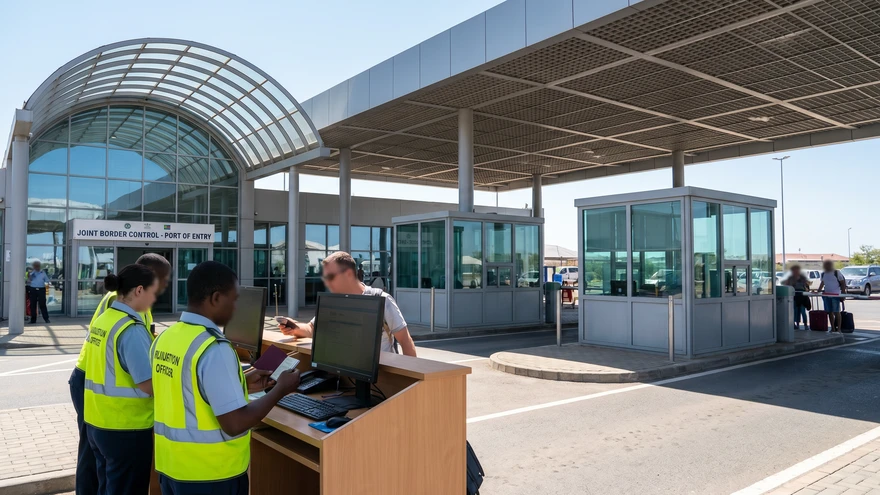
Under the new arrangement, two separate checks take place at the airport and port rather than at the road crossing. Gibraltar's own border officers handle immigration control, while Spanish Policia Nacional officers, working alongside Frontex agents at a newly built joint facility, carry out the Schengen entry check. Practically, this means a pedestrian or driver crossing at La Linea faces no routine passport booth at all, though random customs spot checks on both goods and vehicles continue.
The EU's Entry/Exit System (EES) and Gibraltar
The EU's biometric Entry/Exit System, which replaces manual passport stamping with fingerprint and facial scans, became fully operational across Schengen's external borders on 10 April 2026. Gibraltar secured a specific exemption: EES does not apply to Gibraltar residents at the Gibraltar-Spain land frontier, regardless of which Civilian Registration Card they hold. For visiting tourists and other non-resident travelers, EES registration instead happens at the airport or port checkpoint, not on the road at La Linea.
Does the 90-Day Schengen Rule Still Apply?
Yes, and this is the detail most visitors overlook. Non-EU tourists' time in Gibraltar now counts toward the standard 90 days within any 180-day period that governs short Schengen stays, cumulative with any time spent in Spain or elsewhere in the bloc. Thirty days in Gibraltar plus sixty days touring mainland Spain uses your full allowance; there is no separate quota and no reset when you step across the frontier. Gibraltar residents are treated differently for this calculation, but that exemption has no bearing on a visiting tourist's count.
ETIAS: Not Yet Required, But Coming
Non-EU, non-visa nationals such as Americans, Canadians, and Australians do not yet need any pre-travel authorization to enter Gibraltar or Spain as of mid-2026. That changes once the EU's ETIAS travel authorization goes live, expected later in the year. The application costs €20, stays valid for three years or until your passport expires, and typically clears within minutes. It is worth applying as soon as the system opens rather than waiting until departure week.
Entry Requirements by Nationality
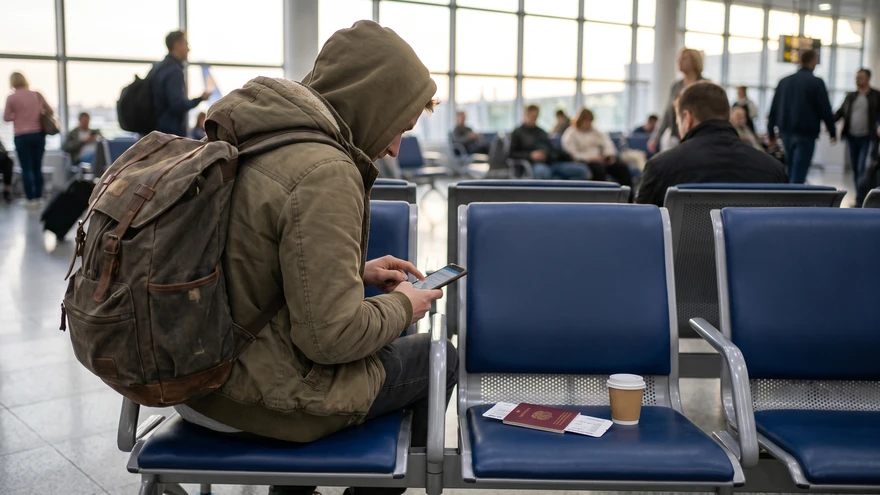
- UK and EU citizens: EU nationals may cross with a valid national identity card or a passport, while UK nationals need a valid passport. No visa is required for a short visit.
- US, Canadian, and other non-EU visitors: A passport valid for at least three months beyond your planned departure date, plus a visa-free stay of up to 90 days, subject to the incoming ETIAS requirement described above.
- All travelers: Carry your travel document even though there is no routine checkpoint on the road, since customs officers and, occasionally, police can still request it.
Walking Across Still Beats Driving
Gibraltar covers only 6.8 square kilometers, and its narrow streets were never built for tourist traffic. Parking inside the territory is scarce and expensive, while several secure underground car parks sit on the Spanish side in La Linea, most within a five-minute walk of the frontier. Leaving the car in Spain and walking across remains the fastest option for almost every visitor, treaty or no treaty.

If You Do Need to Drive
Drivers heading onward from Gibraltar, or arriving by rental car from elsewhere in Spain, should confirm their rental agreement actually permits crossing into Gibraltar. Many Spain-based rental contracts exclude the territory entirely, so Comparing providers that explicitly allow Gibraltar crossings before booking avoids an awkward conversation at the barrier. Vehicle queues at La Linea still build up at peak hours because of general traffic volume and customs checks, even though the old passport bottleneck is gone.
Typical Wait Times by Time of Day
- Morning commute (07:00-09:30): Heaviest vehicle volume as workers cross from Spain into Gibraltar; queues build even without a passport check.
- Midday (11:00-15:00): Day-trippers and tour groups peak, adding to pedestrian volume at the crossing.
- Evening commute (16:30-18:30): The reverse flow, as workers head back into Spain, tends to be the slowest window for vehicles.
- Best times to cross: Around 10:00 or after 19:00, when both pedestrian and vehicle volume drop.
Arriving by Air: Gibraltar International Airport
Travelers flying directly into Gibraltar International Airport clear an arrivals passport control inside the terminal, split into separate lanes for UK/EU passport and identity-card holders and for all other nationalities. Since the treaty moved Schengen checks to the airport itself, this is now where the joint Gibraltar, Spanish, and Frontex border facility actually operates.
Crossing an Active Runway on Winston Churchill Avenue
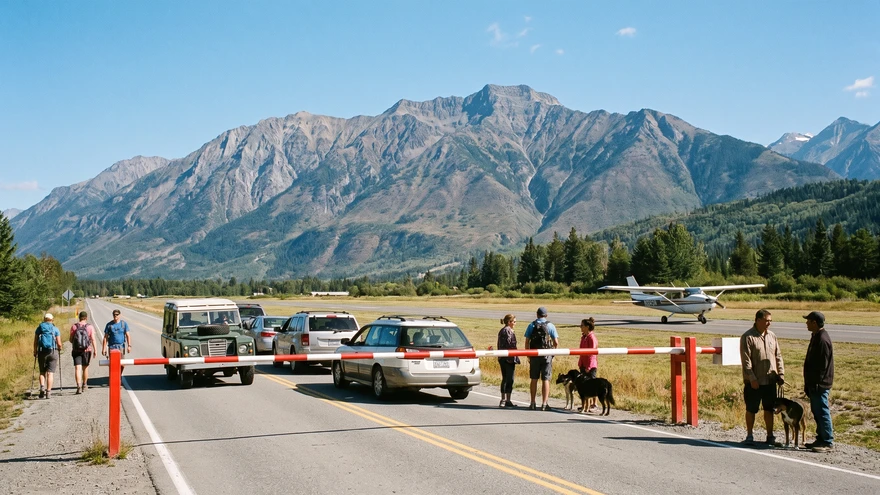
Gibraltar keeps one of travel's stranger quirks regardless of how you enter: the main road connecting the airport and border to the town center, Winston Churchill Avenue, crosses the airport's active runway at grade. When a flight is landing or taking off, barriers drop and all pedestrian and vehicle traffic stops for roughly 10 to 15 minutes. Build this into your schedule if you have a flight or bus to catch on your way out.
Customs Rules and Restricted Items
Gibraltar sits outside the EU Customs Union, which keeps duty-free shopping alive but comes with strict limits on what you can carry across. Tobacco and alcohol are capped at set personal allowances, and Spanish customs officers at La Linea do search luggage and vehicles regularly to enforce them. Keep your receipts, since undeclared goods over the limit can be confiscated along with a fine.
Meat and dairy products cannot legally cross the border in either direction under EU agricultural rules, and carrying a parcel or bag for someone else is a common way travelers unknowingly end up implicated in a smuggling check.
Traveling With Pets Across the Border
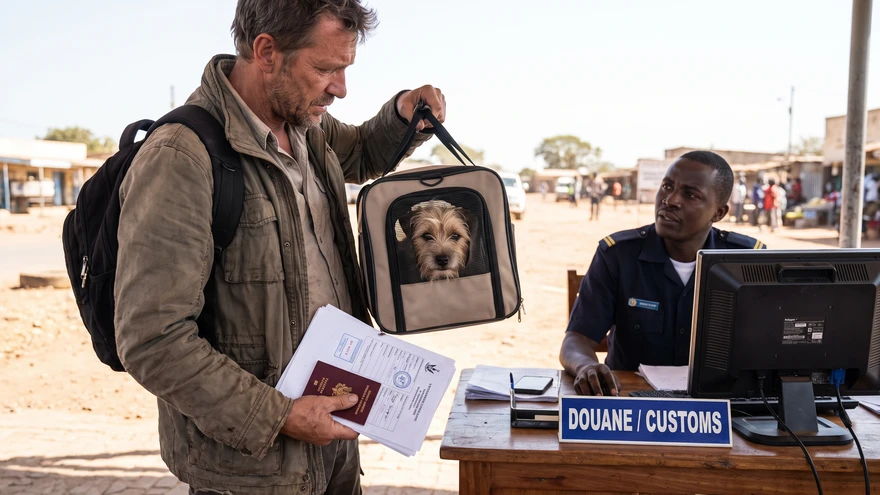
Dogs, cats, and ferrets can cross with the right paperwork rather than being turned away outright. Your pet needs a microchip, a valid rabies vaccination, and an EU-recognized pet passport, since Gibraltar is on the EU's approved list of territories for pet travel. Spanish border officers can ask to see the documents and inspect the animal, so keep the passport accessible rather than packed away.
Whichever way you arrive, keep your documents within reach, budget a few extra minutes for customs or the runway barrier, and the Gibraltar side of your trip should run smoother than the old horror stories about the frontier ever suggested.