If you are planning to explore the underwater world of the Mediterranean, you have likely looked at the Costa del Sol or the dramatic coastlines of Southern Spain. However, squeezed right at the geographical crossroads where the Atlantic Ocean crashes into the Mediterranean Sea lies a highly unique, often overlooked diving hotspot: Gibraltar.
"The Rock" is not just a geological marvel above ground. Its underwater topography is a dense playground of history, marine conservation, and more than 30 sunken vessels, on top of historic wrecks like the SS Rosslyn. Whether you are aiming to navigate a century-old steamer or want to see how a modern artificial reef ecosystem functions, diving in the Strait of Gibraltar requires a blend of tactical preparation and local knowledge.
Below is everything you need to know before packing your regulator and heading to the Rock.
- Average Visibility: 10 to 30 meters, dropping as low as 8 meters when currents are strong, best from April to October
- Water Temperature: 14°C to 16°C in winter, up to 20°C to 25°C in late summer
- Primary Dive Types: Shore dives, wreck penetration, biogenic reefs, night dives
- Currency & Language: British Pound (GBP), English and Spanish
- Permit Required: Yes, a marine environmental permit under the Marine Protection Regulations 2014
Scuba Diving in the Strait of Gibraltar: What to Expect
Diving in Gibraltar is defined by its position at the entrance of one of the world's busiest and most intriguing natural crossroads. Because denser, saltier Mediterranean waters continuously merge with powerful Atlantic currents, the local ecosystem benefits from a massive, nutrient-rich water turnover.
Water Conditions and Visibility
You must be prepared for variable conditions. Visibility can fluctuate wildly within a single day, from a pristine 30 meters down to a challenging 8 meters. This is entirely dictated by the tides and currents pulsing through the Strait.
While many of the classic dive sites in the bays are linked by sturdy navigation ropes, allowing you to safely pull yourself along if you encounter a sudden current, an awareness of local tidal schedules is critical. A 5mm to 7mm wetsuit, or a drysuit in the winter months, is highly recommended, as the Atlantic influence keeps these waters crisper than the rest of the eastern Mediterranean.
Marine Life and the Seven Sisters MCZ
Thanks to the constant influx of nutrients, the sheer density of marine life here far surpasses many neighboring areas in the Mediterranean. You will routinely share the water with massive shoals of Anthias, mackerel, sardines, bream, and mullet.
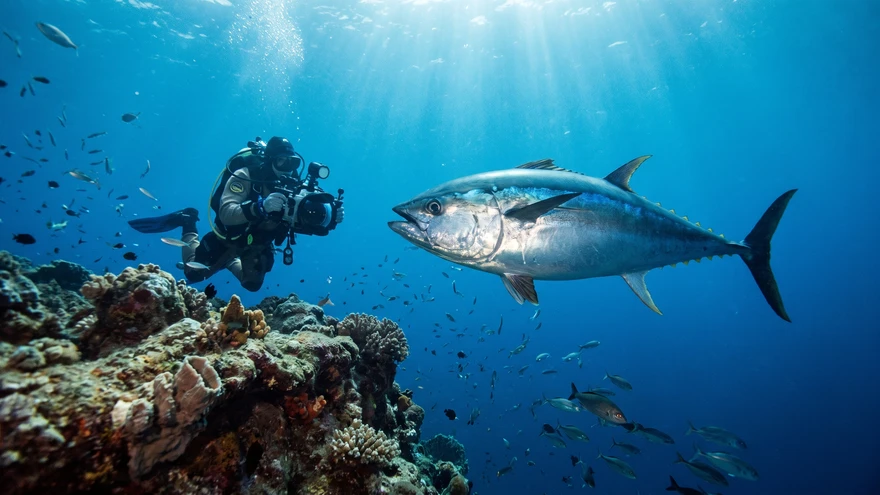
If you look into the rocky crevices, you will find an abundance of moray eels, conger eels, spider crabs, and curious octopuses, considered Gibraltar's charismatic underwater species. If your timing is right, you might even spot pelagic visitors like Atlantic bluefin tuna feeding in the bay. A significant portion of this biodiversity is protected within the Seven Sisters Marine Conservation Zone (MCZ), an area known for its biogenic pinnacles and ongoing coral transplantation research, including species like Astroides calycularis and vibrant gorgonians.
Top Shipwrecks and Artificial Reefs
Gibraltar's dive identity is inextricably linked to wreck diving. While the seabed holds artifacts dating back to Phoenician, Roman, and Napoleonic eras, its modern collection of purpose-sunk wrecks began in 1974, when the private Helping Hand Trust, founded by Dr. Eric Shaw, sank the first two barges in Camp Bay to kickstart a marine habitat. Government oversight came later, and more than 30 vessels have since been added to the artificial reef program, creating an extraordinary habitat for divers to explore.
The SS Rosslyn (Advanced Divers)
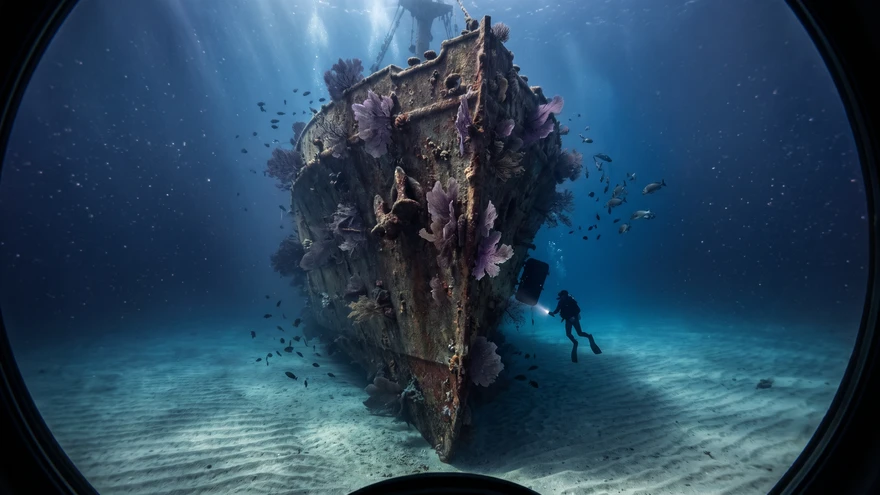
Undoubtedly the "Grand Old Lady" of Gibraltar's waters, the SS Rosslyn is a 3,679-ton Cardiff steamer built in 1902. Unlike the purpose-sunk reefs, the Rosslyn met a genuine maritime fate, dragging her anchor and sinking during a fierce southwest gale on 28 February 1916, though her entire crew made it off safely.
Resting upright at a depth of 23 meters and stretching roughly 104 meters in length, she is remarkably ship-shape despite being submerged for over a century, with her bow still standing around 10 meters proud of the seabed. The bow is fully intact, twisted slightly to starboard, where you can still marvel at one of her massive anchors. The entire structure is smothered in marine growth and adorned with stunning purple gorgonians. Because of its size and the currents that sweep through the South Mole, you will want to dedicate at least two or three boat dives to fully appreciate her nooks, crannies, and resident scorpionfish.
Camp Bay Wrecks: 482M and Batty's Barge (Beginners & Intermediates)
If you are a novice diver or prefer stress-free shore diving, Camp Bay is your primary destination. Located just 25 meters from the shoreline, you can submerge and immediately encounter an array of linked shallow wrecks.
- The 482M: A 30-meter-long Royal Navy barge sitting perfectly upright on a sandy bottom at 16 meters. It serves as an excellent introduction to wreck navigation.
- Batty's Barge: Resting at 14 meters below the surface, this 35-meter-long transport vessel holds the largest open space to explore in Camp Bay, making it highly accessible for Open Water divers and PADI Discover Scuba students.
The Sun Swale Tugboat
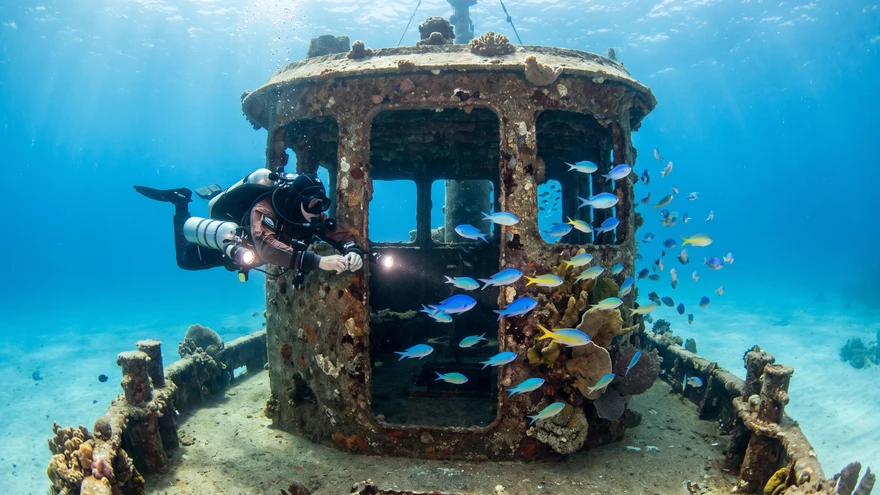
For a look at a more recent addition to the ecosystem, the Sun Swale is a 195-ton, 28-meter-long tugboat that was purpose-sunk on 16 March 2015. She rests fully intact, leaning heavily on her starboard side at 22 meters, just off the South Mole reef. While coral growth is still evolving compared to the century-old Rosslyn, she features an excellent bridge swim-through often surrounded by colourful damselfish, with a cavernous engine room that frequently draws technical and advanced divers.
Gibraltar vs. Southern Spain: Where Should You Dive?
If you are trying to decide between basing your diving holiday in Gibraltar or nearby Spanish coastal towns like Tarifa, Algeciras, or the wider Costa del Sol, the choice comes down to logistics versus variety.
- Wreck Density: Spain offers beautiful natural rocky reefs and macro life, but it cannot compete with Gibraltar's sheer concentration of historical and artificial shipwrecks within a small area. In Gibraltar, you can dive multiple unique vessels in a single afternoon.
- Accessibility: Most of Spain's premier Strait diving, like Tarifa, requires navigating intense open-ocean waves and heavy boat logistics. In contrast, the majority of Gibraltar's primary dive sites sit on the southwest of the peninsula, within a 15-minute drive or short shore-walk from the dive centers.
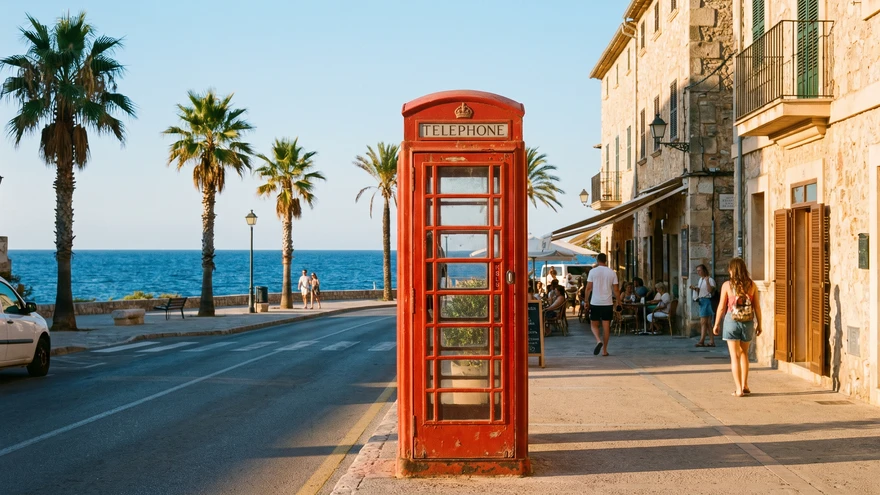
- The Travel Experience: Spain offers expansive coastlines and typical Mediterranean conditions. Gibraltar offers a quirky, distinctly British slice of coastal life, complete with British Pounds, English-speaking operators, and red phone boxes, but with significantly warmer weather and an Atlantic-fed marine biome.
Dive Centers and How to Get a Diving Permit
Because Gibraltar is a compact territory, its diving infrastructure is tightly managed. Currently, the territory's predominant licensed center is Dive Charters Gibraltar, alongside the long-running 888 Gibraltar Sub Aqua Club (GSAC), a British Sub-Aqua Club (BSAC) branch active since 1972.
Choosing a Dive Operator
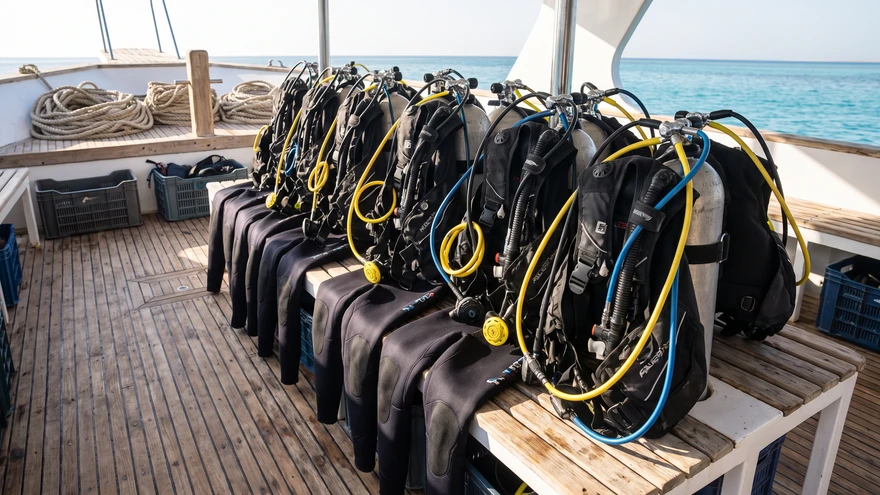
Operating from early morning briefings around 8:45 AM, the local team structures the day around morning and afternoon double-tank dive trips. Because everything on the Rock is tightly clustered, you can easily conduct a deep wreck dive in the morning, return to Ocean Village or Marina Bay for lunch, and head back out for a shallow reef dive before dinner. Full equipment rental is standard, meaning you legally only need to bring a towel to get into the water. If you would rather lock in your boat slots before you fly, you can Book a Gibraltar dive excursion in advance and skip the on-the-day scramble.
The Department of the Environment Permit Process
You cannot simply jump into British Gibraltar Territorial Waters on your own. A marine environmental permit is legally required under the Marine Protection Regulations 2014.
- If you dive with a licensed operator: The dive center will typically handle the administrative logistics, covering your permit under their institutional license for the duration of your excursions.
- If you are an independent or club diver: You must proactively secure a permit directly from the Department of the Environment, Heritage and Climate Change. You can initiate this process by contacting them officially via email (info.environment@gibraltar.gov.gi). Be prepared to present your certification cards (PADI, BSAC, NAUI, etc.), proof of dive insurance, and logbooks depending on the depth of the sites you intend to target. Since dive-specific coverage is rarely bundled into standard travel policies, it is worth arranging Dive-specific travel insurance before you request the permit paperwork.