Authentic Llanito flavors define Gibraltar's food scene far more than the fish and chips shops clustered near the runway. The Rock's 300-year Llanito culture blends British, Spanish, and Genoese roots, and finding it means stepping past the tourist strip on Main Street and into the historic vaults and fishing villages where locals actually eat.
- Currency: Gibraltar Pounds (GIP) or UK Pounds (GBP) are standard, Euros are accepted but usually at a poor exchange rate
- Tipping: 10-15% is the norm, check your receipt first since many places add a service charge automatically
- Dining hours: lunch runs 1:00 PM to 3:30 PM, kitchens then pause until dinner service starts around 7:30 PM
- Getting there: the frontier to Casemates Square is a 20-minute walk, or take Bus No. 5 to skip the heat
The Fusion of Llanito Cuisine: British, Spanish, and Genoese Roots
Gibraltar's food landscape defies simple categorization. It goes far beyond the highly visible layers of standard British pubs and Andalusian tapas bars.
How History Shaped the Rock's Food Scene
The Great Siege and subsequent naval operations brought waves of Maltese, Genoese, and Portuguese settlers to the peninsula. This demographic shift created a profound culinary melting pot right inside the ancient city walls. Mediterranean ingredients merged with British rationing systems, resulting in hearty, resource-efficient meals that defined generations.
The Unique Taste of Llanito Vernacular in Local Dining
Navigating a local menu means engaging with the Llanito dialect. This fluid mix of Andalusian Spanish, British English, and Genoese loanwords dictates the dining rhythm. Ordering raciones (generous portions meant for sharing) instead of individual tapas is standard practice.
The local dialogue shifts seamlessly between languages, and the food on the plate reflects that exact same fluidity.
Traditional Gibraltar Dishes You Cannot Miss
Finding genuine local recipes takes deliberate effort. The highly commercialized menus on Main Street cater heavily to transit tourists, often pushing the region's historical dishes to the background.
Calentita: The Story of the National Chickpea Delicacy
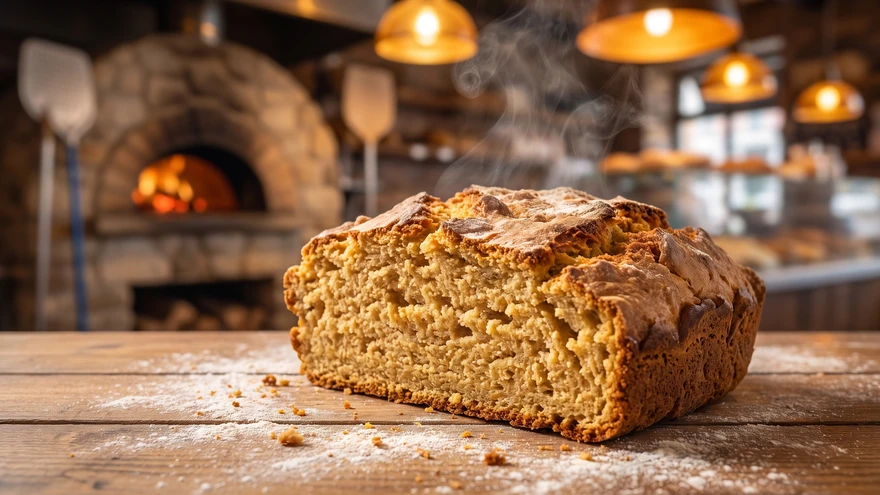
This baked, flan-like dish traces its origins directly to the Genoese farinata. Cooks blend chickpea flour, water, olive oil, and plenty of black pepper to create a dense, savory cake. It served as a cheap, highly nutritious street food during periods of strict rationing.
Today, calentita remains the undisputed national dish, best eaten straight out of a hot oven.
Rosto: A Maltese-Italian Pasta Legacy on the Rock
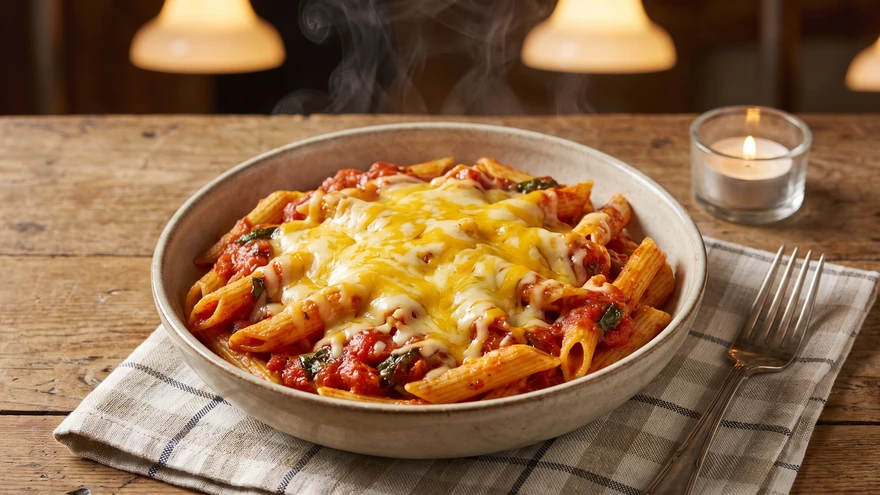
Rosto stands as the ultimate Mediterranean comfort food. Penne pasta mixes with a rich, slow-cooked tomato and pork sauce, heavily blanketed with Edam cheese rather than traditional Parmesan. The reliance on Edam acts as a direct nod to the British colonial trade routes that kept the Rock supplied with durable Dutch cheeses.
Panissa: The Genoese Street Food Heritage
Similar to calentita in ingredients but handled completely differently, panissa involves cooking chickpea flour into a firm, polenta-like block. The block is then sliced, fried until golden and incredibly crispy, and served as a quick savory snack. A few older establishments and traditional bakeries in the Upper Town still prepare this daily.
Where to Eat in Gibraltar on a Day Trip
Maximizing a few hours requires matching your itinerary with the right dining hubs.
Historic Cafes and Pubs Around Casemates Square
The 19th-century bombproof barracks of Casemates Square serve as the primary gateway to the city center. Sacarello's Coffee House, a longtime fixture on Irish Town with roots in the Sacarello family's provisions business founded in 1888, offers a quiet escape with proper roasted coffee and light, traditional lunches. Step slightly off the main square to find historic pub grub, avoiding the outer ring of heavily promoted tourist bars.
Tapas and Local Wines at Chatham Counterguard
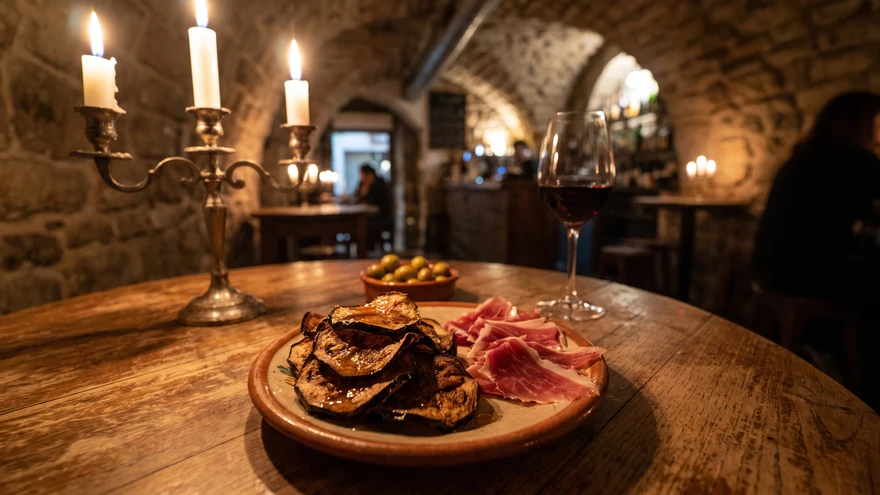
This restored 1790s defensive bastion functions as the absolute epicenter of local dining. Historic brick vaults house an uninterrupted row of vibrant wine bars and open-air eateries. Establishments like La Bodeguiya serve exceptional Spanish classics, including Iberian ham and thinly sliced fried aubergines drizzled with dark cane honey.
Fresh Seafood at Catalan Bay and Queensway Quay
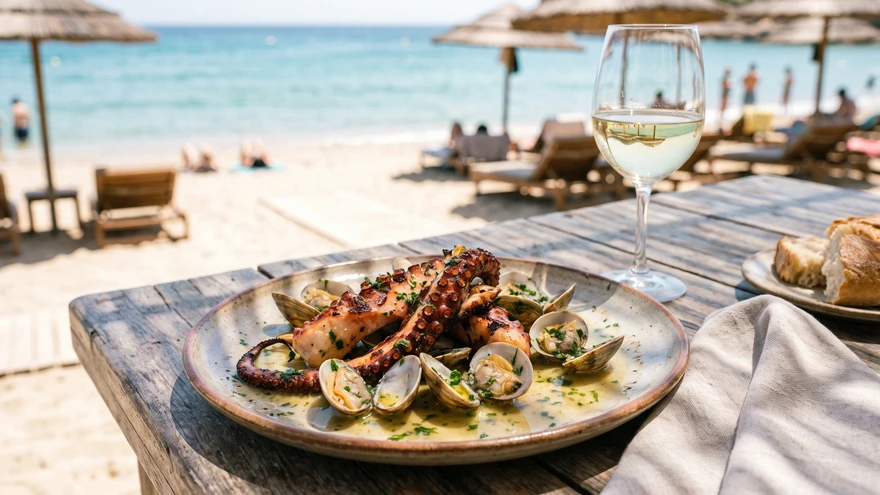
**Catalan Bay**, known locally as La Caleta, retains the spirit of the Genoese fishermen who settled there in the early 1800s. Unpretentious spots on the sand like Seawave Bar offer phenomenal seafood, from Galician-style octopus to fresh clams in white wine. For a sleeker aesthetic, Queensway Quay provides upscale, relaxed marina dining far away from the chaotic casino crowds of Ocean Village.
Beyond Llanito Classics: Curry, Chippies, and Vegetarian Options
Gibraltar's dining scene extends well past its Mediterranean core. Little Bay, tucked into Irish Town, has built a reputation for consistently excellent Indian food, a legacy of decades of trade and exchange within the Commonwealth. Classic fish and chips shops cluster around Casemates Square for anyone craving a straightforward British staple before crossing back into Spain.
Strictly vegetarian and vegan diners have fewer options but are not left out entirely, Kasbar near Ocean Village runs a fully plant-based menu, though it keeps shorter hours and operates cash-only, so it is worth calling ahead.
Practical Tips for Dining in Gibraltar
Crossing the land border from **La Línea de la Concepción** heavily dictates your dining schedule. Lunch crowds peak sharply between 1:30 PM and 2:30 PM, driven mostly by cross-border corporate workers. The tapas bars on Chatham Counterguard fill up incredibly fast on Friday afternoons, making reservations highly recommended.
Paying with a contactless card is universal across the territory, completely eliminating the need to withdraw local currency that holds zero value once you cross back into Spain.