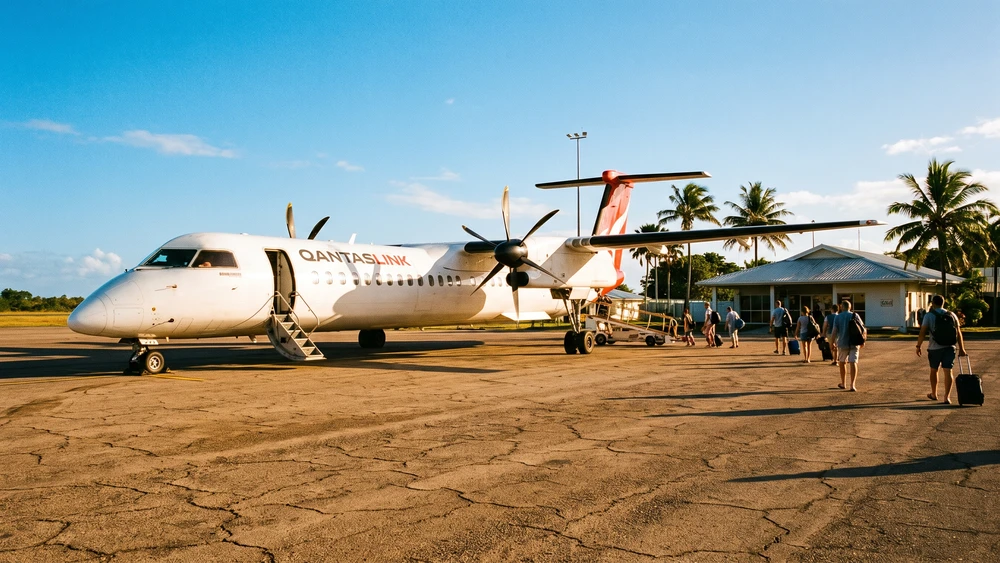
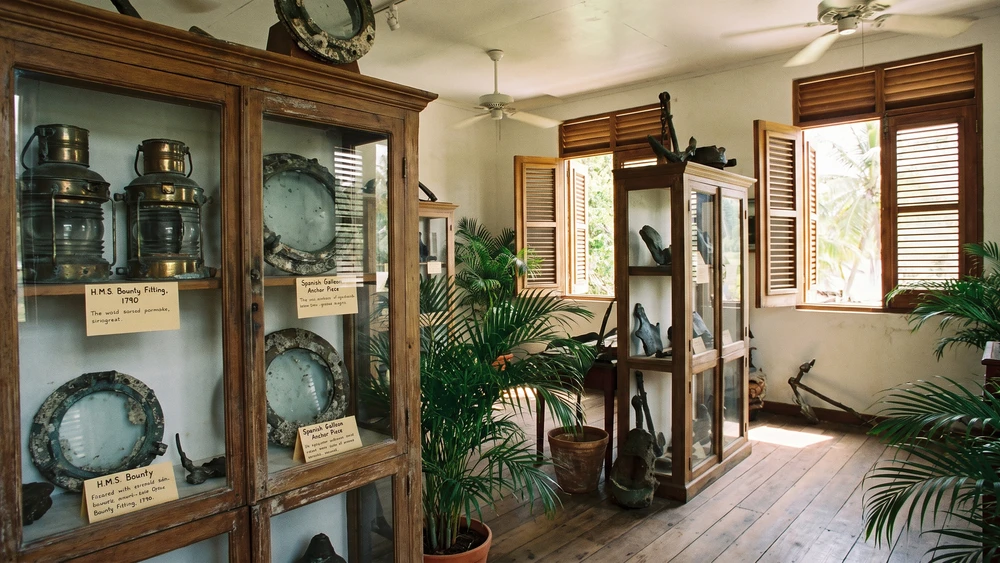
Booking a flight to Australia's Indian Ocean territories without aligning your calendar to the rigid QantasLink schedule can strand you for days in the wrong destination. Choosing between Cocos (Keeling) Islands and Christmas Island means choosing between pristine marine isolation and raw, volcanic jungle. A two-week multi-city itinerary lets you experience both, provided you understand the stark differences in terrain and logistics first.
Christmas Island vs Cocos (Keeling): Key Differences at a Glance
| Feature | Christmas Island | Cocos (Keeling) Islands |
|---|---|---|
| Primary focus | Volcanic rainforests, endemic birds, crab migrations | Coral atolls, kitesurfing, quiet lagoon life |
| Flight source | Perth via QantasLink | Perth via QantasLink |
| Best season | November to April (wet season, crab migration) | May to October (trade winds, kitesurfing) |
| Local currency | Australian Dollar (AUD) | Australian Dollar (AUD) |
| Entry fees | Free entry to national park | Free entry, duty-free territory |
| Transportation | 4WD vehicle strictly required | Scooter, bicycle, or local ferry |
The Vibe Check: Jurassic Park vs the Australian Maldives
Christmas Island feels ancient, dramatic, and intensely wild. Think steep volcanic cliffs dropping straight into a five-thousand-meter trench, towering rainforest canopies, and prehistoric land crabs dominating the roads.
Cocos presents the absolute opposite. A perfectly flat, circular ring of twenty-seven coral cays sits blanketed in coconut palms and surrounded by a shallow, waist-deep turquoise lagoon.
Christmas Island: The Galapagos of the Indian Ocean
The landscape hits hard with its sheer vertical scale and untamed energy. Most of the island consists of a protected national park, where jagged limestone terraces replace standard sandy shores.
The Famous Red Crab Migration
Over sixty million red crabs blanket the forest floor and shut down major roads during the wet season. Witnessing this mass movement down to the ocean is a breathtaking spectacle, but it requires serious situational awareness.
You must drive slowly, adapt to sudden road closures, and respect the strict rules protecting local wildlife. Running over an endangered robber crab can result in an immediate five-hundred-dollar penalty.
Deep Wall Diving and Rugged Terrain
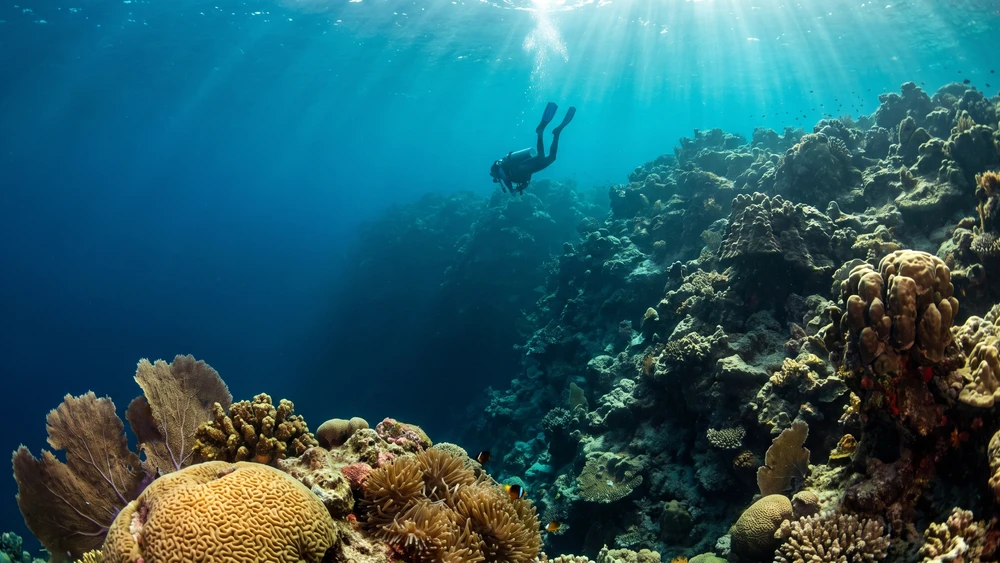
Diving here means stepping off the edge of the world. Coral reefs sit just twenty meters offshore before plunging straight down into the Java Trench.
Expect exceptional visibility, dramatic underwater caves, and regular pelagic encounters with whale sharks between November and May. On land, reaching iconic spots like Dolly Beach involves a steady trek through thick jungle boardwalks where giant robber crabs wait alongside the path. If wall diving is the deciding factor, the same drop-off style reef you find on this island rewards divers who also enjoy the shallower, current-swept sites covered in scuba diving in St. Vincent and the Grenadines, though the marine life mix is entirely different.
Cocos (Keeling) Islands: A Remote Tropical Atoll
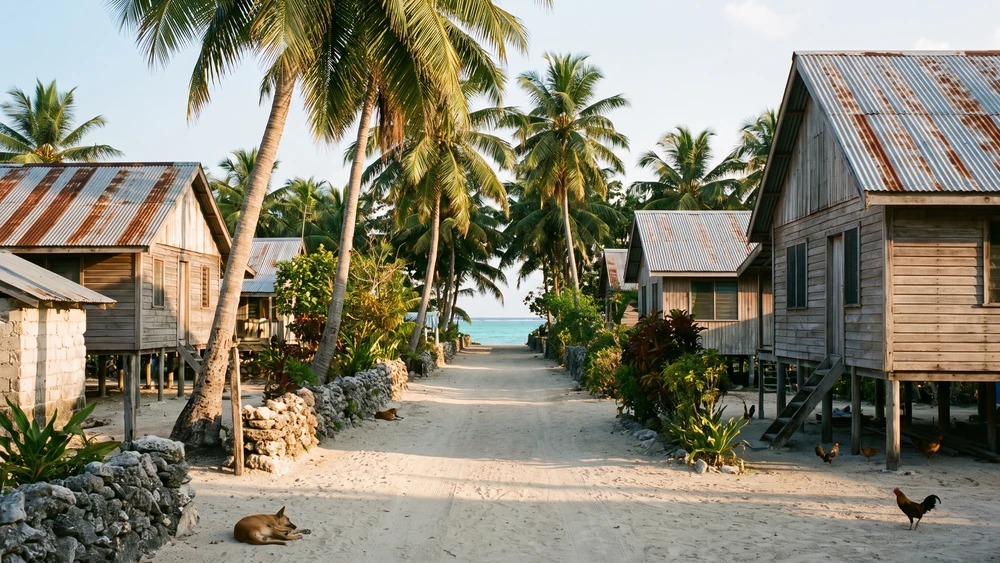
Life slows down to a crawl the moment you step onto the tarmac at West Island. The entire landmass rises just a few meters above sea level, making it incredibly easy to explore on two wheels.
Kitesurfing and Crystal-Clear Lagoons
The massive, warm lagoon provides world-class conditions for wind-driven water sports. Reliable trade winds blow consistently from May to October, turning the shallow waters into a playground for kitesurfers. Riders who already chase reliable wind on other remote atolls will recognize the appeal, since the flat-water conditions here rival what draws people to kitesurfing in Cape Verde or the shallow reef passages covered in Union Island's kitesurfing blueprint.
For snorkellers, Direction Island offers an effortless drift over blooming coral gardens teeming with green turtles, reef sharks, and hundreds of tropical fish species.
Cocos Malay Culture on Home Island
A short ferry ride across the lagoon connects the expat-dominated West Island to Home Island. Home to roughly four hundred and fifty Cocos Malay residents, this community offers a distinct cultural experience shaped by generations of geographic isolation.
Respectful attire is necessary when visiting the village, where old trading languages and rich Islamic traditions remain fully alive.
Flight Logistics: How to Get to Both Islands
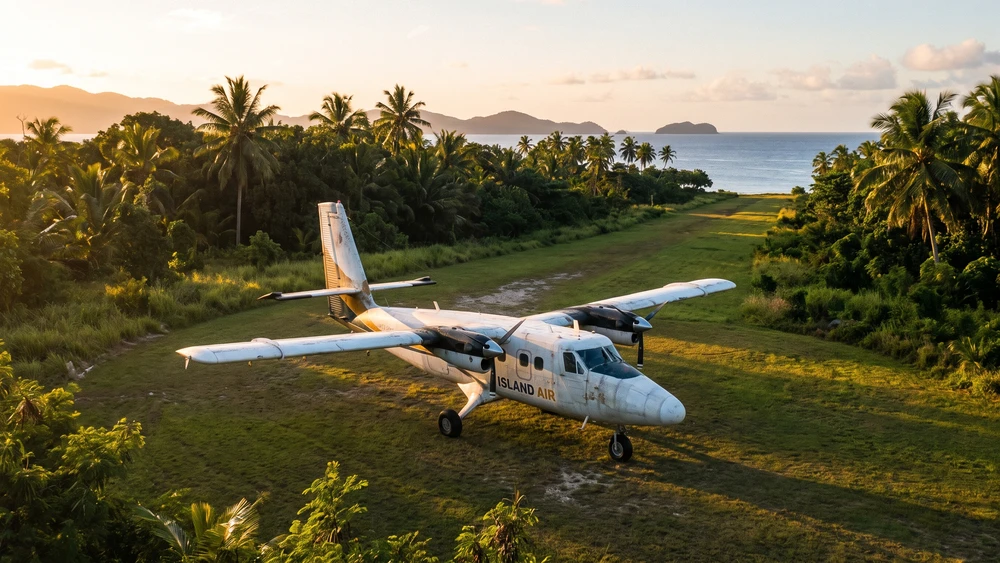
Air travel in this region operates on highly specific, multi-stop loops departing from Perth. QantasLink runs two flights a week, on Mondays and Fridays, having taken over the route from Virgin Australia in late 2025 under a government partnership. The routing differs between the two days: the Monday service continues to stop at Christmas Island on its way through, while as of May 1, 2026, the Friday service dropped its old Port Hedland stop entirely, cutting the flight time by more than two hours to just over four hours direct. A monthly Saturday service also runs to Christmas Island for travelers who can't fit the standard weekday schedule.
Missing your connection or misreading which day serves which stopover pattern means waiting several days for the next scheduled service. Booking a standard return ticket limits you to just one territory, which misses the proximity advantage entirely.
The 14-Day Two-Island Itinerary
Maximizing the trip requires selecting a multi-city booking engine option rather than two separate one-way tickets. A proven path involves flying from Perth to Christmas Island on a Tuesday, spending seven nights exploring the rainforests, and then taking the ninety-minute flight to Cocos the following week.
After a week of lagoon relaxation and kitesurfing, the final flight returns you directly to Perth.
Costs and Accommodation Options
Isolation comes with a premium price tag on both territories. Everything from fresh produce to fuel must be imported from the mainland, and that cost shows up clearly in restaurant menus and grocery stores. Because these prices shift with freight costs and season, check current rates directly with individual operators before you book.
Christmas Island features a mix of self-contained units, generic motels, and ultra-exclusive eco-lodges perched on coastal cliffs. Early booking is non-negotiable due to limited room numbers, especially around the peak crab migration months.
Cocos offers charming beachfront cottages and basic motels concentrated on West Island. Camping is permitted but requires a pre-approved permit for stays extending past seven days.
The Final Verdict: Which Island Is Right for You?
Your decision comes down to the exact type of environment you want to conquer.
Choose Christmas Island if you crave raw adventure, spectacular wildlife encounters, hiking through ancient rainforests, and deep wall diving. The terrain demands energy, a rugged four-wheel drive, and a desire to explore untamed landscapes.
Choose the Cocos (Keeling) Islands if your ideal escape involves coconut palms, flat terrain, uncrowded beaches, and world-class kitesurfing. It delivers the ultimate laid-back tropical atoll experience where shoes are entirely optional and the water is always waist-deep.