Exploring the Cayman Islands beyond the resorts of Seven Mile Beach means stepping into sharp limestone terrain, dense old-growth forests, and dramatic coastal bluffs. From the flat mangrove wetlands of the Mastic Reserve on Grand Cayman to the 140-foot limestone cliffs of Cayman Brac, these trails reward early starters with wildlife encounters and raw Caribbean scenery that no beach chair can match.
Grand Cayman: Trekking the Historic Mastic Trail
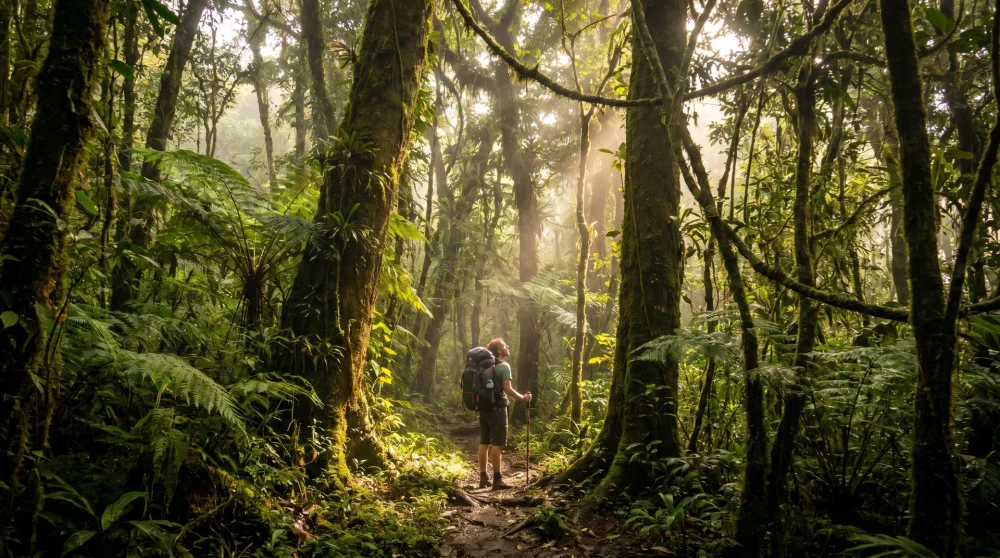
The Mastic Reserve protects the largest contiguous area of untouched old-growth forest on the island. This 2.3-mile stretch takes you on a journey back in time, deep into a woodland that has evolved undisturbed for two million years. The trail gets its name from the rare Mastic tree, and the environment feels completely isolated from the standard tourist resorts.
How to Get to the Mastic Reserve
The reserve sits in the rugged interior of central Grand Cayman. The southern trailhead begins near Frank Sound Road. Reaching the starting point is straightforward with a rental car, as public transport options to this specific area are highly limited. There is a small parking area at the trailhead.
Trail Conditions and What to Expect
The path is mostly flat but becomes quite rugged and uneven in several sections. A traditional causeway built from mahogany logs and beach rocks helps you cross a deep mangrove wetland at the southern end. The air is thick under the canopy, and the vegetation is exceptionally dense. Wearing proper hiking shoes is non-negotiable here, as the crushed rock and roots easily twist exposed ankles. Keep in mind that dogs are strictly prohibited on the trail to protect the local fauna.
Guided Tours and Self-Guided Options
The National Trust for the Cayman Islands runs guided tours of the Mastic Trail, typically lasting around 3.5 hours. As of 2026, guided tour rates are CI$52 (approximately US$65.50) per adult and CI$30 (approximately US$37.50) per child. Tours are limited to 15 hikers and run on scheduled days - contact the National Trust at tours@nationaltrust.org.ky or call 749-1132 to reserve a spot. A self-guided walking map is available from the National Trust headquarters on South Church Street (Monday to Friday, 9am to 5pm) for CI$5.
Spotting the Cayman Parrot and Blue Iguana
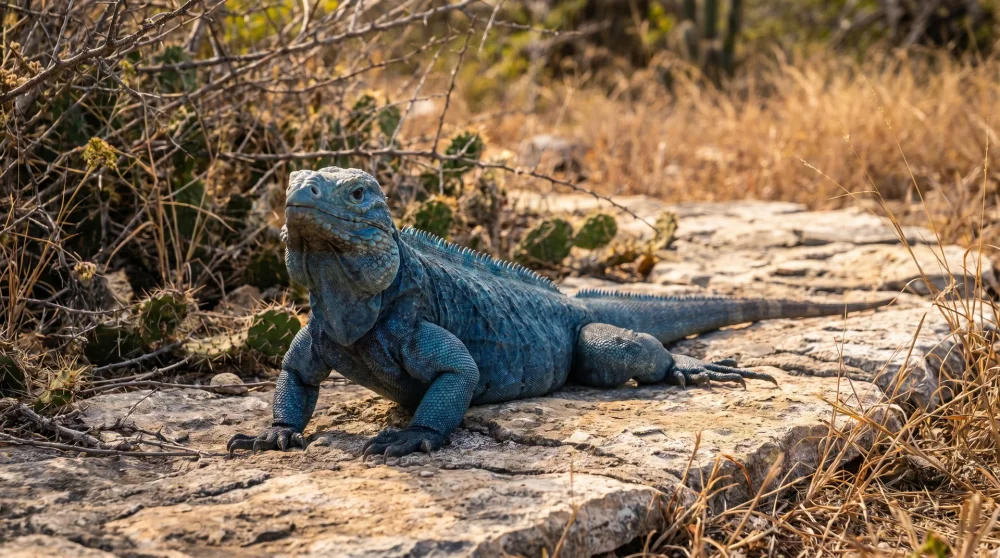
Walking quietly increases your chances of spotting the national bird, the Cayman parrot, in the canopy. The underbrush hides large hermit crabs, tree frogs, and the elusive Caribbean dove. If you visit in early summer, the Wild Banana Orchid blooms brightly along the path. For a guaranteed sighting of the endangered blue iguana, the nearby Colliers Wilderness Reserve serves as a dedicated sanctuary.
Cayman Brac: Scaling the Limestone Bluffs
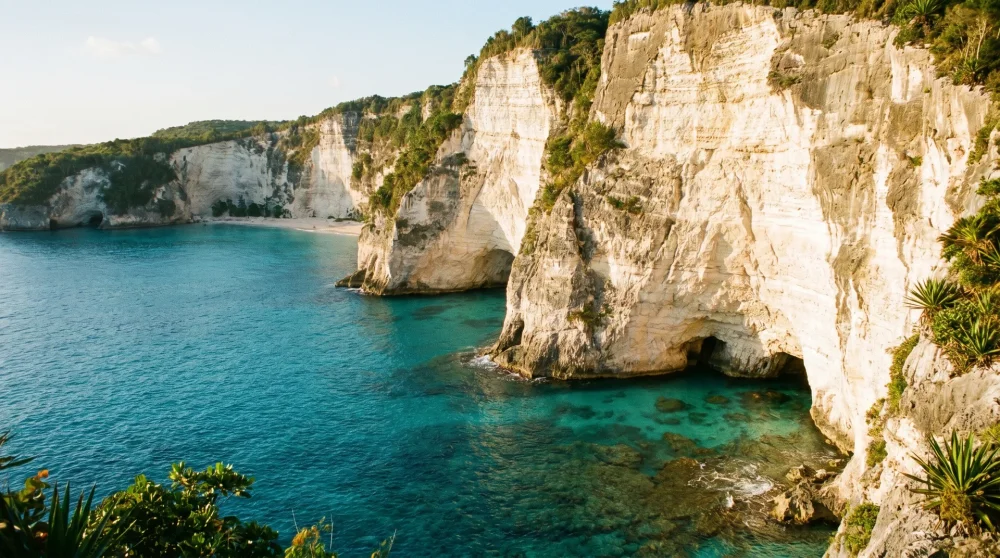
The highest elevation across the Cayman Islands is found here, where a massive limestone cliff hugs the eastern coastline. The word Brac actually translates to bluff in Gaelic. The landscape shifts from dense greenery to dramatic, calcium-rich rock formations rising 140 feet above the ocean.
The Lighthouse Footpath
This 2.5-mile hike runs directly over the coastal bluffs along the South Side East Road toward the lighthouse complex. The elevation provides spectacular, unobstructed sea views. The path is rough and jagged, demanding constant attention to your foot placement. You share the sky with brown boobies and frigate birds gliding on the ocean thermals. The route eventually leads to the lighthouse, marking the tallest spot in the entire territory. Plan for about two hours and bring plenty of water - go in the morning or late afternoon to avoid peak heat.
Rock Climbing Options for Beginners
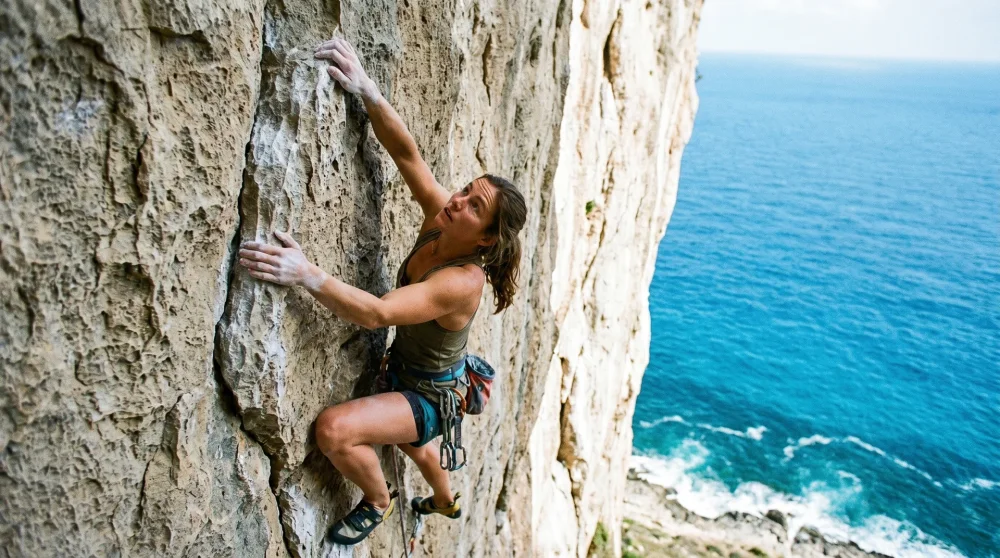
If hiking feels too passive, the rugged limestone outcrops offer prime conditions for rock climbing. Local outfitters provide harnesses, ropes, and belays for all skill levels. Ascending these textured walls with the alluring azure water directly below creates a massive adrenaline rush. The textured coral rock provides excellent grip, making it accessible even for relatively inexperienced climbers.
Little Cayman: Salt Rock Nature Trail
Little Cayman remains the quietest of the three sisters, and its trails reflect that deep tranquility. The Salt Rock Nature Trail is a three-mile path connecting Blossom Village to the historic Salt Rock Dock. The path is mostly flat and incredibly peaceful. Iguanas sunbathe openly on the trail, while butterflies and vibrant bromeliads add bursts of color to the green surroundings. You easily lose track of time wandering through this vibrant slice of Caribbean ecosystem.
Essential Hiking Gear for the Caribbean Climate
The weather stays hot year-round, with high humidity levels testing your endurance. Short, localized rain showers happen frequently, turning dry dirt into slick mud in minutes.
- Footwear: Leave the flip-flops in your hotel room. The spiky ironshore terrain shreds thin soles instantly.
- Sun Protection: A wide-brimmed hat and reef-safe sunscreen are critical, even under the forest canopy.
- Hydration: Carry twice the amount of water you think you need. There are no refill stations deep in the reserves.
- Bug Spray: Mosquitoes thrive in the mangrove wetlands, especially after a quick rain shower.
Are Guided Hiking Tours Worth It?
Exploring independently is completely viable, but booking an expert guide transforms the experience from a simple walk into an educational deep dive. Organizations like the National Trust run guided excursions, usually lasting around 3.5 hours. A local expert spots camouflaged wildlife you would definitely miss and explains the medicinal history of the native flora. If your schedule allows, a guided trek offers the highest value for understanding the island's raw ecology.
You can Book a guided tour directly through GetYourGuide to compare options and read reviews before committing.