Arriving at the park during peak afternoon hours guarantees a sweltering walk with aggressive mosquitoes and sluggish wildlife. Planning the visit for the early morning or after 3:00 PM transforms the experience into a peaceful stroll alongside active reptiles and vibrant tropical blooms.
- Adult Admission: USD $25 (2026)
- Child Admission (3-12): USD $12.50 | Children under 3 free
- Hours: 9:00 AM to 5:30 PM, last entry at 4:30 PM
- Duration: 2 to 3 hours for the full loop
- Terrain: Flat gravel paths, challenging for small-wheeled strollers or wheelchairs
- Facilities: Restrooms, water refill station, and a gift shop near the entrance
Navigating the Ticketing and Tour Options
General admission grants access to all the main garden trails and the children's area. The Blue Iguana conservation facility requires careful timing, as the area sometimes closes early for animal care. Guided tours, available on Tuesdays and Thursdays at 2:00 PM, provide access to restricted breeding areas and deepen the understanding of these endangered creatures. You can also Book your visit through GetYourGuide to check tour availability alongside other Grand Cayman attractions.
Purchase general admission wristbands directly at the kiosk. Local residents and work permit holders receive discounted rates upon request.
Top Things to See Inside the Park
The Blue Iguana Habitat
The conservation facility sits tucked away along the main woodland path. The heavy wooden gate often appears locked to deter casual wandering, but pulling up the latch grants immediate access. Individual enclosures house the massive reptiles, each carefully designed for rehabilitation and breeding.
Keep an eye on the open gravel paths outside the enclosures. Many iguanas roam entirely free across the park grounds. Give them plenty of space and avoid sudden movements while taking photographs.
Orchid Boardwalk and Woodland Trail
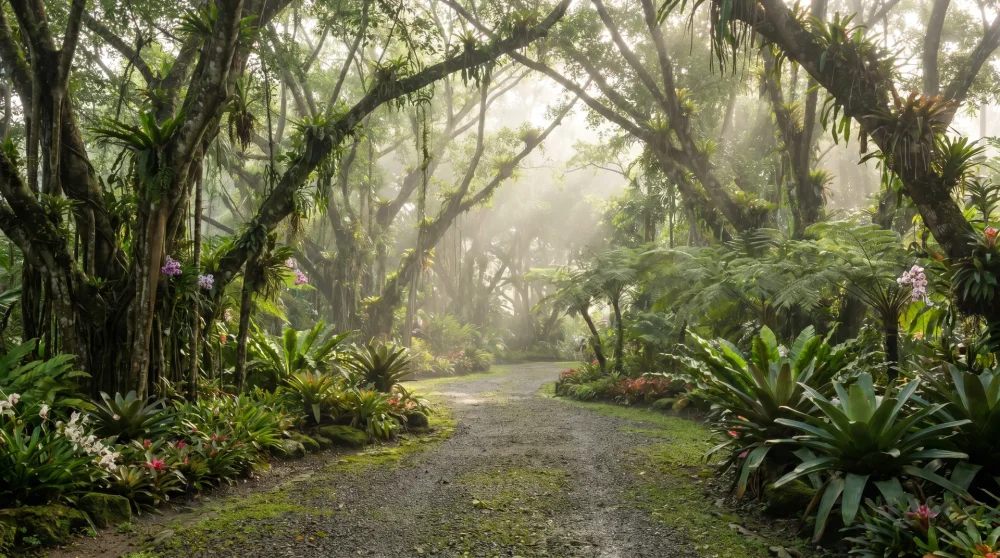
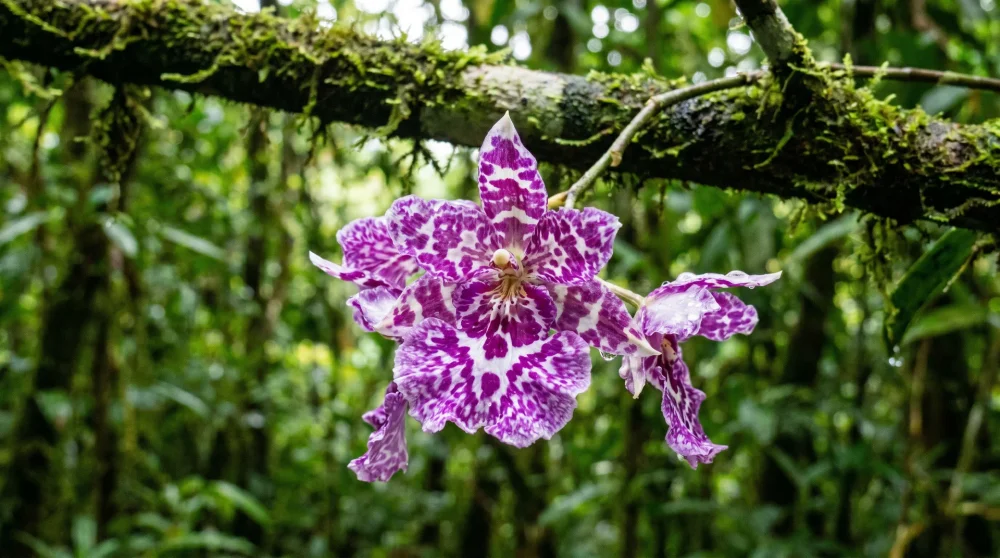
The wooden boardwalk winds over swampy terrain through incredibly dense foliage. Finding the blooming flowers requires a sharp eye, especially outside the peak spring season. Look closely at the wooden handrails, where thoughtful volunteers leave small chalk marks pointing directly toward hidden blooms in the canopy.
The Woodland Trail offers a deeper dive into the raw nature of the island. The air feels heavy, the shade surprisingly deep. Native parrots frequently fly overhead, breaking the deep silence of the forest.
The Children's Garden
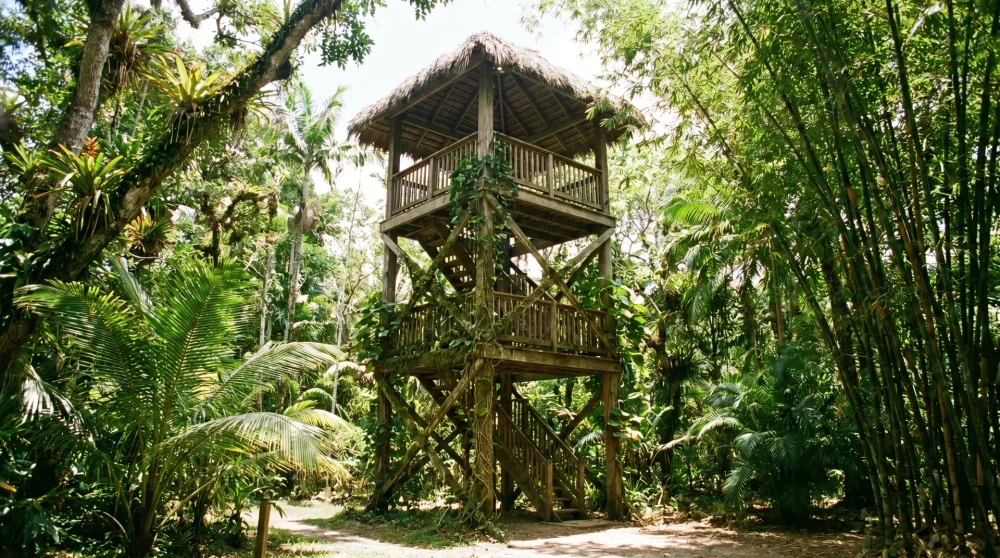
This interactive section stands out as an architectural highlight. A massive three-story observation tower dominates the space, complete with swinging basket chairs at the top. The elevation provides a much-needed cool breeze above the stifling tree canopy.
The lower level features a splash pad and a sprawling maze. Iguanas frequently wander into the maze to feed on the low-hanging vegetation.
Heritage House and Sand Garden
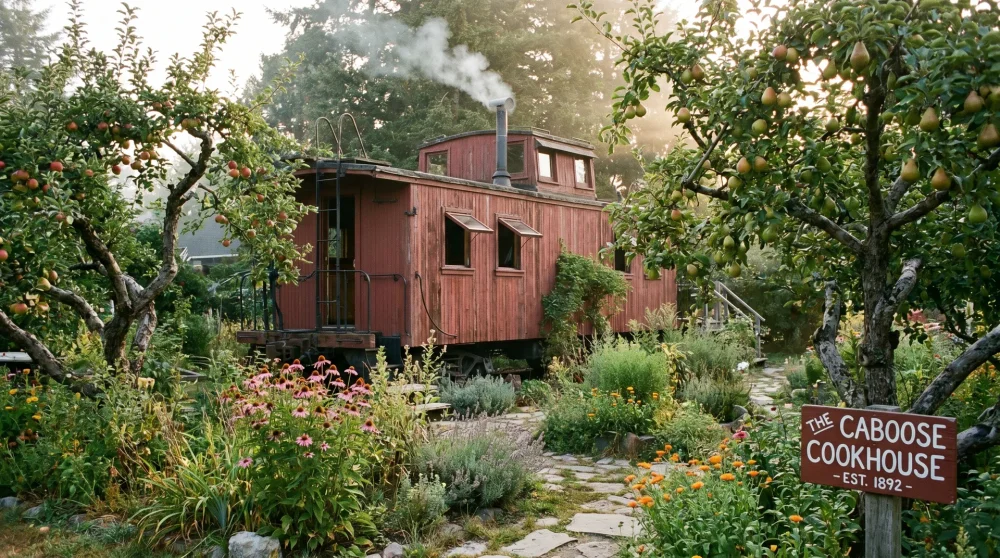
Traditional island life comes alive in this meticulously restored homestead setup. The garden features functional medicinal plants alongside mature fruit trees like mango, mamey, and fig. The cooking caboose showcases the survival skills of the early settlers.
How to Get to the Botanic Park from George Town
The drive from the main tourist hubs takes roughly 30 minutes heading east on Frank Sound Road. The route pulls you away from the coastal winds and deep into the island's interior. Plentiful free parking waits right outside the visitor center.
Renting a car or hiring a direct taxi ensures you control your schedule and escape the afternoon heat exactly when needed. Public transport does not serve this location reliably.
Essential Tips for a Comfortable Visit
The lush environment demands respect and proper preparation.
Mosquito Defense: The dense tree canopy completely blocks the coastal wind, creating a perfect breeding ground for insects. Strong insect repellent, long sleeves, and closed-toe shoes are absolute necessities.
Fire Ant Hazards: Stay strictly on the marked gravel paths at all times. Stepping onto the grassy edges often leads straight into hidden, highly aggressive fire ant nests.
Hydration Strategy: The humidity deep inside the color gardens quickly drains your energy. Bring a large, refillable water jug, as purchasing small bottles at the gift shop interrupts the flow of the walk.
If you enjoy unique natural attractions with wildlife encounters, Houston Museum of Natural Science offers a different kind of natural history experience worth knowing about. For coastal nature on a very different scale, Glass Beach in Fort Bragg shows how geology creates unexpected attractions.