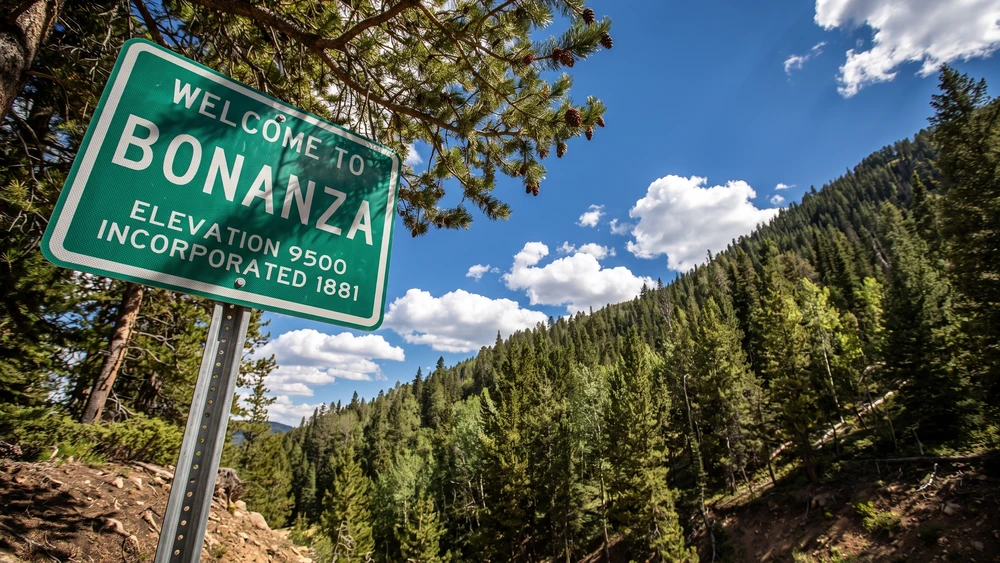
Driving into the high-altitude isolation of Saguache County without knowing the road conditions means turning back before you even spot the first crumbling cabin. At 9,478 feet, the remains of Bonanza demand respect, a sturdy vehicle, and a clear understanding of its volatile mountain weather.
- Elevation: 9,478 feet (2,889 m)
- Founded: 1880
- Current population: 1 full-time resident
- Road condition: Unpaved, high clearance required (County Road 66)
- Amenities: None. Zero cell service, fuel, or supplies.
The 1880 Silver Strike and the Birth of Bonanza
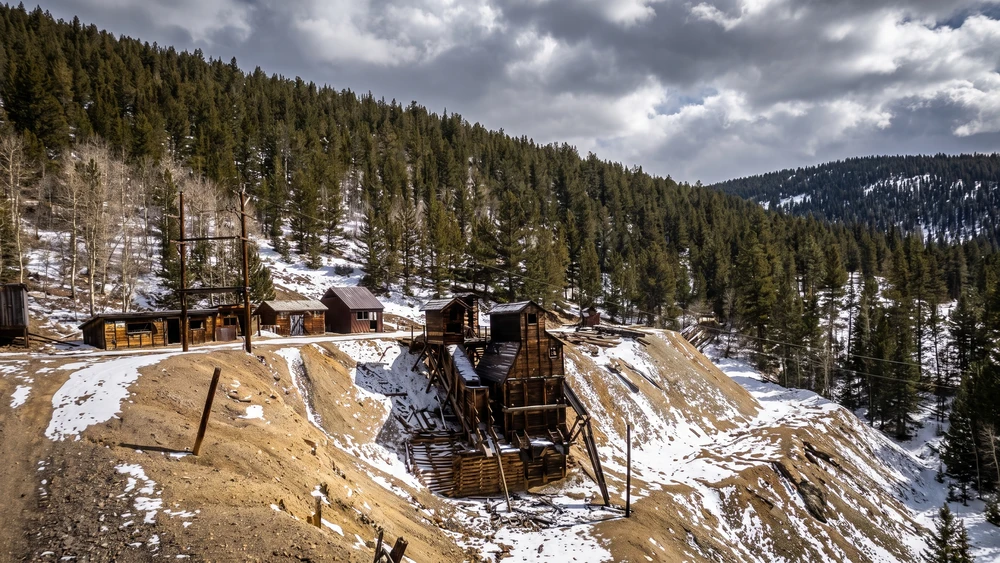
Prospectors swarmed the valley in 1880 after uncovering massive, pure silver veins. Tents popped up overnight, rapidly replaced by wooden saloons, dance halls, and dense boarding houses. At its peak, nearly 3,000 miners, gamblers, and opportunists crowded this narrow gulch. The ground shook with the constant thud of heavy stamp mills crushing ore, and within months a quiet mountain pass had turned into a chaotic industrial hub.
A Brief Rivalry with Leadville
Whispers of the "next Leadville" echoed heavily through the Rockies. Bonanza had the raw ore, the aggressive investors, and the wild energy to match its infamous northern neighbor. But the geography fought back.
Leadville secured vital railroad connections, while Bonanza remained brutally isolated, strangled by punishing winters and steep, unforgiving terrain. The silver kept flowing, but the brutal logistics made every single ounce painfully expensive to transport down the mountain.
The Fall: Population Collapse and the 1937 Fire
The silver panic of 1893 drained the town's financial lifeblood. Mines shuttered overnight. Families packed up, leaving their homes entirely to the harsh mountain elements. By the 1920s, only a stubborn handful remained in the fading valley.
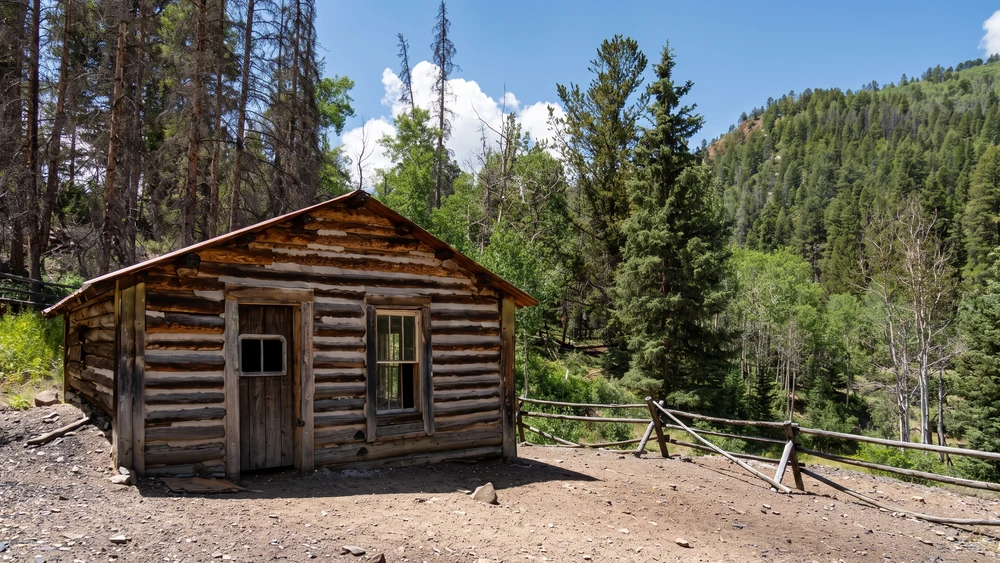
Then came 1937. A devastating fire swept through the dry wooden remnants of the commercial district, erasing over 30 historic buildings in a matter of hours. The flames swallowed the post office, the remaining saloons, and the structural heart of the original settlement. Today, only scattered residential cabins, collapsed roofs, and skeletal mining structures remain amid the silence.
Bonanza's collapse mirrors other American mining towns undone by fire and economic panic. Pennsylvania's Centralia, PA, gutted by a still-burning underground coal fire, and Michigan's Ahmeek, scarred by violent labor unrest in its copper mines, share a similar arc from boomtown chaos to abandonment.
Meeting the Last Resident of Bonanza, Colorado
Walking through the silent dirt streets feels eerie, but the town still has a faint pulse. Mark Perkovich holds the title of the sole year-round resident. He maintains the rugged roads, keeps an eye on the historic structures, and endures brutal winters that bury the valley in several feet of snow. Spotting him chopping wood or clearing debris reminds you that this isn't just an open-air museum.
It's still someone's backyard, and it deserves the same respect as any. Respecting "No Trespassing" signs and keeping a strict distance from occupied cabins keeps the peace intact.
The math puts Bonanza in rare company. Lost Springs, Wyoming, often cited as the smallest incorporated town in the country, has counted its own population in the single digits for years, the same lonely math that now defines Bonanza.
How to Get to Bonanza from Villa Grove
GPS navigation routinely fails in Saguache County, often leading drivers into impassable, dead-end jeep trails. The only reliable route starts directly at Villa Grove on US Highway 285. Turn west onto County Road LL56, which eventually transitions into County Road 66.
The 15-mile dirt drive takes about 45 minutes. The first stretch remains relatively flat and graded, but the final five miles climb steeply into the canyon. Sharp rocks, deep ruts, and narrow washouts require high clearance.
A standard sedan will likely sustain severe undercarriage damage. Pack a full spare tire, extra tools, and a physical paper map.
Best Time to Visit (Dealing with High Altitude)
Deep snow blocks the canyon from late October through late May, turning the narrow road into a treacherous trap. Plan your drive strictly between late June and September. Even in mid-July, aggressive afternoon thunderstorms roll over the peaks without warning, dropping temperatures rapidly.
The air sits remarkably thin at nearly 10,000 feet. Hydrate heavily before you leave the main highway, and bring extra water in the car. Headaches and sudden shortness of breath hit fast if you rush your walk among the ruins. Pace yourself, stick to the main dirt paths, and leave well before dusk to avoid navigating the canyon in pitch darkness.