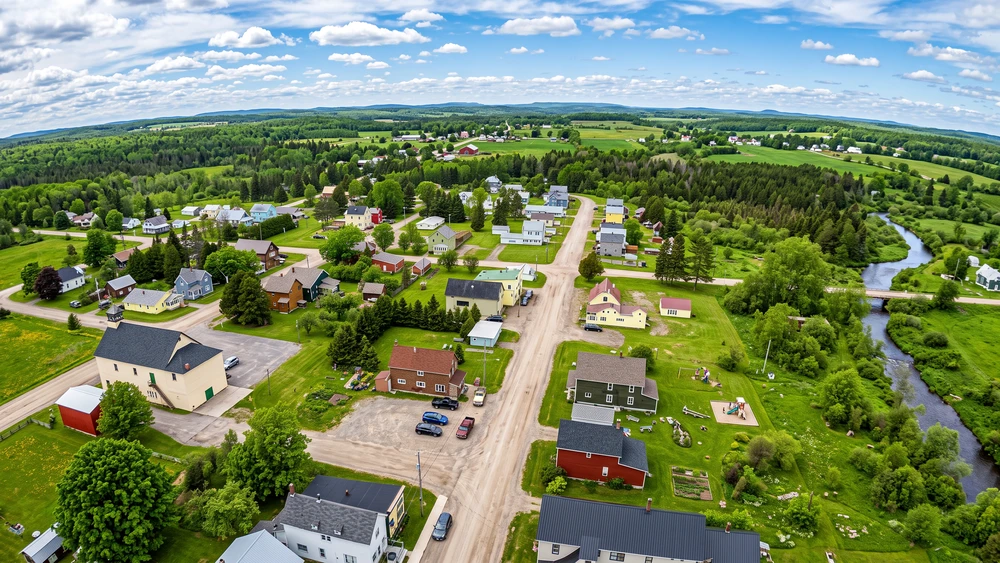
Most travelers blow right past this 0.07-square-mile grid on their way to the tip of the Keweenaw Peninsula, missing the fact that these intensely quiet streets once hosted dynamite explosions and armed militia standoffs. Understanding the real Michigan Copper Country requires looking beyond the scenic overlooks and stepping directly into the gritty, violent labor history of Ahmeek.
- Location: Keweenaw County, Michigan (Upper Peninsula), just off US-41.
- Current Population: Approximately 130 residents.
- Size: Michigan's smallest village by land area (45.52 acres).
- Historical Significance: A central hotspot during the bloody 1913-1914 Copper Country Strike.
- Time Needed: 1 to 2 hours for exploring the mine structures and village grid.
- Facilities: Gabriel J. Chopp Park (restrooms, pavilions, parking).
The Rise of Ahmeek: From Beaver Territory to Boomtown
Long before the copper barons arrived, this land belonged to nature. The name itself stems from the Ojibwe word "amik," meaning beaver, referring to the massive beaver populations that once engineered the local waterways.
The village took its modern shape in 1904 under the direction of Joseph Bosch, the same man behind the regional Bosch Brewing Company. Driven by the relentless expansion of the Ahmeek Mining Company, the town sprouted seemingly overnight. Modest wooden homes filled the tight grid. By 1920, the population surged to nearly 900 residents, making it a bustling hub for European immigrants, especially Cornish, Croatian, and Italian miners looking for steady wages deep underground.
Ahmeek holds a unique jurisdictional status. Despite its tiny footprint, it remains the only incorporated municipality in all of Keweenaw County.
The Copper Country Strike of 1913: When Ahmeek Turned Violent
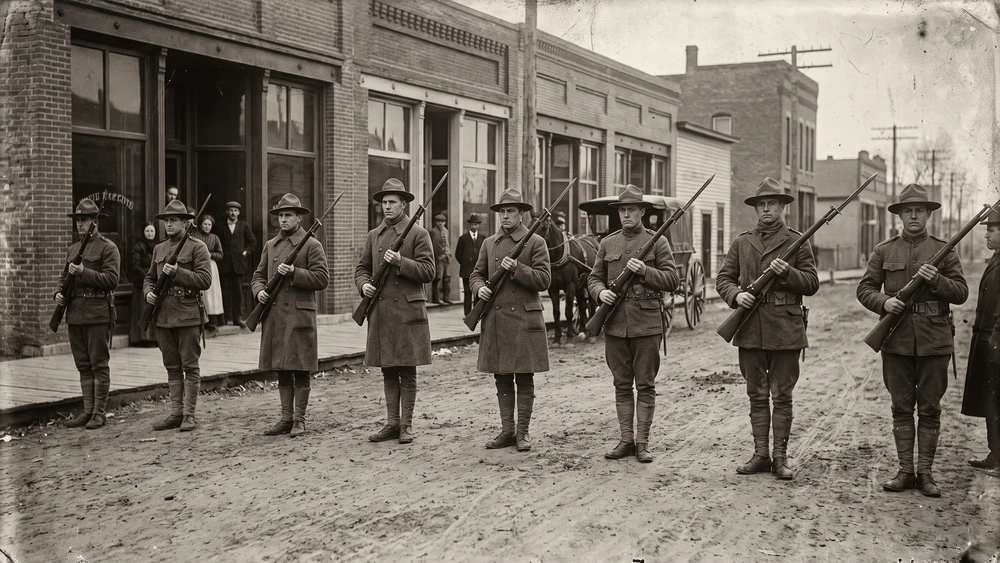
Industrial wealth rarely comes without a human cost. The breaking point arrived on July 23, 1913. Approximately 9,000 copper miners across the Keweenaw Peninsula walked off the job, demanding a shorter workday, better pay, and crucial safety reforms. Organized by the Western Federation of Miners, the strike quickly descended into chaos.
Ahmeek transformed from a busy company town into a localized warzone. For months, the streets witnessed brutal clashes. Stoning, targeted beatings, and gunfights became the new normal. Management hired private detectives and strikebreakers, leading to retaliatory dynamiting of mining infrastructure by desperate workers.
Militia Intervention and the Shadow of Calumet
The escalating bloodshed forced the state's hand. Police and the state militia arrived to break the tension, patrolling the small village's streets to keep the rival factions apart.
Just three miles south in Calumet, this intense regional animosity culminated in the infamous Christmas Eve 1913 Italian Hall Disaster. Seventy-three people, mostly children of striking miners, were crushed to death in a panic after an unknown instigator falsely shouted "fire" inside a crowded party. That tragedy broke the spirit of the strike, and by early 1914, the miners returned to work on the companies' terms. The dark legacy of that winter forever scarred Ahmeek and its neighboring towns.
What Remains Today: Exploring the Ahmeek Ruins
Today, the atmosphere is heavy with silence. Empty streets. Modest, weather-beaten homes fighting off the harsh Upper Peninsula winters.
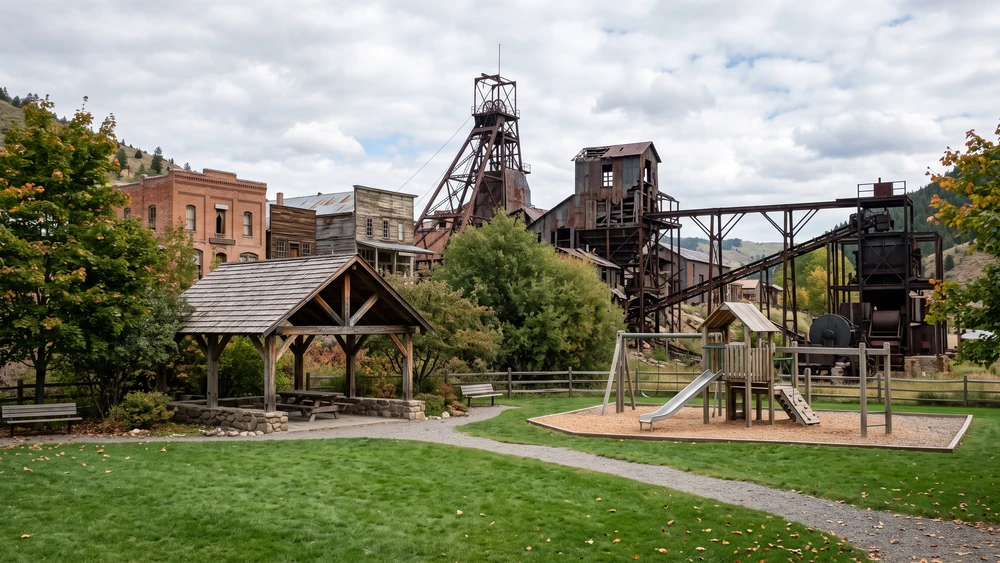
Instead of a polished commercial district, you find raw, unfiltered industrial history. Massive "poor rock" piles (heaps of low-grade copper ore discarded by the mines) loom on the edges of town. Rusting remnants and concrete foundations of the old Ahmeek Mining Company still mark the landscape, offering sharp visual evidence of the massive operations that once ran around the clock. Mining here continued sporadically until the mid-1960s, slowly bleeding the town of its population as the veins ran dry.
The true center of the modern community is Gabriel J. Chopp Park, named after the town's longest-serving postmaster. Maintained fiercely by the local volunteer fire department, this two-acre green space features historic pavilions, a playground, and quiet spots to sit. It acts as a stark, peaceful contrast to the dynamite-shattered days of 1913.
How to Get to Ahmeek
Reaching the village requires a straightforward drive up the Keweenaw Peninsula. The grid layout makes navigation effortless once you arrive.
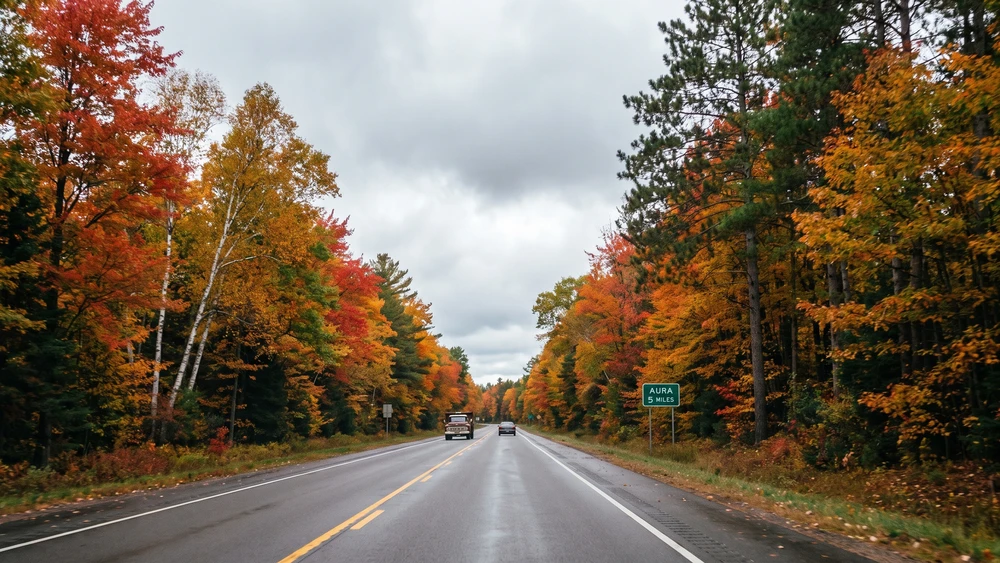
- Take US-41 North from the Houghton/Hancock lift bridge.
- Pass through the historic village of Calumet.
- Continue north for exactly three miles; Ahmeek sits right on the highway route before you reach the deeper wilderness of the peninsula.
- Park near Gabriel J. Chopp Park to explore the village safely on foot.
Nearby Keweenaw Peninsula Attractions
A trip to Ahmeek pairs perfectly with other historical sites that piece together the rise and fall of the copper empire.
- Keweenaw National Historical Park: Headquartered just down the road in Calumet, this non-traditional national park preserves the overarching history of the mining boom, including detailed exhibits on the 1913 strike.
- Central Mine: Located five miles northeast of Phoenix, this is another well-preserved ghost town site. Once home to 1,200 people, the Central Mine site now features restored homes and a visitor center detailing the brutal winter conditions miners faced in the 1800s.
- Italian Hall Memorial: Stop in Calumet to see the remaining archway of the Italian Hall, serving as a permanent memorial to the victims of the 1913 Christmas Eve tragedy.