Jamaica has produced music that changed the world, and the story behind that music is written across two very different landscapes: the gritty urban yards of Kingston where it was born, and the misty mountain village in St. Ann where its creator came from.
Tracing Bob Marley's journey means moving between these two poles - from the recording studios and museum halls of the capital to the sacred rural ground of Nine Mile, where he rests. Both sites reward visitors differently, and understanding what to expect at each makes the difference between a tourist tick-box and a genuinely moving experience.
Bob Marley Museum, Kingston
The Bob Marley Museum at 56 Hope Road sits in the uptown Kingston neighbourhood of New Kingston, a 19th-century colonial great house that Marley purchased in 1975 and transformed into the headquarters of Tuff Gong Records. Walking through the property today, it is possible to feel the layers of history compressed into each room. The bullet holes still visible in the walls of the main house are from the December 1976 assassination attempt - a visceral reminder of how dangerous the political climate was even for the man preaching unity and peace.
Guided tours run Monday through Saturday, starting at 10:00 AM with the last tour at 4:00 PM. Each session lasts approximately 90 minutes and covers the main house, the original recording studio, Marley's bedroom, the exhibition hall with its remarkable collection of stage costumes and memorabilia, and the on-site 80-seat theatre where a short documentary provides important context. The One Love Cafe on the grounds serves Jamaican patties, fresh juices, and vegan banana bread - Marley's own dietary preferences influenced the menu.
Admission: USD $25 for adults, USD $12 for children (ages 4-12), free for children 3 and under. The Combo One Love Tour, which adds the Tuff Gong Studio experience, is priced separately. Booking in advance is strongly recommended, particularly during the November-to-April peak season when morning slots fill quickly. Walk-ins are sometimes possible but risk waiting between scheduled departures.
Getting there: The museum is not easily walkable from most Kingston hotels. Taxis and ride-shares are the standard option. For a wider look at transport across the island, see the getting around Jamaica guide. Driving yourself is feasible if you are comfortable navigating Kingston's traffic, but note that parking is limited. The museum is closed on Sundays and major public holidays.
Crowd management: The rooms inside the main house are small. Groups of 15 or more tend to create congestion, especially in the recording studio corridor. Visiting on a Tuesday or Wednesday morning generally offers a less crowded experience. Tipping your guide is customary and appreciated - JMD 500 to JMD 1,000 (roughly USD $3-$7) per person is the informal standard.
Trench Town: The Roots of Reggae
Before Hope Road, before Tuff Gong, there was Trench Town. This government housing community in West Kingston is where Marley, Peter Tosh, and Bunny Wailer came of age in the 1950s and 1960s, forging the sound that became reggae in the communal yards and practice corners of a neighbourhood defined by poverty and creativity in equal measure.
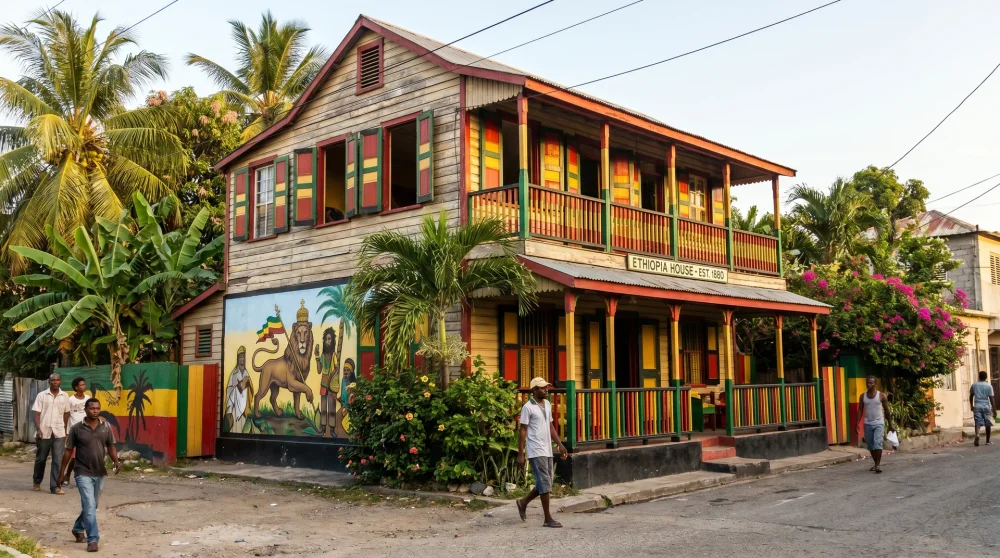
The Trench Town Culture Yard at 6-8 Lower First Street preserves the original government yard - the specific yard referenced in "No Woman, No Cry" - and displays instruments, furniture, and personal items from the Wailers' early years. Hours run approximately 6:00 AM to 6:00 PM daily. This is not a polished museum experience; it is a living community site where the guides are locals who grew up in the same tradition. That rawness is precisely the point.
A word on logistics: Trench Town is a neighbourhood that requires a degree of awareness. Independent visits are possible but arriving with a reputable local guide or as part of an organized Kingston heritage tour is the more comfortable approach for first-time visitors. The Culture Yard staff can often arrange informal community escorts. Photography should always be done with permission from residents.
Nine Mile: The Birthplace and Mausoleum
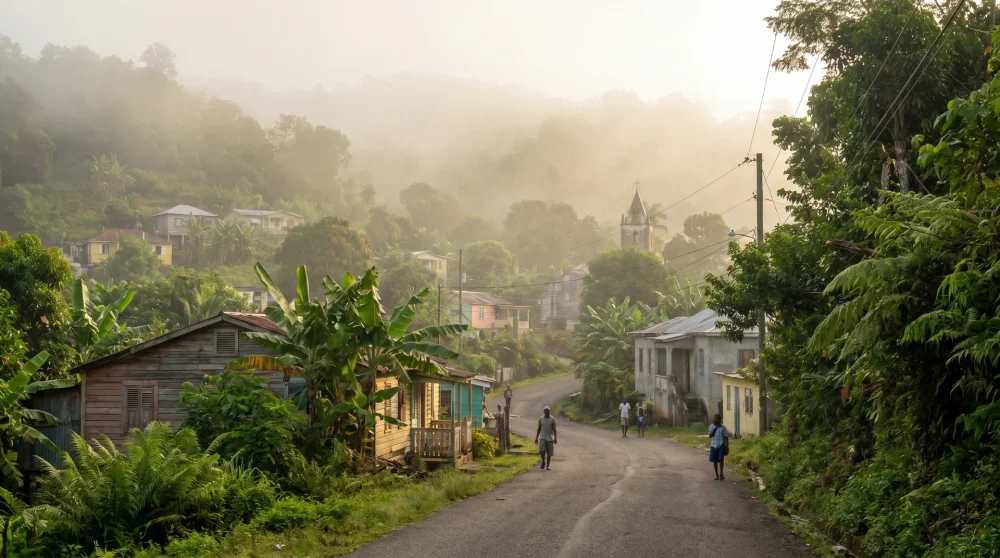
The drive from the coast to Nine Mile in St. Ann parish is itself part of the experience. From Ocho Rios, expect roughly 1.5 to 2 hours of winding mountain roads through communities like Brown's Town. From Montego Bay, the journey stretches to over two hours. From Negril, a full-day commitment is realistic - around eight to ten hours round-trip including the tour itself. Independent drivers should note that the final approach roads are steep and narrow; hiring a private driver or booking through an organized tour operator removes the logistical pressure considerably.
Nine Mile is open seven days a week, 365 days a year. Tours begin at 9:00 AM, with the last tour starting at 4:30 PM.
Admission at the gate: USD $35 for adults, USD $15 for children ages 6-11, free for children 5 and under. If you book through a tour operator that includes ground transportation from your hotel, the entrance fee is typically bundled into the overall package price, which ranges from USD $90 to USD $225 per person depending on departure point and operator.
What the Nine Mile Tour Covers
The guided experience, led by local Rastafarian guides, runs approximately 80 to 90 minutes. You walk through the two-room house where Marley was born and spent his early childhood alongside his mother Cedella and his grandfather Omeriah Malcolm. Original artifacts, family photographs, and personal items fill the modest rooms, creating an intimacy that no polished museum can replicate.
Mt. Zion Rock is the spiritual centrepiece of the property - a large coloured stone where Marley is said to have meditated daily and found inspiration for songs including "Talking Blues" and "Is This Love." The guides bring this space alive with acoustic performances and storytelling that shifts the visit from historical to participatory.
The tour concludes at the marble mausoleum where Marley rests alongside his mother Cedella Booker and his half-brother. This is a place of genuine reverence. Shoes must be removed before entering the tomb area. Photography is strictly prohibited inside the mausoleum and inside the childhood home itself; cameras are welcome in the outdoor areas and gardens. The no-camera rule in these spaces is firmly enforced and has the effect of making the experience feel more present and less performative.
Managing the Nine Mile Experience
Large tour groups from cruise ships can temporarily overwhelm the small spaces of the property. If your schedule allows flexibility, mid-week visits and early morning arrivals tend to avoid the densest crowd windows. The on-site restaurant and bar serves traditional Jamaican food and cold drinks - a welcome stop after the mountain journey.
Tipping your guide is standard practice and forms a significant part of their income. USD $5 to $10 per person is the typical range, though generosity beyond that is always welcome given the quality of the storytelling.
Combining Both Sites in One Trip
Visiting both the Kingston museum and Nine Mile on a single day is technically possible but physically demanding. The drive between Kingston and St. Ann takes roughly three hours one-way, meaning a combined itinerary requires an extremely early start - 6:00 AM departure from Kingston at the latest. Most visitors who want to do both sites properly allocate separate days: Kingston one day, Nine Mile on another from a base in Ocho Rios or Falmouth.
A practical sequence for visitors based in Montego Bay or Ocho Rios: begin with Nine Mile early in the morning when the mountain air is coolest and crowds are thinnest, then make your way down the coast to Kingston the following day. If you are based in Kingston, the reverse order makes geographic sense.
Practical Considerations for Both Sites
Neither the Kingston museum nor the Nine Mile property is fully wheelchair accessible. The main house in Kingston involves stairs, and Nine Mile's rural terrain includes uneven paths and inclines. Visitors with mobility considerations should contact each site directly to discuss what portions of the tour can be accommodated.
Small denominations of US dollars or Jamaican dollars are useful at both sites for the cafe, the gift shop, and guide tips. ATMs are available in Kingston but are not close to Nine Mile; withdraw cash before heading into the mountains.
What to wear: Lightweight, breathable clothing suits the Jamaican climate at both sites. At Nine Mile, you will remove your shoes for the mausoleum entry, so slip-on footwear is more convenient than lace-up boots. At the Kingston museum, the indoor portions are air-conditioned, so a light layer is occasionally welcome.
The Bob Marley Museum and Nine Mile are not interchangeable experiences. Kingston shows you the international superstar, the political figure, the recording artist. Nine Mile shows you the man before all of that - where he came from, what shaped him, and where he chose to return. Both are worth the journey.