Getting sandblasted by the notorious Overberg wind or caught in a hidden rip current easily ruins a perfectly good coastal day trip. Knowing exactly which stretch of sand along the R44 matches your plans, whether you need a safe lagoon for kids or a hidden cove to escape the South Easter, saves you from a miserable afternoon.
- Entry Fees: Completely free across all public access points.
- Lifeguards: Stationed only at Kleinmond Blue Flag Beach during the December-January summer peak.
- Wind Factor: The South Easter typically picks up after 2 PM; mornings offer the calmest conditions.
- Dog Rules: Leashed dogs are welcome on Silver Sands and at Jock's Bay, with restrictions only near the protected penguin colony at Stony Point.
Why You Need to Choose Your Beach Carefully on the R44
Driving the R44 coastal route beneath the Kogelberg Nature Reserve offers stunning views, but the shoreline here is wild and unforgiving. The Cape Doctor, the aggressive south-easterly wind, dominates this stretch during summer months. Randomly picking a spot often leaves you exposed to harsh elements or dangerous swimming conditions. You need to match the specific topography of each cove and stretch of sand to your actual activity.
Jock's Bay: Best for Solitude and Scenic Seclusion
Tucked away just down the road from the Harold Porter Botanical Garden, this small, sheltered cove remains mostly off the radar. High rocky outcrops block the worst of the coastal winds, creating a quiet pocket of calm.
Is it Safe for Swimming?
Not really. Dense kelp forests and hidden rocks make the water tricky to navigate. You come here to read a book on the sand, explore the tidal pools at low tide, or enjoy absolute silence away from the summer crowds. It's also a solid fishing spot, leashed dogs are welcome on the sand, and a lucky visitor might spot a Cape clawless otter working the rocks at the water's edge.

Silver Sands Beach: Top Pick for Long Walks and Dune Surfing
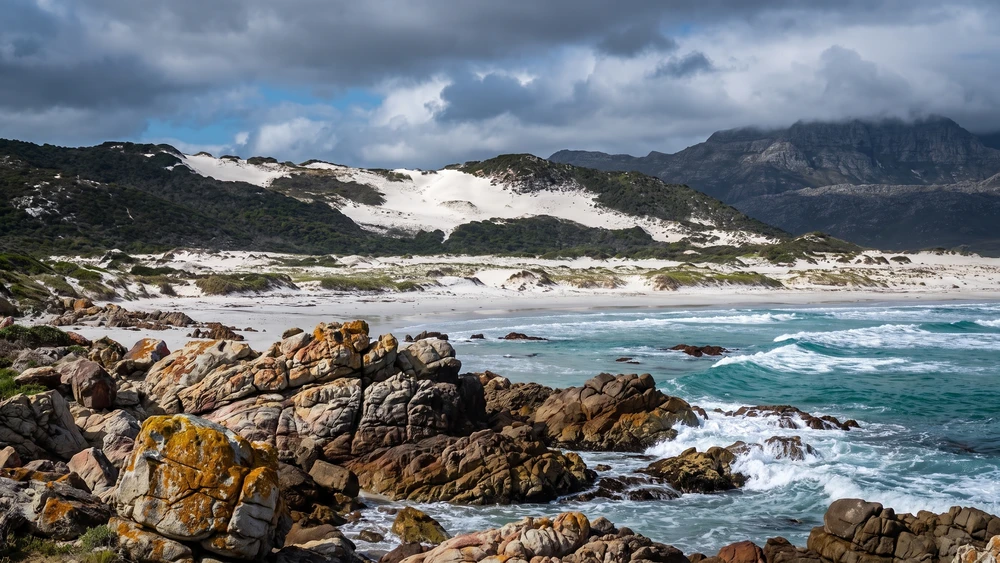
Massive white dunes back this expansive, flat stretch of coastline. The sheer size of Silver Sands means you never feel crowded, even on public holidays. The dunes stretch roughly 400 meters back from the beach, climbing 12 to 15 meters at the ridge. No two visits look quite the same: calm and pristine at low tide on a still day, dramatic and moody once the wind and swell pick up.
Dealing with the Wind and Tides
Because it lacks natural rock barriers, this beach takes the full force of the Overberg winds. It serves as a prime location for kite surfing and long, uninterrupted dog walks. Grab a sandboard and hit the steep dunes, but keep your swimming close to the shore as the drop-offs happen abruptly. There are no lifeguards here, so treat the currents with respect, and keep an eye out for otters, baboons, African black oystercatchers, and the occasional passing whale along this stretch.
Betty's Bay Main Beach: The Go-To Spot for Surfers
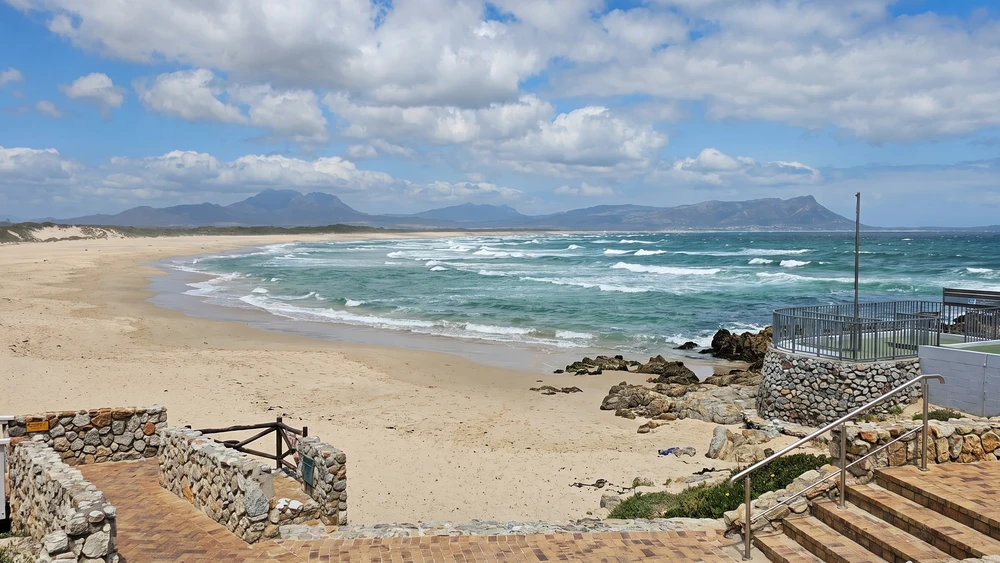
This is the undisputed local hub for wave riders. Consistent swells roll in directly off the Atlantic, offering both left and right breaks that hold up well even when the wind shifts. The beach connects directly to the fenced-off penguin viewing boardwalk at its western end, where sections are roped off during breeding season, so expect a mix of open sand for surfers and protected dune areas for nesting African penguins and black oystercatchers. Rock hyraxes (dassies) and blue-headed lizards are a common sight sunning themselves near the walkway.
Wave Conditions and Surf Etiquette
The lineup gets busy during winter when the storms push massive swells toward the coast. Strong rip currents run parallel to the rocks on the eastern edge. If you don't know how to spot a rip, stay out of the water here. Respect the local lineup, wait your turn, and stick to the sandy peaks if you lack experience with rocky reef breaks.
Kleinmond Blue Flag Beach: The Ultimate Family Option
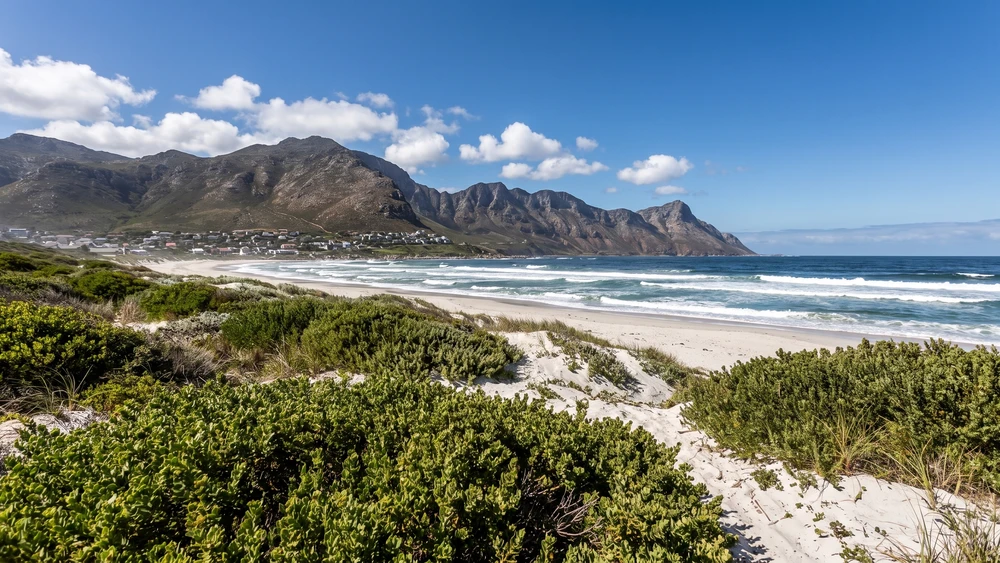
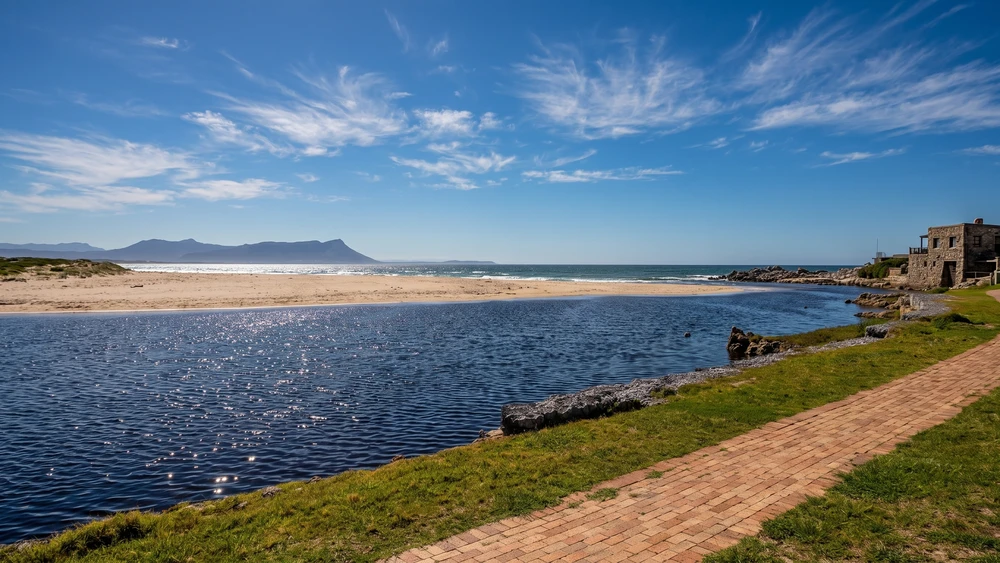
When you have young kids in tow, this is the only logical choice in the area. The Palmiet River mouth creates a large, shallow lagoon right before it meets the ocean. The water in the lagoon runs significantly warmer than the freezing Atlantic and remains completely flat.
Lagoon Swimming and Lifeguard Presence
You get the best of both worlds: safe, paddle-friendly river water and a managed ocean beach just over the sandbank. Well-maintained ablution blocks, ample parking, and active lifeguard patrols make logistics simple. Arrive before 10 AM on weekends to secure a spot near the lagoon edge. A beachfront restaurant, playgrounds, braai spots, and budget-friendly kayak and canoe rentals round out the amenities, and it's not unusual to spot whales or dolphins from the walkway in season. Dog rules vary by section and change seasonally, so check current signage before bringing a leashed dog along.
Practical Tips Before You Hit the Overberg Coast
- Pack a heavy windbreaker. The temperature drops sharply the moment the wind changes direction, even in late December.
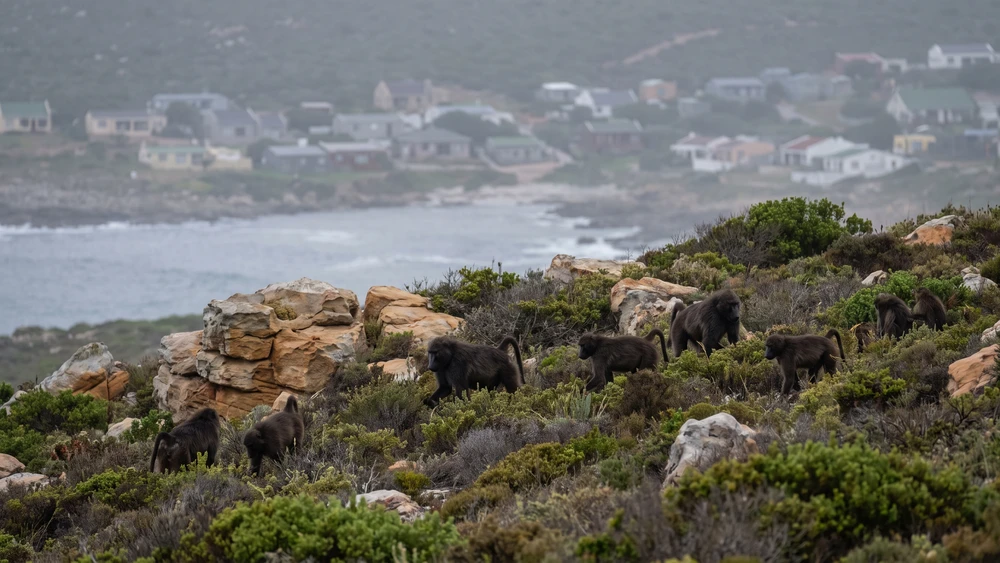
- Keep food hidden. Local baboon troops actively patrol the parking areas, especially near Kleinmond and Jock's Bay. Do not leave your car windows open.
- Check the tide tables. Certain stretches connecting Jock's Bay to the main beach become completely inaccessible at high tide.