Navigating the University of Tartu Museum complex is tricky because the exhibits are scattered across different buildings, and missing the right entrance can easily ruin your schedule. Securing the correct ticket grants you access to both the medieval ruins on Toome Hill and the extensive natural history collections without paying twice.
- Main Location: Lossi 25 (Toome Hill)
- Natural History Branch: Vanemuise 46
- Adult Ticket: €10
- Student / Senior Ticket: €8
- Time Needed: 2 to 3 hours
- Free Entry: Active Tartu University students and employees
What to Expect Inside the University of Tartu Museum
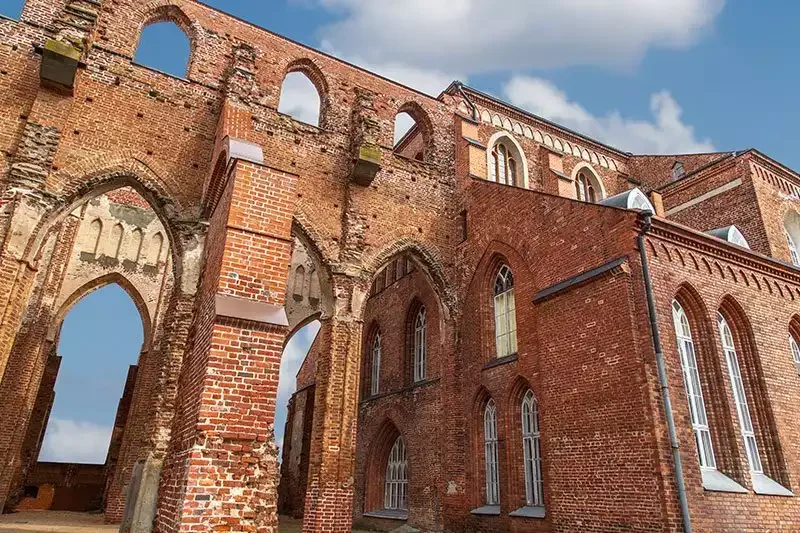
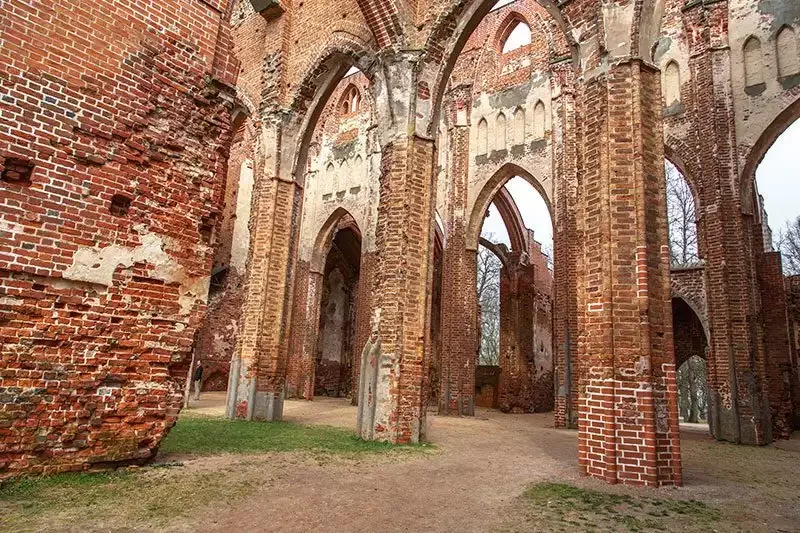
The museum operates in distinct sections across the campus. The main historical exhibition sits inside a partially ruined cathedral on Toome Hill. The atmosphere is solemn, the stone walls incredibly thick. You walk through centuries of scientific and academic history under high vaulted ceilings.
The Historic Tartu Cathedral Ruins (Toomkirik)
Climbing the brick towers requires navigating steep steps. The view from the top covers the entire Old Town. The observation deck is windy, the cityscape completely unobstructed. If you enjoy exploring historical religious structures, you might also appreciate the architecture of the Vilnius Cathedral during your wider Baltic trip.
The Crazy Scientist's Office
This interactive room grabs the attention of younger visitors immediately. The setup looks like a chaotic, vintage laboratory. You can touch the mechanical gears, solve physical puzzles, and trigger sensory experiments. Kids easily spend an hour here alone trying out different scientific principles.
The Natural History Collections on the 3rd Floor
Take the elevator directly to the third floor of the Vanemuise building to find the biological and geological exhibits. The space is extremely clean, the lighting perfectly arranged for viewing rare minerals and meteorites. You come face to face with a massive taxidermy collection featuring animals of all sizes.
The absolute highlight is the legendary Rat King - a preserved, real-life cluster of 13 rats tied together by their tails. Kids love comparing their size to the giant animal skeletons. The interactive bird and frog sound panels keep toddlers highly entertained while adults read the detailed scientific explanations.
Entrance Fees and Ticket Options
A standard adult entry costs €10 from October through April, rising to €12 between May and September when the cathedral towers are also open. Students, seniors, and schoolchildren benefit from a discounted rate of €8 year-round. A family ticket covering two adults with children is priced at €25. If you hold a yearly Museum Card, your entry is already fully covered.
Active University of Tartu students and employees enter completely free of charge. The ticket desk staff speaks excellent English and easily guides you to the right exhibition halls. If you plan to dive deeper into regional history, similar comprehensive ticketing applies at the National Museum of Lithuania.
Opening Hours and Best Time to Visit
From May through September the museum is open Tuesday to Sunday, 10:00 to 18:00. From October through April the hours shift to Wednesday to Sunday, 11:00 to 17:00. Arrive right at opening time to avoid the loud school groups. The exhibition halls get quite stuffy during hot summer afternoons due to limited ventilation. Weekend mornings are surprisingly quiet and practically empty. You get 90 minutes of free parking right outside the building.
How to Get to the Museum on Toome Hill
Walk up the paved path directly behind the town hall. The incline is sharp, the cobblestones slightly slippery when wet. Follow the brown signs pointing to Toomkirik. For the natural history branch, head towards the Vanemuise street campus. It takes only a short ten-minute walk from the city center.
Is the University of Tartu Museum Worth Visiting?
It offers immense value for families, history buffs, and science enthusiasts. The sheer volume of exhibits easily fills an entire afternoon. The careful balance between hands-on activities and dense historical facts keeps both children and adults engaged.
Exploring well-curated exhibitions across the Baltics often leads travelers to specific collections like the Latvian Museum of Pharmacy, but Tartu holds its own with its diverse scientific displays. You definitely get your money's worth here.