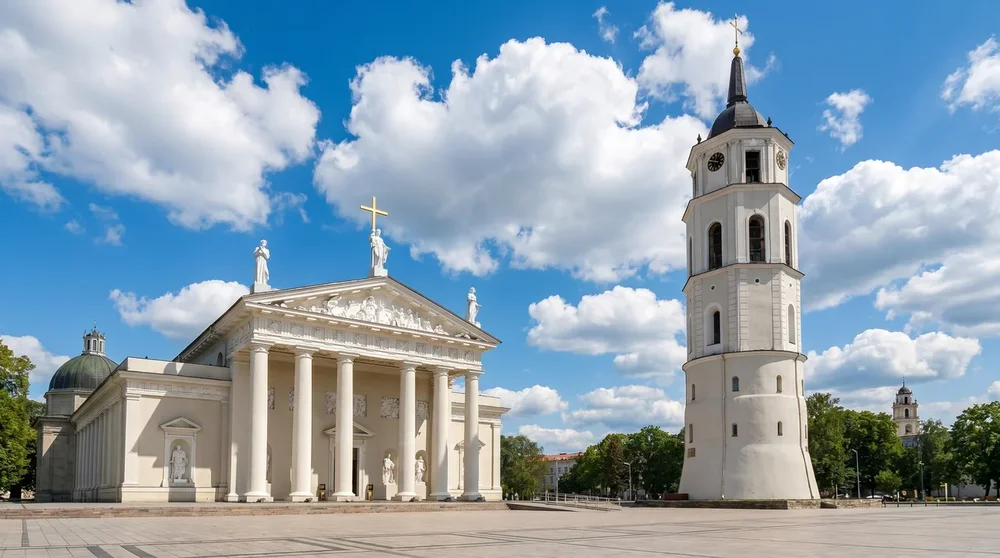
Arriving at the main entrance only to be turned away because a mass is underway remains the most frustrating mistake visitors make. Tourist groups and casual sightseers face strict entry bans during active religious services, completely derailing tight itineraries. Planning your visit around the daily schedule guarantees you actually experience the breathtaking interior rather than staring at the grand columns from the square.
- Main Entrance: Free for individual visitors strictly outside of active service times.
- Crypt Access: Mandatory guided tour required. Independent entry is not permitted.
- Ticket Location: Purchase all tour passes at the Bell Tower office - not at the underground entrance.
- Dress Code: Shoulders and knees must be covered. Staff actively denies entry to anyone in shorts or tank tops.
Before You Visit: Opening Hours and Mass Rules
Walking into the main nave during a Sunday service with a camera will result in an immediate escort out. The church enforces a zero-tolerance policy for tourist activity while services are underway. You need to time your visit carefully between the morning and evening services.
Booking a crypt tour requires heading to the freestanding bell tower first. The underground staff do not sell passes at the crypt entrance, and arriving without a pre-booked guide means staring at a locked steel door. Buy your access passes early in the day, as English-speaking guides fill up quickly and spots are highly limited. Registration is required by phone (+370 60012080) or email (katedrospozemiai@bpmuziejus.lt).
The Architecture: From a Pagan Temple to a Neoclassical Masterpiece
The exterior resembles an ancient Greek temple rather than a traditional Northern European church. Massive white columns. Clean, striking lines against the sky. A completely restrained facade. This neoclassical building sits directly on the former grounds of a pagan shrine, marking the exact geographical spot where the country transitioned to Christianity.
Inside, the vast space feels cool and exceptionally minimalist. Soft echoes. Smooth stone beneath your feet. It creates an atmosphere of deep reverence without the overwhelming ornamentation found in typical European basilicas. While you are in the area, consider walking over to Gediminas Tower for panoramic views over the entire Old Town.
The Baroque St. Casimir Chapel
Tucked away in the corner lies the undisputed crown jewel of the interior. Red and black marble. A gleaming silver sarcophagus. The resting place of the country's patron saint radiates an intense baroque energy that sharply contrasts with the minimalist main hall. Look for the unique Three-Handed Casimir icon displayed prominently above the altar.
Inside the Catacombs: The Newly Unearthed Royal Treasures
Beneath the polished floors lies a dark, claustrophobic labyrinth containing centuries of royal history. Recent archaeological excavations using endoscopic cameras revealed long-lost burial regalia belonging to the powerful Jagiellon dynasty hidden deep within the foundational walls.
These hidden crypts now house an astonishing collection of medieval crowns, golden scepters, and ceremonial rings previously concealed during wartime. Because these specific artifacts were crafted exclusively for royal burials rather than daily wear, they offer a rare glimpse into historic funerary rites. A standard crypt tour ticket costs €10 (reduced: €6) and lasts approximately one hour. The underground temperature drops significantly, so bring an extra layer even on hot summer days.
The Bell Tower and the Stebuklas Miracle Tile
The freestanding tower dominating the square originally served as a medieval defensive fortification. Climbing the steep, narrow wooden stairs to the top observation deck rewards you with phenomenal panoramic views of the entire Old Town. Adult admission is €6 (reduced: €4). Be prepared for a sudden, deafening noise if you happen to be climbing when the massive bells chime.
Between the tower and the cathedral steps lies a small, easily missed paving stone marked with the word Stebuklas. Standing directly on this miracle tile and spinning clockwise three times is a local ritual believed to grant wishes. This spot also marks the historical starting point of the legendary Baltic Way human chain.
How to Get to Vilnius Cathedral
Reaching the square requires a straightforward walk down the main pedestrian promenade from the city center. The entire area serves as the primary meeting point for locals and transit, making it impossible to miss.
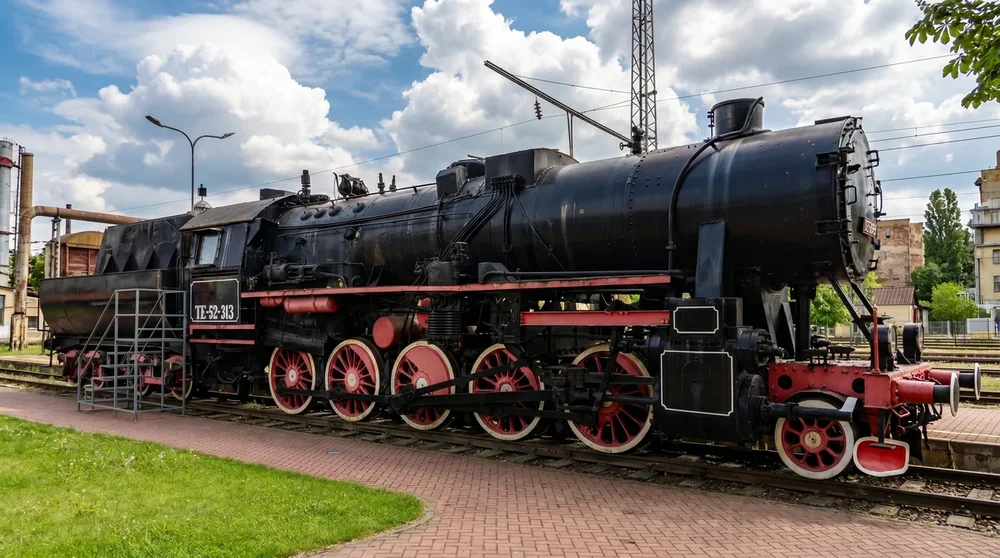
Drop your rental car outside the historic center, as parking near the plaza remains heavily restricted and often completely full. Wear shoes with solid grip - the cobblestones around the plaza and the steep steps inside the bell tower get exceptionally slippery after light rain. If you want to continue exploring the city's history, the Lithuanian Railway Museum offers a completely different but equally compelling side of Lithuanian heritage.