Navigating the steep, maze-like streets of Fener and Balat without a clear route often leaves visitors exhausted and lost before they even reach the main historical sites. Understanding the distinct borders between the Greek Orthodox heritage of Fener and the Jewish history of Balat saves both your energy and your time on these demanding hills.
Both neighborhoods sit along the Golden Horn on Istanbul's European side, a short tram ride from the old city center. If you are still deciding how to split your days between the two shores, the guide to Istanbul's European vs Asian side explains where each district fits into a wider itinerary.
- Getting there: T5 Tram line from Eminönü (alight at the Fener or Balat stops)
- Time needed: 3 to 5 hours for a comfortable walking pace
- Terrain: Very steep inclines and uneven cobblestone streets; sturdy footwear is mandatory
- Budget: Free to explore the streets and main churches, small voluntary donations are customary at religious sites
What Makes Fener and Balat Unique?
Fener and Balat sit side-by-side along the Golden Horn, yet they represent two completely different chapters of Istanbul's history. Fener served as the spiritual and cultural center for the Greek Orthodox community after 1453. Just a few streets away, Balat became a sanctuary for Sephardic Jews fleeing Spain in the late 15th century.
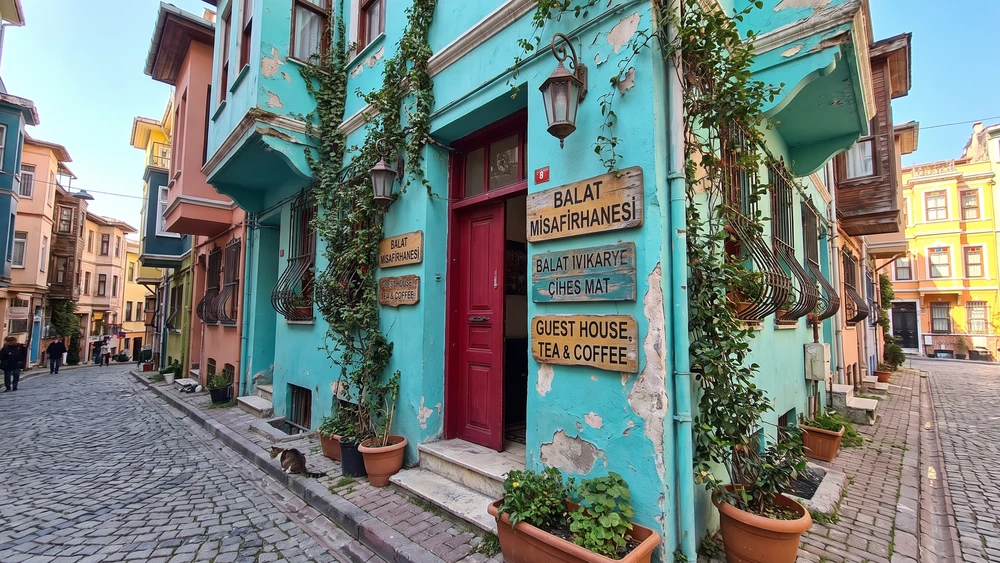
Today, the physical borders blur, but the architectural DNA remains distinct. Wooden Ottoman mansions stand next to stone synagogues and red-brick schools. This area requires a strategic approach to avoid missing the concealed courtyards and tucked-away religious centers while navigating the complex topography.
Fener: Istanbul's Greek Orthodox Heart
Fener translates to "lantern" in Greek, and for centuries, this neighborhood illuminated the intellectual life of the Ottoman Empire. The demographics shifted drastically in the 1950s, but the monumental structures of the Greek Orthodox community still completely dominate the skyline.
Phanar Greek Orthodox College
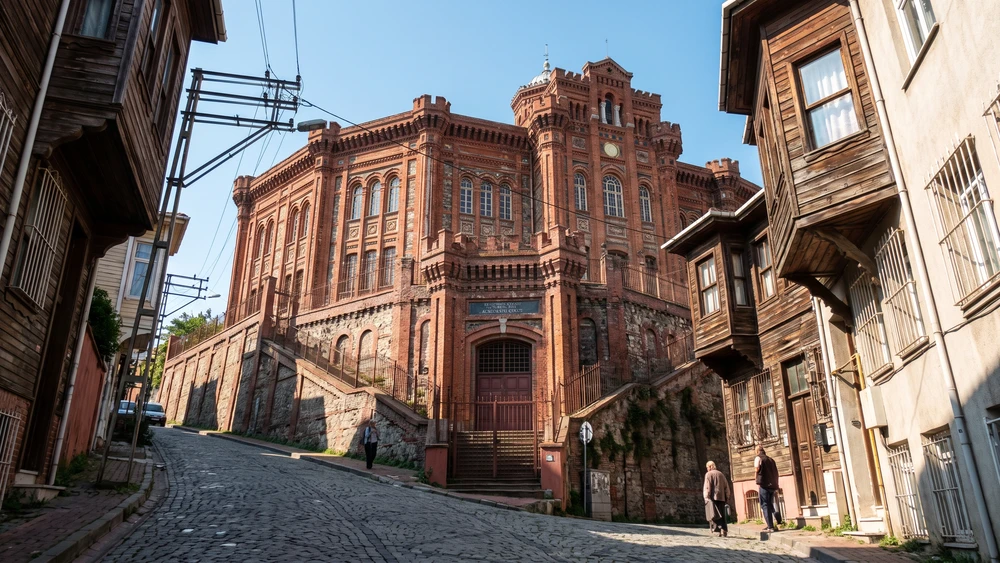
Known locally as Kırmızı Mektep (The Red School), this colossal red-brick structure resembles a medieval fortress. It sits at the very top of the unforgiving Sancaktar Yokuşu street. The climb up is physically demanding, making pacing yourself crucial.
Built between 1881 and 1883, the college is the oldest surviving Greek Orthodox school in Turkey. You cannot go inside as it remains an active educational facility for a small number of students, but the exterior architecture provides one of the most striking backdrops in the city.
The Ecumenical Patriarchate and St. George
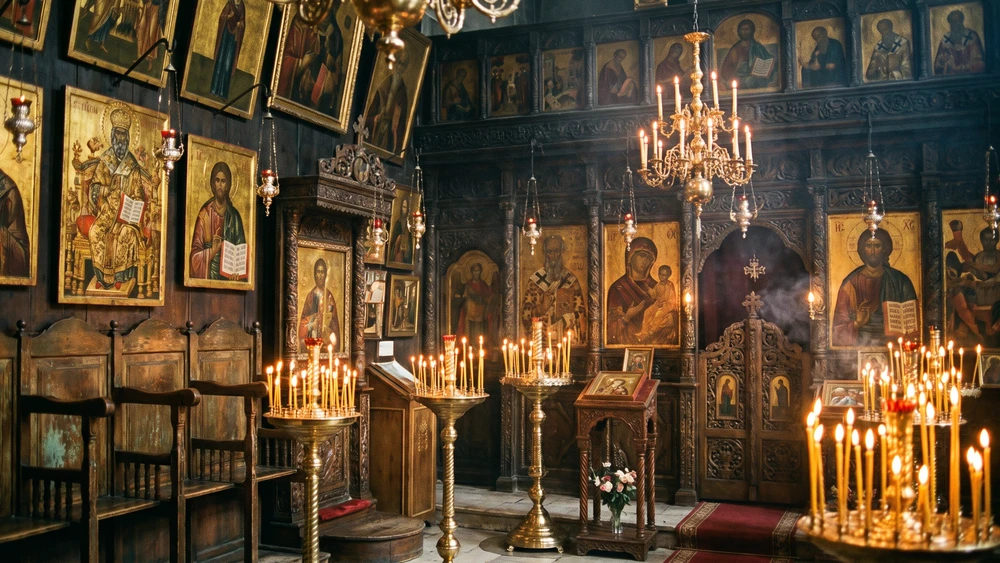
Tucked behind high security walls near the waterfront, the Patriarchate operates as the spiritual equivalent of the Vatican for the Eastern Orthodox Church. The unassuming exterior hides the meticulously ornate Church of St. George.
Inside, the scent of beeswax candles hangs heavy in the air, and gold-leaf icons line the dark walls. You can inspect rare Byzantine mosaics and original relics housed within the main hall.
Entrance is free, though a strict security check is required at the iron gate, and the church typically welcomes visitors from 8 AM to 4:30 PM daily. If you choose to light a candle, leaving a small voluntary donation is customary rather than mandatory. Practical note: the complex maintains very clean public restrooms located right behind the main church building.
Balat: Jewish Heritage and Colorful Architecture
Moving northwest from Fener, the atmosphere shifts as you enter Balat. This historically working-class neighborhood housed the largest Sephardic Jewish community in Constantinople. While active synagogues like Ahrida remain closed to casual walk-in visitors due to strict security measures, the neighborhood's structural charm is very much alive.
The Colorful Houses of Kiremit Street
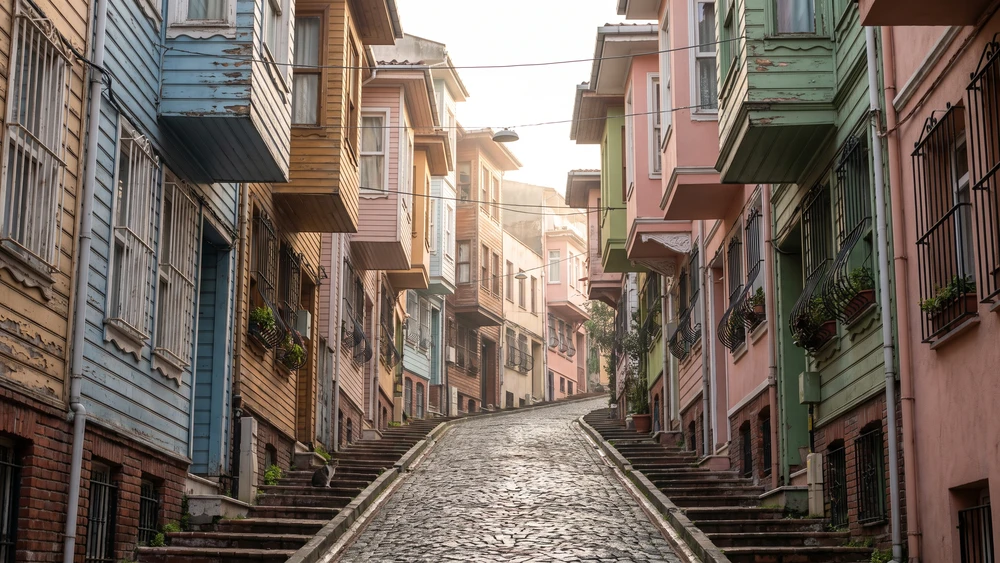
The pastel-painted, three-story Ottoman houses on Kiremit Caddesi are the main target for most cameras. The reality of this street is quite different from heavily edited social media posts. The narrow pavement gets severely congested by mid-day, and the adjacent stairs often show heavy wear from the massive foot traffic.
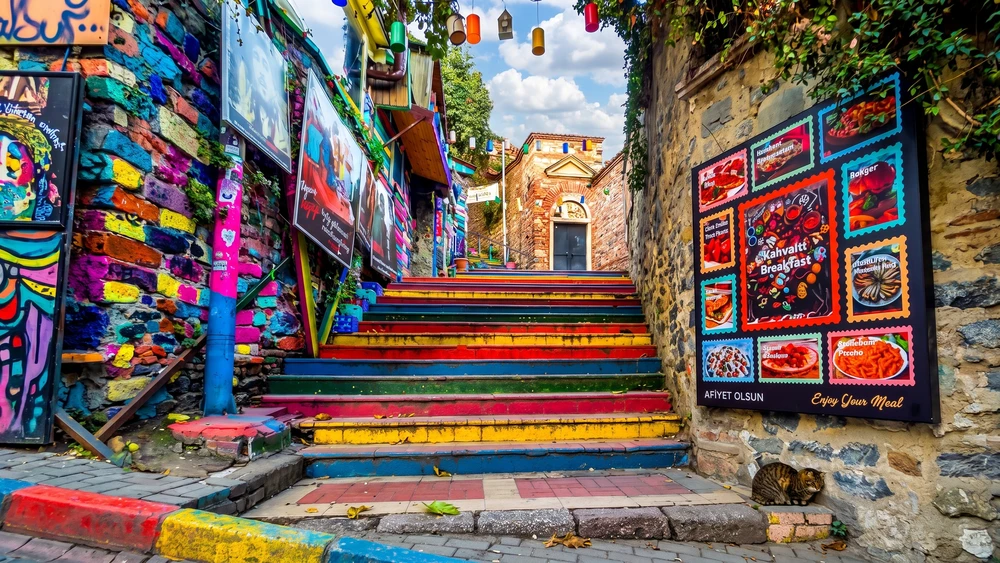
Arriving before 09:30 AM is the only reliable way to photograph the wooden facades without navigating around large tour groups and tripod setups. A few blocks further uphill, the stepped lane known as Merdivenli Yokuş offers a quieter, equally photogenic alternative once Kiremit Caddesi fills up.
Visiting the Ahrida Synagogue
Ahrida is one of the oldest synagogues in Istanbul and still holds regular services, which is exactly why access is so restricted. Casual walk-ins are turned away. To visit, you need to apply in advance to the office of the Chief Rabbinate in Beyoğlu and send photocopies of your passport roughly one week before your intended date.
Visits typically run Monday to Thursday, with entry allowed only at a fixed morning time, so arriving even a few minutes late can mean missing the slot entirely. Modest dress, including a head covering, is required once inside. If the paperwork feels like too much for a short trip, the exterior alone, viewed while walking down Leblebiciler Sokak, is still worth the detour.
Vintage Shops and Local Coffee Culture
The heart of modern Balat beats along Leblebiciler Sokak and Vodina Caddesi. These parallel streets house a dense concentration of third-wave coffee shops right alongside third-generation antique dealers.
Prices for food and drinks here run noticeably lower than in Sultanahmet or Karaköy. Stopping at a family-run eatery for fresh gözleme or an artisanal bakery offers a quick, budget-friendly reset before tackling the next steep alley.
Beyond Fener and Balat: Nearby Museums
Two museums bookend this walk if you want more than churches and street photography. At the southern edge in Cibali, the old tobacco factory now houses Kadir Has University and the Rezan Has Museum, a compact collection covering Byzantine and Ottoman artifacts, which makes a good air-conditioned break on a hot afternoon.
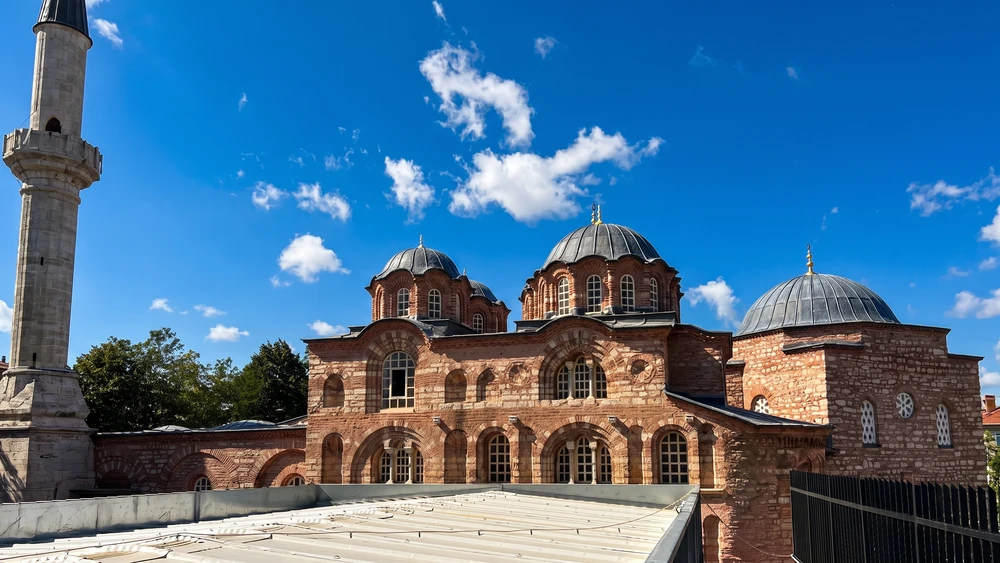
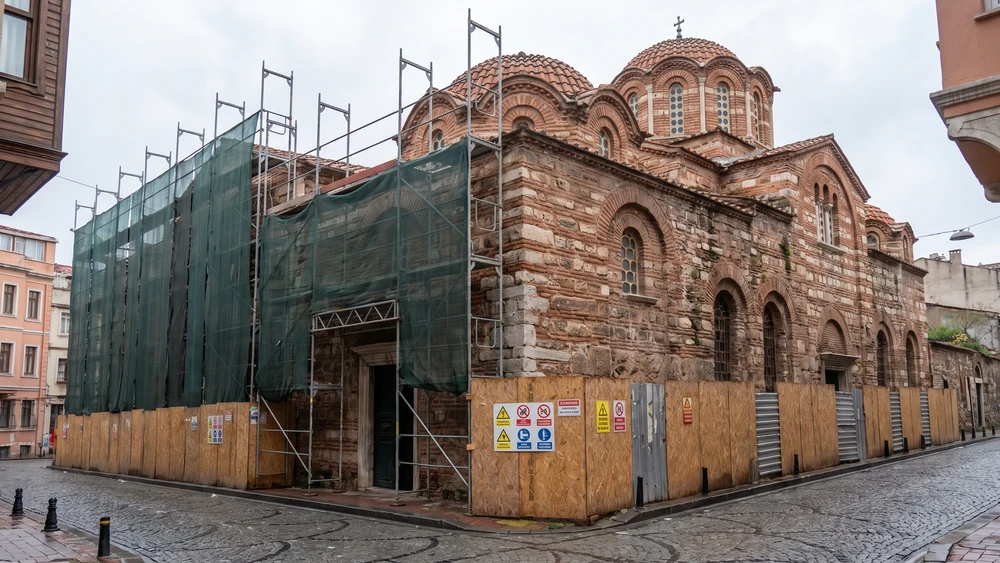
Near Fener, the Fethiye Museum (the former Pammakaristos Church) holds some of the city's finest Byzantine mosaics, ranked by historians alongside those in the Chora Church. The museum remains closed for restoration, according to the official museum listing, so check its current status before planning around it. When it does reopen, standard city museum passes are typically accepted there, and the Turkey Museum Pass guide is a useful reference for whether it is worth buying one for a wider Istanbul museum run.
How to Get to Fener and Balat
Istanbul's notorious traffic makes taking a taxi to this area a costly and frustrating mistake. The public transit network offers a much faster and cleaner solution. The T5 Tram line (Eminönü-Alibeyköy) glides right along the Golden Horn shoreline, bypassing the congested main roads entirely.
Alternatively, buses 99 and 99A from the Eminönü transit hub drop you directly at the Fener or Balat stops. If the weather permits, the flat, 45-minute waterfront walk from Eminönü provides an excellent, scenic alternative. Before heading this way, it's worth reading up on Eminönü Square itself, since most routes into Fener and Balat start from there. Ensure your Istanbulkart has sufficient balance before heading this way, as top-up machines are scarce in the upper streets.
Essential Tips for First-Time Visitors
Timing your walk: the narrow streets trap shadows quickly in the late afternoon. For optimal lighting and crowd avoidance, the golden window is between 08:30 AM and 11:00 AM.
Strategic footwear: leave the flat-soled city sneakers at the hotel. The cobblestones are notoriously slick, and the hills can be extremely steep in some sections. Sturdy walking shoes with excellent grip are non-negotiable.
Dress code: while the main cafe streets are highly progressive, Fener and Balat house deeply conservative communities and active places of worship. Carrying a light scarf and avoiding overly revealing clothing ensures you will not be turned away at church doors.
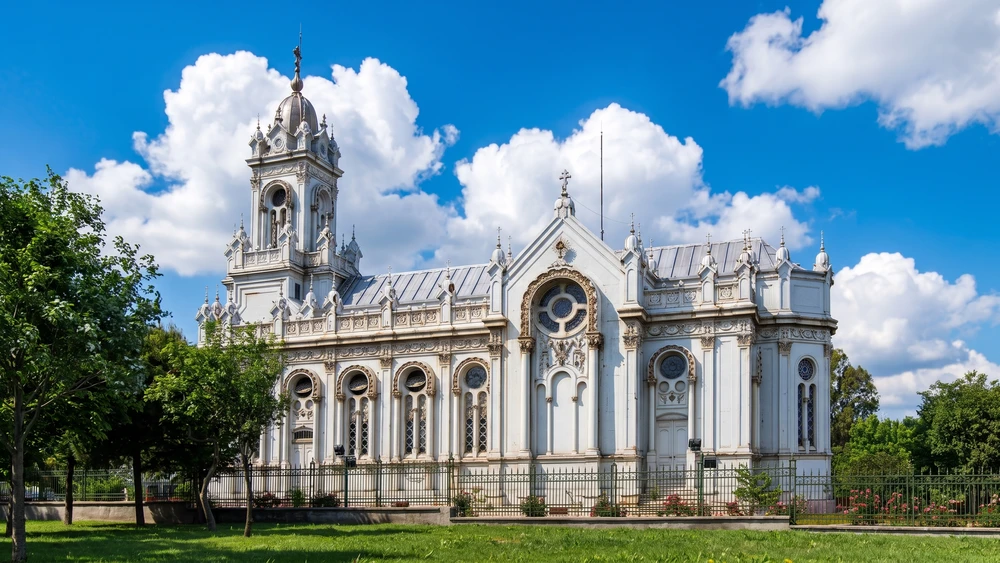
Navigating the hype: spots like the "Umbrella Street" and the rainbow stairs draw massive crowds but offer little historical context. Prioritize the Byzantine walls, the cast-iron St. Stephen's Bulgarian Church, and the authentic merchant streets over artificial photo sets.